Undefined Retractable Loft Ladder Guide: Step-By-Step
Transform your loft access with a custom-built folding ladder that saves space and boosts functionality in small homes.
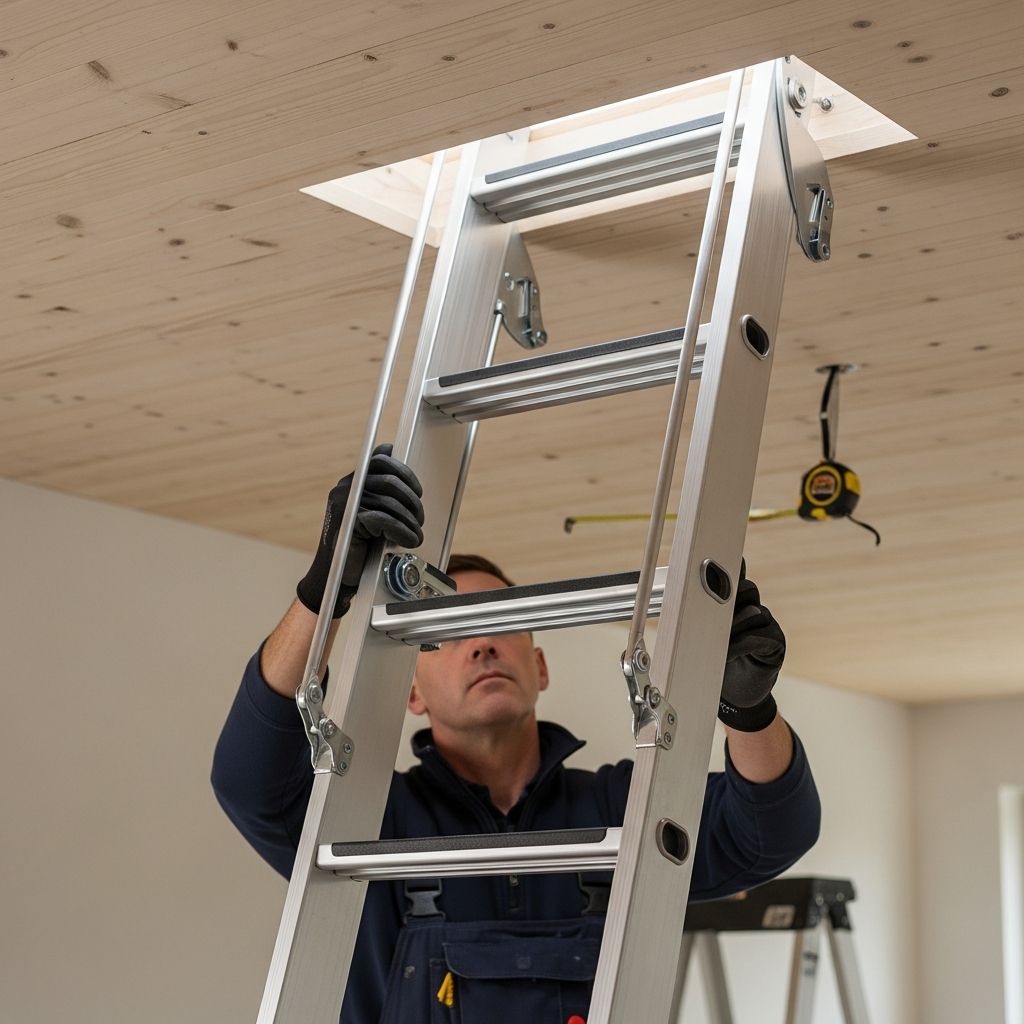
DIY Retractable Loft Ladder Guide
Retractable loft ladders provide an efficient solution for accessing elevated storage spaces without permanently occupying floor area. These compact designs fold or roll away when not in use, making them perfect for homes with limited room below the loft opening. This guide outlines a complete process for creating a sturdy, custom retractable ladder using affordable materials and standard woodworking tools.
Benefits of Installing a Retractable Loft Ladder
Space efficiency stands out as the primary advantage, allowing full use of the area beneath the loft for furniture or activities. Unlike fixed staircases, retractable models deploy only when needed, enhancing room versatility. They also improve safety over makeshift solutions like portable ladders by offering stable footing and handrails. Custom builds ensure a perfect fit for unique ceiling heights and opening sizes, potentially increasing property value through better storage utilization.
- Maximized Floor Space: Folds completely out of sight.
- Enhanced Safety: Secure mounting and non-slip treads.
- Cost Savings: DIY versions cost far less than pre-made units.
- Custom Fit: Tailored to exact dimensions.
Planning Your Loft Ladder Project
Begin by measuring the vertical distance from the floor to the loft floor, known as the total rise. Divide this by the desired number of steps—typically 10 to 14 inches per riser for comfort—to determine tread spacing. Account for a rough opening at least 22 inches wide and 54 to 60 inches long, depending on ladder length. Verify joist strength; reinforced framing may be required if cutting joists.
Sketch a diagram showing side rails, treads, hinges, and locking mechanisms. Consider ceiling height: for over 9 feet, incorporate pulleys or springs for easier operation. Check local building codes for load requirements, aiming for at least 250 pounds per tread.
| Ceiling Height | Suggested Steps | Ladder Length | Opening Size |
|---|---|---|---|
| 8 ft | 9-10 | 10-12 ft | 22×54 in |
| 9-10 ft | 11-12 | 12-14 ft | 22×60 in |
| 10+ ft | 13+ | 14+ ft | 25×66 in |
Gathering Materials and Tools
Select pressure-treated lumber for durability: 2x6s for side rails, 1x12s for treads. Hardware includes heavy-duty hinges (rated 100+ lbs each), casters for rolling models, steel pipes for handrails, screw eyes, rope, pulleys, and locking pins. Fasteners: 2.5-3.5 inch deck screws, wood glue, lag screws for framing.
Essential tools: miter saw, circular saw, drill with bits, clamps, level, measuring tape, chalk line, and safety gear. For metal components, add a hacksaw and pipe cutter.
- Wood: 4x 2x6x12ft, 10x 1x12x24in treads
- Hardware: 6-8 hinges, 4 casters, 2 pulleys
- Finishing: Sandpaper, paint/sealant
Framing the Loft Opening
Cut the ceiling opening precisely to match your ladder dimensions, typically framing with double joists using 2×10 lumber nailed with 10d commons. Install headers across the opening for support. Add blocking between joists for mounting points. Use temporary 1×4 ledges extending 0.5 inches into the opening to support the ladder during installation. Ensure the frame is level and square; shim as needed.
For perpendicular joist runs, build double headers spanning load-bearing walls. Nail securely to prevent sagging under weight.
Building the Ladder Frame
Cut side rails into upper and lower sections, allowing folding at joints. Miter ends at 15-20 degrees for floor fit. Attach scab plates—overlapping wood pieces—with glue and screws at fold points. Drill holes for clevis pins to lock the ladder extended.
Install hinges between rail sections: position for smooth folding, securing with screws staggered to avoid splitting. Test fold mechanism on the ground before proceeding.
Installing Treads and Steps
Mark tread positions equally spaced on rails using a jig for consistency. Pre-drill from rail edges into tread ends, apply glue, and secure with 3-inch screws. Ensure treads are level and overhang rails slightly for foot clearance. For wider treads, laminate 1x boards.
Bottom tread may need trimming for flush floor contact. Sand all edges smooth to prevent splinters.
Adding Handrails and Mobility Features
Mount black steel pipes to loft edges using brackets screwed into reinforced joists. Hang rails from pipes via J-hooks screwed into rail tops. For rolling designs, attach rigid casters to base with plywood reinforcements.
Incorporate screw eyes near joints for rope pulleys. Thread paracord through pulleys, knotting ends to top tread for pull-down operation.
Deployment and Locking Mechanisms
Drill aligned holes through scabs, rails, and spacers for 3/8-inch hitch pins, preventing accidental folding. Add spring arms or torsion mechanisms for assisted retraction if desired. Test full extension: bottom section should rest flat, top aligning perfectly with loft floor.
Installation into the Loft Opening
With two people, hoist the assembled ladder through the opening, resting hinges on ledges. Shim for plumb, then secure with 3-inch lag screws or 16d nails into framing. Start at hinge end, pressing down to engage springs fully. Trim excess length if needed for flush fit.
Operate repeatedly: unfold sections, measure adjustments, refold, and recut bottom as necessary.
Safety Enhancements and Finishing Touches
Apply non-slip tape or grit paint to treads. Install handrails on both sides, ensuring 34-38 inch height. Add limit chains to prevent over-extension. Seal wood with exterior polyurethane for moisture resistance. Inspect hinges and pins annually, lubricating moving parts.
- Load Test: Support 350+ lbs before regular use.
- Lighting: Mount LED strips along rails.
- Padding: Felt on folding edges to reduce noise.
Common Mistakes to Avoid
Oversight in measuring leads to poor fit; always double-check rise and run. Weak framing causes sagging—use headers properly. Insufficient hinges result in instability; minimum six per side. Skipping locks risks collapse during use.
Maintenance for Longevity
Tighten fasteners yearly. Replace frayed ropes immediately. Clean treads of debris. For heavy use, upgrade to aircraft cable over rope.
Frequently Asked Questions (FAQs)
What materials are best for outdoor loft ladders?
Pressure-treated lumber or aluminum for weather resistance.
How much weight can a DIY ladder support?
Properly built models handle 300-400 lbs; test thoroughly.
Do I need permits for installation?
Check local codes; structural changes often require approval.
Can this work for garages?
Yes, reinforce framing for heavier loads.
What’s the build time for beginners?
8-12 hours over a weekend.
References
- Installation Instructions Four-Section Folding Attic Stair — Marwin Company. 2025-09. https://www.marwincompany.com/wp-content/uploads/2025/09/Installation-Instructions-Four-Section-Folding-Attic-Stair.pdf
- Attic Stair Installation Instructions — Memphis Folding Stairs Inc. (via Texas Inspector). N/A. https://www.texasinspector.com/files/Attic-Stair-Installation-Instructions.pdf
- MAGIC Folding Rolling Staircase for Loft — YouTube (DiverseDad channel). N/A. https://www.youtube.com/watch?v=NrqfwNLS0ik
Similar Articles








Read full bio of medha deb