DIY Sandpaper: Craft Your Own Abrasive Sheets
Unlock the secrets to making custom sandpaper at home with simple materials and easy steps for perfect woodworking results every time.
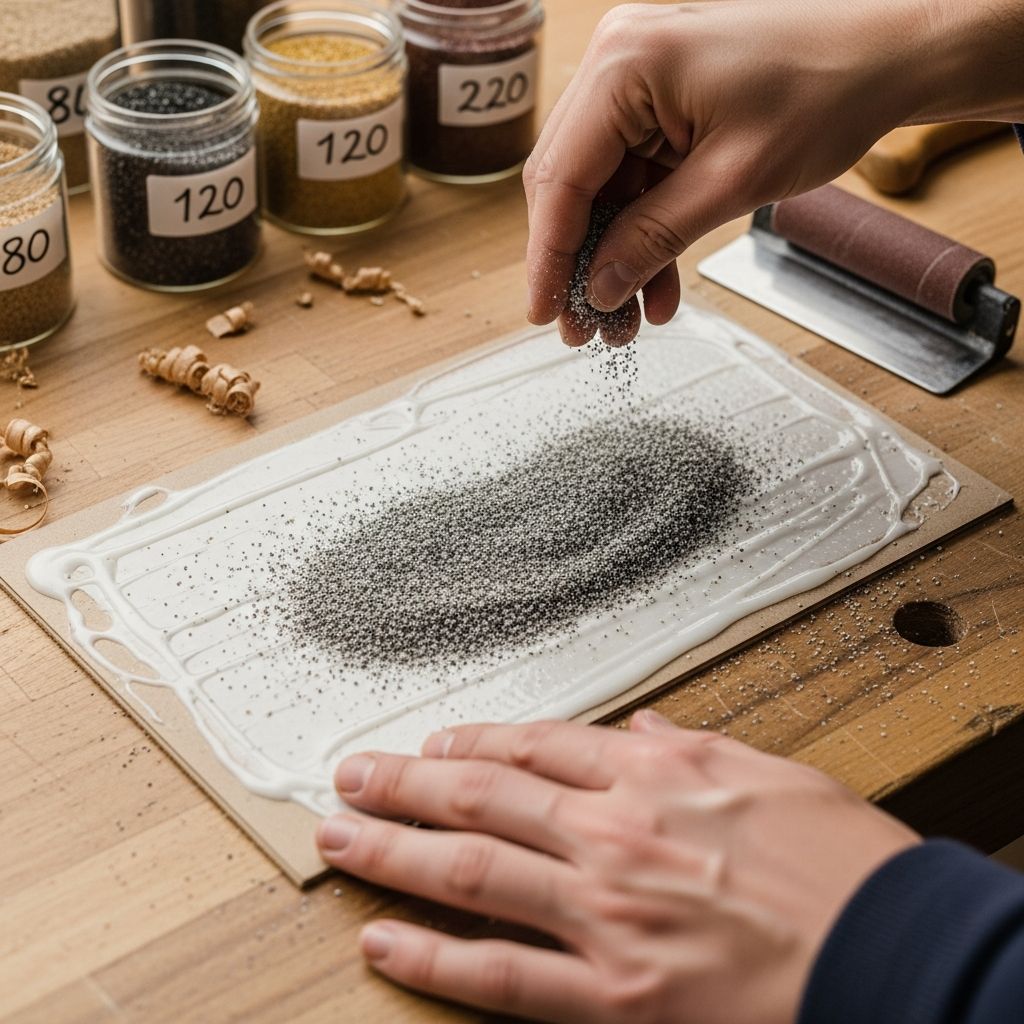
Creating your own sandpaper opens up a world of customization for woodworking, metal polishing, and general crafting. Instead of relying on store-bought options with limited grit choices or inconsistent quality, you can tailor the abrasiveness to your exact needs. This process is cost-effective, eco-friendly, and surprisingly straightforward, using materials you likely have around the house or can source cheaply.
Why Choose Homemade Sandpaper?
Store-bought sandpaper often wears out quickly or doesn’t suit specialized tasks. Homemade versions allow precise control over grit size, backing material, and durability. Woodworkers appreciate the ability to make large sheets for big projects, while hobbyists enjoy experimenting with textures for unique finishes. Plus, it’s a sustainable alternative, reducing waste from discarded commercial sheets.
Economically, a batch costs pennies per sheet compared to dollars for premium brands. Environmentally, you repurpose natural abrasives like sand or crushed shells, minimizing packaging waste. The satisfaction of crafting your tool adds a personal touch to every project.
Essential Materials for Custom Abrasives
Gathering the right supplies is the foundation of effective DIY sandpaper. Focus on quality to ensure longevity and performance.
- Backing Base: Choose sturdy options like cotton cloth, heavy paper, or canvas for flexibility and strength. Cloth holds up best for wet sanding.
- Abrasive Particles: Natural choices include beach sand, crushed walnut shells, or garnet sand. For finer work, use powdered glass or emery from hardware stores.
- Adhesive: Waterproof options like epoxy resin, PVA glue mixed with water, or contact cement provide strong bonds.
- Tools: Paintbrushes, rollers, sieves for sifting grits, and a flat workspace like plywood or glass.
- Optional Additives: Mineral spirits to thin adhesives or anti-clog agents like stearate powder.
Pro tip: Test adhesive compatibility with your backing to avoid peeling during use.
Understanding Grit Sizes and Their Applications
Grit refers to particle size, measured in mesh numbers—lower numbers mean coarser abrasives. Here’s a breakdown:
| Grit Range | Coarseness | Best Uses |
|---|---|---|
| 16-36 | Very Coarse | Heavy material removal, shaping rough lumber |
| 40-80 | Coarse | Initial smoothing, rust removal on metal |
| 100-180 | Medium | General sanding, paint prep |
| 220-400 | Fine | Pre-finishing, between coats |
| 600+ | Extra Fine | Polishing, final touches on wood or plastic |
Sift abrasives through mesh screens to achieve uniform grit. Coarser grits speed up work but risk gouging; finer ones yield smoother results with more effort.
Step-by-Step Guide to Fabricating Sandpaper
Follow these instructions for reliable results. Work in a well-ventilated area.
- Prepare the Backing: Cut cloth or paper to size (e.g., 12×18 inches). Ensure it’s clean and taut on a flat surface using tape or clamps.
- Mix the Adhesive: Combine glue with water (1:1 for PVA) or use straight resin. Stir until smooth; add mineral spirits if too thick.
- Apply Base Layer: Brush a thin, even coat over the backing. Let it become tacky (10-15 minutes) to grip abrasives better.
- Sift and Spread Abrasives: Sieve your chosen grit evenly over the surface. Press lightly with a roller for embedding. Shake off excess.
- Add Top Coat: Apply another adhesive layer to lock particles. For waterproof versions, use resin here.
- Drying Phase: Air-dry for 24-48 hours in a dust-free spot. Avoid direct sun to prevent warping.
- Curing and Testing: Full cure takes 72 hours. Trim edges and test on scrap material.
Yield: One quart of mix covers 10-15 square feet, depending on thickness.
Safety Measures and Best Practices
Sanding dust and chemicals demand caution. Wear N95 masks, safety goggles, and gloves. Use respirators for fine powders to prevent inhalation. Work outdoors or with exhaust fans.
Store homemade sheets flat in dry conditions to maintain sharpness. Label by grit for easy access. Dispose of adhesive waste per local regulations—many glues are hazardous.
Avoid skin contact with uncured adhesives; wash immediately if exposed. For power tool use, ensure sheets adhere securely to avoid slippage.
Advanced Techniques for Specialized Sandpaper
Elevate your creations with these methods:
- Wet/Dry Variants: Use waterproof cloth and silicone carbide grit with resin adhesive for automotive or marine applications.
- Flexible Belts: Construct endless loops from cloth strips sewed together, coated uniformly for belt sanders.
- Impregnated Pads: Soak foam sheets in abrasive slurry for hand polishing curves and contours.
- Electrostatic Application: For pro-level evenness, charge abrasives with static to stand upright on adhesive.
Experiment with hybrid grits—blend coarse and fine for progressive sanding in one sheet.
Common Mistakes and Troubleshooting
Even seasoned makers encounter issues. Here’s how to fix them:
- Clogging: Particles fall out? Use insufficient top coat or weak adhesive—increase resin ratio.
- Uneven Grit: Poor sifting causes scratches. Always use multiple sieve sizes.
- Backing Tears: Too much glue softens material; apply thinner layers.
- Short Lifespan: Low-quality abrasives wear fast; opt for angular, hard particles like aluminum oxide.
If sheets delaminate, test humidity levels—high moisture affects curing.
Creative Projects Using Your Custom Sandpaper
Homemade abrasives shine in diverse applications:
- Furniture Restoration: Start with 40-grit to strip old finish, progress to 320 for satin sheen.
- Model Making: Fine grits perfect plastic kits without melting.
- Jewelry Polishing: 600+ grit on cloth buffs silver and gold.
- Guitar Fretwork: Custom flexible sheets level frets precisely.
Incorporate into power tools by cutting to fit discs or drums. For large surfaces like floors, make oversized sheets.
Cost Analysis and Comparisons
A single sheet costs under $0.50 to produce versus $2-5 retail. Bulk sand (50 lbs) runs $20, glue $10/gallon—enough for hundreds of sheets. Savings amplify with frequent use.
Commercial pros like wet/dry silicon carbide excel in uniformity, but DIY matches for most tasks at a fraction of cost.
Environmental Impact of DIY Abrasives
Opt for natural grits like olivine sand to minimize mining impacts. Reuse cloth backings multiple times. This approach cuts plastic packaging and transport emissions associated with factory products.
According to the U.S. Environmental Protection Agency, DIY reduces household waste significantly when scaled to projects.
Frequently Asked Questions (FAQs)
Can I use regular sand from the beach?
Yes, but sift thoroughly—beach sand often contains salt and shells that corrode tools.
How long does homemade sandpaper last?
3-10 times longer than cheap store brands, depending on grit and material quality.
Is it safe for power sanders?
Absolutely, if securely attached and balanced to prevent vibration.
What if I want colored sandpaper?
Add non-toxic pigments to adhesive for aesthetic or project-matching sheets.
Can kids help make it?
Supervised, yes—skip chemicals and use non-toxic glue for safe fun.
References
- Abrasives Manufacturing – Materials and Processing — U.S. Department of Energy. 2023-05-15. https://www.energy.gov/sites/prod/files/2014/04/f15/abrasives_mfg.pdf
- Sanding and Abrasive Safety Guidelines — Occupational Safety and Health Administration (OSHA). 2024-01-10. https://www.osha.gov/publications/shib030818
- Coated Abrasives Fundamentals — Federation of European Producers of Abrasives (FEPA). 2022-11-20. https://www.fepa-abrasives.org/wp-content/uploads/2022/11/FEPA-Coated-Abrasives-Fundamentals.pdf
- Grit Size Standards — American National Standards Institute (ANSI). 2025-02-01. https://webstore.ansi.org/standards/ansi/ansib74111985r2020
(Word count: 1678)
Similar Articles


Read full bio of medha deb