Shower Faucet Repair: Step-By-Step DIY Guide For Homeowners
Master the art of fixing leaky shower faucets with our comprehensive DIY approach.
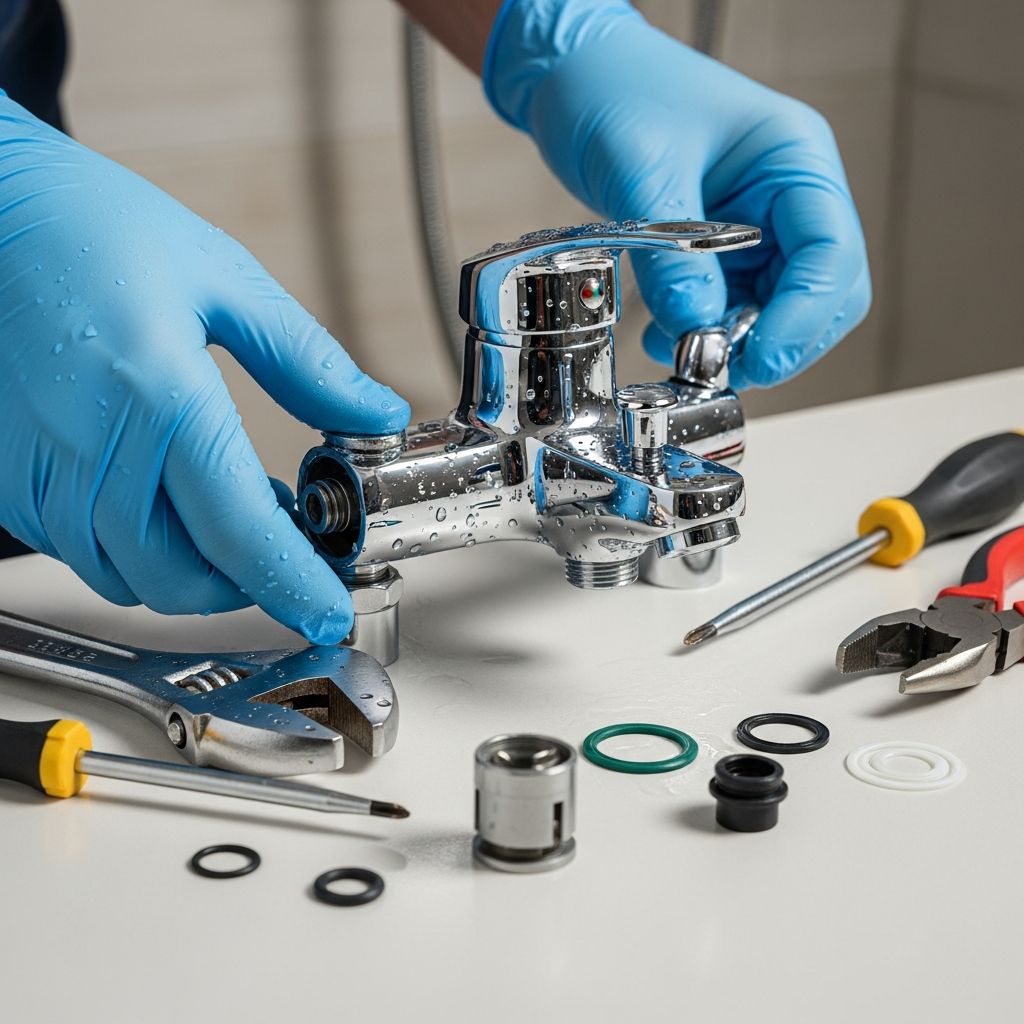
Mastering Shower Faucet Repair: A Comprehensive DIY Solution
A dripping shower faucet is more than just an annoyance—it represents wasted water and increasing utility bills. The Environmental Protection Agency estimates that household leaks can waste nearly 1 trillion gallons of water annually in the United States. A single leaking faucet can waste approximately 3,000 gallons per year, equivalent to the amount of water needed to take nearly 180 showers. Rather than calling a professional plumber and paying service fees, many homeowners can successfully repair their shower faucets themselves with basic tools and a methodical approach.
Understanding Your Shower Faucet System
Before attempting any repairs, it’s crucial to understand the basic components of your shower faucet system. Most shower faucets operate on similar principles, though specific designs may vary. The main components include the handle or knob, the trim ring or escutcheon plate, the valve stem, the cartridge or washer assembly, supply lines, and the showerhead. Understanding these parts helps you identify where leaks originate and what needs replacement.
Shower faucets generally fall into two categories: cartridge-style faucets and washer-style faucets. Cartridge faucets use a single cartridge valve that controls both water flow and temperature mixing. Washer faucets rely on rubber washers and valve seats to control water movement. Identifying your faucet type is essential because the repair process differs between them.
Diagnosing Where Water is Leaking
The location of your leak determines the repair approach you’ll need to take. Leaks can originate from several points in your shower system:
- Around the showerhead: Water dripping from where the showerhead connects to the arm indicates loose connections or deteriorated washers that need tightening or replacement
- From the handle area: Leaks emerging near the handle suggest internal cartridge or seal failure requiring cartridge replacement
- Behind the trim ring: Water escaping behind the escutcheon plate points to issues with internal seals or the cartridge itself
- From the spout: Continuous dripping from the bathtub spout indicates worn washers or cartridge problems
- Supply line connections: Leaks at where supply lines connect suggest loose fittings needing tightening
To identify your leak source, turn off the water and inspect the faucet assembly carefully. Look for water staining, corrosion, or visible moisture around each component. Understanding exactly where water escapes helps you focus repair efforts on the right part.
Essential Tools and Materials You’ll Need
Gathering the correct tools before starting prevents interruptions and ensures you can complete the repair properly. Your basic toolkit should include:
| Tool Category | Specific Tools | Purpose |
|---|---|---|
| Wrenches & Pliers | Adjustable wrench, pipe wrench, pliers | Removing nuts, bolts, and cartridges |
| Screwdrivers | Flathead and Phillips screwdrivers | Removing decorative caps and handle screws |
| Specialized Tools | Cartridge puller, valve seat wrench | Extracting cartridges from specific faucet types |
| Lubricants & Tape | Plumber’s tape, penetrating oil | Sealing threads and loosening stuck components |
| Safety Items | Towel or rag, bucket, flashlight | Catching water, drying areas, improving visibility |
Additionally, prepare replacement parts before beginning work. These typically include O-rings, rubber washers, and possibly a complete cartridge assembly. Knowing your faucet manufacturer helps you obtain the exact replacement parts needed.
Preparing Your Work Area and Turning Off Water Supply
Proper preparation prevents water damage and complications during repair. First, locate your home’s water shut-off valve, typically found near the main water entry point or sometimes under the sink. Locate and label the shower shut-off valve if your system has individual controls for different bathrooms. Turn the valve clockwise until it stops to completely shut off water flow.
After shutting off the water, turn on the shower to release any remaining water pressure in the lines. This step prevents unexpected water spray when you begin disassembly. Place a bucket or towel beneath the faucet to catch any residual water that remains in the pipes.
Ensure adequate lighting in your bathroom, as working inside faucet assemblies requires good visibility. Remove any decorative items from the sink area and gather all tools within arm’s reach. Taking time to prepare prevents frustration and injury during the repair process.
Step-by-Step Faucet Disassembly Process
Careful disassembly is critical to accessing the components that require repair. Begin by examining the faucet handle for a decorative cap or index button, typically found on top or at the base of the handle. These caps often hide the screw that secures the handle to the valve stem.
Using a flathead screwdriver, gently pry the decorative cap off if present. Once exposed, use your screwdriver to remove the screw holding the handle in place. If the screw is stuck or difficult to turn, apply a penetrating oil like WD-40 and wait several minutes before attempting removal again.
With the handle removed, you should see the trim ring or escutcheon plate. This circular or oval piece covers the valve opening and protects internal components. Some trim rings unscrew, while others simply pry off. Check for screws around the trim ring and remove them if present. If no screws are visible, use a flathead screwdriver to gently pry the trim ring outward from the wall.
Beneath the trim ring, you’ll find either a cartridge (in cartridge-style faucets) or a valve assembly with washers (in older faucets). Note the orientation of all components as you remove them, as proper alignment during reassembly is essential. Take photographs with your phone to document the disassembly sequence, which simplifies reassembly later.
Identifying and Replacing Worn Components
Once you’ve accessed the internal mechanism, inspect all components for signs of wear. In cartridge faucets, look for a notch or alignment marker on the cartridge itself, as this determines proper orientation during reinstallation.
For cartridge replacement, use a cartridge puller tool to extract the old cartridge if it doesn’t pull out easily by hand. These specialized tools grip the cartridge and provide leverage for removal. Install the new cartridge in the exact same orientation as the original, ensuring the alignment notch matches the proper position. Apply plumber’s grease around the cartridge to facilitate smooth operation and proper sealing.
In washer-style faucets, inspect the rubber washers and valve seat. Washers typically deteriorate and harden over time, causing leaks. Replace old washers with new ones of identical size and shape. The valve seat—a metal or ceramic ring inside the faucet body—can also corrode or pit, preventing proper water shutoff. If the valve seat appears damaged, use a valve seat wrench to remove and replace it with a new one.
Check all O-rings throughout the assembly. These small rubber rings prevent leaks at connection points. If any appear cracked, compressed, or damaged, replace them with new O-rings of the same size. Applying a thin layer of plumber’s grease to O-rings helps them maintain a proper seal.
Addressing Loose Connections and Tightening Fittings
Before assuming you need to replace components, check whether loose connections are causing your leak. Often, simple tightening resolves dripping faucets without requiring part replacement.
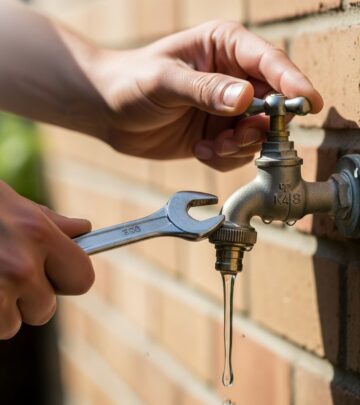
Using an adjustable wrench, carefully tighten the connection where the supply line meets the faucet body. Turn the wrench clockwise, applying steady pressure without over-tightening. Over-tightening can crack fittings or strip threads, creating larger leaks than the original problem.
If tightening doesn’t stop the leak, remove the connection completely. Inspect the washer inside the connection for damage or deterioration. Replace the washer if necessary, and consider wrapping plumber’s tape around the male threads before reconnecting. This tape creates a watertight seal that prevents leaks at threaded connections.
Reassembling Your Faucet System
With repairs completed, carefully reassemble the faucet in reverse order of disassembly. Lay all components on a clean surface in the sequence they’ll be installed. Begin by inserting the repaired or replaced cartridge, ensuring proper alignment with any orientation marks or notches.
Position the trim ring over the valve assembly and secure it with screws if applicable. Attach the handle to the valve stem, making sure it points in the correct direction for your preferred water adjustment. Install the decorative cap or index button over the handle screw, snapping it firmly into place.
Check that all connections are hand-tight and properly seated. Take care not to over-tighten any fasteners, as this can cause damage. If any components don’t fit together smoothly, stop and investigate rather than forcing them, which could crack parts or misalign components.
Testing Your Repair and Checking for Leaks
Before considering your repair complete, perform thorough testing. Turn the water supply valve counterclockwise to restore water flow to your shower. Turn on the shower and observe how water flows from the showerhead. Check the water temperature control to ensure both hot and cold water functions correctly.
Inspect all connections, the handle, the trim ring, and around the faucet body for any signs of dripping or water spray. Look for water running down the wall behind the faucet or pooling on the tub surface. These observations indicate whether your repair successfully stopped the leak or whether additional work is needed.
Let the water run for several minutes, then turn it off. Watch the showerhead for drips over the next few minutes. A properly functioning faucet should stop dripping within a few seconds of shutting off the water. Ongoing drips suggest the repair didn’t fully resolve the problem.
Monitor your faucet over the next few days, checking for any signs of leaking. Sometimes issues don’t become apparent until the new components have been used several times. If leaks persist, repeat the disassembly process and investigate whether components are properly aligned or whether additional parts require replacement.
When to Call a Professional Plumber
While many shower faucet repairs are manageable DIY projects, certain situations warrant professional assistance. If you encounter corroded or seized components that won’t budge despite applying penetrating oil, a plumber has specialized tools to extract them safely. If you discover structural damage inside the wall behind your faucet, such as rotted wood or mold growth, professional assessment is necessary.
If your shower faucet uses a unique or high-end valve system you’re unfamiliar with, consulting the manufacturer’s instructions or contacting a plumber ensures proper repair without risking further damage. Some faucet designs require specialized tools or knowledge that justifies professional service.
Frequently Asked Questions
- How long does a typical shower faucet repair take?
- Most repairs take between 30 minutes to two hours, depending on your experience level and whether components are stuck or corroded. Your first repair may take longer as you become familiar with your specific faucet design.
- Can I repair my faucet without turning off the water?
- No, working on plumbing without shutting off the water risks damaging your home and getting soaked. Always shut off the water supply before beginning any repair work.
- What if I can’t find my water shut-off valve?
- Check near the water meter, in the basement or crawl space, or near the point where the water line enters your home. If you still can’t locate it, contact your water utility company or a plumber for assistance.
- How do I know what replacement parts to buy?
- Check your faucet for the manufacturer name, usually displayed near the base or on a label. Search online for that brand and your faucet style to find compatible replacement cartridges, washers, and O-rings.
- Is plumber’s tape necessary for all connections?
- Plumber’s tape is recommended for threaded connections to create watertight seals. Using it prevents leaks and makes future repairs easier. It’s inexpensive and takes only seconds to apply.
Preventive Maintenance Tips for Long-Term Function
Extending your faucet’s lifespan requires minimal maintenance. Periodically check connections for tightness and address small drips immediately before they become major problems. Hard water deposits can accumulate in showerheads, reducing water flow and stressing internal components. Clean your showerhead regularly by soaking it in vinegar overnight to dissolve mineral deposits.
Avoid slamming the handle forcefully when turning off the water, as sudden pressure changes stress internal components. Teach family members to turn the handle gently and gradually. If you notice temperature fluctuations or difficulty adjusting water temperature, these indicate cartridge wear and warrant prompt replacement before a full leak develops.
References
- Residential Water Use in the United States — U.S. Environmental Protection Agency. 2024. https://www.epa.gov/watersense/residential-water-use-united-states
- Step-by-Step Guide to Faucet Shower Repair — Hansen’s Plumbing. https://hansensplumbing.com/blog/step-by-step-guide-to-faucet-shower-repair/
Similar Articles


Read full bio of medha deb