DIY Solar Mini Christmas Lights: Convert Minis For Under $30
Transform everyday mini Christmas lights into eco-friendly solar-powered displays with this comprehensive step-by-step tutorial for sustainable holiday lighting.
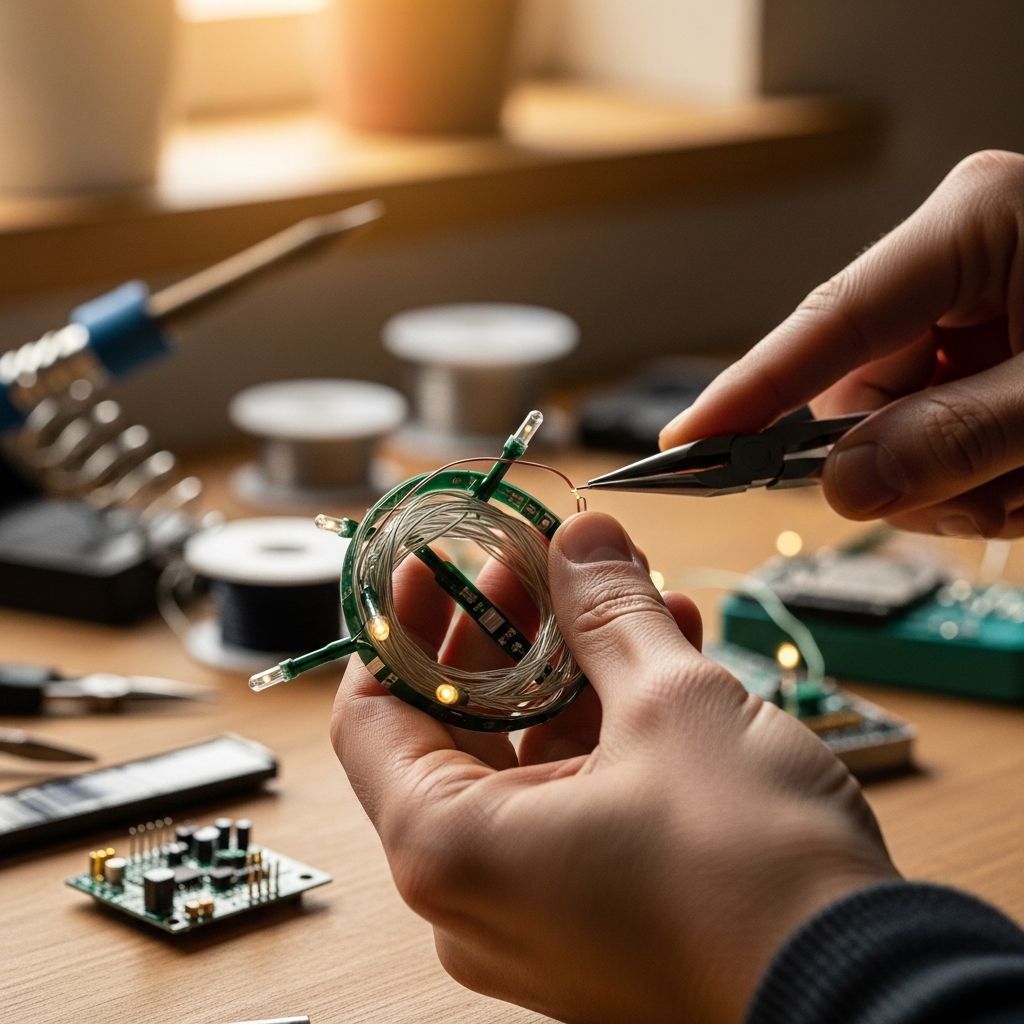
DIY Solar Mini Christmas Lights Guide
Converting battery-powered mini Christmas lights to run on solar energy offers a smart way to create stunning, sustainable holiday displays without relying on grid electricity or extension cords. This approach not only cuts energy costs but also enhances environmental friendliness, making it ideal for outdoor decorations like trees, fences, and rooftops.
Why Switch to Solar-Powered Holiday Lighting?
Solar-powered lights harness sunlight to charge batteries during the day, automatically illuminating at dusk for hours of festive glow. Traditional setups often require plugging into outlets, posing tripping hazards and high bills during peak holiday use. Solar conversions eliminate these issues, providing reliable performance in remote areas.
- Cost Savings: No electricity fees after initial setup.
- Eco Benefits: Reduces carbon footprint with renewable energy.
- Convenience: Automatic on/off via light sensors or timers.
- Versatility: Perfect for hard-to-reach spots without power access.
With basic tools and parts costing under $30, anyone can achieve professional results. Projects like these have gained popularity, as seen in community DIY videos where creators repurpose existing strings for year-round use.
Gathering Essential Materials and Tools
Selecting compatible components ensures safe, efficient operation. Focus on weather-resistant items rated for outdoor exposure to withstand rain, snow, and temperature swings.
| Category | Item | Specifications | Purpose |
|---|---|---|---|
| Power Source | Solar Panel | 6-12V, 5-10W output | Charges battery in sunlight |
| Storage | Rechargeable Battery | 3x AA NiMH or 18650 Li-ion (4.8-7.4V) | Powers lights at night |
| Control | Charge Controller | TP4056 or similar with BMS | Prevents overcharge/discharge |
| Connection | Wires & Connectors | UV-resistant 22-18 AWG, DC jacks | Secure, weatherproof links |
| Enclosure | Waterproof Box | IP65-rated plastic/metal | Protects electronics |
| Tools | Multimeter, Soldering Iron | Digital display, 30-60W | Testing & permanent joints |
Additional items like heat shrink tubing, zip ties, silicone sealant, and a drill facilitate assembly. Source panels from reputable electronics suppliers for optimal efficiency.
Planning Your Solar Lights Voltage and Capacity
Mini lights typically operate on 4.5V (3x AA batteries). Match your solar setup to this: a 6V panel charges a 4.8V NiMH pack effectively. Use a multimeter to confirm your lights’ requirements—measure voltage across battery terminals when powered.
- Panel sizing: Aim for 1.5x lights’ power draw for cloudy days.
- Battery capacity: 2000mAh+ sustains 6-8 hours of glow.
- Controller match: Must handle input voltage without voltage drop.
For longer strings (50+ bulbs), parallel wiring prevents dimming. Test draw: most mini sets use 100-300mA.
Step-by-Step Assembly Instructions
Step 1: Disassemble and Prepare the Lights
Open the battery compartment of your mini lights set. Identify positive (+) and negative (-) pads on the PCB where batteries connect. These are usually labeled or visible near spring contacts.
- Carefully desolder or cut original battery wires if present.
- Drill a small exit hole (4-6mm) in the compartment for new wiring.
- Solder 22AWG wires to PCB pads: red to +, black to -.
- Add a 100uF capacitor across pads to stabilize the control IC against power glitches.
Test by connecting to fresh batteries—lights should function with timer modes intact.
Step 2: Build the Solar Charging Circuit
The heart of your system is the charge controller paired with a battery management system (BMS). This duo regulates charging and protects against deep discharge.
- Mount controller and BMS in a ventilated enclosure.
- Solder solar panel wires to controller input: red +, black -.
- Connect battery holder to BMS inputs, then BMS outputs to controller battery terminals.
- Attach output from controller to a DC jack for lights connection.
Include a switch for manual override. Verify polarity with multimeter before powering up.
Step 3: Construct a Sturdy Mounting Stand
For ground or post installation, create a stable base using wood, PVC, or 3D-printed parts.
- Base plate: 6×6 inch square with bolt holes.
- Pole: 1-inch PVC pipe, 2-3ft tall.
- Panel bracket: Adjustable angle (30-45°) for optimal sun capture.
Secure with M4-M6 bolts and nuts. Route wires through conduit to prevent snags.
Step 4: Integrate and Weatherproof Everything
Combine lights cable to DC jack. Seal all entries with silicone. Use zip ties for strain relief.
- Insert battery into holder.
- Close enclosure, test charging in sun.
- Mount panel high, lights draped securely.
Full daylight charge takes 4-6 hours; expect 8+ hours runtime.
Safety Precautions and Best Practices
Prioritize safety to avoid fires or failures.
- Electrical Checks: Always disconnect power before soldering.
- Outdoor Rating: Use IP65+ components; apply dielectric grease on contacts.
- Overload Prevention: Fuse outputs at 500mA.
- Child/Pet Proof: Elevate enclosures, use tamper-resistant screws.
Wear safety glasses during drilling/soldering. Dispose of old batteries responsibly.
Optimizing Performance for Different Seasons
Winter shortens days, so oversize panels by 20%. Clean panels weekly. In summer, add shading if overheating occurs.
| Season | Tip | Expected Runtime |
|---|---|---|
| Summer | 45° tilt, full sun | 10-12 hours |
| Winter | 60° tilt, snow removal | 6-8 hours |
| Cloudy | Backup USB charge port | 4-6 hours |
Monitor with a cheap voltage display for early issue detection.
Troubleshooting Common Problems
Dim lights? Check battery charge or loose connections. No auto-on? Verify sensor or add external photocell.
- Panel not charging: Test output voltage >5V in sun.
- Lights flicker: Bigger capacitor or thicker wires.
- Battery drains fast: Faulty BMS—replace unit.
Log performance over first week to refine setup.
Advanced Modifications for Enhanced Features
Upgrade with a microcontroller like Arduino for custom patterns. Add multiple panels in parallel for brighter displays. Integrate smart apps via Bluetooth modules for remote control.
- RGB LEDs: Swap minis for color-changing efficiency.
- MPPT Controller: Boosts charge by 20-30%.
- Wind Hybrid: Pair with small turbine for all-weather power.
Cost Analysis and Long-Term Savings
Initial outlay: $20-40. Compare to $10/year grid power for 100 lights—ROI in 2 seasons. Panels last 10+ years, batteries 3-5.
FAQs
Can I use this on incandescent minis?
LED minis preferred for low draw (under 300mA). Incandescents need bigger batteries/panels.
How many hours will it run?
6-12 hours typical, based on sun exposure and capacity.
Is soldering required?
Recommended for reliability; screw terminals work for prototypes.
What if it rains a lot?
Weatherproof fully; expect 50% less charge on overcast days.
Can I scale for whole house?
Yes—parallel multiple units, total under 50W easy.
References
- DIY Solar Christmas Lights! Transform Battery-Powered — YouTube (Maker Giovanni). 2023-12-01. https://www.youtube.com/watch?v=Jev4_OnWnbo
- Solar-Powered Christmas Lights: Power Your Holiday Magic — Residential Solar Panels. 2024-11-15. https://www.residentialsolarpanels.org/uncategorized/solar-powered-christmas-lights-power-your-holiday-magic-without-the-electric-bill/
- Make Your Own Solar Powered Led String Lights — Instructables. 2023-10-20. https://www.instructables.com/Make-your-own-solar-powered-led-string-lights-/
- How to convert battery or solar powered lights to low voltage — YouTube (DIY Perks). 2024-01-10. https://www.youtube.com/watch?v=xSZn4bIsc8I
- Xmas lights — DIY Solar Power Forum. 2025-06-12. https://diysolarforum.com/threads/xmas-lights.73046/
Similar Articles








Read full bio of medha deb