DIY Tips to Repel and Prevent Box Elder Bugs and Ladybugs
Learn effective DIY strategies to keep box elder bugs and ladybugs out of your home this season.
As the weather turns cooler and autumn approaches, many homeowners find themselves dealing with an influx of unwelcome insects seeking shelter indoors. Two of the most common fall invaders are box elder bugs and Asian lady beetles, often mistaken for the harmless ladybug. While these pests may seem harmless, they can cause significant frustration with their presence, odors, and potential staining. Understanding how to identify, prevent, and safely remove these seasonal pests is essential for maintaining a comfortable home environment throughout the colder months.
Understanding Box Elder Bugs and Ladybugs
Before tackling prevention and removal strategies, it’s important to understand exactly what you’re dealing with. Box elder bugs and Asian lady beetles are two distinct species with different characteristics and behaviors, yet they’re often confused by homeowners.
What Are Box Elder Bugs?
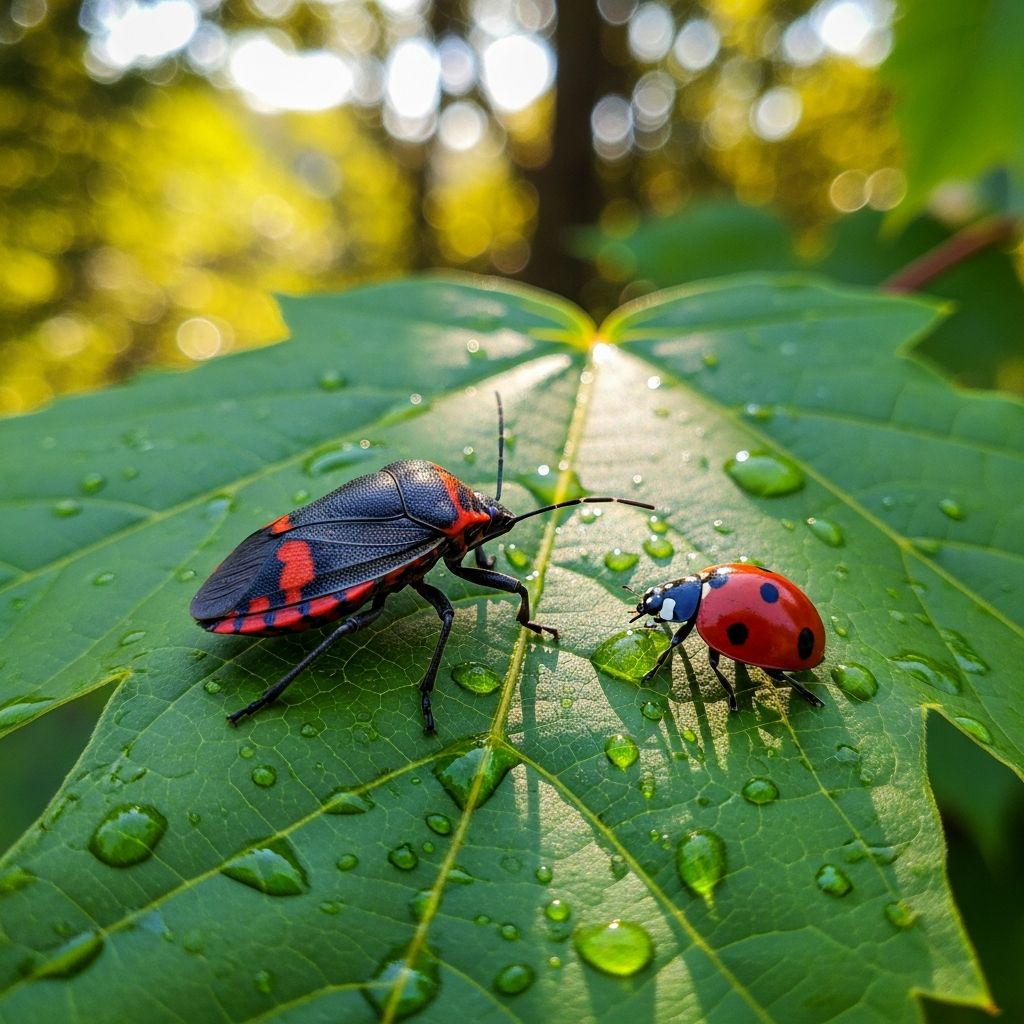
Box elder bugs are small insects measuring approximately half an inch in length. They have distinctive black bodies with reddish-orange markings, creating a recognizable pattern. These flat-bodied insects get their name from the box elder tree, which is one of their preferred outdoor habitats, along with silver maple trees. During the warmer months, box elder bugs thrive outdoors, feeding on seeds and plant materials. However, when fall arrives and temperatures begin to drop, these insects seek warm shelter indoors. While box elder bugs don’t pose a structural threat to your home and won’t reproduce inside, their presence can still be problematic. When crushed or threatened, they release secretions that can stain fabrics, furniture, and walls, leaving unsightly marks that are difficult to remove.
What Are Asian Lady Beetles?
Asian lady beetles are frequently mistaken for the common ladybug due to their similar appearance, but they are a distinct species altogether. These insects have red-orange bodies with spots, though not all individuals are spotted. A distinguishing feature is the characteristic M-shaped marking located behind their head, which helps differentiate them from native ladybugs. Unlike box elder bugs, Asian lady beetles can become problematic in ways beyond just their presence. They tend to cluster together in large groups, release a foul-smelling odor when threatened, and can actually bite. Additionally, they secrete a yellowish liquid that may cause allergic reactions or skin irritation in sensitive individuals. These beetles are more aggressive than box elder bugs and require careful handling during removal.
Why These Pests Invade Your Home in Fall
Understanding the motivation behind these seasonal invasions can help you better prepare your home for protection. As summer transitions to fall, the natural food sources for these insects become scarcer, and more importantly, temperatures begin to decline significantly. Box elder bugs and Asian lady beetles enter a dormant state called diapause, which is similar to hibernation in mammals. This physiological process allows them to survive through the harsh winter months with minimal metabolic activity.
These insects instinctively seek warm, protected spaces to spend the winter safely. Your home represents an ideal shelter—it’s warm, protected from the elements, and provides stable conditions throughout the winter season. During the late summer and early fall, you’ll often notice these pests gathering on sunny, south-facing walls of buildings. This behavior is part of their pre-hibernation preparation. They congregate in these warm areas before finding their way inside through any available openings. Once they’ve gained entry, they settle into protected areas such as wall voids, attic spaces, and other concealed locations where they’ll remain dormant until spring temperatures rise, at which point they may become active again and venture back into your living spaces before ultimately returning outdoors.
Identifying Signs of Infestation
Recognizing the early warning signs of box elder bugs and Asian lady beetle infestations allows you to take preventative action before the problem becomes severe. Look for the following indicators:
- Clusters of insects gathering on sunny, south-facing exterior walls during late summer and early fall
- Small gaps, cracks, or entry points around windows, doors, and foundation areas
- Unpleasant odors, particularly when insects are disturbed or crushed
- Staining on fabrics, walls, or furniture from insect secretions
- Large congregations of insects in attic spaces, wall voids, or other protected interior areas
- Insects appearing in living spaces during warmer days throughout winter
Prevention: Your First Line of Defense
The most effective and cost-efficient approach to dealing with box elder bugs and Asian lady beetles is prevention. By taking proactive steps to seal entry points and eliminate attractive conditions around your home, you can significantly reduce the likelihood of infestation. Prevention is far more effective than attempting removal after pests have already established themselves indoors.
Sealing Entry Points
The primary goal of prevention is to deny these insects access to your home’s interior. Conduct a thorough inspection of your home’s exterior, paying special attention to areas where utilities, pipes, and wires enter the building. Seal cracks and crevices around doors, windows, and utility lines using high-quality caulk or weatherproofing sealant. Check door frames, window frames, and the foundation for any gaps or openings. Even small openings can serve as entry points for these determined insects.
Maintaining Weather Stripping and Door Sweeps
Weather stripping and door sweeps deteriorate over time, creating gaps that allow insects to slip through. Regularly inspect these components and replace worn-out materials immediately. Ensure that door sweeps fit snugly against the floor or threshold to eliminate gaps underneath doors. This simple maintenance task can prevent numerous pests from gaining entry.
Repairing Structural Vulnerabilities
Inspect your home’s exterior for damaged siding, gaps in soffits, and openings in attic vents. These areas can serve as major entry points for seasonal pests. Repair damaged window and door screens, as torn screens provide easy access. Additionally, ensure that any openings in your home’s envelope are properly sealed or screened.
Outdoor Environmental Modifications
Reduce the attractiveness of your home’s immediate surroundings to these pests by removing conditions that encourage them to congregate near your property. Remove or relocate leaf piles, firewood stacks, and debris piles away from your home’s foundation. These materials provide shelter where insects congregate before seeking entry indoors. Trim tree branches that hang near or touch your roof, as these can serve as pathways to entry points.
Lighting Considerations
Many insects, including box elder bugs and Asian lady beetles, are attracted to outdoor lighting. Consider replacing traditional outdoor lights with yellow bug lights, which are less attractive to insects. Alternatively, install motion-activated lighting or reduce the use of outdoor lights during peak pest season.
Safe DIY Removal Techniques
Despite your best prevention efforts, some insects may still find their way inside. If you discover a few pests indoors, you can take several safe DIY approaches to remove them without causing damage or releasing their defensive odors.
Vacuuming
Vacuuming is one of the safest and most effective methods for removing individual insects or small clusters. Use your household vacuum to carefully collect the insects. The key to this method is to immediately empty the vacuum bag or canister outside your home, ideally far from windows and entry points. This prevents the insects from escaping back into your home and also avoids releasing odors inside.
Soap Solution Spray
For clusters of insects, prepare a simple spray solution using water and dish soap. Mix a few drops of liquid dish soap with water in a spray bottle to create a mild insecticidal solution. Spray this solution directly onto clusters of insects. The soap interferes with the insects’ protective coating, causing them to dehydrate. This method is non-toxic and safe for use around your home.
Natural Repellents
Essential oils and vinegar can serve as natural repellents for box elder bugs and Asian lady beetles. Peppermint oil, clove oil, and citrus-based essential oils are known to deter these insects. Mix a few drops of essential oil with water and spray around areas where insects congregate. Similarly, vinegar solutions can be effective repellents. These natural alternatives are safer than harsh chemical pesticides and don’t introduce toxic compounds into your home.
Important Precautions
When removing these insects, avoid crushing them, as this releases their defensive odors and secretions that can stain surfaces and create unpleasant smells throughout your home. Never handle Asian lady beetles with bare hands if you have sensitive skin, as their secretions can cause allergic reactions or irritation. When removing insects from your home, use gentle methods that contain or contain the insects before disposal.
Comparison of Prevention and Removal Methods
| Method | Effectiveness | Cost | Difficulty Level | Best Use |
|---|---|---|---|---|
| Sealing Entry Points | Very High | Low to Moderate | Moderate | Prevention |
| Weather Stripping Replacement | High | Low | Easy | Prevention |
| Vacuuming Insects | Moderate | None | Easy | Removal of Small Numbers |
| Soap Solution Spray | Moderate | Very Low | Easy | Removal of Clusters |
| Essential Oil Repellents | Low to Moderate | Low | Easy | Supplemental Deterrent |
| Removing Outdoor Debris | High | None | Easy | Prevention |
When to Consider Professional Help
While DIY methods can be effective for minor infestations, certain situations warrant professional pest control intervention. If you discover large numbers of insects in your attic or wall voids, or if your DIY prevention efforts prove insufficient, professional pest control services have access to specialized tools and treatments that reach hidden pest populations. Professional services can provide long-lasting solutions and create protective barriers that DIY approaches cannot match.
Creating a Year-Round Protection Plan
The most successful approach to managing box elder bugs and Asian lady beetles involves creating a comprehensive, year-round strategy. Begin prevention efforts in late summer before insects start seeking shelter. Schedule a thorough home inspection in mid-to-late August to identify and seal potential entry points. Maintain weather stripping and door sweeps throughout the year. Monitor your home during fall for any signs of insect activity, and address problems immediately before they escalate. This proactive approach costs less than treating an established infestation and provides peace of mind throughout the colder months.
Frequently Asked Questions
Q: Are box elder bugs and ladybugs the same thing?
A: No, box elder bugs and Asian lady beetles are different species. Box elder bugs are black with reddish-orange markings, while Asian lady beetles have red-orange bodies with an M-shaped marking behind the head. Native ladybugs are smaller and don’t cluster in large groups like Asian lady beetles do.
Q: Can box elder bugs and Asian lady beetles damage my home?
A: These insects won’t cause structural damage or reproduce indoors. However, their secretions can stain fabrics and walls, and Asian lady beetles can bite or cause allergic reactions. They can create unpleasant odors when crushed.
Q: What is the best time to prevent these pests from entering my home?
A: Late summer and early fall are the ideal times for prevention. Begin sealing entry points and removing outdoor debris in August and September, before insects begin actively seeking shelter indoors.
Q: Is it safe to crush these insects?
A: No, crushing these insects releases their defensive secretions, which can create unpleasant odors and stain surfaces. Additionally, for Asian lady beetles, the secretions can cause allergic reactions or skin irritation.
Q: Can essential oils really repel these insects?
A: Essential oils like peppermint and clove can serve as deterrents and may help reduce insect activity when used as part of a comprehensive prevention strategy. However, they’re most effective when combined with physical barriers like sealed entry points.
Q: What should I do if I find a large cluster of insects in my attic?
A: For large infestations in hidden spaces, professional pest control services are recommended. They have specialized equipment and treatments to reach insects in wall voids and attics safely and effectively.
References
- Fall Pest Prevention Guide: Stink Bugs, Asian Lady Beetles & Boxelder Bugs — All American Pest Control. 2025. https://www.allamericanpestcontrol.com/blog/post/fall-pest-prevention-guide-stink-bugs-asian-lady-beetles-boxelder-bugs
- Boxelder Bug Identification and Management — University of Minnesota Extension. 2024. https://extension.umn.edu/ask-master-gardener/what-boxelder-bugs
- Asian Lady Beetles: Identification and Control — Penn State College of Agricultural Sciences. 2023. https://extension.psu.edu/asian-lady-beetles-identification-and-control
- Home Sealing and Weatherization Guide — U.S. Environmental Protection Agency. 2024. https://www.epa.gov/weatherization/weatherization-assistance-program
Similar Articles



Read full bio of medha deb