DIY Window Lock Upgrades: Simple Projects to Protect Your Home
Affordable, easy-to-install window locks that boost home security in a weekend.
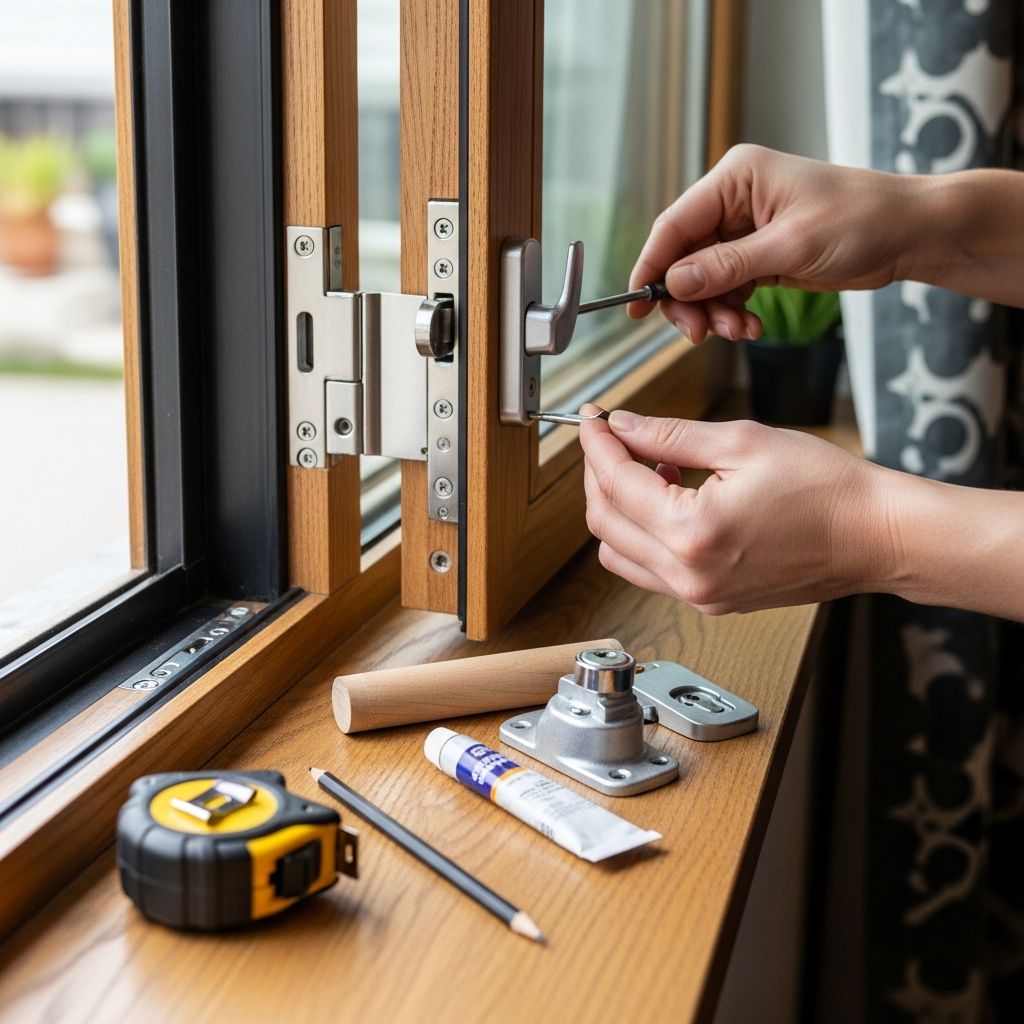
Windows are among the most common entry points for burglars, yet many homes still rely on basic factory-installed latches that offer minimal resistance to forced entry. Strengthening your window locks with a few simple DIY projects can dramatically improve home safety without the cost of a full security system.
Why Window Locks Matter More Than You Think
Many intruders look for quick, low-effort opportunities, and a weak or loose latch makes a window an easy target. Improving your window locks increases the time, noise, and effort required to break in, which often causes would-be burglars to move on.
Good locks also help keep children safe by limiting how far a window can open, reducing the risk of falls from upper stories. Thoughtful upgrades let you combine security, safety, and ventilation instead of having to choose between them.
Know Your Window Type Before You Start
The right lock depends heavily on how the window moves and how the frame is built. Before choosing any hardware, walk through your home and make a quick inventory of window styles and any existing locks.
- Single-hung windows: Bottom sash moves up and down, top sash is fixed.
- Double-hung windows: Both sashes move up and down to allow flexible airflow.
- Sliding windows: Sashes slide horizontally in tracks, similar to a patio door.
- Casement and awning windows: Hinged and operated with a crank or handle.
- Basement hopper windows: Typically hinge at the bottom and tilt inward.
This quick audit helps you match each window to a lock style that actually works with the way it opens, rather than trying to force a one-size-fits-all solution.
Basic Tools and Safety Checklist
Most DIY window lock projects can be completed with basic hand tools and a little patience. Gather your tools before starting so you are not tempted to skip steps or improvise unsafe workarounds.
- Drill with small wood or metal bits (check manufacturer recommendations).
- Screwdrivers (both Phillips and flat-head).
- Measuring tape and pencil for accurate hole placement.
- Safety glasses and work gloves.
- Vacuum or small brush to clean up drill shavings.
Always avoid drilling into glass, and stay clear of any visible electrical wiring or alarm sensors mounted near the frame. When in doubt, consult a professional before modifying structural components.
Simple Lock Options for Common Windows
Below is an overview of easy-to-install locks you can add to typical residential windows. These options favor simplicity, affordability, and DIY-friendly installation while still providing a real boost in security.
| Lock Type | Best For | Security Level | DIY Difficulty |
|---|---|---|---|
| Upgraded sash latch | Single- and double-hung windows | Basic to moderate | Easy |
| Track clamp lock | Sliding windows and doors | Moderate | Easy |
| Pin-style lock | Hung and sliding windows | Moderate to high | Moderate |
| Hinged wedge / limiter | Double-hung and some sliders | Moderate | Easy to moderate |
| Adjustable cable or latch | Mixed window types, ventilation control | Moderate | Moderate |
Project 1: Reinforce a Loose Sash Lock
Many older hung windows still rely on a flimsy factory latch that barely pulls the sashes together. Tightening or upgrading that lock is often the simplest way to reduce rattling and make it harder to pry open the window from outside.
Materials You Will Need
- Replacement sash lock or heavy-duty latch compatible with your window style.
- Wood screws supplied with the new lock.
- Wood filler or toothpicks for stripped screw holes (if needed).
Step-by-Step Overview
- Close and lock the existing latch, then check how tightly the sashes meet in the middle.
- Remove the old lock and inspect the screw holes for damage or stripping.
- Fill any loose holes with wood filler or small wood shims and allow them to cure.
- Mark and pre-drill new pilot holes for the replacement latch base.
- Secure the new lock with the supplied screws, then test for smooth locking and unlocking.
If your window frame is damaged, no lock alone will solve the problem. In those cases, consider reinforcing or repairing the frame before investing in upgraded hardware.
Project 2: Add a DIY Track Lock to Sliding Windows
Sliding windows and patio doors are often targeted because a simple lift or shove can bypass a weak latch. A track-mounted lock that clamps onto the rail and blocks movement is an inexpensive way to make these openings much more resistant to forced entry.
Why Track Locks Work Well
- They physically block the sash from sliding past a certain point.
- Most styles require no drilling and can be repositioned for partial ventilation.
- Installation usually takes just a few minutes with a screwdriver or Allen key.
Installing a Clamp-Style Track Lock
- Clean the window track thoroughly to remove dust and debris that could interfere with the clamp.
- Place the lock on the track at the desired position (fully closed or slightly open for airflow).
- Tighten the locking screw or bolt until the device grips the track firmly but does not distort it.
- Attempt to slide the window to confirm the sash meets the lock and cannot move past it.
- Mark a secondary preferred ventilation position if you plan to move the lock regularly.
For an ultra-low-cost option, some homeowners use a cut piece of wooden dowel placed in the lower track. While this can be effective, a purpose-made lock is more adjustable and often more secure.
Project 3: Use Pin Locks for Extra Security
Pin-style locks rely on a solid metal pin or bolt that passes through aligned holes in the sash and frame to block movement. When properly installed, they provide a strong mechanical barrier that is difficult to defeat quietly.
Where Pin Locks Work Best
- Double-hung windows: Prevent the lower sash from being raised more than a safe amount.
- Single-hung windows: Lock the moving sash in the fully closed position.
- Sliding windows: Stop the active panel from traveling along the track.
Basic Installation Approach
- Close the window fully and mark a spot where both parts of the frame overlap.
- Use a small drill bit to create a straight pilot hole through the sash into the frame or adjacent track.
- Test-fit the pin to ensure it slides smoothly and fully seats in the hole.
- Add any provided retaining chain or cable so the pin does not get lost when removed.
- Optionally, mark a second set of holes that allow limited opening for ventilation while remaining locked.
Remember that any device that locks the window closed can slow down emergency escape. For bedrooms and key egress paths, choose designs that are fast and intuitive to release from inside.
Project 4: Child-Safe Limiters and Vent Stops
Child-safety locks focus less on deterring burglars and more on preventing accidental falls and injuries. They restrict how far a sash can open while still allowing some airflow into the room.
Popular Child-Safety Approaches
- Hinged wedges: Attach to the sash and pivot into place to stop movement past a set point.
- Spring-loaded vent stops: Sit inside the track and engage when the sash reaches them.
- Cable restrictors: Connect frame and sash with a short cable that limits travel.
Installation Considerations
- Decide how wide the window should open at maximum for safe ventilation.
- Mount the limiter according to the manufacturer’s guidelines, usually with small screws into the vinyl or wood track.
- Test the mechanism repeatedly to ensure an older child cannot easily bypass it.
- Make sure at least one window in each bedroom can still open wide enough for emergency exit.
The goal is to balance fall prevention with fire safety, so never rely on a complex or hidden release method where fast escape might be needed.
Project 5: Simple Upgrades for Casement and Awning Windows
Crank-operated windows are often more secure out of the box, but worn hardware or loose closing action can create gaps that compromise both security and energy efficiency. Tightening or replacing the locking mechanism restores a snug seal.
Typical Improvements
- Adjusting the strike plate so the lock pulls the sash tightly against the weatherstripping.
- Replacing worn folding handles that do not fully retract and latch.
- Adding a supplemental interior latch or small surface-mounted bolt as a backup.
Because these windows often open outward, exterior access is more limited for intruders, but interior locks still play a key role in keeping the sash firmly seated and resistant to prying.
Balancing Security, Ventilation, and Emergency Escape
A highly secure window that cannot open is not practical in real life. Good locking strategies let you ventilate your home while maintaining a meaningful level of protection and preserving code-compliant escape routes.
- Prioritize quick-release locks for bedrooms and primary escape paths.
- Use adjustable track locks or cable restrictors in living spaces where windows are often left slightly open.
- Reserve the most restrictive locks for rarely used windows, such as in storage rooms or basements.
Think about how your household uses each space and tailor the lock style to everyday behavior rather than aiming for a single rigid standard everywhere.
Extra Low-Cost Security Enhancements
Dedicated window locks are the core of a good security plan, but a few additional low-cost steps make your home even less appealing to intruders. These simple upgrades complement your new hardware without adding much complexity.
- Apply shatter-resistant film to vulnerable ground-floor windows.
- Add motion-activated lights near window-heavy sides of the house.
- Use window stickers indicating an alarm or monitored system, even if you rely mainly on physical locks.
- Trim bushes and shrubs that could conceal someone working at a window.
None of these steps alone can stop a determined intruder, but together they create a discouraging mix of effort, noise, and visibility.
Common Mistakes to Avoid
Even a sturdy lock can be undermined by poor installation or impractical placement. Paying attention to a few common pitfalls helps ensure your time and money actually deliver better security.
- Installing locks in warped or rotted frames that cannot hold screws securely.
- Blocking every bedroom window so thoroughly that fast escape in a fire becomes difficult.
- Using tiny or mismatched screws that strip out under pressure.
- Skipping regular tests to make sure locks have not loosened or gone out of alignment.
Take a few minutes twice a year to walk around your home, test each window, and retighten or adjust hardware as needed.
Maintenance Tips for Long-Lasting Locks
Once your new locks are installed, a little routine care keeps them operating smoothly and prevents corrosion or binding. This reduces frustration and increases the chances that everyone in the household actually uses them consistently.
- Wipe down hardware with a damp cloth periodically to remove dust and grime.
- Apply a light lubricant designed for locks to moving parts once or twice a year.
- Check for signs of rust, especially in humid or coastal environments, and replace compromised components.
- Teach all family members how each type of lock works so that nobody is tempted to disable or bypass them.
Consistent use matters just as much as the type of lock you choose, so prioritize user-friendly designs for everyday windows.
FAQs About DIY Window Locks
Do I need professional help to install window locks?
Most surface-mounted sash locks, track clamps, and basic pin locks are well within reach for a careful homeowner with simple tools. If your windows are unusually large, structurally damaged, or integrated with a full alarm system, consulting a professional is a safer choice.
Which windows should I secure first?
Start with easily accessible openings: ground-floor windows, those near porches or decks, and any window hidden by landscaping. After that, move on to basement and garage windows, then upper-floor windows that could be reached from a roof or balcony.
Can better locks help with energy efficiency?
Yes, locks that pull the sash tightly into the frame help compress weatherstripping and reduce drafts. While they are not a replacement for proper glazing and insulation, they can modestly improve comfort and reduce minor air leaks.
Are key-operated locks a good idea for bedrooms?
Keyed locks offer strong security but introduce the risk of a missing key in an emergency. In bedrooms and main escape routes, it is usually better to use non-keyed locks that are secure from the outside but quick to release from inside.
How often should I replace or upgrade window locks?
If your hardware is rusted, loose, or visibly damaged, replacement should be immediate. Otherwise, reassess your window security every few years or whenever you experience a break-in, move into a new home, or make major changes to your household or neighborhood security situation.
Upgrading window locks is one of the most cost-effective ways to strengthen home security. With a weekend of focused effort and a modest investment in hardware, you can turn fragile openings into well-protected, family-friendly features that support both comfort and peace of mind.
Similar Articles






Read full bio of medha deb