DIY Woodworking Projects for Beginners and Home Improvement
Master essential woodworking techniques with step-by-step DIY projects perfect for any skill level.
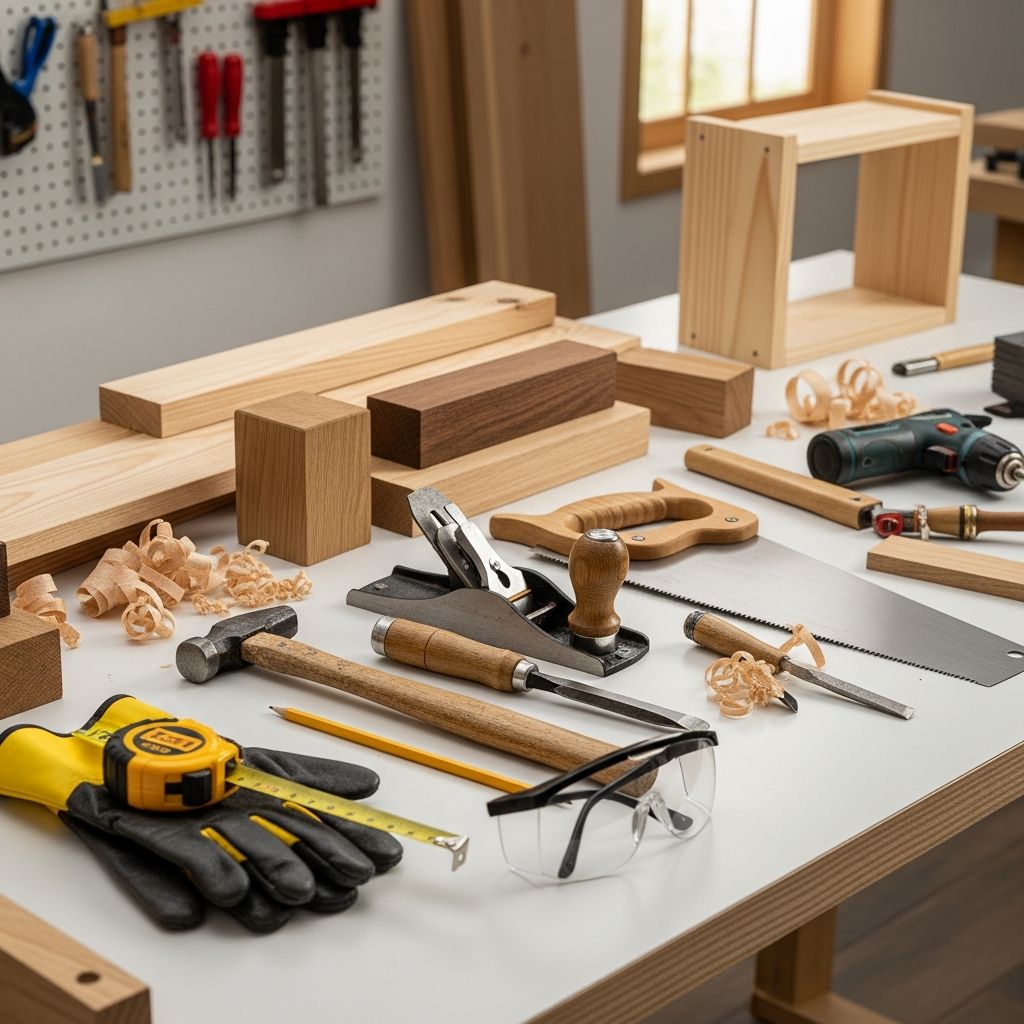
DIY Woodworking Projects: Create Beautiful Furniture at Home
Woodworking is a rewarding hobby that combines creativity with practical craftsmanship. Whether you’re a complete beginner or have some experience working with wood, these DIY woodworking projects offer accessible ways to create beautiful, functional pieces for your home. From elegant serving trays to sturdy stools, you’ll discover how to transform simple materials into impressive furniture that showcases your skills.
Getting Started with Woodworking Basics
Before diving into specific projects, it’s important to understand the fundamental principles of woodworking. The foundation of any successful project begins with proper wood preparation and selection. Many experienced woodworkers recommend sourcing reclaimed wood, such as old flooring materials, which adds character and sustainability to your creations. When selecting your wood, look for pieces that are structurally sound and free from significant damage, though minor imperfections often add charm to finished pieces.
Essential tools for beginner woodworking include a quality drill, saw, measuring tape, clamps, and sanders. Investing in proper safety equipment—such as safety glasses and dust masks—is equally important. Create a dedicated workspace where you can organize your materials and tools efficiently, ensuring a productive building environment.
Project One: The Classic Serving Tray
A handcrafted serving tray is an elegant project that combines functionality with aesthetic appeal. This intermediate-level project teaches you essential woodworking techniques while producing a piece you’ll use regularly for entertaining.
Materials and Tools Needed
- Reclaimed wood flooring or quality boards
- Wood glue
- Brad nails or clamps
- Saw
- Drill with bits
- Measuring tape
- Sanding equipment
- Countersink drill bit
- Wood stain or finish (optional)
Step-by-Step Instructions
Step 1: Prepare Your Wood Begin by selecting your wood pieces and cutting them to size. If using reclaimed flooring, you’ll need to remove the tongue and groove edges to create flat surfaces. Cut your pieces to the desired dimensions for your tray sides and bottom. A typical serving tray measures approximately 17 and one-sixteenth inches for the sides, allowing for proper proportions.
Step 2: Create the Bottom The tray bottom typically requires four pieces of wood glued and fastened together. Arrange these pieces to form your base, then apply wood glue along the joints. Secure the pieces using brad nails if you have a brad nailer available, or use clamps and allow the glue to dry if you prefer a more traditional approach. For those without specialized tools, duct tape can temporarily hold pieces while the glue sets.
Step 3: Sand and Smooth Once the glue is completely dry, sand all edges and surfaces to soften corners and eliminate splinters. This crucial step ensures your finished tray is both safe and comfortable to handle. Start with medium-grit sandpaper and progress to fine-grit for a smooth finish.
Step 4: Create the Frame Fashion the sides by drilling pilot holes and using screws to secure frame pieces together. Pre-drilling prevents wood splitting and ensures clean, professional-looking joints. Use appropriate screw lengths—typically two inches for frame assembly—to avoid penetration through the opposite side.
Step 5: Assembly and Finishing Attach the bottom to the frame using wood glue and countersunk screws. Fill the screw holes with wooden plugs for a refined appearance. Apply your chosen finish—whether stain, paint, or natural sealer—to protect the wood and enhance its beauty.
Project Two: The DIY Wooden Stool
A simple wooden stool serves as both practical seating and an attractive home accent. This project reinforces important woodworking skills including measuring, drilling, and assembly.
Materials Required
- Ash wood or hardwood for legs
- Wood for seat (reclaimed or new)
- Wood glue
- Screws (1.5 to 2 inches)
- Countersink drill bits
- Measuring tape
- Drill and driver
- Wooden plugs
Construction Process
Begin by creating two separate frames from your leg wood. Mark the center of each leg one inch from the edge on one side, drilling a countersink hole for your first set of fasteners. On the opposite side, mark three-quarters of an inch from the center and drill another countersink hole. This staggered hole pattern creates structural integrity and visual interest.
Assemble each frame by inserting pilot holes through the countersink holes and driving screws to secure the corners. Once both frames are complete, connect them using smaller connecting pieces positioned around all four sides. Finally, attach your seat piece using two-inch screws through the countersink holes, and cap the screw holes with wooden plugs for a finished appearance.
Project Three: Decorative Wood-Burned Cheese Board
For those interested in adding decorative elements to their woodworking, a wood-burned cheese board combines functionality with artistic expression. This project is perfect for holiday entertaining and gift-giving.
Materials and Tools
- Wood board (preferably hardwood)
- Wood-burning tool (pyrography pen)
- Design template or pattern
- Pencil for transferring design
- Sandpaper
- Wood stain or oil finish
Creating Your Design
Select a wood-burning tool appropriate for your desired design complexity. Sketch or transfer your chosen design onto the board surface using a pencil. Practice your technique on scrap wood before working on your final piece. Wood-burning requires a steady hand and patience, but the results create truly one-of-a-kind pieces suitable for holiday entertaining or personal use.
Essential Woodworking Techniques Every Beginner Should Master
Proper Measurement and Marking
Accurate measurements form the foundation of successful woodworking. Always measure twice and cut once. Use quality measuring tools and mark your measurements clearly before making any cuts. Consistency in measurements ensures proper fit and professional-looking results.
Drilling Pilot Holes
Drilling pilot holes before inserting screws prevents wood splitting and allows for easier fastening. Use an appropriate drill bit size for your screw diameter, and consider using countersink bits for a refined appearance where screw heads will be visible or covered with plugs.
Wood Joinery and Assembly
Strong joints require both mechanical fastening (screws or nails) and adhesive (wood glue). Apply glue evenly to mating surfaces, then secure with fasteners. Clamps hold pieces in proper alignment while glue cures, typically for 24 hours.
Sanding and Finishing
Progressive sanding with increasingly fine-grit sandpaper creates smooth surfaces and professional finishes. Sand with the grain direction to avoid cross-grain scratches. Complete finishing—whether staining, painting, or applying natural oils—protects your work and enhances its beauty.
Tools and Equipment Investment Guide
| Tool | Purpose | Essential for Beginners | Budget Range |
|---|---|---|---|
| Power Drill | Drilling holes and driving screws | Yes | $50-$150 |
| Circular Saw | Cutting wood to size | Yes | $75-$200 |
| Brad Nailer | Fastening thin materials | Optional | $100-$250 |
| Random Orbital Sander | Smoothing surfaces | Recommended | $60-$200 |
| Clamps (set of 4) | Holding pieces during assembly | Yes | $30-$100 |
| Wood-Burning Tool | Creating decorative designs | Optional | $25-$75 |
Tips for Success in Your Woodworking Journey
Choose Quality Materials: Invest in good wood that’s free from warping or excessive knots. Reclaimed wood adds character but requires careful inspection for hidden fasteners or damage.
Invest in Safety: Always wear appropriate safety gear including glasses, dust masks, and hearing protection when using power tools. A safe workshop is a productive workshop.
Practice on Scrap Wood: Before executing your final project, practice new techniques on leftover wood pieces. This builds confidence and prevents costly mistakes.
Follow Plans Carefully: Whether following online tutorials or published plans, precision in the early stages ensures professional results. Don’t rush through measurements and preparation.
Maintain Your Tools: Keep drill bits sharp, saw blades clean, and all equipment well-maintained. Proper tool maintenance ensures better results and safer operation.
Frequently Asked Questions About DIY Woodworking
Q: What type of wood is best for beginners?
A: Softwoods like pine and poplar are easier to work with initially, though reclaimed hardwoods add character. Avoid extremely hard woods until you’ve developed your skills.
Q: How long does wood glue typically take to cure?
A: Most wood glues cure within 24 hours, though clamping time varies. Check your specific product for exact curing times before moving or stressing joints.
Q: Can I use hand tools instead of power tools?
A: Absolutely. Hand tools require more physical effort and patience but are quieter, safer for beginners, and often more affordable. Many quality projects can be completed entirely with hand tools.
Q: What’s the best finish for food-contact surfaces?
A: Use food-safe finishes like mineral oil, beeswax, or polyurethane approved for food contact. Avoid toxic stains or paints on serving trays or cheese boards.
Q: How do I prevent wood from splitting when driving screws?
A: Always drill pilot holes before inserting screws. Pilot holes reduce pressure on the wood fibers and prevent splitting. Using appropriate screw sizes for your wood thickness also helps.
Q: What safety precautions are most important?
A: Wear safety glasses to protect from flying debris, use hearing protection around loud tools, and always remove loose clothing near rotating equipment. Maintain a clean workspace free of tripping hazards.
References
- Talkin’ Shop: 2 Simple Woodworking Projects — HGTV. 2019-01-21. https://www.youtube.com/watch?v=6_Til6IAb_A
- DIY Wood Burned Cheese Board — HGTV Happy. https://www.youtube.com/watch?v=2NNSoAq-QfA
- Occupational Safety and Health Standards for Woodworking — U.S. Department of Labor, Occupational Safety and Health Administration. https://www.osha.gov
Similar Articles








Read full bio of Sneha Tete