Draining A Toilet Bowl: 3 Fast, Safe Methods
Master the step-by-step process to safely drain your toilet bowl for repairs, cleaning, or clogs with proven DIY techniques.
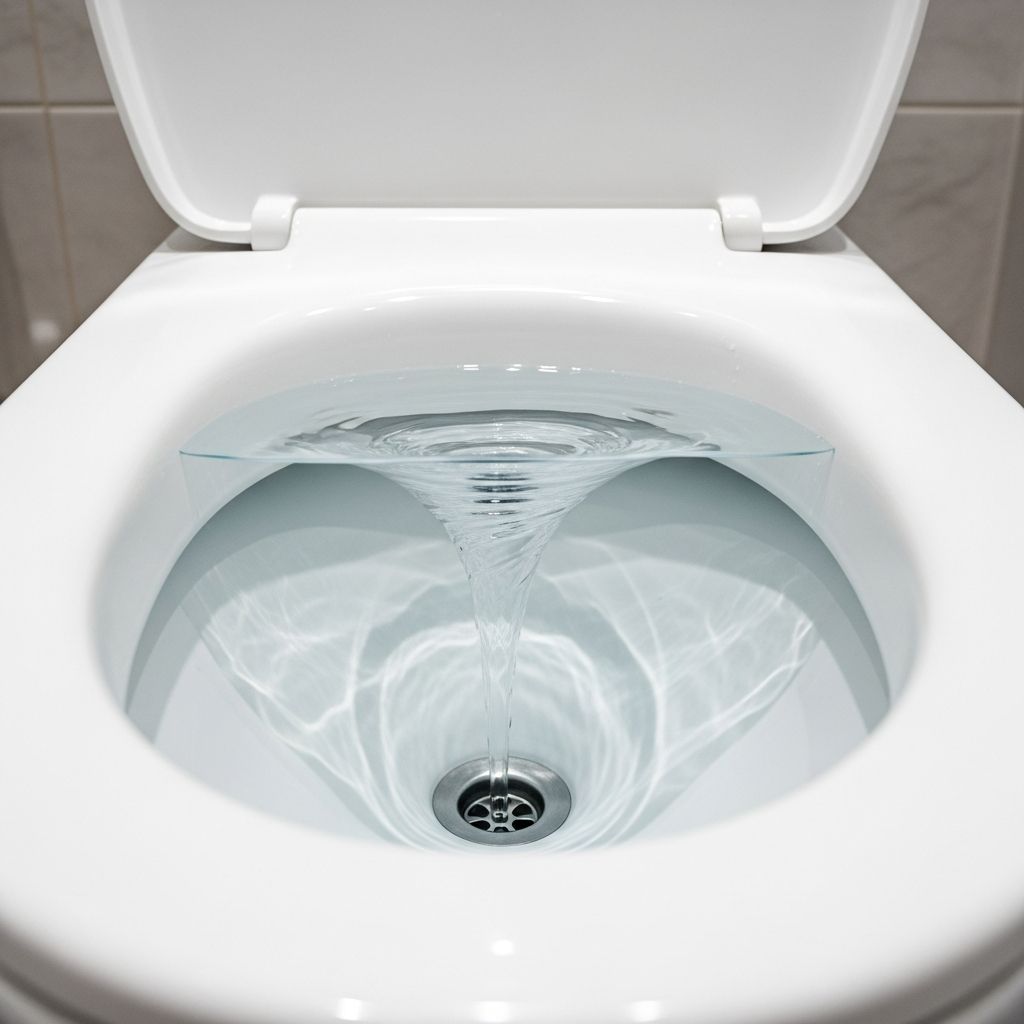
Draining a Toilet Bowl: Complete Guide
Emptying a toilet bowl is a fundamental plumbing task required for maintenance, deep cleaning, repairs, or resolving blockages. The process involves stopping water inflow, flushing out bulk liquid, and removing residual amounts trapped in the bowl’s trap. This guide provides detailed, safe methods using common tools to achieve a dry bowl without professional help.
Why You Need to Drain a Toilet Bowl
The standing water in a toilet bowl serves as a trap to block sewer gases from entering your home, but it must be removed for certain jobs. Common scenarios include replacing parts like flappers or fill valves, performing a thorough sanitize, fixing cracks in the porcelain, or clearing persistent clogs that resist plunging. Draining prevents splashes, overflows, and contamination during work. Always prioritize safety by wearing rubber gloves, protective eyewear, and old clothing to handle potentially hazardous wastewater.
Essential Tools and Materials
Gather these items before starting to ensure a smooth process:
- Large bucket (2-5 gallons) for collecting water
- Rubber gloves and disinfectants like bleach solution
- Sponge, rags, or absorbent towels
- Small cup, ladle, or turkey baster for scooping
- Wet/dry shop vacuum (preferred for efficiency)
- Garden hose or siphon hose (for alternative suction)
- Plastic sheeting to protect floors
- Bucket of clean water and soap for tool cleaning
A wet/dry vacuum stands out as the quickest option, sucking up water from even the curved trap areas where liquid lingers.
Step-by-Step: Basic Draining Process
1. Shut Off the Water Supply
Locate the shutoff valve behind the toilet, typically a knob on the wall or floor connected to the supply line. Turn it clockwise until tight—confirm no water refills the tank by listening for silence. If the valve sticks, apply penetrating oil and wait briefly before retrying. This critical first step avoids endless refilling and potential floods.
2. Flush to Remove Bulk Water
Press and hold the flush handle or button to empty the tank into the bowl, forcing most water down the drain. In dual-flush models, use the full flush for maximum drainage. The bowl’s S-bend (trap) will retain some water, which is expected and necessary for gas sealing post-task.
3. Manually Extract Remaining Water
Scoop visible water with a cup into your bucket, working from the edges inward. Follow with a sponge: submerge, squeeze into the bucket, and repeat until the bowl is nearly dry. For the deepest trap water, use a turkey baster or small scoop. Dispose of wastewater outside or in a utility sink, never back into another drain to avoid spreading contaminants.
Advanced Techniques for Complete Drainage
For stubborn residue or larger jobs, elevate your approach with these proven methods.
Wet/Dry Vacuum Method
Switch the vacuum to wet mode with the appropriate filter. Insert the hose into the bowl, focusing on the drain hole and trap curves. It removes 100% of water in seconds, ideal for professionals and DIYers alike. Clean the vacuum thoroughly afterward to prevent bacterial growth. Rent one from hardware stores if you lack ownership.
Siphon Hose Technique
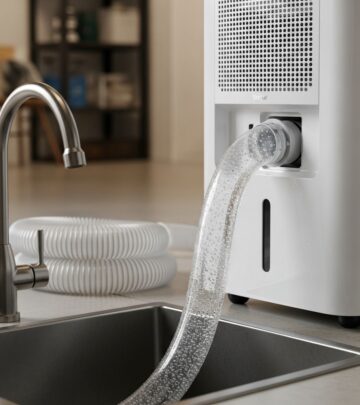
Fill a garden hose with water, plug both ends with thumbs. Place one end in the bowl’s bottom, the other in a lower bucket. Release simultaneously—gravity siphons out trapped water efficiently. Practice ensures no backflow; direct output away from living areas.
Water Displacement Trick
Pour 2-3 gallons of water rapidly from a bucket into the bowl’s center. The force pushes existing water through the trap. Repeat 2-3 times carefully to avoid overflow. Best for partially clogged bowls.
| Method | Pros | Cons | Best For |
|---|---|---|---|
| Sponge/Scoop | Cheap, no special tools | Time-consuming, messy | Small jobs |
| Wet/Dry Vacuum | Fastest, thorough | Requires equipment | All scenarios |
| Siphon Hose | Effective for traps | Learning curve | No vacuum available |
| Displacement | Quick bulk removal | Risk of splash | Clogged bowls |
Handling Clogged Toilets
Clogs complicate drainage—water sits higher due to blockages. After shutting off water and scooping excess, apply a plunger with firm up-down motions over the drain hole. For deeper issues, insert a toilet auger to break up debris without chemicals, which damage porcelain and septic systems. Once cleared, pour hot (not boiling) water with dish soap to flush remnants. Test by refilling and flushing slowly. Avoid harsh drain cleaners per environmental guidelines.
Draining the Toilet Tank Separately
The tank (cistern) drains via flush but may leave puddles. Remove the lid, flush while holding the handle, then sponge the bottom. A vacuum excels here for flush valve access during repairs. Dry fully before reinstalling parts to prevent mineral buildup.
Safety, Hygiene, and Cleanup
Toilet water carries bacteria—disinfect tools with a 1:10 bleach-water mix post-use. Lay plastic sheeting to catch spills. Ventilate the area and wash hands thoroughly. If dealing with sewage backups, call a plumber to avoid health risks. After drying, inspect for damage and clean the bowl with a mild abrasive like baking soda for porcelain shine.
Common Mistakes to Avoid
- Forgetting to shut off water, leading to refills.
- Using regular vacuums for wet suction, risking motor damage.
- Pouring chemicals prematurely, worsening clogs.
- Disposing wastewater indoors, spreading germs.
- Ignoring the trap’s purpose—refill naturally after work.
Frequently Asked Questions (FAQs)
Can I drain a toilet bowl without a plunger for clogs?
Yes, scoop water first, then use an auger or hot soapy water. Plunging is ideal but not mandatory.
How long does draining take?
5-15 minutes manually; under 2 minutes with a vacuum.
Is it safe to siphon toilet water?
Yes, if hygienic—wear gloves and disinfect the hose immediately after.
What if the shutoff valve won’t turn?
Spray lubricant, tap gently, or shut off main water supply as a last resort.
Do I need to refill the bowl after draining?
No—the trap refills on first flush once water is restored.
Troubleshooting Persistent Issues
If water won’t drain post-methods, suspect a full trap or vent blockage. Pour enzyme cleaners overnight for organic clogs. For mineral deposits, vinegar soaks help. Persistent problems warrant a plumber to check wax rings or pipes. Regular maintenance like annual deep cleans prevents buildup.
Mastering toilet draining empowers homeowners for quick fixes, saving time and money. Practice these techniques for confidence in any plumbing challenge.
References
- How to Drain a Toilet Bowl Safely — The Clean Plumber. 2023. https://www.thecleanplumber.com.au/blog/how-to-drain-a-toilet-bowl/
- How to Drain a Toilet Bowl: Easy Steps for a Clean Drain — HOROW. 2024. https://horow.com/blogs/guide/how-to-drain-a-toilet-bowl-easy-steps-for-a-clean-drain
- How to Drain Toilet Bowl: Plumber’s Secret That Works Every Time — Absolute Plumbing Solutions. 2023. https://www.absoluteplumbingsolutions.com.au/how-to-drain-toilet-bowl/
- How to Easily Remove Water from a Toilet — Oatey. 2022. https://www.oatey.com/faqs-blog-videos-case-studies/blog/how-easily-remove-water-toilet
Similar Articles


Read full bio of Sneha Tete