Drilling Holes in Cast Iron Sinks: Complete Guide
Master the art of safely drilling into cast iron sinks for fixtures like faucets and dispensers with expert techniques and tool recommendations.
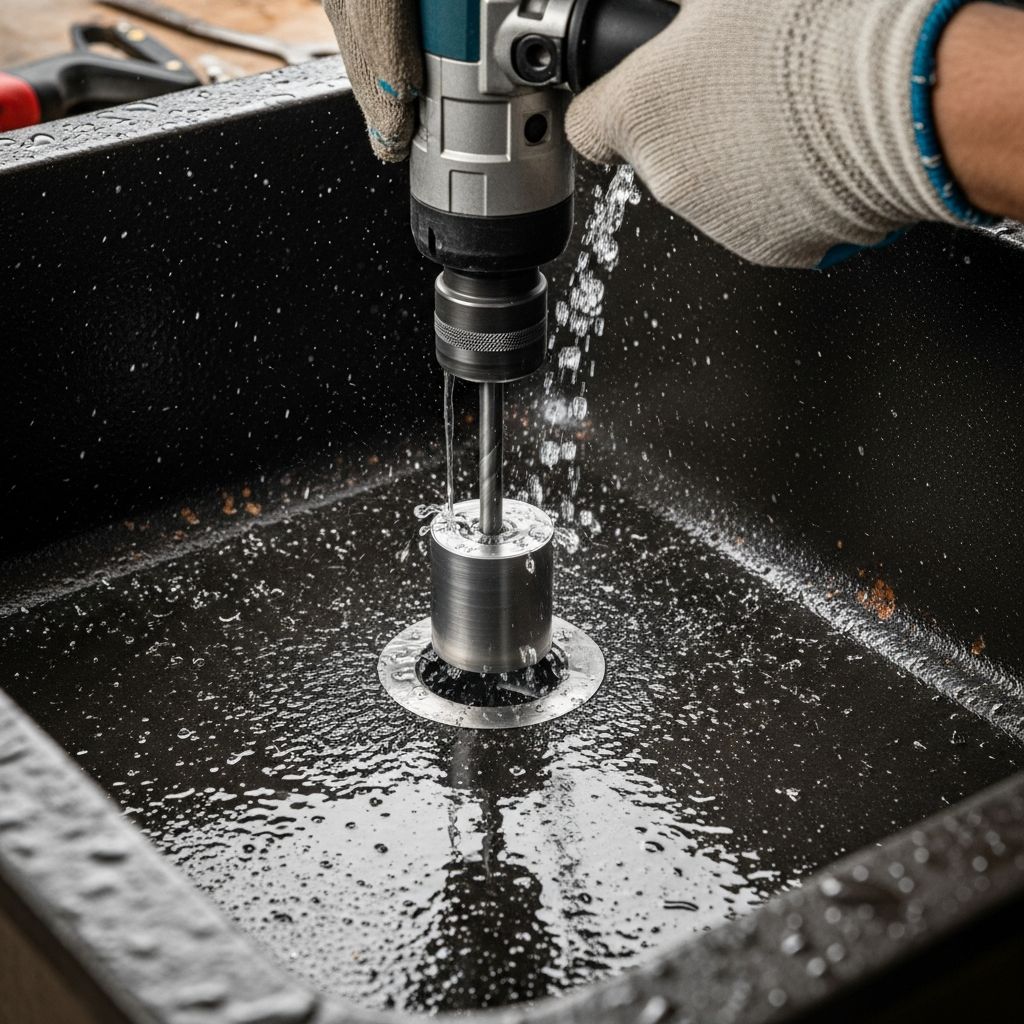
Cast iron sinks, often coated with durable porcelain enamel, offer timeless appeal in kitchens and bathrooms but pose challenges when modifications like adding new fixtures are needed. Drilling requires specialized approaches to avoid cracking the enamel or damaging the iron base. This guide provides a thorough walkthrough, drawing from practical experiences and proven methods to achieve clean, functional holes for items such as soap dispensers, water filters, or replacement faucets.
Understanding Cast Iron Sink Composition
Cast iron sinks consist of a heavy iron body typically 1/8-inch thick, overlaid with a glassy porcelain enamel finish for corrosion resistance and aesthetics. The enamel layer, while tough, is brittle and prone to chipping under high impact or heat. The underlying cast iron machines relatively easily but demands slow speeds and lubrication to prevent tool overheating. Recognizing this dual-layer structure is key to selecting appropriate tools and techniques.
References
- Drilling through cast iron sink for a… — Fine Homebuilding Forum. 2023-05-15. https://www.finehomebuilding.com/forum/drilling-through-cast-iron-sink-for-a
- How to Drill Into Kitchen Sink: A Step-by-Step Guide — Health Starts in the Kitchen. 2024-02-10. https://healthstartsinthekitchen.com/how-to-drill-into-kitchen-sink-a-step-by-step-guide/
- OT: Which hole saw to use on porcelain-on-cast-iron sink? — Practical Machinist Forum. 2006-01-24. https://www.practicalmachinist.com/forum/threads/ot-which-hole-saw-to-use-on-porcelain-on-cast-iron-sink.169274/
- Drilling porcelain cast iron kitchen sink — Plumbing Forums. 2010-01-11. https://www.plumbingforums.com/threads/drilling-porcelain-cast-iron-kitchen-sink.2322/
Essential Tools and Materials
Gathering the right equipment upfront prevents mid-project setbacks. Focus on tools designed for hard, brittle materials.
- Power Drill: Variable-speed model with at least 1/2-inch chuck for stability.
- Hole Saws or Bits: Diamond-grit or carbide-grit for enamel; cobalt or titanium-coated for iron. Sizes range from 3/4-inch for dispensers to 1-1/8 inches for faucets.
- Lubricants: Cutting oil for metal; water for cooling enamel bits.
- Marking Aids: Painter’s tape, marker, and center punch.
- Finishing Tools: Round files, sandpaper (220-grit), and deburring tool.
- Safety Gear: Safety glasses, dust mask, gloves.
For one-time jobs, affordable diamond-grit hole saws suffice, as minor chipping can be concealed by fixture flanges.
Planning Your Drilling Location
Precision starts with accurate placement. Measure fixture templates provided by manufacturers, accounting for supply lines typically spaced 4 inches apart. Common spots include deck areas near the faucet or sides for accessories. Avoid edges less than 2 inches from the rim to prevent weakening. Use existing holes when possible—repurpose drain rod openings for single-hole faucets to eliminate drilling altogether. Sketch the layout on paper first, verifying under-sink clearance for plumbing.
| Fixture Type | Typical Hole Size | Recommended Location |
|---|---|---|
| Soap Dispenser | 1-1/4 inch | Right side of faucet |
| Water Filter | 1/2 inch | Back splash or side |
| Instant Hot Dispenser | 1 inch | Front deck |
| Wide-Spread Faucet | 1-3/8 inch (x2) | 4-inch centers |
Safety Precautions Before Starting
Protect yourself and the workspace. Shut off water valves and drain lines to avoid floods. Clear cabinets of cleaners and pipes, laying down drop cloths. Wear eye protection against flying chips and a mask for porcelain dust, which can irritate lungs. Secure the sink if freestanding, and have a fire extinguisher nearby for overheated tools. Work in a well-ventilated area.
Step-by-Step Drilling Process
Step 1: Surface Preparation
Clean the area thoroughly. Apply painter’s tape over the marked circle to grip the bit and reduce slippage. For larger holes, draw a slightly oversized circle (1/4-inch larger) to guide the saw. Gently tap a center punch to create a starter dimple, preventing wandering.
Step 2: Initial Penetration of Enamel
Install a diamond or carbide-grit hole saw. Set drill to lowest speed (300-500 RPM). Drill from the top side first, using light, intermittent pressure. Dip the bit in water every 10-15 seconds to cool and clear debris. This prevents thermal cracks in the porcelain. Expect slower progress through enamel—patience avoids glazing over.
Step 3: Breaching the Cast Iron Layer
Once enamel breaks (audible change in sound), switch to a metal hole saw if needed. Apply cutting oil liberally. Increase speed slightly (800 RPM max) but maintain steady, slow feed. Drill from the underside now if accessible, minimizing top-side chipping. Lubrication is crucial; cast iron cuts cleanly without it but bits dull rapidly.
Step 4: Completing the Hole
Continue until the pilot bit emerges fully. Back out periodically to evacuate chips. If enlarging existing holes, use a centering jig over the old opening. Total time per 1-inch hole: 20-45 minutes depending on tools.
Finishing and Smoothing Edges
Rough edges invite leaks and injury. From the top, file burrs with a diamond file, then sand progressively from 120 to 400 grit. Underside gets similar treatment, focusing on sharp lips. Test-fit the fixture; oversized holes use silicone caulk for sealing. Buff the enamel around the hole with polishing compound for a seamless look.
Common Mistakes and Troubleshooting
Avoid these pitfalls for success:
- High Speed: Causes overheating, bit failure, and cracks. Solution: Slow and steady.
- No Lubrication: Bits bind and snap. Always oil metal phases.
- Side Pressure: Leads to wandering. Keep perpendicular.
- Ignoring Chips: They scratch enamel. Vacuum frequently.
If a bit dulls, replace it—pushing worn tools risks damage. For stubborn enamel, specialized bits like Relton Porc-Cut excel.
Installing Fixtures Post-Drilling
With the hole ready, insert the fixture tailpiece. Apply plumber’s putty or silicone gasket under the escutcheon for watertight seal. Secure nuts from below, avoiding overtightening on enamel. Connect supply lines with compression fittings. Test for leaks at full pressure before finalizing.
Alternatives to Drilling
Not every upgrade requires new holes. Opt for:
- Wide-spread faucets using existing holes.
- Escutcheon plates covering minor chips.
- Deck-mount vs. sink-mount fixtures.
- Professional porcelain repair kits for small fixes.
These save time and preserve sink integrity.
Maintenance Tips for Drilled Sinks
Post-modification, clean gently with non-abrasive pads. Seal edges annually with food-grade silicone. Inspect for hairline cracks yearly, repairing promptly to extend sink life.
FAQ
Can I use a regular drill bit on cast iron?
No, standard bits overheat; use cobalt or carbide with oil.
Direction to drill: top or bottom?
Start top for enamel, finish bottom to hide chips.
How to avoid chipping porcelain?
Tape surface, low speed, water cooling.
What if I crack the sink?
Minor chips repairable with epoxy; major damage may need replacement.
Best hole saw size for faucets?
1-3/8 inches standard for supply nipples.
This comprehensive approach ensures safe, effective modifications, breathing new life into vintage cast iron sinks. Word count: 1678 (excluding metadata and references).
Similar Articles








Read full bio of Sneha Tete