How to Drill Holes in Tile: Pro Tips and Techniques
Master the art of drilling perfect holes in ceramic and porcelain tile without cracking.
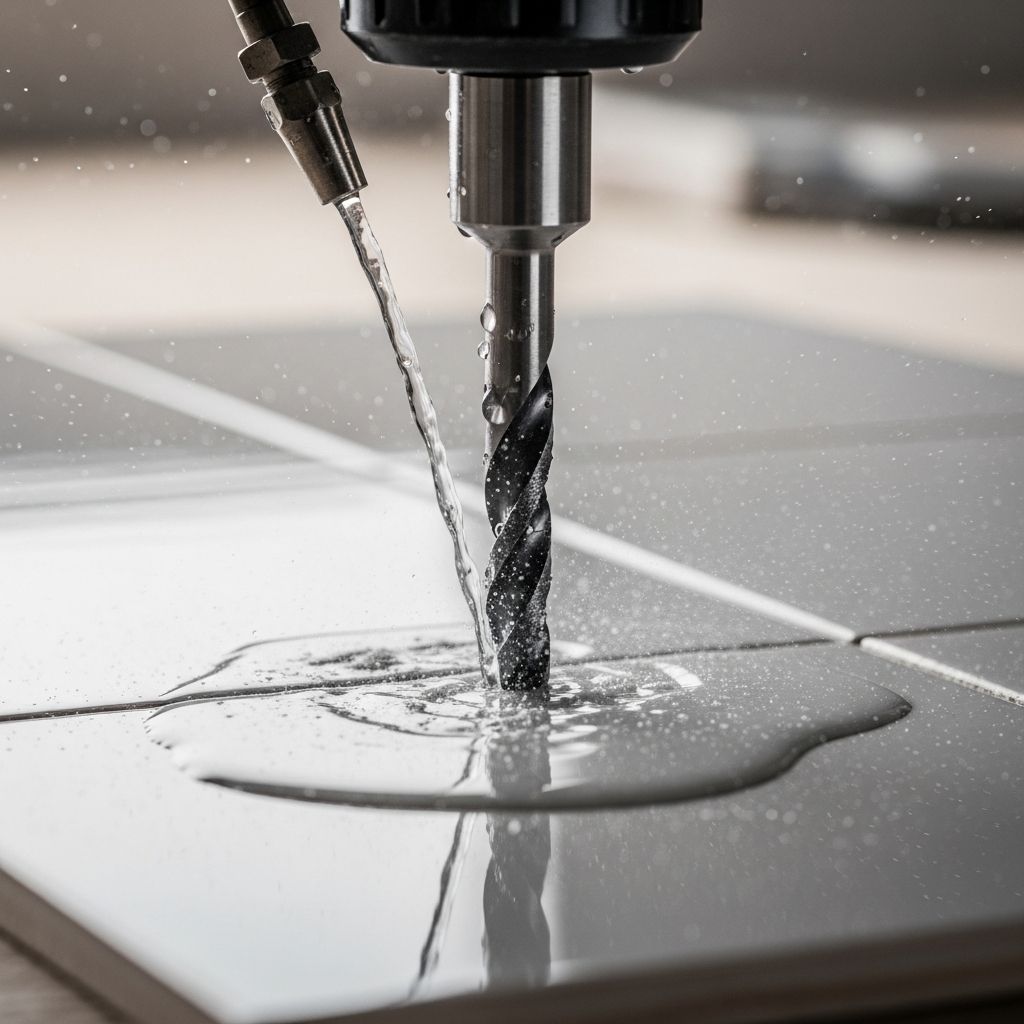
Drilling holes in tile is a common task when installing bathroom accessories like towel bars, toilet paper holders, grab bars, and other fixtures. However, many homeowners hesitate to attempt this project themselves because they fear cracking or damaging expensive tile. With the right tools, techniques, and a bit of patience, you can successfully drill clean, professional-looking holes in both ceramic and porcelain tile without creating cracks or chips.
Whether you’re hanging a new towel rack, installing a soap dispenser, or mounting shelving, understanding the fundamentals of tile drilling will save you time, money, and frustration. This comprehensive guide covers everything you need to know about drilling holes in tile safely and effectively.
Why Drilling Tile Can Be Challenging
Tile presents unique challenges for drilling compared to drywall or wood. The hard, glazed surface of ceramic and porcelain tile is designed to resist moisture and wear, but this same hardness makes it resistant to conventional drill bits. When you try to drill through tile with a standard twist bit, the bit can slip on the glazed surface, causing it to wander across the tile face and potentially crack the material.
Additionally, the heat generated by friction during drilling can damage both the tile and the drill bit itself. The glazed surface must be penetrated carefully to prevent spalling, which occurs when small chips break away from the tile surface. Once you break through the glaze, you still need to work through the body of the tile, which can be quite thick depending on whether you’re working with wall or floor tile.
Selecting the Right Drill Bit
The most critical factor in successfully drilling tile is choosing the appropriate drill bit for the job. Several options are available, each with specific advantages and limitations.
Diamond Hole Saws and Bits
Diamond hole saws and diamond-tipped bits are considered the gold standard for drilling through tile. These bits feature industrial-grade diamonds embedded in the cutting edge, allowing them to cut through both ceramic and porcelain tile with minimal risk of cracking. Diamond bits work on hard porcelain tile that would quickly dull carbide bits.
The primary disadvantage of diamond tools is cost. A quality diamond core bit can range from $50 to $150 or more, making it a significant investment for small home projects. However, if you plan to drill multiple holes or work with very hard porcelain tile, the investment pays dividends in reliability and longevity.
Carbide-Tipped Bits
Carbide-tipped hole saws are an excellent middle-ground option for most residential tile drilling projects. These bits feature carbide cutting edges that are harder and more durable than standard steel but less expensive than full diamond bits. Carbide bits work particularly well on softer ceramic tiles and wall tiles.
One advantage of carbide bits is their availability and affordability. You can find quality carbide hole saws at any home improvement store for $15 to $30. They also maintain their sharpness reasonably well across multiple projects. However, on very hard porcelain tile, carbide bits dull more quickly than diamond alternatives and may struggle with thick, dense material.
Specialized Glass and Tile Bits
For small holes, specialized glass and tile bits designed specifically for drilling through glazed surfaces can be effective. These bits have a different geometry than standard twist bits, with a more aggressive point that helps penetrate the glaze. They work best for holes up to about 1/4 inch in diameter.
Essential Tools and Materials
Beyond the drill bit itself, you’ll need several other items to complete your project successfully:
Power Drill: A variable-speed drill with a keyed chuck is ideal for tile work. Avoid cordless drills for thick tile, as they lack the sustained power needed. Variable speed allows you to start slowly and gradually increase RPM as you break through the glaze.
Water Spray Bottle: Cooling is essential for both the tile and the drill bit. A simple spray bottle filled with water keeps the drilling area lubricated and prevents heat buildup that can damage the tile and dull the bit.
Marker or Tape: Mark your drilling location clearly. Some professionals use painter’s tape over the drilling area to help the bit grip the surface and prevent it from slipping initially.
Rubber Mallet: Once holes are drilled, you’ll use a rubber mallet to tap plastic anchors into place without cracking the tile.
Safety Equipment: Wear safety glasses to protect your eyes from tile dust and flying debris. Consider a dust mask, as tile dust can irritate respiratory passages.
Step-by-Step Drilling Technique
The method you use to drill significantly impacts your success. Follow these steps for professional results:
Step 1: Mark Your Location Precisely
Use a marker or pencil to clearly mark where you want to drill. Double-check measurements to ensure the hole is in the correct location. Some professionals apply painter’s tape over the mark to help the drill bit grip and prevent slipping. The tape also helps reduce chipping on the glaze.
Step 2: Start at a 45-Degree Angle
Begin drilling with your drill held at a 45-degree angle to the tile surface. This technique helps the bit establish contact gradually rather than punching straight down, which can cause the bit to slip or the tile to crack. Drill slowly and gently at this angle for the first few seconds.
Step 3: Gradually Increase to 90 Degrees
After you’ve established a starting point through the glaze, slowly rotate your drill to a vertical 90-degree angle. Continue drilling at moderate speed and gentle pressure. Never force the drill; let the bit do the work. Forcing pressure increases heat and can damage both tile and bit.
Step 4: Cool the Bit Frequently
Every 3 to 5 seconds of drilling, pause and spray water on the bit and tile. Dip the bit in water if possible. This cooling step is critical for maintaining bit sharpness and preventing damage to the tile from heat stress. The water also helps flush away tile dust and reduces airborne particles.
Step 5: Work Through the Tile Carefully
Continue drilling through the tile body at a steady pace. Thicker tiles, particularly porcelain floor tiles, may take several minutes to drill through. Patience is essential. If you encounter resistance, stop, cool the bit, and continue gently. Don’t try to power through resistance.
Step 6: Reduce Pressure When Breaking Through
As you approach breakthrough on the back side of the tile, reduce pressure significantly and slow your drill speed. This prevents the bit from suddenly grabbing and potentially cracking the tile or spinning out of control.
Tips for Different Tile Types
Different types of tile require adjusted techniques based on their hardness and composition.
Ceramic Wall Tile
Standard ceramic wall tile is relatively soft and forgiving. Carbide bits or even quality glass and tile bits work well. Ceramic tile typically drills quickly compared to porcelain. Use moderate speed and allow water cooling to prevent glazing issues.
Porcelain Tile
Porcelain is significantly harder and denser than ceramic tile. Diamond bits are the best choice for reliability, though quality carbide bits can work if you proceed slowly and cool frequently. Expect drilling to take longer, sometimes several minutes per hole for floor-grade porcelain.
Glazed Tile
Any glazed tile surface requires extra care with initial penetration. The glaze is harder than the tile body beneath it. Starting at an angle helps distribute the initial pressure and reduces glaze cracking. Once through the glaze, drilling becomes easier.
Terra Cotta and Soft Tile
Softer tiles like Mexican terra cotta or hand-painted tile require special care. These materials can crumble if struck with force. Use carbide bits at very low speed, apply water constantly, and use minimal pressure. Consider pre-drilling with a smaller bit if crumbling is a concern.
Installing Anchors and Fixtures
Once you’ve drilled your holes, proper installation of anchors and fixtures ensures a secure, long-lasting installation.
Plastic Anchors
Most bathroom fixtures come with plastic anchor plugs. These anchors expand as you insert them into the hole, gripping the tile and creating a base for the mounting screw. Gently tap anchors into the drilled hole using a rubber mallet. The rubber head prevents striking the tile hard enough to crack it.
Fastener Installation
Once anchors are fully seated, install mounting brackets using the provided screws. Turn screws carefully and steadily. The most common mistake is over-tightening, which transfers excessive force to the tile and can crack it. Tighten firmly but not aggressively. Stop tightening once the fixture is solidly attached.
Common Mistakes to Avoid
Using Standard Twist Bits: Regular drill bits designed for wood or metal will slip on tile glaze and often cause cracks. Always use bits specifically designed for tile or glass.
Drilling Too Quickly: High-speed drilling generates excessive heat that can damage tile and dull bits. Moderate speed with frequent cooling is far more effective.
Applying Excessive Pressure: Forcing a bit through tile doesn’t speed the process; it increases heat, dulls the bit faster, and risks cracking the tile. Let the bit do the work with gentle, steady pressure.
Neglecting Cooling: The frequent water spray is not optional; it’s essential. Skipping this step almost guarantees tile damage and rapid bit dulling.
Over-tightening Fasteners: Once fixtures are installed, excessive tightening of screws transfers stress directly to the tile and causes cracks. Tighten until snug, then stop.
Professional Alternatives
For large projects, critical installations, or difficult tile situations, professional installation may be worthwhile. Professional tile setters have specialized equipment like angle grinders with diamond blades and professional-grade diamond core bits that can handle any situation. They also carry insurance in case of damage. However, for standard bathroom fixture installation, DIY drilling is typically straightforward with proper technique.
Frequently Asked Questions
Q: Can I drill through tile with a regular drill bit?
A: No. Regular twist bits will slip on the glazed tile surface and often cause cracking. You must use bits designed for tile, glass, or hard materials like carbide or diamond bits.
Q: What’s the best drill bit for bathroom tile?
A: Diamond bits are the most reliable option for all tile types but cost more. Carbide-tipped bits offer excellent performance at a lower price point and work well for most residential ceramic tile applications.
Q: How do I prevent the drill bit from slipping on the tile?
A: Start drilling at a 45-degree angle rather than perpendicular to the tile. This distributes the initial contact pressure and allows the bit to establish a grip before increasing to a 90-degree angle.
Q: Why do I need to cool the drill bit with water?
A: Water cooling reduces heat, which prevents damage to the tile glaze and keeps the drill bit sharp. Heat is the primary reason bits dull quickly and tiles crack during drilling.
Q: Can I drill through porcelain floor tile?
A: Yes, but it’s more challenging than ceramic wall tile due to porcelain’s extreme hardness. Diamond bits provide the best results. Expect drilling to take several minutes per hole, and cool the bit constantly.
Q: What should I use to tap the anchor plugs into the tile?
A: Use a rubber mallet to gently tap anchor plugs into place. The rubber head distributes force more evenly than a metal hammer and reduces the risk of cracking the tile.
Q: How tight should I tighten the mounting screws?
A: Tighten screws until the fixture is firmly mounted. Stop at snug; do not over-tighten. Excessive tightening transfers stress to the tile and causes cracks.
Q: Can I drill a hole in an already-installed tile without damaging grout?
A: Position your drill hole away from grout lines when possible. If you must drill near grout, work slowly and carefully. The drilling technique remains the same, but proximity to grout adds complexity.
References
- How to Drill Holes in Tile — Fine Homebuilding Forum. Accessed 2025. https://www.finehomebuilding.com/forum/drilling-ceramic-tile
- How to Drill a Hole in a Tile and Add Bathroom Accessories — Home Repair Tutor. 2017-08-12. https://www.youtube.com/watch?v=42U-gF93yZw
- How to Drill Tiles Without Cracking Them — The DIY Guy. 2024-11-09. https://www.youtube.com/watch?v=66hO3rdoNGE
Similar Articles


Read full bio of Sneha Tete