Dryer Vent Through Glass Block: Step-By-Step Guide
Master the technique for routing your dryer vent through a glass block window without compromising safety or efficiency in your laundry setup.
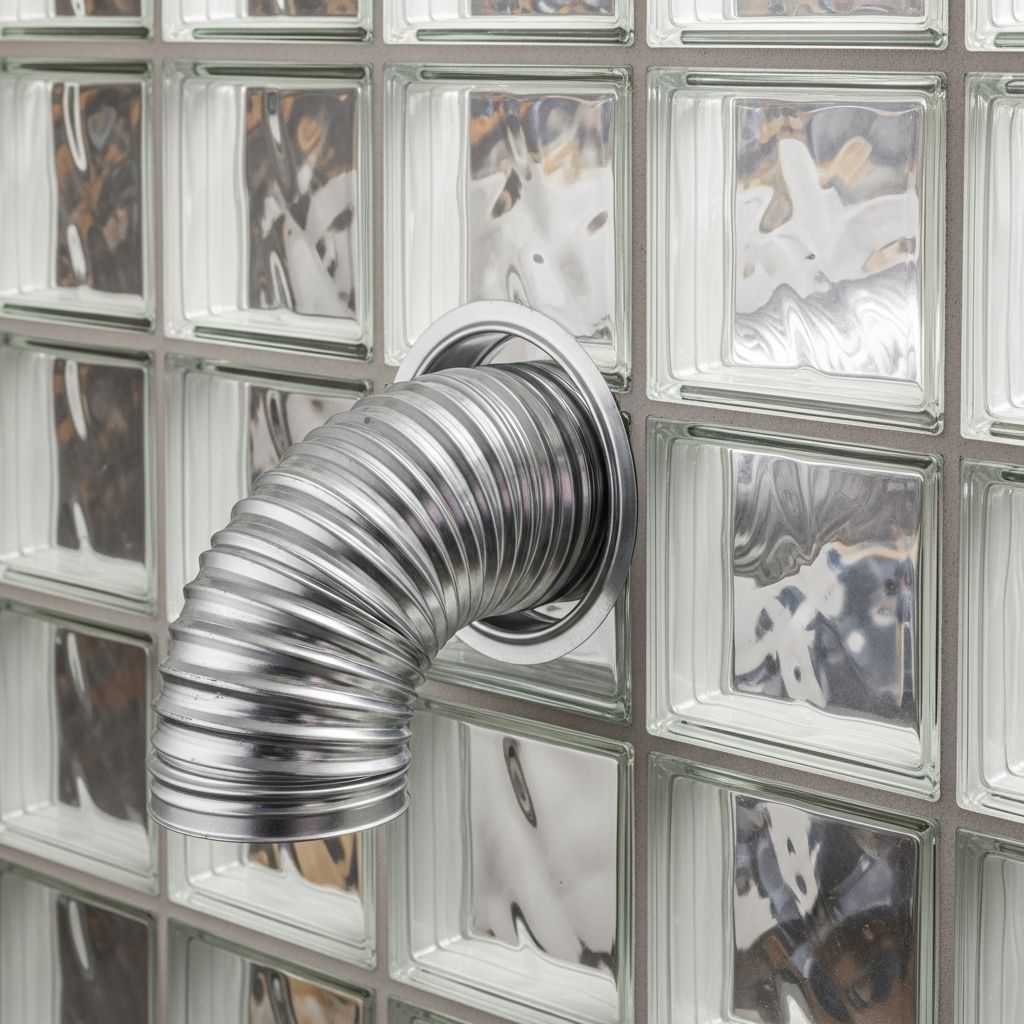
Dryer Vent Through Glass Block Guide
Installing a dryer vent through a glass block window offers a practical solution for laundry rooms lacking traditional exterior walls. This method preserves the decorative appeal of glass block while ensuring efficient moisture exhaust and fire safety. Proper execution prevents lint buildup, reduces drying times, and avoids hazards like overheating.
Why Choose Glass Block for Dryer Venting?
Glass block windows provide diffused light and privacy, common in basements or bathrooms converted to laundry spaces. Routing the vent here maintains structural integrity without major wall modifications. Key benefits include minimal disruption to solid walls and compliance with ventilation codes when done correctly. According to manufacturer guidelines, exterior venting remains essential to expel hot, moist air outdoors, preventing indoor humidity that fosters mold.
Challenges involve precise cutting to fit rigid ducting through solid glass blocks without cracking surrounding mortar. Success hinges on selecting heat-resistant materials and sealing gaps airtight to block pests and weather infiltration.
Gathering Essential Tools and Materials
Preparation ensures a smooth project. Assemble these items before starting:
- Rigid metal ducting (4-inch diameter, galvanized steel or aluminum for smooth airflow)
- Glass block diamond drill bit or rotary tool with carbide tip (sized for 4.25-inch hole)
- Vent hood/flap cover with damper for exterior mounting
- Aluminum foil tape (high-heat rated, avoids duct tape failures)
- Hose clamps or sheet metal screws (avoid protruding fasteners inside ducts)
- Measuring tape, level, tin snips, and safety gear (gloves, goggles, mask)
- Silicone caulk (exterior-grade, non-combustible)
- Support brackets for duct stability
Rigid metal outperforms flexible hoses, as it resists lint accumulation and withstands temperatures up to 450°F. Purchase duct lengths matching your dryer’s exhaust path, factoring in elbows for turns.
Planning the Vent Route Precisely
Measure from dryer outlet to the chosen glass block, accounting for bends. Ideal paths stay under 25 feet with no more than two 90-degree elbows to maintain airflow. Sketch the layout, noting glass block thickness (typically 3-4 inches).
Use a table for quick planning:
| Path Element | Max Length | Recommended Material |
|---|---|---|
| Straight Run | 25 ft total | Rigid metal |
| Elbows | 2 max | Metal 90° |
| Transition | Flexible max 8 ft | Semi-rigid at dryer |
Verify local codes; some require professional inspection for non-standard installs like glass block.
Preparing the Glass Block Window
Disconnect power to the dryer and clean existing vents with a vacuum to remove lint. Select a lower glass block for downward vent flap operation, aiding gravity drainage.
Mark the center of the block with painter’s tape. Drill a pilot hole from inside using a 1/4-inch bit, emerging outside without wandering. Enlarge to 4.25 inches with a diamond hole saw at low speed, applying water to cool and reduce dust. Work in stages to avoid thermal shock.
Once through, smooth edges with a file. Test-fit the vent pipe stub; it should slide freely without binding.
Installing the Exterior Vent Hood
From outside, position the hood so its pipe aligns with the hole, facing downward. Secure with exterior screws into mortar joints, using anchors for stability. Apply silicone caulk around top and sides, leaving the bottom open for moisture escape.
Inside, insert rigid duct through the hole, extending 1-2 inches past the block for overlap. Seal the penetration with high-temperature caulk, ensuring an airtight bond.
Assembling and Securing the Duct Run
Cut duct sections to length using tin snips, adding 1/2-inch overlap. Connect with foil tape, wrapping seams fully—no screws inside to snag lint.
For elbows, align smoothly. Support long runs every 4-6 feet with straps to prevent sagging. Slope slightly (1/4 inch per foot) toward exterior for condensate drainage.
Attach the dryer-end transition duct (semi-rigid, max 8 feet) with clamps. Slide dryer into place, confirming no kinks or tension.
Testing and Finalizing the Setup
Power on the dryer for a test cycle. Observe exterior flap opening fully with strong airflow. Feel for weak spots or leaks inside. Use a level to ensure even dryer footing.
Inspect annually: vacuum ducts, check seals. Replace flexible sections every 5 years.
Safety Considerations and Common Pitfalls
Fire Risks: Use only metal ducts; plastics melt. Avoid reductions in diameter.
Airflow Blockage: Long, twisty paths increase drying time by 30% and fire risk.
Glass Block Specifics: Never force-fit; cracks propagate. Wet drilling prevents overheating.
Pitfalls include using duct tape (fails at 200°F) or neglecting support, leading to collapses.
Enhancing Efficiency Post-Installation
Pair with a booster fan for runs over 20 feet. Insulate cold areas to prevent condensation. Clean vents quarterly to maintain 90% efficiency.
Frequently Asked Questions
Can I use flexible duct through glass block?
No—rigid metal is mandatory for durability and code compliance in solid penetrations.
What if my glass block cracks during drilling?
Stop immediately; epoxy or replace the block. Consult a mason for repairs.
Is professional help needed?
DIY suits straight paths; hire for complex routing or code variances.
How often should I clean the vent?
Quarterly, or annually with pro service to prevent 15,000 yearly fires.
Does this void my dryer warranty?
No, if installed per manufacturer specs.
Advanced Tips for Optimal Performance
Incorporate a backdraft damper to block cold air influx. For multi-story homes, vertical rises need extra support. Monitor with an inline airflow meter for peaks.
This setup boosts dryer lifespan by 20% via unrestricted exhaust.
References
- How to Install a Dryer Vent in 6 Steps — Maytag. 2023-05-15. https://www.maytag.com/blog/washers-and-dryers/how-to-install-dryer-vent.html
- How to Install a Dryer Vent in 6 Steps — Whirlpool. 2023-07-20. https://www.whirlpool.com/blog/washers-and-dryers/how-to-install-dryer-vent.html
- How to Install a Dryer Vent — The Home Depot. 2024-01-10. https://www.homedepot.com/c/ah/how-to-install-a-dryer-vent/9ba683603be9fa5395fab907b927963
- How to Install a Dryer Vent: DIY Guide for Beginners — Purified Air Duct Cleaning. 2023-11-05. https://www.purifiedairductcleaning.com/post/how-to-install-a-dryer-vent-diy-guide-for-beginners
- Proper Clothes Dryer Venting — Building America Solution Center, PNNL. 2022-09-12. https://basc.pnnl.gov/resource-guides/proper-clothes-dryer-venting
Similar Articles








Read full bio of Sneha Tete