Dwarf Gardenia Growing: Complete Care Guide
Master the art of cultivating fragrant dwarf gardenias with expert tips on soil, watering, and maintenance.
Understanding Dwarf Gardenias: An Introduction to These Fragrant Shrubs
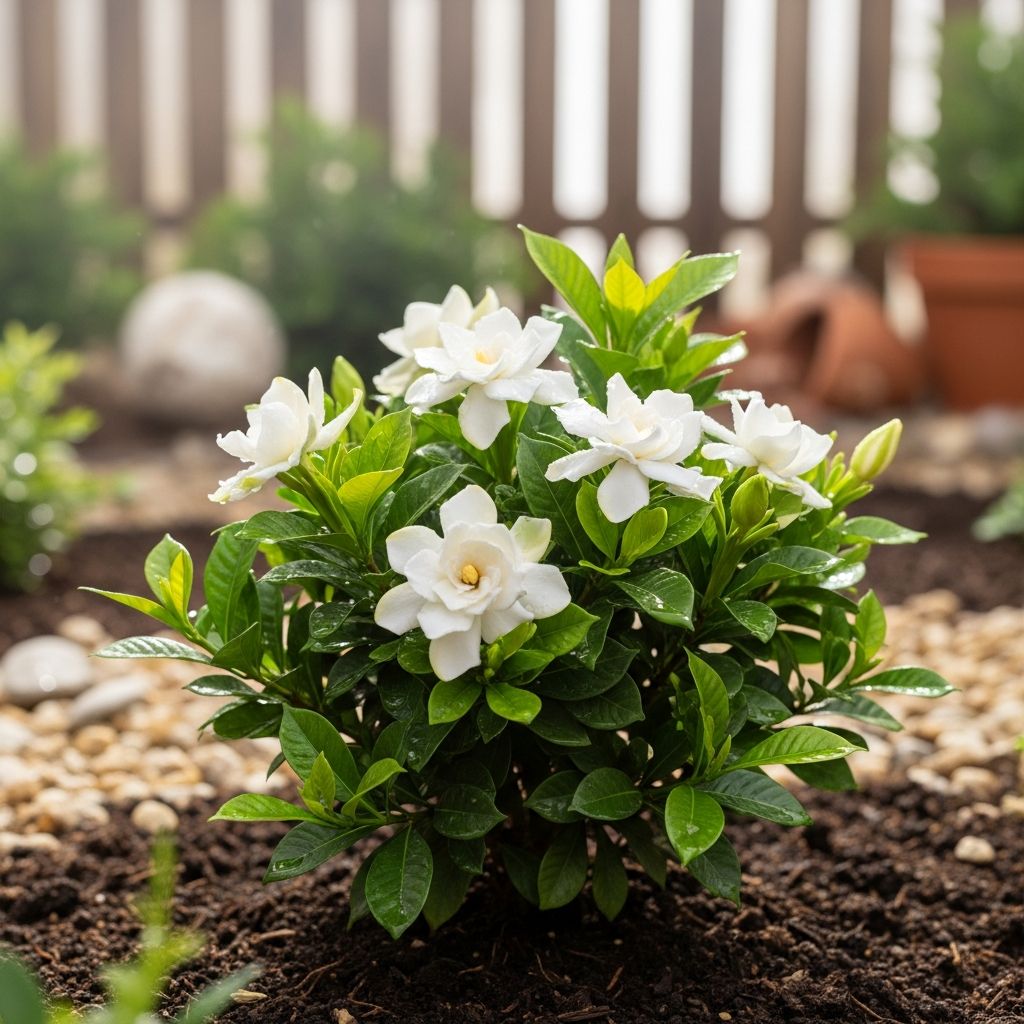
Dwarf gardenias represent a miniature version of their full-sized cousins, offering the same captivating fragrance and elegant white blooms in a more compact form. These evergreen shrubs have become increasingly popular among gardeners seeking to cultivate sophisticated beauty in limited spaces. Native to tropical and subtropical regions, dwarf gardenias bring an air of sophistication to gardens, patios, and indoor spaces with their intoxicating scent and pristine white flowers that bloom throughout the growing season.
The appeal of dwarf gardenias extends beyond their aesthetic qualities. Their smaller stature makes them ideal for container gardening, raised beds, and smaller landscape designs. However, these plants require specific environmental conditions and attentive care, particularly during their establishment phase. Understanding the fundamental requirements of dwarf gardenias is essential for any gardener hoping to achieve consistent blooms and vigorous plant growth.
Establishing the Foundation: Soil Preparation and Selection
Successful dwarf gardenia cultivation begins with proper soil preparation. These plants thrive in acidic soil conditions, with an ideal pH range between 5.0 and 6.0. The soil must be rich in organic matter while maintaining excellent drainage properties, as waterlogged conditions can lead to root rot and fungal complications.
To create an optimal growing medium, incorporate substantial amounts of organic materials into your planting area:
- Peat moss or sphagnum moss for acidity and moisture retention
- Compost or well-rotted manure to enhance nutrient content
- Ground bark or pine needles to improve drainage and maintain acidity
- Gritty matter such as sand or perlite if your native soil lacks drainage capability
When preparing container soil for potted dwarf gardenias, combine rich loam with peat moss to achieve a nutrient-rich, acidic mixture with superior drainage. Test your soil pH regularly, especially when growing containerized plants, as this monitoring ensures conditions remain within the preferred range.
Mastering the Watering Regime
Proper hydration forms a critical pillar of dwarf gardenia care. These plants require approximately one inch of water per week, whether delivered through natural rainfall or supplemental irrigation. The challenge lies in maintaining consistently moist soil without creating boggy conditions that encourage disease.
For newly planted dwarf gardenias, watering demands increase significantly during the establishment period. Spring plantings benefit from daily or near-daily watering for the first three to four months, while fall or winter plantings require less frequent watering—typically once every one to two weeks, provided the soil remains adequately moist. During dry spells or in sandy soil conditions, daily watering during the initial months prevents transplant failure, as insufficient water remains the most common cause of newly planted shrub decline.
When watering established plants, adopt a “moist but never wet” approach. Water deeply whenever the top inch of soil feels dry to the touch, but allow the soil to approach dryness between waterings rather than maintaining constant saturation. This practice encourages deeper root development and reduces fungal disease susceptibility.
Humidity levels significantly impact overall plant health. Maintaining humidity around 60% helps prevent spider mite infestations and supports foliar health. For container plants, misting daily or every other day in dry climates, or placing a dish of water near the plant, provides beneficial humidity without saturating the soil.
Temperature and Light Requirements
Temperature control represents a crucial factor distinguishing successful dwarf gardenia cultivation from disappointing results. These tropical plants perform best when daytime temperatures remain between 65 and 70 degrees Fahrenheit (18-21°C), with nighttime temperatures between 60 and 65 degrees Fahrenheit (15-18°C). Temperatures below these ranges suppress flower bud development and reduce bloom production.
Many gardeners in cooler climates choose containerized cultivation to manage temperature conditions, moving plants indoors during cold seasons or to protected locations during temperature fluctuations. This flexibility allows regions with harsh winters to enjoy continuous dwarf gardenia blooming.
Regarding light exposure, dwarf gardenias thrive with full sun to partial shade, ideally receiving intense morning light with afternoon shade protection. While these plants can tolerate partial shade, insufficient light reduces flower production. In container settings, position plants where bright, indirect light reaches the plant without exposing it to cold drafts.
Fertilization and Nutrient Management
Dwarf gardenias benefit from regular feeding during the active growing season. For in-ground plantings, apply acidic fertilizer after blooming concludes, or use granular time-release formulas at the season’s beginning. During the growing season, feed plants every three to four weeks using acidic, slow-release fertilizers.
Container-grown plants require more frequent fertilization than in-ground specimens. Apply acidic plant fertilizer every two weeks beginning in spring, but suspend feeding by the end of summer to prepare the plant for dormancy. For ongoing maintenance, fertilize potted gardenias monthly while monitoring soil pH to maintain the preferred 5.0 to 6.5 range.
Consider organic fertilization options including:
- Fish emulsion for balanced nutrition
- Blood meal for nitrogen supplementation
- Coffee grounds mixed into soil for acidity and gentle nitrogen provision
- Slow-release organic formulations designed specifically for acid-loving plants
Avoid fertilizers containing lime, as these raise soil pH and counteract the acidic conditions dwarf gardenias require. Never apply mushroom compost, which contains lime and will compromise soil chemistry.
Mulching and Soil Maintenance
Organic mulch provides multiple benefits for dwarf gardenia cultivation. A 2 to 6-inch layer of mulch around the root zone prevents weed growth, moderates soil temperature fluctuations, reduces watering frequency, and preserves soil moisture between irrigation events.
Suitable mulch materials include:
- Hay, straw, or pine needles
- Leaves or grass clippings
- Bark chips or wood chips
- Compost
Apply mulch carefully, maintaining a small clearance around the main stem to prevent moisture accumulation that encourages fungal diseases. Renew the mulch layer periodically as it breaks down and compacts. Since dwarf gardenias possess shallow root systems, avoid cultivation near the plant; instead, hand-pull any weeds not suppressed by mulch coverage.
Pruning Techniques for Shape and Continuous Blooming
Strategic pruning maintains plant form while encouraging prolific flowering. Deadheading—the removal of spent blooms—promotes continuous flowering throughout the growing season. Remove faded flowers just below the leaf node or approximately two-thirds down from the initial bloom position, stimulating the plant to produce additional flowering shoots.
For structural pruning, wait until the dormant season or immediately after blooming concludes. During dormant season pruning, remove crowded or crossed stems to increase light penetration and air circulation throughout the plant canopy, thereby reducing fungal disease risk and encouraging more abundant blooming. Remove any dead branches at any time, but avoid heavy structural pruning from fall through bloom development, as this timing risks removing developing flower buds formed during the dormant season.
Young dwarf gardenias benefit from light pruning to establish an attractive shape, while mature plants require minimal intervention beyond deadheading and necessary disease management. Once established, dwarf gardenias reward minimal maintenance with faithful annual flowering.
Container Growing and Repotting Considerations
Container cultivation offers advantages for gardeners in variable climates or those with space limitations. Select containers with drainage holes and use well-draining, acidic potting mix enriched with peat moss and loam. Place containers on casters or wheeled bases to facilitate moving plants between seasons—bringing them indoors before temperature drops occur or repositioning them to optimal light locations.
Containerized dwarf gardenias require more frequent watering than in-ground plants but should be kept slightly drier during winter months. Repot gardenias every two to three years to refresh the soil and provide space for continued growth. When repotting, use a container only slightly larger than the previous one to avoid excessive soil volume that can retain too much moisture.
Place potted plants where they receive bright, indirect light away from cold drafts. Monitor containerized plants closely for pest infestations, as the confined environment can accelerate pest problems compared to in-ground plantings.
Managing Common Pests and Disease Issues
While dwarf gardenias generally enjoy good health when properly cared for, several pests and diseases can compromise plant vigor. Common insect problems include scale insects, whiteflies, and aphids. Spider mites thrive in low-humidity conditions, making humidity management crucial for prevention.
Address pest infestations using progressive treatment approaches:
- First attempt: Treat naturally with neem oil or insecticidal soap
- Severe infestations: Apply pesticides such as carbaryl (Sevin)
- Prevention: Maintain appropriate watering, fertilization, and location to support plant health and resilience
Fungal diseases including powdery mildew and root rot develop in conditions characterized by poor air circulation, excessive moisture, or inappropriate soil drainage. Pruning to thin the plant canopy increases air movement, while avoiding waterlogged soil prevents root rot development. Some dwarf gardenia varieties, particularly Gardenia Radicans, exhibit natural disease resistance, reducing fungal complications.
Diagnosing Plant Health Issues
Yellowing leaves often indicate improper soil conditions, inadequate watering, or fertilization problems. Assess these factors systematically: verify soil pH remains in the 5.0 to 6.5 range, confirm watering frequency provides adequate moisture without waterlogging, and confirm fertilization follows seasonal guidelines. Lack of blooms despite healthy foliage may indicate insufficient light, incorrect temperature ranges, or premature pruning that removed developing flower buds.
Wilting leaves combined with moist soil suggest root rot from waterlogging; allow soil to dry somewhat and improve drainage conditions. Conversely, wilting with dry soil indicates underwatering or root damage; increase irrigation frequency and consider repotting into fresh soil if damage has occurred.
Seasonal Care Calendar
| Season | Key Tasks | Watering Frequency | Fertilization |
|---|---|---|---|
| Spring | Apply initial fertilizer after last frost; increase watering; light pruning for shape | Regular weekly watering | Begin every 3-4 week feeding schedule |
| Summer | Maintain consistent moisture; deadhead spent blooms; provide afternoon shade in intense heat | Increase frequency during dry periods | Continue 3-4 week schedule; suspend by end of summer |
| Fall | Avoid heavy pruning; reduce watering gradually; prepare for dormancy | Decrease frequency gradually | Discontinue feeding |
| Winter | Protect from freezing temperatures; maintain dormancy; structural pruning for spring | Minimal watering; keep soil slightly drier | No feeding during dormancy |
Frequently Asked Questions About Dwarf Gardenia Care
Q: Why isn’t my dwarf gardenia blooming?
A: Non-blooming dwarf gardenias typically result from incorrect temperature ranges (require 65-70°F during day), insufficient light, or premature pruning that removed developing flower buds. Ensure daytime temperatures stay warm, provide at least partial sun exposure, and avoid pruning from fall through bloom development when buds are forming.
Q: Can dwarf gardenias grow indoors?
A: Yes, dwarf gardenias succeed as indoor plants in containers when provided with bright, indirect light, warm temperatures between 65-70°F, and humidity around 60%. Use a humidifier or pebble tray to maintain humidity levels, and ensure the container has excellent drainage with acidic potting soil.
Q: How often should I water newly planted dwarf gardenias?
A: Newly planted dwarf gardenias require daily or near-daily watering for the first three to four months if planted in spring. Fall or winter plantings need less frequent watering—approximately once weekly or every two weeks—provided soil remains consistently moist. Insufficient water is the primary cause of transplant failure.
Q: What’s the best way to increase soil acidity for dwarf gardenias?
A: Amend soil with peat moss, sphagnum moss, or ground bark to increase acidity naturally. Coffee grounds mixed into the soil provide gentle acidity along with nitrogen. You can also apply sulfur according to package directions to lower pH, or select an acidic fertilizer formulation specifically designed for gardenias.
Q: When is the best time to repot container dwarf gardenias?
A: Repot dwarf gardenias every two to three years during early spring before the growing season begins. Use a container only slightly larger than the previous pot to avoid excess soil moisture retention. Refresh the acidic potting mixture to provide nutrients and maintain proper soil chemistry.
References
- Growing Dwarf Gardenias — Gardening Know How. Accessed January 2026. https://www.gardeningknowhow.com/ornamental/flowers/gardenia/growing-dwarf-gardenias.htm
- How to Grow and Care for Gardenia: Cultivating Healthy and Vibrant Plants — Monrovia. Accessed January 2026. https://www.monrovia.com/be-inspired/how-to-grow-and-care-for-gardenia.html
- Gardenia Grow Guide — Perfect Plants Nursery. Accessed January 2026. https://myperfectplants.com/blogs/grow-guides/gardenia-grow-guide
- Dwarf Radicans Gardenia Plant Care — Planting Tree. Accessed January 2026. https://www.plantingtree.com/products/gardenia-radicans
- How to Grow Gardenia Radicans: The Dwarf Fragrant Evergreen Shrub — YouTube. Accessed January 2026. https://www.youtube.com/watch?v=ZiXPxZUDueQ
- How to Grow Gorgeous Gardenias — Southern Living Plant Collection. Accessed January 2026. https://southernlivingplants.com/plan-your-garden/how-to-grow-gardenias/
Similar Articles


Read full bio of medha deb