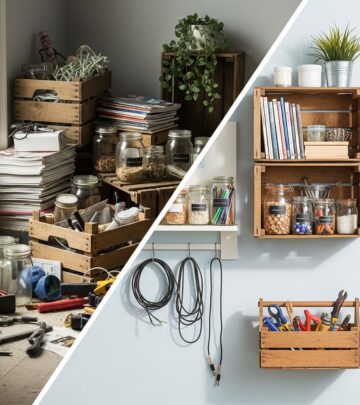
Easy Does It: Simple Design Ideas for Every Home
Transform your space with budget-friendly design tips and easy DIY ideas for stylish homes.
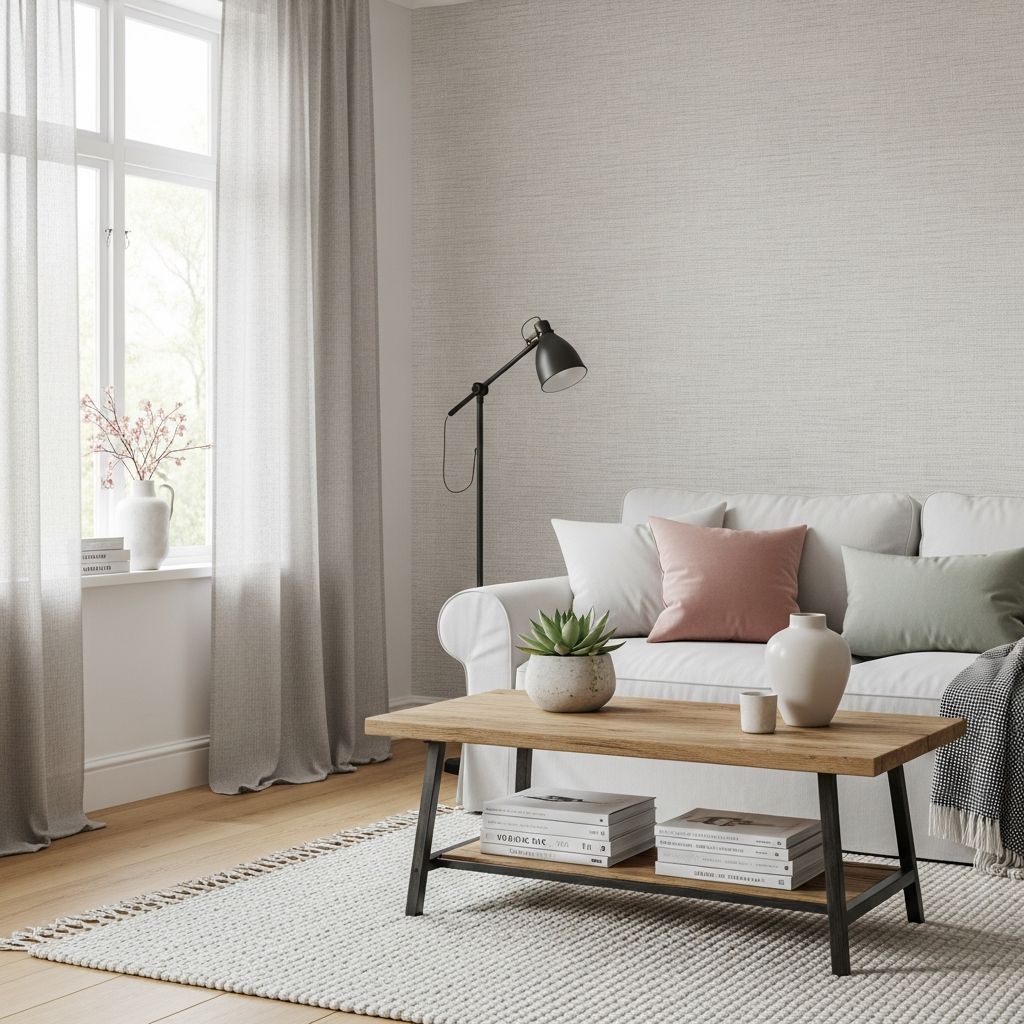
Easy Does It: Transform Your Home with Simple Design Ideas
Creating a beautiful, well-organized home doesn’t have to be complicated or expensive. Whether you’re working with a tight budget, limited time, or simply want to refresh your living space, there are countless ways to achieve professional-looking results without the professional price tag. The key is understanding fundamental design principles, knowing where to invest your resources, and learning creative solutions that make a big impact with minimal effort.
This comprehensive guide explores practical design strategies, budget-conscious renovation approaches, and easy DIY ideas that can transform any space into something you’ll love coming home to every day.
Understanding Design Principles That Work
Great design is fundamentally about making intentional choices that serve both form and function. Before diving into specific projects or purchases, it’s important to understand the core principles that make a space feel cohesive and complete.
Color Coordination for Cohesive Spaces
One of the most powerful tools in design is limiting your color palette. Research shows that the human brain can only process a limited amount of visual information effectively, which is why spaces with too many colors feel chaotic and unfinished. Consider restricting your color choices to four primary colors throughout your entire home, both inside and outside. This doesn’t mean your home will feel monotonous—instead, it creates visual flow and makes every room feel intentionally designed rather than haphazardly decorated.
When selecting colors, think about how they transition from room to room. A cohesive color story makes navigating your home feel comfortable and purposeful. You can vary the saturation and tone of your chosen colors to create depth and interest while maintaining overall harmony.
Scale and Proportion in Design
Understanding scale is crucial when furnishing and decorating your home. Oversized furniture in a small room makes the space feel cramped, while tiny pieces in a large room look lost and incomplete. When styling shelves or arranging decorative objects, avoid using items smaller than your head—this simple rule prevents spaces from feeling cluttered and chaotic. If you must display small objects, group them in sets of three and anchor them with a larger piece to create visual interest and balance.
This principle applies to plants, artwork, furniture, and accessories. The scale of your plants should match the size of your space, and decorative elements should be proportional to the areas where they’ll be displayed.
Creating Finished, Magazine-Ready Spaces
The difference between a room that feels complete and one that feels like something’s missing often comes down to thoughtful finishing touches. Professional designers approach this by thinking in terms of vignettes—small, curated scenes within a larger space that would photograph well.
The Vignette Approach to Design
Imagine standing in the middle of your room and looking around through a camera lens. Each wall, corner, and focal point should tell a visual story and feel complete on its own. This means your fireplace mantel isn’t just a place to put things randomly—it’s an opportunity to create a balanced composition that includes multiple design elements.
A well-designed vignette typically includes:
- A plant for natural texture and life
- A personal photograph or family memory
- Something with color that ties into your palette
- Textural elements that add depth and interest
- Varied scales of objects to create visual movement
By designing your space as a series of Instagram-worthy moments, you’ll naturally create a home that feels deliberately styled and completely finished.
Decluttering for a Polished Look
One of the easiest ways to make a space look more designed is to remove clutter. This doesn’t mean living in a sparse, uncomfortable environment—it means being intentional about what you display and how you arrange it. Every object visible in your space should earn its place through either function or beauty. The more small items scattered around, the more chaotic and incomplete a room feels, regardless of how expensive those items might be.
Start by removing items from shelves, surfaces, and walls. Then, thoughtfully return only those pieces that contribute to your overall design vision. You’ll be surprised how much more finished your space feels with fewer items arranged more intentionally.
Pattern and Texture: Creating Visual Interest
Great design incorporates varied patterns and textures, but with intention and restraint. The mistake many people make is mixing too many small-scale patterns or using textures of similar size throughout a space.
Balancing Pattern Scales
When incorporating patterned elements—whether through fabric, wallpaper, or artwork—vary the scale significantly. Pair a large-scale pattern with a small-scale pattern and solid-colored pieces. This creates visual rhythm and prevents the space from feeling busy or overwhelming. The same principle applies to texture; combine soft, cozy elements with harder, more structured textures for a space that feels sophisticated and intentional.
Soft and Cozy Elements
Professional designers layer in furniture and finishes that create a sense of comfort and luxury. Soft furnishings like throw pillows, area rugs, and upholstered pieces make spaces feel inviting and complete. These elements don’t require a huge budget—affordable options exist at every price point—but they’re essential for creating rooms where you actually want to spend time.
Budget-Friendly Design Strategies
Achieving a high-end aesthetic without a high-end budget is entirely possible when you understand key design strategies and know where to invest your money.
Learning from Luxury Design
If you’ve spent time in expensive homes or studied luxury interior design, you’ve likely noticed that costly-looking results don’t always require expensive materials. Professional designers who work with high-end budgets apply the same fundamental principles as those working with limited resources—they just have more flexibility in their material choices.
The secret is understanding what creates visual impact: quality lighting, thoughtful layout, cohesive design, and well-chosen focal points. These elements cost far less than you might think. A beautifully styled room with intentional design principles will look far more expensive than a room stuffed with pricey items arranged without thought.
Smart Material Choices
When selecting materials and finishes, consider where splurging makes sense and where budget options work just as well. Reclaimed or salvaged materials, for example, add character and visual interest at a fraction of the cost of new high-end alternatives. A reclaimed wood mantel can look just as stunning as one made from expensive marble when properly styled.
Focus your budget on visible, high-impact elements while finding creative solutions for less noticeable areas. Good design is about strategy and smart choices, not simply spending more money.
DIY Design Ideas for Every Celebration
One of the easiest ways to keep design fresh and seasonal is through simple DIY projects. These don’t require advanced skills or expensive supplies.
Seasonal Decorating with Everyday Items
Many beautiful decorations can be created from items already in your home. For example, colorful Fourth of July party decor can be crafted from everyday household items you likely already have on hand. This approach is budget-friendly, sustainable, and allows you to personalize your décor to match your style exactly.
The beauty of DIY decoration is that it doesn’t have to be professionally executed to look charming. Handmade elements add character and warmth that store-bought items often lack. Whether you’re creating seasonal displays or everyday décor, DIY projects are a wonderful way to invest time rather than money in your space.
Photography and Gallery Walls
Personal photographs are some of the most meaningful design elements you can display. These don’t need to be professionally shot—casual, candid photos captured on your phone tell your family’s story and add authentic warmth to your space. Create gallery walls that mix personal photos with artwork, or display photos on magnetic boards that allow you to rotate and update displays seasonally.
Photography transforms bare walls into focal points and reminds you daily of what matters most. This is design that’s both beautiful and deeply personal.
Renovation on a Relatable Budget
If you’re considering larger changes like kitchen or bathroom renovations, smart planning can help you achieve luxury results without a luxury budget. The key is working with professionals who understand cost-saving techniques developed through years of experience.
Strategic Layout Planning
Before committing to expensive plumbing or electrical work, consider whether alternative layouts could achieve your goals more affordably. Sometimes the most expensive option isn’t necessary to solve your problem. A well-designed layout that works with existing infrastructure rather than fighting against it can save thousands while achieving the same functional and aesthetic results.
For example, if you want an updated kitchen and an ensuite bathroom but have limited renovation budget, a strategic layout change might allow you to achieve both goals within the same footprint, avoiding expensive additions and infrastructure changes.
Heritage and Cultural Elements
Incorporating meaningful cultural or family heritage into your design adds depth and authenticity to your space. Whether through color choices, architectural elements, or decorative details, design can celebrate what matters to you and your family. These personalized touches often cost far less than trendy design elements but create far more meaningful spaces.
Creating a Design Plan for Your Home
Approaching design systematically ensures you end up with a cohesive home rather than a collection of mismatched rooms.
Steps to Design Success
- Define your color palette—limit to four primary colors
- Identify your style preferences and design inspiration
- Assess each room’s layout and flow
- Prioritize focal points in each space
- Plan furniture and fixture placement
- Add layers of pattern, texture, and personal touches
- Step back and view each room as a series of vignettes
- Make adjustments and refinements
Living with Your Design
Remember that good design is functional as well as beautiful. Your home should work for your life, not against it. The best design is something you’ll love living with day after day, not something that requires constant maintenance or makes your daily life harder. Balance aesthetics with practicality, and you’ll create a space that’s both beautiful and livable.
Frequently Asked Questions About Easy Design
Q: Can I achieve expensive-looking design on a budget?
A: Absolutely. Professional design principles—color coordination, scale, layout, and thoughtful styling—create expensive-looking results regardless of budget. Focus on design strategy rather than spending power.
Q: How many colors should I use throughout my home?
A: Design experts recommend limiting yourself to four primary colors throughout your entire home, inside and outside. This creates visual cohesion and prevents spaces from feeling chaotic.
Q: What’s the secret to making a space feel finished?
A: Approach design thinking in terms of vignettes—small, curated scenes that would photograph well. Include varied scales, textures, and meaningful objects. Remove clutter and style intentionally.
Q: How can I incorporate personal style into my design?
A: Display personal photographs, include cultural or heritage elements meaningful to your family, and choose colors and styles that resonate with you. Authentic design reflects who you are.
Q: Where should I splurge on design and where can I save?
A: Invest in visible, high-impact elements like lighting, focal points, and statement pieces. Save on less visible areas and consider budget-friendly alternatives like salvaged materials for visual character.
Q: How do I prevent my space from feeling too cluttered?
A: Remove items smaller than your head unless grouped with larger anchoring pieces. Every visible object should serve either function or beauty. Less is more when it comes to creating a polished, finished look.
Q: Can DIY projects look professionally styled?
A: Yes. DIY projects add authentic charm and personal warmth. You don’t need professional execution—thoughtful styling and intentional display transform homemade elements into beautiful design features.
References
- HGTV: Izzy Does It – Premiere Episode — HGTV. February 05, 2025. https://www.youtube.com/watch?v=8PPAyN56dLI
- How to Style Your Space! | Mind to Design — HGTV with Jasmine Roth. May 22, 2022. https://www.youtube.com/watch?v=PdEgM9LLYXM
- Easy Does It: DIY Fourth of July Party Decor — HGTV. June 22, 2018. https://www.youtube.com/watch?v=MXlErPuQH6Q
Similar Articles


Read full bio of medha deb