Effective Strategies for Poplar Tree Removal
Discover safe, reliable methods to eliminate invasive poplar trees and reclaim your landscape from their rapid growth and root issues.
Poplar trees, known for their rapid growth and distinctive heart-shaped leaves, often become problematic in landscapes due to invasive roots and brittle branches. Homeowners frequently seek ways to eliminate them when they encroach on structures or compete with other plants. This guide explores practical, step-by-step approaches to safely remove poplars, prioritizing environmental safety and long-term yard health.
Understanding Poplar Trees and Why Removal is Necessary
Poplars belong to the genus Populus, featuring tall trunks, fluttering leaves with serrated edges, and bark that transitions from smooth gray-white to deeply furrowed with age. Species like white poplar (Populus alba) display silvery undersides on leaves, while others like Lombardy poplar grow in narrow, columnar forms ideal for windbreaks but prone to breakage. Their fast growth—up to 5-8 feet annually—makes them appealing initially, yet drawbacks include a lifespan of only 30-50 years, susceptibility to pests, and roots that damage pipes and foundations.
Removal becomes essential when roots invade sewers, branches threaten power lines, or excessive cottony seeds from female trees create litter. Early intervention prevents larger issues, as mature poplars develop extensive root systems spanning twice the canopy width.
Mechanical Techniques for Poplar Elimination
Physical methods offer chemical-free options, suitable for smaller trees or eco-conscious gardeners. These approaches demand tools and labor but provide immediate results.
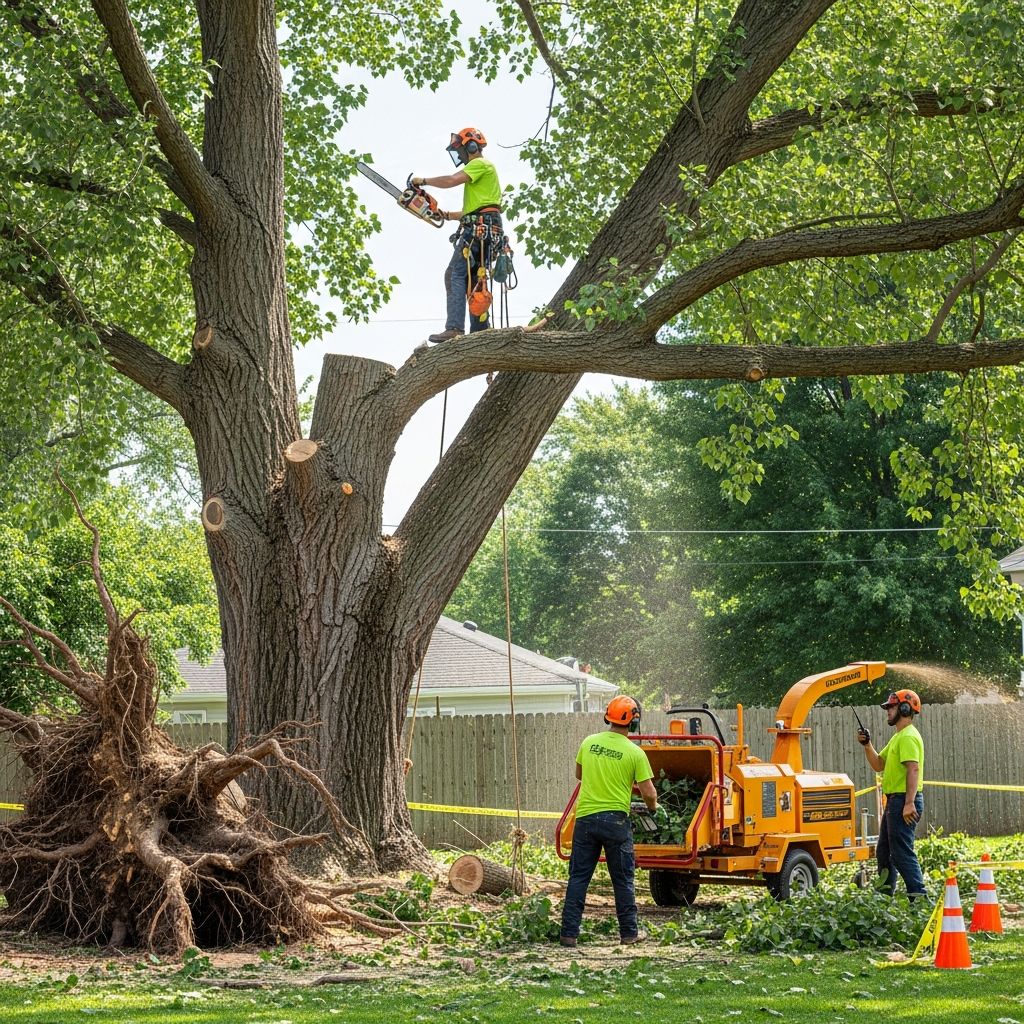
- Manual Cutting and Stump Removal: For saplings under 6 inches in diameter, use a pruning saw or chainsaw to fell the tree at ground level. Immediately grind the stump with a stump grinder to 6-12 inches below soil, removing major roots to halt regrowth. Cover the area with heavy mulch to suppress shoots.
- Girdling: Cut a 2-4 inch wide ring of bark around the trunk, fully removing it to expose the cambium layer. This disrupts nutrient flow, causing dieback over 1-2 seasons. Repeat on suckers for thorough control.
- Root Excavation: Dig a trench around the stump, severing lateral roots with a mattock. Pull the stump using a truck winch or excavator for larger specimens. This method suits trees near structures but risks soil disruption.
Mechanical methods excel in visibility, allowing precise targeting, though they require protective gear like gloves, goggles, and chainsaw chaps to mitigate injury risks.
Chemical Applications for Complete Eradication
Herbicides target systemic killage, absorbed through cuts or foliage for root-level destruction. Always follow label instructions and local regulations, applying during active growth periods like late spring.
| Method | Herbicide Type | Application Steps | Pros | Cons |
|---|---|---|---|---|
| Frill or Hack-and-Squirt | Glyphosate or triclopyr (50-100% concentration) | Make downward cuts every 2 inches around trunk; immediately apply herbicide to cuts. | Precise, low drift risk | Labor-intensive for large trees |
| Foliar Spray | Glyphosate (2-5% solution) | Spray leaves thoroughly on calm days; avoid runoff. | Covers multiple stems easily | Affects nearby plants |
| Stump Treatment | Imazapyr or picloram | Apply to freshly cut stump immediately after felling. | Prevents resprouting | Soil persistence concerns |
Combine methods for best results: fell the tree, then treat the stump. Monitor for 1-2 years, reapplying as needed on regrowth. Professional applicators ensure compliance with environmental guidelines.
Natural and Biological Alternatives
For those avoiding synthetics, organic strategies leverage competition and biology, though slower-acting.
- Rock Salt or Epsom Salt: Drill holes into the stump, fill with salt, and cover with a tarp. Salt dehydrates roots over months, inhibiting water uptake.
- Vinegar Solution: Mix horticultural vinegar (20% acetic acid) with dish soap; apply to cuts or spray foliage. Repeat applications enhance efficacy without residues.
- Encouraging Competition: Plant dense groundcovers like clover or install landscape fabric post-removal to shade out suckers. Mulch with cardboard layers starves remaining roots.
- Goat Browsing: Rent goats for natural defoliation; their grazing weakens trees over weeks.
These methods suit small infestations, promoting soil health while minimizing chemical use. Patience is key, as full die-off may take 6-18 months.
Preventing Poplar Regrowth and Sucker Management
Poplars propagate via root suckers, emerging vigorously after disturbance. Post-removal vigilance is crucial.
- Apply persistent herbicides like imazapyr to sucker bases weekly.
- Mow or clip suckers regularly, preventing photosynthesis.
- Install root barriers 2-3 feet deep during excavation to block lateral spread.
Soil solarization—covering moist soil with clear plastic for 4-6 weeks in summer—cooks shallow roots, reducing resurgence. Replant with deep-rooted natives like oaks to stabilize soil long-term.
Safety Considerations and Legal Aspects
Tree removal poses hazards: falling limbs, equipment mishaps, and chemical exposure. Wear PPE, assess lean direction before cutting, and maintain a 45-degree escape path. For trees over 20 feet or near utilities, hire certified arborists.
Check local ordinances; some areas protect poplars as windbreaks or habitats. Permits may be required for chemical use or large-scale clearing. Dispose of debris via chipping or municipal pickup, composting non-treated wood.
Environmental Impact and Sustainable Practices
Poplars aid erosion control and wildlife, so targeted removal preserves benefits. Replace with slower-growing alternatives like hybrid hybrids for similar shade without invasiveness. Integrated pest management combines methods, reducing herbicide reliance.
Frequently Asked Questions (FAQs)
Q: How long does it take for a poplar tree to die after treatment?
A: Chemical methods kill tops in weeks, but roots may take 1-2 years; mechanical removal is instant but requires follow-up.
Q: Are poplar roots invasive?
A: Yes, they seek water aggressively, cracking pipes and lifting sidewalks within 20-30 feet of the trunk.
Q: Can I remove a poplar tree myself?
A: Small trees yes, with proper tools; larger ones demand professionals to avoid damage or injury.
Q: What is the best herbicide for poplars?
A: Glyphosate for general use, triclopyr for basal bark; choose based on site and regulations.
Q: Do poplars grow back from stumps?
A: Frequently via suckers; treat promptly to prevent.
Long-Term Landscape Recovery After Removal
After eradication, amend soil with compost to restore nutrients depleted by poplar roots. Aerate compacted areas and sow native wildflowers for biodiversity. Monitor for 2 years, using integrated strategies to maintain a balanced ecosystem. This holistic approach transforms problem areas into thriving gardens.
References
- What Does a Poplar Tree Look Like? — Karsten Nursery. 2023. https://karstennursery.com/blogs/blogs/what-does-a-poplar-tree-look-like
- Populus alba (white poplar) — Go Botany, Native Plant Trust. 2024. https://gobotany.nativeplanttrust.org/species/populus/alba/
- Six poplar trees and how to identify them — Gardeners’ World. 2023. https://www.gardenersworld.com/plants/poplar-trees/
- White Poplar — Utah State University Extension. 2022. https://extension.usu.edu/forestry/tree-identification/poplar-aspen/white-poplar
- How to identify & control Black Poplar and White Poplar — Corteva Agriscience. 2024. https://www.corteva.com/ca-en/resources/agronomy-hub/identify-control-black-white-poplar.html
Similar Articles







Read full bio of medha deb