Eliminate Air from Water Pipes: Complete Guide
Discover effective DIY methods to remove trapped air from home water lines, restore pressure, and silence noisy pipes effortlessly.
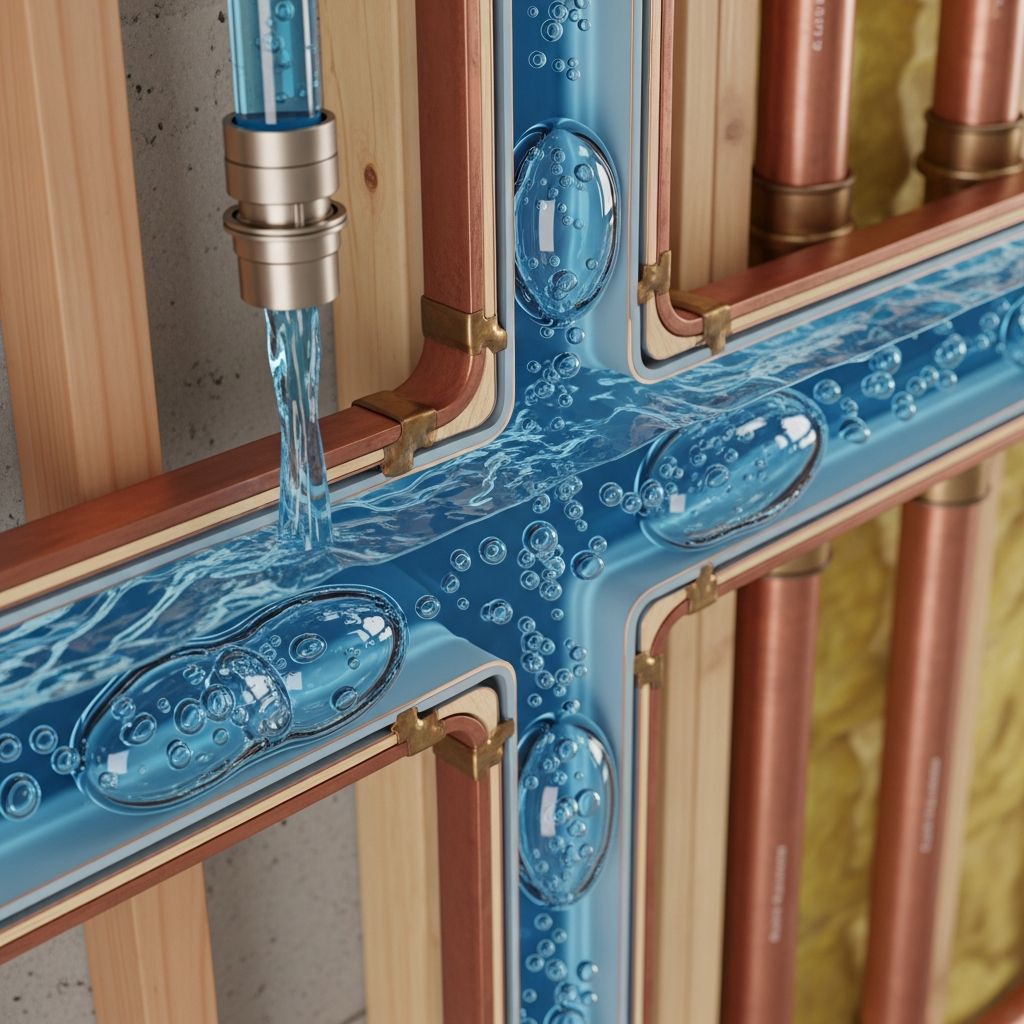
Trapped air in residential water pipes disrupts normal flow, leading to frustrating symptoms like sputtering faucets and diminished pressure. Homeowners frequently encounter this after water service interruptions or maintenance work. Addressing it promptly restores efficiency and prevents ongoing annoyances.
Recognizing Symptoms of Air Trapped in Plumbing
Air pockets manifest through distinct signs in your home’s water system. Faucets may sputter or cough irregularly, expelling bursts of air mixed with water. Water pressure often drops noticeably, particularly in upper floors or distant fixtures. Noises such as banging, whistling, or gurgling emanate from walls and pipes during use. In severe cases, prolonged exposure accelerates corrosion inside metal pipes, though this remains rare in standard setups.
These indicators stem from air compressing within lines, obstructing steady water delivery. Unlike leaks, which cause drips or wet spots, air issues primarily affect flow consistency without visible water loss.
Common Triggers for Air Entering Water Lines
Several events introduce air into plumbing. Municipal water shutoffs for repairs frequently allow air to infiltrate lines upon restoration. Installing new fixtures, such as faucets or appliances, often disturbs existing water, creating voids. Pump failures in well systems or sudden pressure drops from burst pipes nearby contribute as well. Even routine tasks like draining lines for winterization can trap residual air if not purged properly.
Gravity-fed systems in multi-story homes exacerbate the problem, as air naturally rises to high points. Hot water lines prove especially prone due to expansion and contraction cycles in heaters.
Gathering Essential Tools for the Task
Prepare with basic items to streamline the process. An adjustable wrench handles stubborn valves. Buckets or shallow pans catch draining water. Towels absorb spills around fixtures. A flathead screwdriver aids in accessing certain drains. Flashlights help in dim basements or crawlspaces where shutoff valves hide.
No specialized equipment proves necessary for most homes, making this a low-barrier DIY project. Safety gear like gloves prevents slips on wet floors.
Locating Your Home’s Primary Water Shutoff
Identifying the main valve marks the starting point. In basements, seek it near the foundation perimeter or water meter. Outdoor locations include meter boxes or along exterior walls. Some homes feature it adjacent to the water heater or under kitchen sinks. Distinguish between gate valves, requiring clockwise wheel turns, and modern ball valves, operated by a 90-degree lever perpendicular to the pipe.
If calcification resists turning, avoid forcing it to prevent damage. Consult local utility guidelines or a professional in such instances.
Mastering the Four-Step Air Purging Process
This proven sequence clears air systematically from both hot and cold lines. Follow precisely for best outcomes.
- Shut Down the Main Supply: Close the primary valve fully. This halts inflow, allowing existing water—and air—to exit without replenishment.
- Activate All Fixtures Progressively: Begin at the fixture nearest the shutoff, opening hot and cold faucets halfway. Proceed outward to sinks, showers, tubs, and outdoor spigots. Engage appliances like dishwashers and washers on drain cycles. Half-open positions facilitate air escape without excessive pressure buildup.
- Drain Completely and Flush Fixtures: Allow faucets to run until dry, timing varies by home size. Then flush every toilet repeatedly until tanks empty, ensuring comprehensive evacuation.
- Restore Supply Gradually: With fixtures open, reopen the main valve slowly. Monitor for 10-15 minutes until flow stabilizes without sputtering or noise. Test appliances via short cycles.
Sequencing Faucet Closures for Optimal Results
Reverse the opening order when shutting off. Start with the farthest fixture, closing it fully before moving inward toward the main valve. Pause two minutes between each, flushing toilets post-closest faucet if needed. This method pushes remaining air toward the supply, minimizing re-trapping.
Addressing Air Specifically in Hot Water Systems
Hot lines demand targeted attention if symptoms persist post-general bleed. Locate the water heater’s drain valve, typically at the base. Attach a garden hose if draining outdoors, directing to a safe area. Open the valve while running nearby hot faucets to release air and sediment. Follow manufacturer instructions meticulously, as models vary. Refill slowly with cold faucets open to avoid thermal shock.
| Aspect | Cold Lines | Hot Lines |
|---|---|---|
| Primary Method | Full-house bleed | Heater drain + faucets |
| Tools Needed | Basic (wrench, bucket) | Hose, heater manual |
| Duration | 15-30 minutes | 20-45 minutes |
| Frequency | Post-shutoff events | Annual maintenance |
Troubleshooting Persistent Air Issues
If symptoms linger, inspect for leaks allowing air ingress. Check well pumps for faults if applicable. High elevation fixtures may require automatic air vents installed by pros. Noisy pipes post-bleed signal water hammer; arrestors mitigate this. Reduced pressure despite clear flow suggests mineral buildup or valve issues meriting inspection.
Preventive Strategies to Avoid Future Air Buildup
Minimize occurrences through vigilance. After any shutoff, bleed lines immediately. Install check valves in prone systems. Schedule annual heater flushes to expel air alongside sediment. Monitor pressure gauges for early warnings. Well owners should verify pump check valves regularly.
- Label shutoff locations for quick access.
- Use water softeners in hard water areas to curb valve sticking.
- Educate household members on post-outage protocols.
Professional Intervention: When to Call Experts
DIY resolves most cases, but persistent problems warrant pros. Indicators include unrelieved sputtering after multiple attempts, visible leaks, or main valve failures. Licensed plumbers diagnose underlying issues like pipe damage or pressure regulator faults efficiently. Costs typically range modestly for simple bleeds.
Frequently Asked Questions (FAQs)
Can air in pipes damage my plumbing?
Generally no, but chronic cases promote corrosion and noise. Prompt removal averts complications.
How long does bleeding pipes take?
15-30 minutes for standard homes; longer for larger properties or hot systems.
Why do faucets sputter only on hot water?
Air accumulates in heaters due to heating cycles; drain the tank specifically.
Is it safe to bleed pipes alone?
Yes, with basic precautions like placing buckets and avoiding forced valves.
What if my main valve won’t turn?
Cease forcing; contact a plumber to avoid breaks.
Advanced Techniques for Complex Systems
Larger homes or those with multiple zones benefit from zone-specific bleeds. Isolate sections via secondary valves if equipped. Pressurized systems employ air eliminators at high points. For radiant heating ties, follow separate protocols to avoid mixing loops. Consult blueprints for custom setups.
Well systems require priming post-bleed if pumps lose suction. Submersible models often self-prime; jet pumps may need manual filling. Test pressure switches post-procedure.
Understanding Plumbing Physics Behind Air Trapping
Air, lighter than water, migrates upward, lodging in bends, elbows, and risers. Bernoulli’s principle explains pressure drops amplifying effects. Compressible air causes flow pulsations unlike incompressible water. Proper bleeding exploits gravity and momentum to displace pockets downward.
Modern codes mandate air admittance valves in some fixtures to auto-vent minor accumulations, reducing manual needs.
This guide equips homeowners to handle air in pipes confidently, ensuring reliable water delivery year-round.
References
- How to remove air from your home water lines — Cinch Home Services. 2023-05-15. https://www.cinchhomeservices.com/homeowners/blog/how-to-remove-air-from-home-water-lines
- How to Remove Air from Your Water Pipes — Gallegos Plumbing. 2021-11-01. https://www.gallegosplumbing.com/blog/2021/november/how-to-remove-air-from-your-water-pipes/
- How To Remove Air in Water Pipes — This Old House. 2024-08-20. https://www.thisoldhouse.com/plumbing/fix-air-in-water-pipes
Similar Articles



Read full bio of Sneha Tete