Eliminate Ant Hills: Proven Yard Strategies
Discover effective, safe methods to destroy ant hills in your yard and prevent future infestations for a pest-free outdoor space.
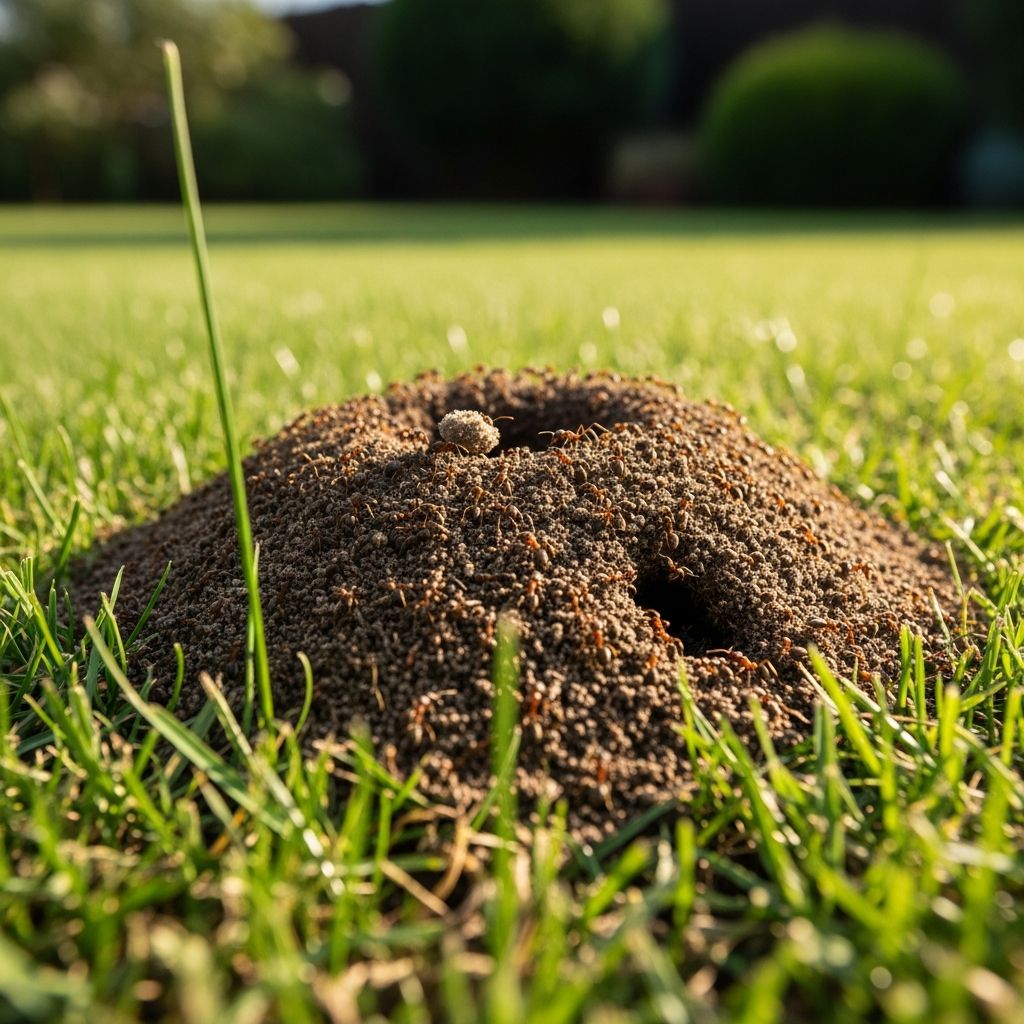
Ant hills popping up in your yard can turn a relaxing outdoor space into a frustrating battleground. These structures signal active colonies that may damage plants, create uneven surfaces, and invade your home. Understanding ant behavior and applying targeted treatments allows homeowners to reclaim their lawns effectively. This guide explores identification, natural solutions, chemical options, and long-term prevention to ensure your yard stays ant-free.
Understanding Ant Hills and Colony Dynamics
Ant hills, or mounds, serve as entry points to underground nests where colonies thrive. Worker ants excavate soil to build tunnels, pushing debris to the surface, forming visible peaks often 6-12 inches high. Different species, like fire ants or pavement ants, construct varying mound types—some crumbly, others dome-shaped. Colonies can house thousands of ants, including a queen responsible for reproduction.
These pests prefer warm, dry soil with nearby moisture and food sources. Yards with mulch, leaf litter, or standing water attract them rapidly. Recognizing early signs—trails of ants marching in lines or small soil piles—helps intervene before mounds grow large. Regular yard inspections reveal hidden nests under rocks, sidewalks, or near foundations.
Locating Hidden Ant Hills on Your Property
Finding all ant hills requires patience and observation. Start early morning when ants forage actively. Follow trails from plants or trash back to nests; ants carry food in straight paths. Inspect common hotspots:
- Sunny, south-facing yard areas for heat-loving species.
- Moist spots near sprinklers, downspouts, or low-lying grass.
- Cracks in driveways, patios, or along fences.
- Under potted plants, bricks, or wood piles.
Use a flashlight at dusk for shaded colonies. Probe suspicious soil with a stick; active nests release ants defensively. Mapping locations prevents missing satellite colonies during treatment.
Natural Methods to Destroy Ant Hills Immediately
Many homeowners prefer eco-friendly approaches before chemicals. These disrupt colonies without harsh residues.
Boiling Water Treatment
Pour 2-3 gallons of boiling water directly into mound openings. The heat scalds ants on contact, collapsing tunnels and killing up to 90% of surface dwellers. Repeat after 24 hours for survivors. Caution: Avoid near desirable plants, as roots may suffer.
Physical Disruption Techniques
Rake or shovel mounds flat, exposing ants to elements. This destroys structure, forcing relocation. Combine with soapy water—mix 1/4 cup dish soap per gallon—for suffocation. Pour into holes post-flattening.
Flooding with Hose Pressure
Blast mounds with high-pressure hose for 5-10 minutes. Water drowns ants, erodes soil, and flushes out queens. Best after rain when soil softens. Follow with flattening to deter rebuilding.
These methods work best on small infestations, succeeding 70-80% of the time per applications.
Diy Bait Systems for Colony Elimination
Baits target the queen, ensuring total wipeout. Ants carry poison back, poisoning the nest over days.
| Method | Ingredients | Application | Effectiveness |
|---|---|---|---|
| Boric Acid Mix | Boric acid, sugar, water (1:1:1 ratio) | Place in shallow lids near trails | High; kills in 24-48 hours |
| Borax Paste | Borax, peanut butter, honey | Dab on paper near mounds | Medium-high; attracts protein-seekers |
| Commercial Stakes | Pre-filled bait stations | Insert into soil by hills | Very high; weather-resistant |
Mix baits fresh; ants ignore spoiled ones. Place evenings when activity peaks. Monitor for 1-2 weeks; mound activity ceases as colony dies.
Chemical Controls for Stubborn Infestations
When naturals fail, targeted pesticides provide quick results. Choose products labeled for ants.
- Insecticide Dusts: Sprinkle deltamethrin-based dust into openings. Ants track it inside, killing via contact.
- Granular Insecticides: Broadcast bifenthrin granules over yard with spreader. Creates barriers; ants ingest during grooming.
- Liquid Drenches: Mix concentrate, pour 1-2 gallons per mound. Penetrates deep for queen access.
Apply evenings, water lightly post-treatment. Wear gloves, keep pets away 24-48 hours. Rotate types to prevent resistance.
Long-Term Prevention: Keeping Ants Away
Eradication alone invites reinfestation. Maintain defenses:
- Seal home entry: Caulk cracks, screen vents.
- Yard hygiene: Remove debris, trim vegetation, fix leaks.
- Barriers: Diatomaceous earth or cinnamon around foundations.
- Weekly checks: Spot-treat new mounds mornings.
Plant ant-repelling herbs like mint, lavender. Aerate soil annually to discourage nesting.
Species-Specific Challenges and Solutions
Not all ants respond equally. Fire ants require mound drenches; carpenter ants nest in wood, needing bait trails. Identify by mound shape—crusty for harvesters, loose for others. Tailor methods: Aggressive species demand granules plus baits.
FAQs
Why do ant hills appear suddenly in yards?
Ants thrive in warm weather, expanding nests rapidly with ample food and moisture. Standing water or spills accelerate invasions.
Does vinegar or bleach work on ant hills?
Vinegar disrupts trails temporarily; bleach kills on contact but doesn’t reach queens. Use as spot treatments, not primaries.
How long until ant hills disappear after treatment?
Natural methods: 1-3 days. Baits: 3-7 days. Chemicals: 24-72 hours. Full clearance takes 1-2 weeks.
Are treatments safe for pets and kids?
Natural options yes, after drying. Chemicals: Restrict access 48 hours. Choose pet-safe labels.
When to hire professionals?
Multiple/large mounds, recurring issues, or fire ants. Experts use pro-grade tools for one-visit elimination.
Seasonal Management Tips
Spring: Target queens post-winter. Summer: Frequent baits amid foraging peaks. Fall: Granules before dormancy. Winter: Minimal, focus prevention.
Integrate methods: Boiling water + baits for 95% success. Track progress with photos.
References
- How Do Ants Build Anthills — Orkin. 2023. https://www.orkin.com/pests/ants/how-do-ants-build-anthills
- How to Get Rid of Ant Hills in Your Yard — Pest Czar. 2024. https://pestczar.com/how-to-get-rid-of-ant-hills-in-your-yard/
- How do I get Rid of Ant Hills? | Pest Support — YouTube (Pest Support). 2022-10-15. https://www.youtube.com/watch?v=INYcbfBmykY
- Make Your Yard ANT FREE FOREVER In 3 Easy Steps — YouTube. 2023-05-20. https://www.youtube.com/watch?v=pr521FO4sMY
- Ants and Human Health — University of California Agriculture (UC IPM). 2024-01-10. https://ipm.ucanr.edu/PMG/PESTNOTES/pn7411.html
Similar Articles







Read full bio of Sneha Tete