Eliminate Brush Marks on Painted Walls
Discover proven techniques to smooth out brush marks and achieve a flawless painted wall finish every time with expert DIY guidance.
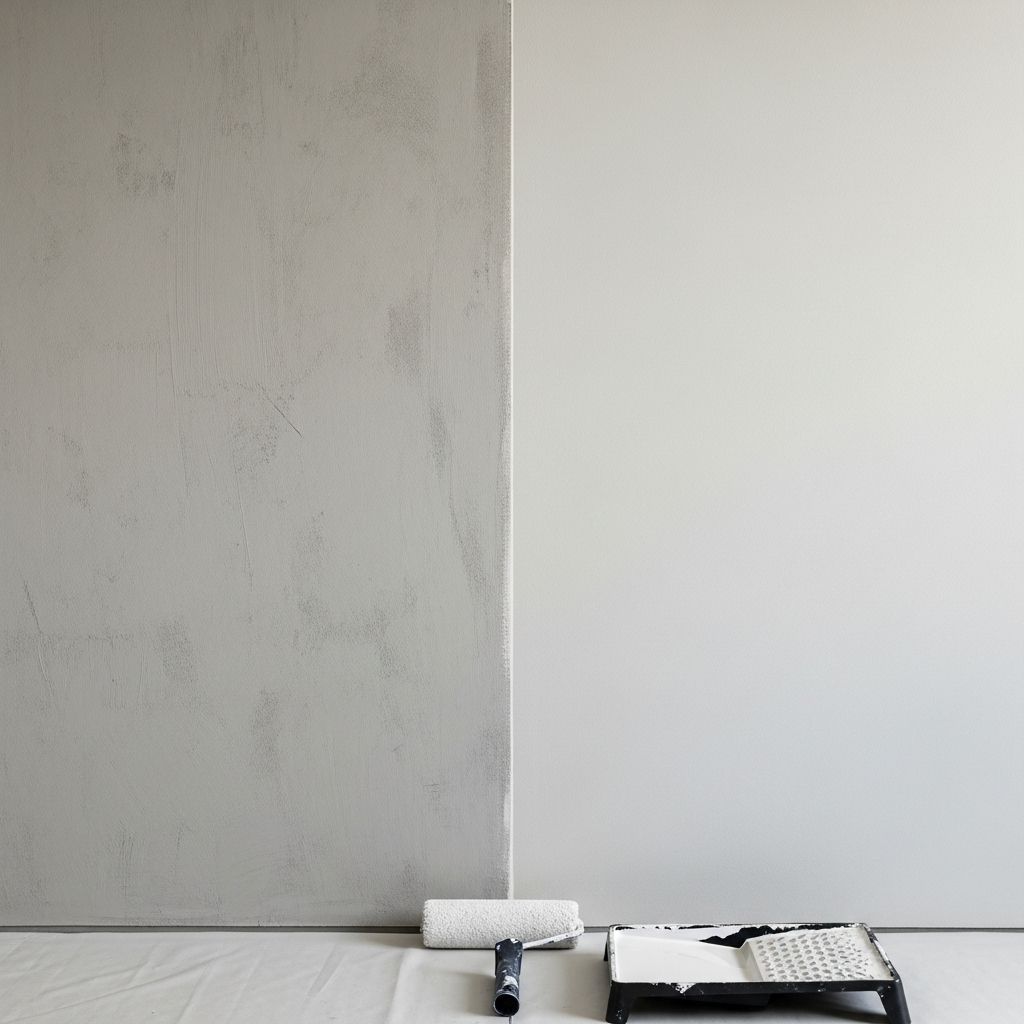
Achieving a smooth, professional finish on painted walls often hinges on avoiding common pitfalls like visible brush marks. These unsightly lines appear when paint application leaves behind tracks from bristles, disrupting the even surface homeowners desire. This comprehensive guide explores the reasons behind brush marks, practical remedies to fix them, and strategies to prevent recurrence, empowering DIY enthusiasts to perfect their projects.
Understanding the Root Causes of Brush Marks
Brush marks emerge from several factors during the painting process. Applying paint over areas that have begun to dry creates ridges as fresh paint fails to blend seamlessly with set layers. Overworking the paint—through excessive brushing or rapid strokes—lifts the underlying coat, embedding texture into the new application. Selecting inappropriate brushes, such as those with worn bristles or incorrect stiffness, exacerbates the issue by failing to distribute paint evenly.
Environmental conditions play a role too. Painting on hot surfaces or in direct sunlight accelerates drying, locking in imperfections before correction. Porous walls absorb paint unevenly, demanding multiple passes that highlight brush paths. Thin paint films lack the depth to self-level, leaving strokes prominent. Recognizing these triggers allows painters to address them proactively.
- Partial drying: Fresh paint on tacky surfaces forms ridges.
- Overworking: Too much manipulation disturbs wet layers.
- Tool mismatch: Wrong brush type impedes smooth flow.
- Thin coats: Insufficient thickness prevents leveling.
- Heat exposure: Rapid drying on warm walls traps marks.
Essential Tools for Smoothing Imperfect Paint
Gathering the right equipment forms the foundation of effective brush mark removal. Fine-grit sandpaper, ranging from 180 to 220 grit, gently abrades raised lines without damaging the base coat. High-quality synthetic brushes with tapered filaments suit latex paints, while natural bristles work best for oil-based formulas. Rollers with appropriate nap lengths—1/4-inch for glossy finishes and 3/8-inch for flats—offer superior alternatives to brushing alone.
Cleaning supplies like microfiber cloths and tack cloths ensure dust-free surfaces post-sanding. Extension poles facilitate reach on high walls, maintaining consistent pressure. Paint trays with liners minimize waste, and angled sash brushes access edges precisely. Investing in premium tools yields measurable improvements in finish quality.
| Tool | Purpose | Recommended Type |
|---|---|---|
| Sandpaper | Level marks | 180-220 grit |
| Brush | Edge work | Synthetic for latex |
| Roller | Main coverage | 3/8-inch nap |
| Tack Cloth | Dust removal | Microfiber |
Step-by-Step Guide to Fixing Brush Marks
Restoring a marred wall requires methodical action. Begin by assessing the damage under good lighting to identify all affected zones. Lightly sand raised areas with fine-grit paper in circular motions, feathering edges to blend seamlessly. Wipe away residue with a damp cloth, then a dry one to prevent moisture streaks.
Prime sanded spots if the original coat is compromised, ensuring adhesion for new paint. Pre-wet brushes or rollers with water for latex paints, shaking off excess to avoid dilution. Apply thin, even coats using long, overlapping strokes, maintaining a wet edge to prevent lap marks. Allow full drying between layers, typically 2-4 hours for latex.
- Sand lightly to flatten ridges.
- Clean thoroughly.
- Prime if needed.
- Apply corrective paint with proper technique.
- Inspect and repeat as necessary.
For stubborn marks, a second sanding pass after the first coat may be required. Patience ensures durability.
Advanced Techniques for Flawless Wall Finishes
Beyond basics, skilled painters employ strategies for superior results. “Cutting in” edges first creates a buffer zone for rolling, minimizing brush overlap. Back-rolling—passing a roller over brushed areas—blends textures effectively. Spraying paint via HVLP systems atomizes droplets for ultra-smooth coverage, though masking is essential.
Thin paint to manufacturer specifications using a viscosity cup, promoting flow without runs. Work in sections no larger than 3×3 feet to maintain wet edges. For textured walls, longer nap rollers (1/2-inch or more) accommodate surfaces without stippling. These methods elevate amateur efforts to pro standards.
Prevention Strategies for Future Projects
Avoiding brush marks starts with preparation. Clean and patch walls thoroughly, applying primer to seal porous substrates. Choose high-quality, self-leveling paints formulated for smooth sheens. Maintain optimal conditions: 50-85°F temperatures and moderate humidity prevent rapid drying.
Practice technique on scrap drywall. Load brushes one-third full, avoiding drips. Use broad strokes followed by light tipping-off for evenness. Switch to rollers for large areas, reserving brushes for trims. Proper storage—cleaning tools immediately—preserves performance across jobs.
- Prime all surfaces.
- Control environment.
- Use quality materials.
- Master wet-edge rolling.
Common Mistakes and How to Avoid Them
DIYers often overload brushes, causing drips and streaks—dip only to bristle base. Ignoring drying times leads to reworking dry paint, embedding marks. Poor lighting hides defects until completion. Rushing sections creates visible seams. Counter these by planning sessions, using drop cloths, and stepping back frequently to check progress.
Choosing the Right Paint and Sheen
Paint selection influences mark visibility. Flat finishes camouflage minor imperfections but stain easily; eggshell or satin offers balance. Semi-gloss highlights flaws, demanding precision. Latex paints dry faster, aiding multiple coats, while oils self-level better. Test samples on inconspicuous areas to gauge performance.
| Sheen | Mark Visibility | Best Use |
|---|---|---|
| Flat | Low | Low-traffic walls |
| Eggshell | Medium | Living areas |
| Semi-Gloss | High | Trims, kitchens |
FAQs
Can I paint over brush marks without sanding?
No, sanding is crucial to level the surface; painting directly amplifies ridges.
How long should paint dry between coats?
Wait 2-4 hours for latex, 24 hours for oil-based, per manufacturer guidelines.
Will primer hide brush marks?
Primer seals but doesn’t flatten; sand first for best results.
Are foam brushes better for smooth finishes?
Foam works for small areas but rollers excel for walls.
What if marks persist after two coats?
Sand again and apply a high-build primer before repainting.
References
- How to Fix Brush Marks, Roller Marks and Stippling — Sherwin-Williams. 2023. https://www.sherwin-williams.com/en-us/project-center/maintenance-repair/how-to-fix-brush-marks-stippling
- Correcting wall area where brush strokes are visible — Screwfix Community. 2022-10-15. https://community.screwfix.com/threads/correcting-wall-area-where-brush-strokes-are-visible.206157/
- How to Fix Paint Drips and Brush Marks on Your Walls — Futura Cleaning. 2024. https://www.futuracleaning.com/blog/fix-paint-drips-brush-marks
Similar Articles



Read full bio of medha deb