Eliminate Bubbles from Car Window Tint
Discover proven DIY techniques to remove air bubbles from your car window tint and restore a flawless finish without professional help.
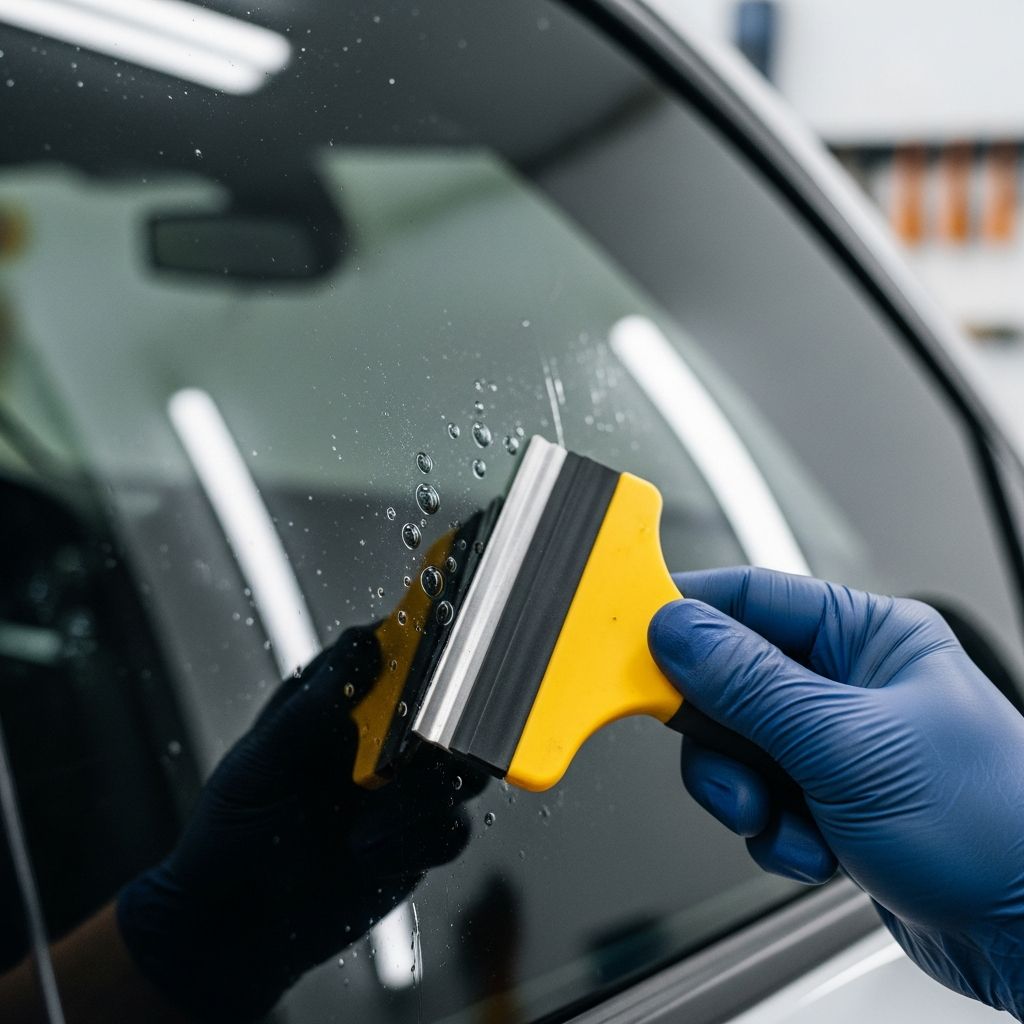
Air bubbles trapped under car window tint can detract from your vehicle’s appearance and functionality, but they are often fixable with the right approach. This comprehensive guide explores practical DIY solutions to smooth out imperfections, drawing from established automotive detailing practices to help you achieve a seamless look.
Understanding the Causes of Bubbles in Window Tint
Bubbles form when air becomes trapped between the tint film and the glass during installation or due to environmental factors post-application. Common culprits include improper application techniques, such as inadequate squeegeeing, dust particles on the glass, or temperature fluctuations that cause the adhesive to contract unevenly. Moisture from washing the car too soon after tinting can also contribute, as can shrinking of the film around edges if not heated correctly.
Recognizing the type of bubble is crucial: small air pockets under 1/4 inch are typically surface-level and responsive to heat, while larger ones may indicate deeper adhesive separation. Addressing them within the first 48-72 hours yields the best results, as the adhesive remains pliable before fully curing.
Essential Tools for DIY Tint Bubble Removal
Gathering the proper equipment ensures safe and effective repairs. Here’s a curated list of must-haves:
- Hair dryer or heat gun: Provides controlled heat to soften adhesive without scorching the film.
- Fine needle or pin: For precise puncturing of small bubbles.
- Microfiber cloths: Lint-free for pressing and smoothing.
- Plastic squeegee or credit card: Flat-edged tool wrapped in cloth to push out air.
- Baby shampoo and distilled water: For creating a slip solution that reactivates adhesive.
- Steamer (optional): Delivers penetrating moisture and heat for stubborn spots.
These items are inexpensive and readily available, making DIY fixes accessible for most vehicle owners.
Step-by-Step Guide: Fixing Small Bubbles with Heat and Puncture
For bubbles smaller than 1/4 inch, this method is highly effective if attempted promptly.
- Prepare the area: Clean the exterior of the window with a microfiber cloth to remove debris.
- Apply heat: Set a hair dryer to medium heat and hold it 6 inches from the bubble. Warm the spot for 30-60 seconds until the film feels pliable (around 120-140°F). Avoid overheating to prevent warping.
- Puncture carefully: Insert a fine needle at a 45-degree angle into the bubble’s center, creating the tiniest hole possible. Steady hands prevent tears.
- Smooth outward: Use a cloth-covered credit card to press from the center toward the edges and needle hole, squeezing out air like toothpaste from a tube.
- Repeat if needed: Reheat and smooth until flat. Allow 24 hours to dry before washing.
This technique works because heat reactivates the adhesive, allowing air to escape without residue.
Advanced Technique: Soapy Water Slip Solution for Larger Bubbles
When dry heat isn’t enough, a mild soap solution mimics professional installation methods.
Mix 2-3 drops of baby shampoo per cup of distilled water—tap water’s minerals can cause streaks. Mist lightly on the bubbled area from outside the vehicle. The solution softens the adhesive without over-saturating.
Using a squeegee, work from the bubble’s center outward in overlapping strokes, directing air to edges or the puncture. This “herding” motion prevents reformation. Ideal within 48 hours, as the adhesive is still active.
| Method | Best For | Pros | Cons |
|---|---|---|---|
| Heat + Needle | Small bubbles (<1/4″) | Quick, no mess | Limited to fresh bubbles |
| Soapy Water | Medium bubbles | Reactivates adhesive fully | Risk of over-wetting |
Steam Treatment for Stubborn or Aged Bubbles
Steam penetrates deeper than dry heat, combining moisture and warmth to loosen cured adhesive. Position the steamer nozzle 2-3 inches from the glass for 30-60 seconds until the film softens slightly.
Immediately (within 10 seconds), puncture and squeegee vigorously. The narrow window demands precision—delay hardens the adhesive again. This method suits bubbles older than 3 days but requires practice to avoid film damage.
Preventing Bubbles During and After Tint Installation
Proactive steps minimize issues:
- Clean thoroughly: Use distilled water and lint-free wipes on glass before applying tint.
- Control environment: Install in 60-80°F conditions with low humidity.
- Squeegee properly: Start from center, push to edges with firm, overlapping strokes.
- Post-install care: Avoid water for 3-5 days; park in shade to prevent uneven curing.
- Choose quality film: High-grade tints with better adhesives resist bubbling.
These habits extend tint life up to 5-10 years.
Troubleshooting Common Mistakes and When to Call a Pro
DIY pitfalls include overheating (causes discoloration), oversized punctures (visible scars), or excessive water (cloudy patches). If bubbles persist after 3 days or cover large areas, adhesive separation may require full replacement.
Professionals use industrial tools for peeling edges: reapply tint adhesive thinly, press firmly, and squeegee. Signs for pros: bubbles larger than 1/2 inch, peeling, or multiple failures.
FAQs on Car Window Tint Bubble Fixes
Q: How soon after tinting can I fix bubbles?
A: Within 3 days for best results; adhesives cure quickly.
Q: Will heat damage my tint?
A: Not if kept at 120-140°F and moved constantly.
Q: Can I fix bubbles on rear windows?
A: Yes, but access from inside; heat from outside.
Q: Is steaming safe for all tint types?
A: Best for standard films; test ceramic tints cautiously.
Q: How long until I can wash my car post-fix?
A: Wait 24-48 hours for adhesive to reset.
Long-Term Maintenance for Bubble-Free Tints
Regular care preserves repairs: Use ammonia-free cleaners, soft cloths, and avoid abrasive tools. Annual inspections catch early bubbling. UV protectants on exterior film prevent adhesive breakdown from sun exposure.
Investing in professional-grade tools elevates DIY skills, potentially saving hundreds on replacements.
References
- Can You Fix Window Tint Bubbles Without Replacing It? — OCT Int Shop. 2023. https://www.octintshop.com/fix-window-tint-bubbles/
- What to Do If Your Window Tint Starts to Bubble or Peel — LAT 33 Tint. 2023. https://www.lat33tint.com/what-to-do-if-your-window-tint-starts-to-bubble-or-peel
Similar Articles



Read full bio of medha deb