Eliminate Dead Rodent Odor Fast
Discover proven methods to neutralize foul smells from deceased rats or mice in walls, attics, and hidden spots without endless hassle.
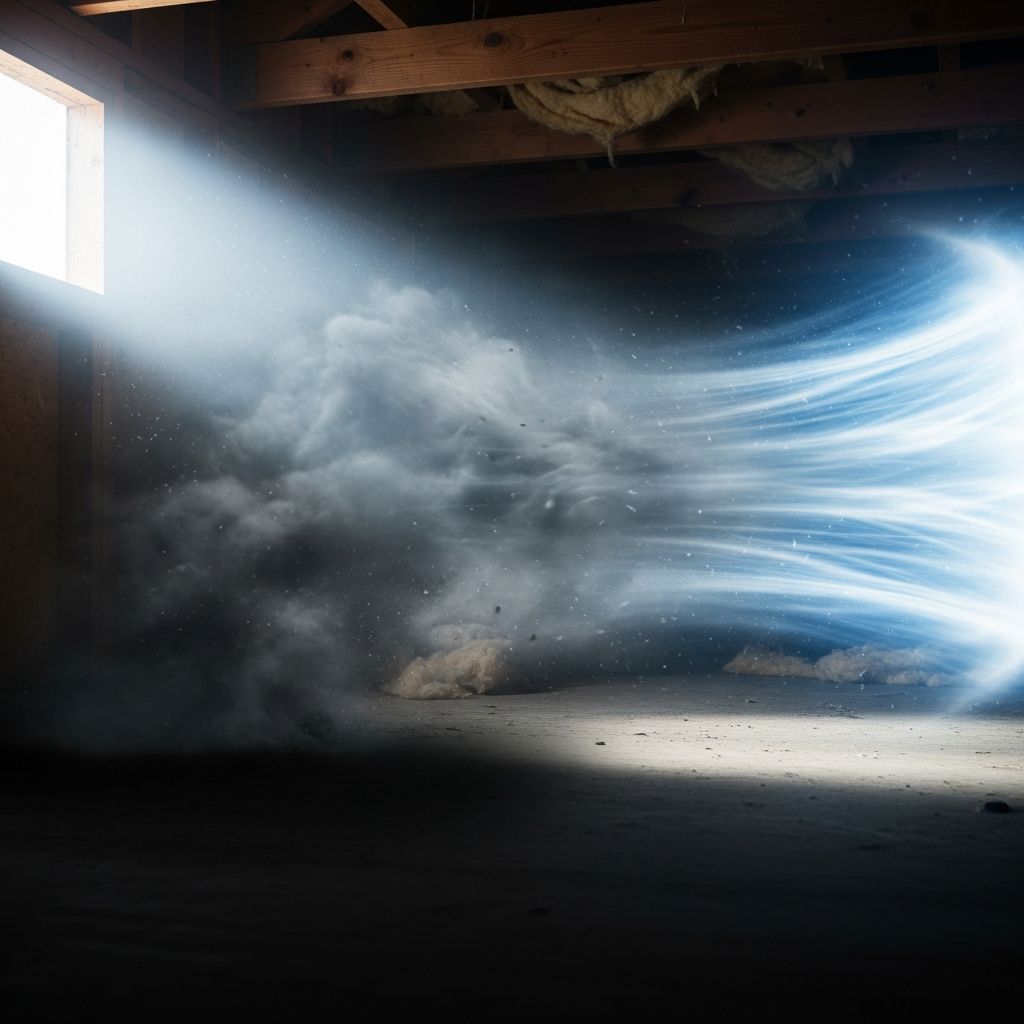
The pungent stench from a deceased rat or mouse can infiltrate your home, turning comfortable spaces into unbearable zones. This odor arises from decomposition gases released as bacteria break down the body, often lingering in walls, attics, or vents. Acting swiftly with targeted methods restores freshness without invasive measures.
Understanding the Source of Rodent Odors
Dead rodents emit volatile compounds like putrescine and cadaverine, creating that unmistakable foul smell. These gases seep through cracks, drywall, and insulation, spreading far from the carcass. Factors such as temperature, humidity, and rodent size influence intensity—warmer conditions accelerate decomposition, worsening the issue. Smaller mice may decompose in days, while rats take weeks.
Common hiding spots include wall voids, crawl spaces, attics, and behind appliances. Rodents often die in these areas after consuming bait or succumbing to traps, making indoor baits risky as they encourage hidden deaths. Early detection via the smell’s progression—initial mild scent to peak intensity—helps narrow searches.
Step-by-Step Detection Techniques
Follow your nose: the strongest odor points to the source. Use a flashlight and mirror to inspect attics, basements, and cabinets. In walls, listen for fly buzzing or tap surfaces to gauge hollow sounds. Thermal cameras or borescopes aid pros in pinpointing without demolition.
- Attic checks: Move insulation aside; look for stains or maggots.
- Wall voids: Drill small holes and use an endoscope camera.
- Vents and ducts: Remove covers and vacuum accessible areas.
- Crawl spaces: Wear protective gear; probe with a long pole.
If undiscovered, mark the timeline: odors peak at 3-5 days post-death and fade after full dehydration, typically 1-2 weeks for mice, longer for rats.
Safe Carcass Removal Protocols
Once located, don the gear: gloves, mask (N95 or better), goggles, and disposable coveralls to avoid pathogens like hantavirus from rodent droppings. Double-bag the remains in heavy plastic, seal tightly, and dispose in outdoor trash. Clean the site with a 10% bleach solution or disinfectant, removing soiled insulation or materials.
For inaccessible spots like sealed walls, avoid cutting unless necessary—risks include structural damage and mold. Instead, opt for odor control while nature takes its course. Pros recommend sealing entry points post-removal to prevent re-infestation.
| Location | Removal Difficulty | Recommended Tools |
|---|---|---|
| Accessible (attic/floor) | Low | Gloves, bags, tongs |
| Wall voids | High | Borescope, drywall saw |
| Ducts | Medium | Vacuum, vent brush |
Immediate Odor Neutralization Methods
Don’t just mask—neutralize. Enzyme sprays break down odor molecules by digesting proteins; apply directly to the source or affected areas for rapid results. They require contact with the carcass, so pair with detection.
Odor absorber products like EarthCare Bags or Air Sponge use natural minerals or activated carbons to adsorb gases passively. Place them nearby; one bag per 100 sq ft lasts months, safe around kids and pets. Avoid plain activated carbon due to flammability and mess.
- Enzyme cleaners: Spray liberally; ventilate after 24 hours.
- Absorber pouches: Hang or set in rooms; replace after 3 months.
- Vinegar bowls: Natural acid cuts smells; refresh daily.
- Baking soda: Sprinkle on surfaces; vacuum after absorption.
Advanced Professional Solutions
Ozone generators oxidize odor compounds but pose risks: harmful to lungs, fabrics, and require unoccupied rooms with post-use airing. Not ideal for ongoing use due to callbacks when smells return.
Commercial neutralizers like Rat Zorb offer pro-grade absorption without chemicals. For severe cases, hire pest services using anion generators or thermal foggers, ensuring compliance with safety standards.
Natural Household Remedies Ranked
| Method | Effectiveness | Duration | Cost | Safety Notes |
|---|---|---|---|---|
| White vinegar | Medium | 1-3 days | Low | Ventilate; mild irritant |
| Baking soda | Medium | 2-5 days | Low | Non-toxic; vacuum dust |
| Coffee grounds | Low | 1-2 days | Low | Avoid ingestion by pets |
| Charcoal briquettes | High | 1 week | Medium | Keep dry; flammable |
Combine remedies: vinegar for initial hit, absorbers for sustainment. Fans and open windows accelerate airing.
Health Risks and Precautions
Decomposition releases bacteria and histamines, triggering allergies, asthma, or infections. Hantavirus, rare but serious, spreads via dust from nests. Isolate areas, use HEPA vacuums, and wash exposed clothes separately. Vulnerable groups—children, elderly, immunocompromised—should vacate during cleanup.
Preventing Future Rodent Deaths
Snap traps over baits minimize hidden carcasses. Seal gaps larger than 1/4 inch with steel wool and caulk. Trim vegetation, store food in metal containers, and maintain cleanliness. Professional inspections identify nests early.
- Monthly attic sweeps
- Door sweeps and weatherstripping
- Pet food elevation
- Proactive pest audits
Timeline for Odor Dissipation
Without intervention, expect 7-14 days for mice, 2-4 weeks for rats. With absorbers, reduction in 24-48 hours; full clearance in days. Track progress daily.
Frequently Asked Questions
How long does dead mouse smell last?
Typically 1-2 weeks, varying by environment.
Can I paint over the smell in walls?
No—seals it in. Neutralize first with enzymes.
Is the smell harmful to breathe?
Generally not, but can cause nausea or allergies; ventilate.
What if I can’t find the carcass?
Use absorbers like EarthCare Bags; odor fades naturally.
Do essential oils work?
They mask temporarily; not true neutralizers.
Long-Term Home Freshness Strategies
Post-resolution, install air purifiers with HEPA and carbon filters. Regular HVAC cleaning prevents residue buildup. Odor-neutralizing paints with baking soda additives seal minor remnants.
Monitor for recurrence: new smells signal fresh intrusions. Integrate IPM (Integrated Pest Management)—habitat modification plus monitoring—for rodent-free living.
References
- How do I Get Rid of Dead Animal Smells? | Pest Support — Solutions Pest & Lawn (YouTube). 2023. https://www.youtube.com/watch?v=kQDptCfm9OM
- Dealing with dead rodent odours — British Pest Control Association (BPCA). 2023-10-12. https://bpca.org.uk/news-and-blog/dealing-with-dead-rodent-odours/275960
- I have a dead animal or mouse in my wall — Orkin. 2024. https://www.orkin.com/ask-orkin/dead-animal-in-walls
Similar Articles



Read full bio of medha deb