Eliminate Dishwasher Mold: Complete Guide
Discover proven methods to banish mold and mildew from your dishwasher, ensuring spotless dishes and fresh operation every time.
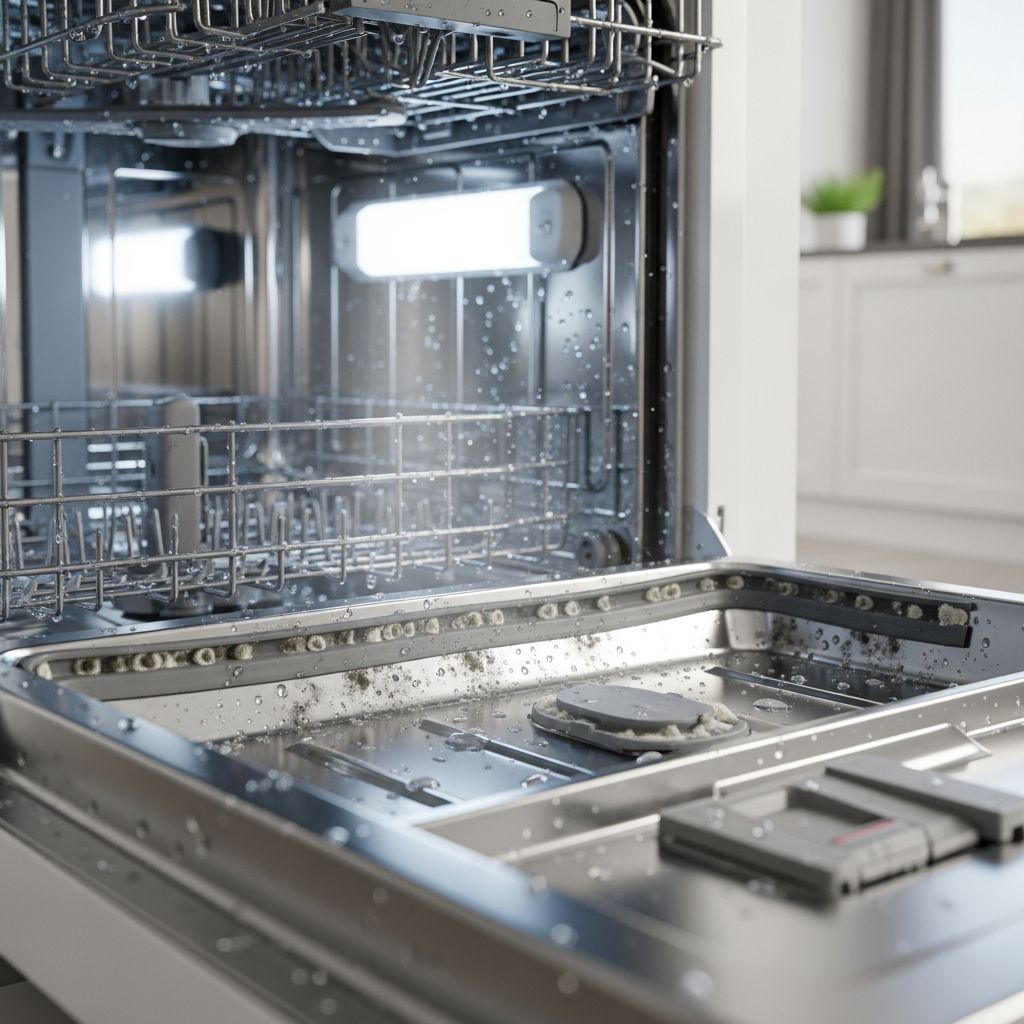
Mold and mildew thrive in the warm, moist environment inside dishwashers, leading to unpleasant odors, health concerns, and reduced cleaning efficiency. Regular maintenance using accessible household items can restore your appliance to peak performance while safeguarding your family’s well-being.
Why Mold Forms in Dishwashers
Dishwashers create ideal conditions for fungal growth due to standing water, food debris, and poor ventilation. Residue from detergents and starches feeds mold spores, particularly in filters, seals, and drain areas. High humidity after cycles exacerbates the issue if doors remain closed, trapping moisture.
Common culprits include overlooked filters that trap particles, rubber gaskets retaining dampness, and spray arms with clogged holes. In hard water areas, mineral buildup compounds the problem, creating biofilms where microbes flourish.
Health Risks of Dishwasher Mold
Exposure to mold like black mold (Stachybotrys) can trigger allergies, respiratory issues, and skin irritation. While cooking heat kills most surface spores on dishes, ingesting traces poses risks for immunocompromised individuals. The EPA notes that indoor mold growth requires prompt remediation to prevent health complications.
- Allergic reactions: Sneezing, coughing, watery eyes from airborne spores.
- Respiratory problems: Aggravated asthma or bronchitis in sensitive groups.
- Toxins: Mycotoxins from certain molds may cause headaches or fatigue.
Tools and Supplies for Cleaning
Gather these essentials before starting: white distilled vinegar, baking soda, dish soap, old toothbrushes, microfiber cloths, gloves, and optionally bleach for tough spots. Avoid abrasive pads to prevent scratching surfaces.
| Item | Purpose | Why It Works |
|---|---|---|
| White Vinegar | Natural disinfectant | Acetic acid kills 82% of mold species, dissolves buildup |
| Baking Soda | Abrasive scrubber | Neutralizes odors, lifts grime without damage |
| Bleach (diluted) | Heavy-duty killer | Oxidizes mold spores effectively on non-porous surfaces |
| Toothbrush | Precision cleaning | Reaches crevices in filters and seals |
Step-by-Step Deep Cleaning Process
Follow this comprehensive routine monthly or when odors appear. Empty the dishwasher first and disconnect power for safety.
1. Remove and Clean the Filter
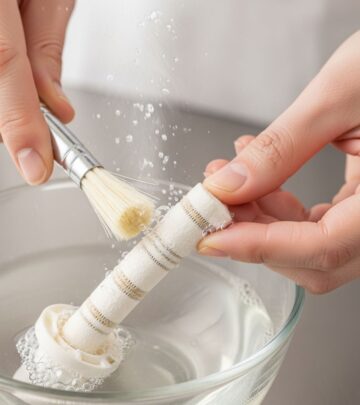
Locate the filter at the bottom, usually twistable or pull-out. Rinse under hot water to dislodge debris. Soak in a vinegar-water mix (1:1) for 15 minutes, then scrub with a soft brush. Pay attention to mesh screens where mold hides.
- Rinse large particles first.
- Apply vinegar directly to stubborn spots.
- Inspect for cracks; replace if damaged.
2. Tackle the Spray Arms and Interior
Detach spray arms if possible and soak in vinegar. Use a toothpick to clear jet holes. Wipe tub walls, door, and racks with a vinegar-soaked cloth. For racks, sprinkle baking soda and spray vinegar for fizzing action that breaks down residue.
Pour 2 cups vinegar into a bowl on the top rack. Run a hot water cycle empty. This steam-loosens grime throughout.
3. Clean Seals, Door, and Drain
Mold loves rubber gaskets. Dip a toothbrush in diluted bleach (1 tbsp per quart water) and gently scrub folds. Dry thoroughly with a cloth. Check the drain sump for slime; vacuum if accessible, then scrub.
4. Final Rinse and Deodorize
Sprinkle baking soda over the bottom, run another hot cycle. Wipe everything dry. Leave the door ajar post-cycle to air dry.
Advanced Cleaning for Stubborn Mold
For persistent black mold, use a bleach solution sparingly. Mix 1/2 cup bleach with 1 gallon water, apply via spray bottle, let sit 10 minutes, then rinse twice. Test on a small area first to avoid discoloration. Commercial cleaners like Affresh tablets offer enzyme-based alternatives.
Borax paste (3 tbsp borax + water) works for eco-friendly abrasion on tough spots. Always rinse meticulously to prevent chemical residues on dishes.
Prevention Strategies for Long-Term Freshness
Proactive habits minimize recurrence:
- Daily: Scrape food scraps; run hot cycles.
- Weekly: Wipe seals dry; use vinegar monthly.
- Load smartly: Avoid overcrowding; position for airflow.
- Upgrade detergent: Choose phosphate-free with enzymes.
- Ventilate: Prop door open after use.
Install a carbon filter if odors persist, and check hoses yearly for leaks. In humid climates, run a fan nearby post-cycle.
Troubleshooting Common Issues
| Problem | Symptoms | Solution |
|---|---|---|
| Persistent Odor | Musty smell despite cleaning | Check hidden sump areas; repeat vinegar cycle |
| Visible Black Spots | Dark growth on seals | Bleach scrub + replace gasket if worn |
| Poor Cleaning | Residue on dishes | Clean spray arms; use hotter water setting |
| Water Not Draining | Pooling liquid | Clear drain hose; inspect pump |
Safety Precautions During Cleaning
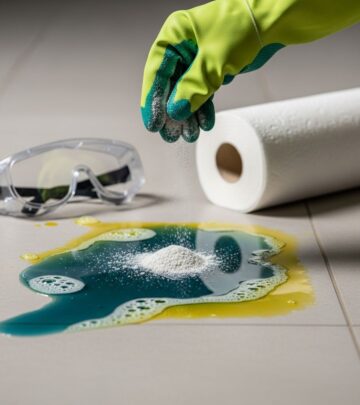
Wear gloves and ventilate the kitchen. Never mix bleach with vinegar or ammonia—toxic gas risk. Unplug the unit. For children or pets, keep areas clear. If mold covers large areas or you’re health-sensitive, consult professionals.
Frequently Asked Questions (FAQs)
Is dishwasher mold harmful if dishes are rinsed?
Minimal risk from rinsed dishes, but spores can aerosolize. Clean promptly to avoid buildup.
Can I use bleach freely inside the dishwasher?
Use diluted sparingly on non-porous parts; rinse thoroughly. Avoid on plastics.
How often should I deep clean?
Monthly for heavy use; quarterly otherwise.
What if my filter is missing?
Consult your model’s manual; some lack removable filters—focus on drain area.
Does hard water worsen mold?
Yes, minerals aid biofilm. Use rinse aid and periodic citric acid cycles.
Benefits of a Mold-Free Dishwasher
A clean unit saves energy, extends lifespan, and ensures hygienic dishes. Users report fresher results and no odors after routines. Invest time monthly for hassle-free operation.
References
- A Mold and Mildew: The Complete Guide — EPA. 2023-05-15. https://www.epa.gov/mold/mold-and-health
- Mold Cleanup in Homes and Commercial Buildings — EPA. 2024-02-10. https://www.epa.gov/mold/mold-cleanup-your-home
- Household Bleach for Mold Remediation — CDC. 2023-11-20. https://www.cdc.gov/hygiene/cleaning/disinfectant-chemicals.html
- Vinegar as a Disinfectant — University of North Carolina. 2022-08-01. https://www.ces.ncsu.edu/2022/08/vinegar-disinfectant/
- Dishwasher Maintenance Guidelines — Consumer Reports. 2025-01-05. https://www.consumerreports.org/appliances/dishwashers/how-to-clean-your-dishwasher-a1060454028/
Similar Articles




Read full bio of medha deb