Eliminate Drain Odors: Proven Home Solutions
Discover effective, safe methods to banish foul drain smells using everyday items and smart maintenance strategies for lasting freshness.
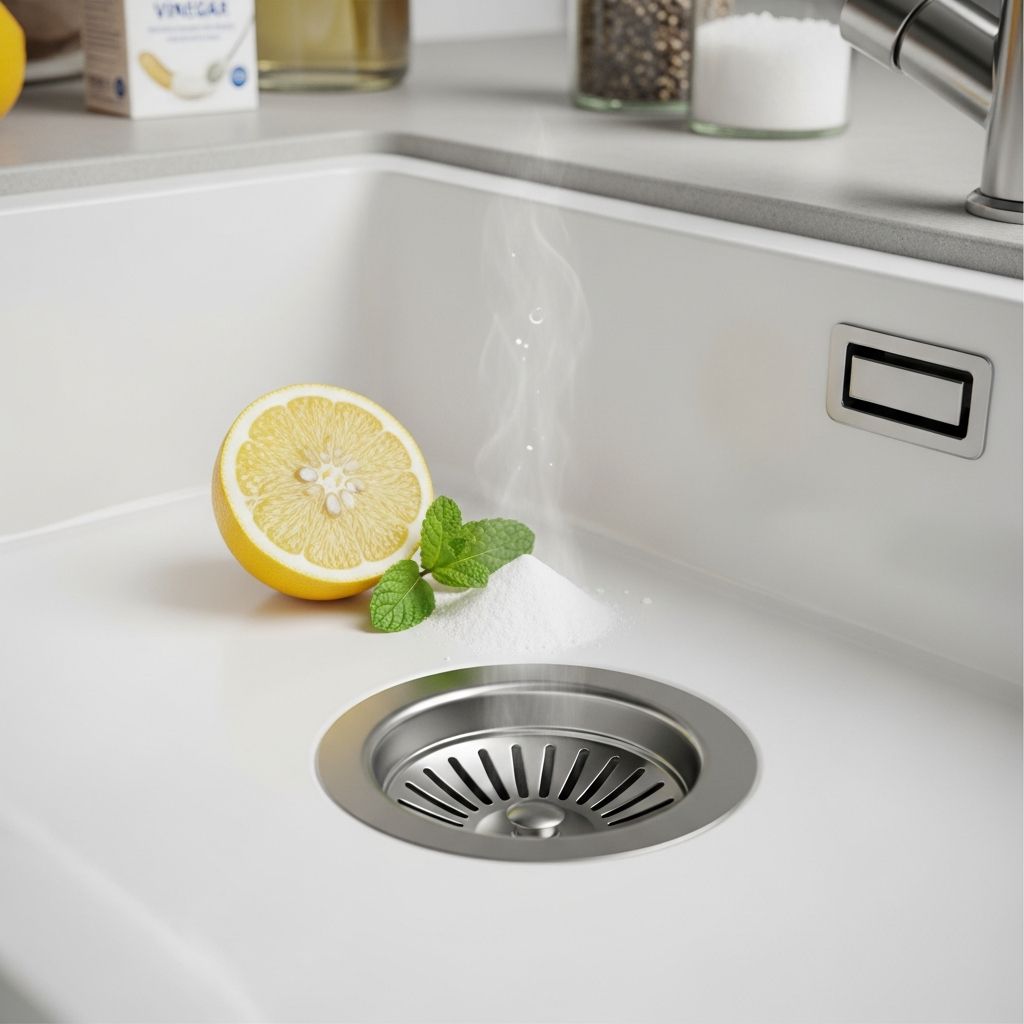
Foul odors emanating from drains signal buildup of organic matter, bacteria, or dry traps, affecting kitchens, bathrooms, and utility sinks alike. Addressing these issues promptly restores freshness and prevents clogs. This guide explores natural remedies, chemical options, and long-term strategies drawn from reliable home maintenance practices.
Understanding the Root Causes of Drain Smells
Drain odors typically arise from bacterial growth feeding on accumulated grease, hair, soap scum, or food particles. In kitchen sinks, grease solidifies in pipes, fostering anaerobic bacteria that produce hydrogen sulfide—a rotten egg smell. Bathroom drains collect hair and toothpaste residues, creating similar biofilms. Infrequently used drains lose water in the P-trap, allowing sewer gases to escape. Identifying the source guides effective treatment.
- Kitchen drains: Grease, food scraps, and disposal blade residue.
- Bathroom drains: Hair, soap, and skin cells.
- General issues: Dried P-traps or poor ventilation.
Simple Natural Remedies for Quick Relief
Household staples like boiling water, baking soda, and vinegar offer safe, eco-friendly ways to dissolve buildup and neutralize odors without harsh chemicals.
Boiling Water Flush
The easiest first step involves pouring boiling water directly into the drain. This melts grease and flushes light debris. Boil 1-2 quarts of water and pour slowly to reach pipe walls. Repeat 2-3 times daily for stubborn cases. Ideal for kitchen sinks but use caution with plastic pipes—opt for very hot tap water instead.
Baking Soda and Vinegar Reaction
This classic combo creates fizzing action that dislodges gunk. Pour 1/2 cup baking soda down the drain, followed by 1 cup white vinegar. Cover and let sit 15-30 minutes—the reaction breaks down organic matter. Flush with boiling water. For bathrooms, use 1/3 cup baking soda and 1 cup vinegar, then hot water.
| Method | Ingredients | Wait Time | Best For |
|---|---|---|---|
| Baking Soda + Vinegar | 1/2 cup soda, 1 cup vinegar | 15-30 min | Kitchen/Bathroom |
| Lemon Juice + Baking Soda | 1/2 cup each | 1 hour | Deodorizing |
| Boiling Water | 1-2 quarts | None | Grease melt |
Lemon Juice for Fresh Scent
Lemons provide citric acid to dissolve residue and natural oils for deodorizing. Mix 1/2 cup lemon juice with 1/2 cup baking soda, pour into drain, wait 1 hour, then flush with hot water. The citrus aroma lingers, masking odors effectively.
Advanced Cleaning for Garbage Disposals and Stubborn Buildup
Garbage disposals harbor blade film and trapped particles, amplifying smells. Ice cubes sharpen blades and scrub residue: fill drain with 1-2 cups ice, run cold water and disposal for 30 seconds. Add citrus peels for extra deodorizing. For deeper cleans, combine with baking soda mixtures.
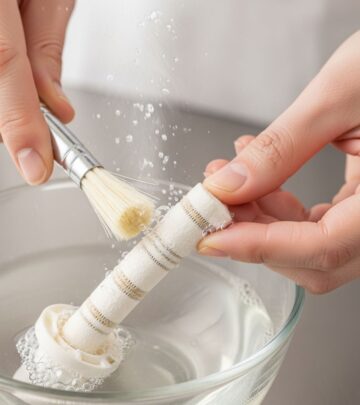
Bathroom sink cleanouts target hair clogs. Remove the pop-up stopper, scrub with a brush under the rubber flap, and apply pine cleaner or vinegar solution.
Disinfectant Methods for Bacterial Odors
When bacteria persist, disinfection eliminates colonies. A 20% bleach solution from official guidelines targets drain walls: mix 1 cup laundry bleach with 4 cups water, pour slowly around edges. For disposals, run unit briefly during pouring. Wait 10 minutes, then flush with hot water for 2 minutes. Repeat if needed, but never mix with other cleaners to avoid toxic gases.
Preventive Measures to Keep Drains Odor-Free
Proactive habits extend time between deep cleans. Install drain screens to catch hair and scraps. Scrape plates before rinsing, avoid pouring grease or oil. In bathrooms, clean aerators monthly and flush unused drains weekly to refill P-traps.
- Use strainers in sinks and showers.
- Compost food scraps instead of disposing.
- Run disposal with cold water and ice monthly.
- Monthly baking soda/vinegar treatment.
Troubleshooting Common Drain Issues
If odors persist post-cleaning, check P-traps: disassemble under sink, clean, and refill with water. For slow drains, use a plunger or drain snake before chemicals. Septic users should verify compatibility—vinegar and baking soda are safe, bleach in moderation.
| Issue | Symptom | Solution |
|---|---|---|
| Dry P-Trap | Sewer gas smell | Flush with water |
| Grease Buildup | Rotten egg odor | Boiling water + vinegar |
| Hair Clog | Slow drain + musty smell | Baking soda mix + snake |
Frequently Asked Questions (FAQs)
Why does my kitchen drain smell like rotten eggs?
This indicates hydrogen sulfide from bacteria on grease. Clean with baking soda, vinegar, and hot water weekly.
Can I use bleach in all drains?
Bleach disinfects effectively but dilute for plastics and avoid mixing with ammonia products. Follow 20% solution protocol.
How often should I clean drains?
Monthly natural treatments prevent buildup; deep clean quarterly or as needed.
Is baking soda safe for septic systems?
Yes, it’s non-toxic and helps balance pH without harming bacteria.
What if natural methods fail?
Inspect P-trap or call a plumber for pipe issues like venting problems.
Long-Term Maintenance Schedule
Consistency yields odor-free drains. Follow this plan:
- Daily: Run water in unused drains.
- Weekly: Boiling water flush in kitchen.
- Monthly: Baking soda/vinegar treatment everywhere.
- Quarterly: Disinfect with bleach solution if odors recur.
- Annually: Deep clean P-traps and screens.
These steps, backed by plumbing experts, ensure hygiene and functionality. Adapt for your home’s usage—high-traffic kitchens need more attention.
References
- How to Get Rid of a Smelly Drain — Lowe’s. 2023. https://www.lowes.com/n/how-to/get-rid-of-smelly-drains
- DIY Bathroom Sink Drain Cleanout and Deodorizer Recipe — Today’s Homeowner with Danny Lipford (YouTube). 2024-10-14. https://www.youtube.com/watch?v=0JBNhmVu-cc
- How to Clean a Smelly Drain — Liquid-Plumr. 2024. https://www.liquidplumr.com/diy-plumbing-tips/how-to-clean-a-smelly-drain/
- How to Disinfect a Drain to Eliminate Odors — Los Angeles Department of Water and Power (LADWP). Accessed 2026. https://www.ladwp.com/sites/default/files/documents/How_to_Disinfect_a_Drain.pdf
- Mr. Fix It with tips on how to treat smelly drains — YouTube. Accessed 2026. https://www.youtube.com/watch?v=TLOtzGniV88
Similar Articles







Read full bio of medha deb