Eliminate Gnats from Houseplants
Discover proven strategies to banish fungus gnats from your indoor plants and restore a healthy growing environment without harsh chemicals.
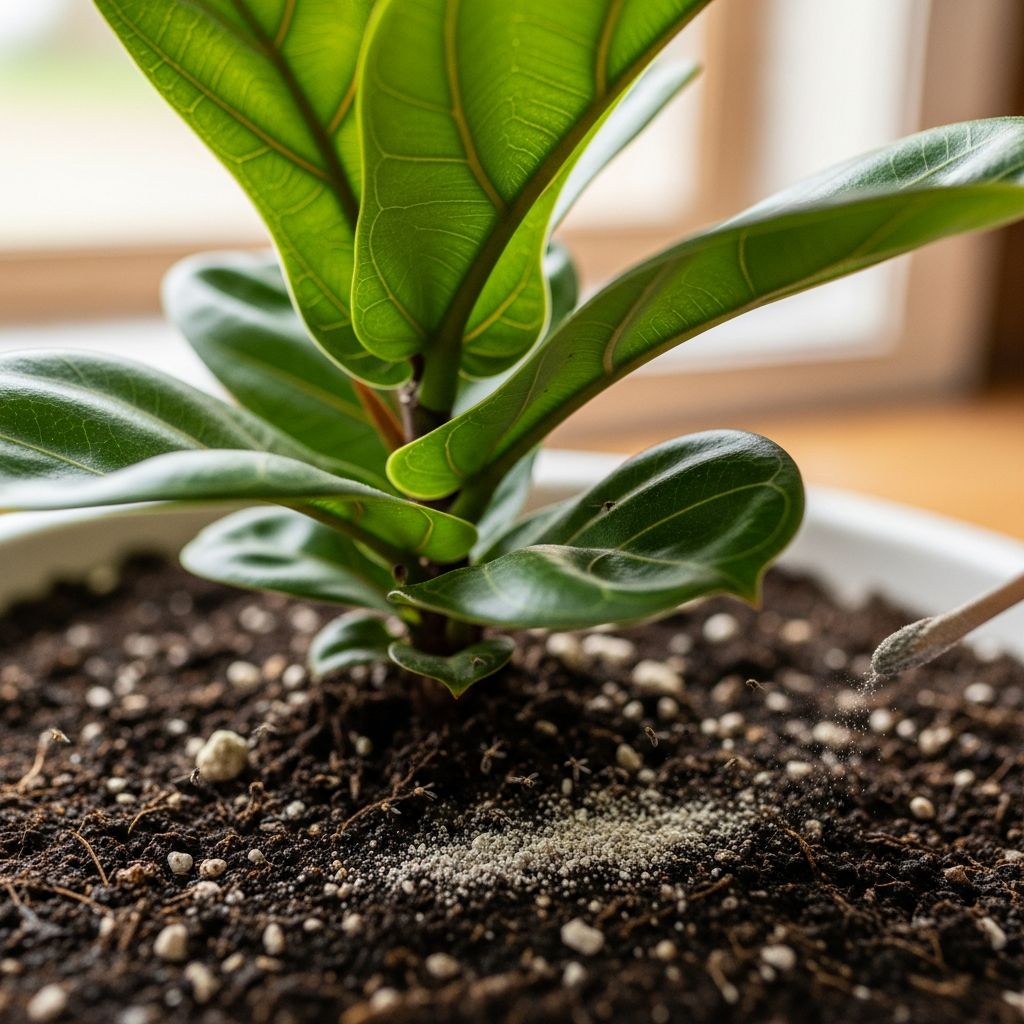
Fungus gnats pose a common challenge for indoor gardeners, thriving in moist soil and multiplying rapidly if unchecked. These small, dark flies and their larvae can weaken plants by feeding on roots, but targeted interventions can eradicate them effectively.
Understanding the Gnat Problem in Indoor Gardens
Fungus gnats, often mistaken for fruit flies, are tiny insects about 1/8 inch long with long legs and antennae. Adults emerge from soil, laying eggs that hatch into larvae feeding on organic matter and fine roots. Overly wet conditions favor their lifecycle, which completes in weeks under ideal warmth.
Signs include swarms around plant bases, especially after watering, and visible white larvae in topsoil. While adults annoy, larvae cause real damage by severing root hairs, stunting growth. Early detection prevents escalation.
Why Your Houseplants Attract These Pests
Excess moisture from frequent watering creates a perfect breeding ground, as gnats require damp soil for egg-laying and larval survival. Peaty potting mixes retain water, exacerbating issues. New plants from stores often carry eggs, introducing infestations.
- Overwatering: Primary culprit, keeping soil constantly soggy.
- Poor drainage: Pots without holes trap moisture.
- Organic-rich soil: Decaying matter nourishes larvae.
- Warm temperatures: Speeds reproduction indoors.
Immediate Steps to Curb Adult Gnats
Reducing flying adults breaks the cycle by preventing egg-laying. Combine traps with soil management for best results.
Deploy Sticky Traps Effectively
Yellow or green sticky traps capture adults drawn to these colors. Place them near soil on stakes or flat on surface for maximum contact.
- Cut yellow traps, expose one sticky side, lay flat on soil.
- Use green waterproof traps on pegs for longevity.
- Position 1-3 per pot, replacing when covered.
These reduce populations quickly, often within days.
Homemade Vinegar Traps
Fill jars with apple cider vinegar, add dish soap, cover with plastic wrap poked with holes. Gnats enter but drown. Refresh daily.
Targeting Larvae in the Soil
Adults lay 200+ eggs each; focus on soil to kill offspring.
Hydrogen Peroxide Soil Drench
This oxidizer fizzles, killing larvae while aerating soil. Mix 1 part 3% hydrogen peroxide with 4-6 parts water. Drench dry topsoil, repeat biweekly.
| Method | Ratio | Frequency | Notes |
|---|---|---|---|
| Hydrogen Peroxide | 1:4 to 1:6 | Every 2 weeks | Allow soil to dry first; safe for roots. |
| Mosquito Bits Tea | 4 tbsp per gallon | Every watering | Soak 30 min in warm water; targets larvae. |
Mosquito Bits Treatment
These granules contain Bacillus thuringiensis israelensis (BTI), a bacteria lethal to larvae. Soak 4 tablespoons in 4-5 liters warm water for 30 minutes, then drench soil. Top water for surface saturation.
Repeat every 1-2 weeks until clear, avoiding overwatering to prevent root rot.
Natural Soil Amendments
Sprinkle cinnamon or chamomile tea on soil as fungicides, starving larvae. Till top inch, apply diatomaceous earth (food-grade) to dehydrate pests.
- Brew chamomile tea (1:4 dilution), water as usual.
- Cinnamon: Dust surface after tilling.
- Diatomaceous earth: Reapply after watering.
Cultural Practices for Long-Term Control
Adjust care routines to make soil inhospitable.
Master Watering Discipline
Let top 1-2 inches dry completely between waterings. Use moisture meters for accuracy. Bottom watering minimizes surface dampness.
Improve Soil and Pot Setup
Top pots with sand, gravel, or perlite to block egg-laying. Repot in well-draining mix with less peat.
Potato slices buried attract and expose larvae for removal.
Neem Oil Foliage Spray
Dilute neem oil per label, spray leaves and soil weekly. Disrupts adult feeding and laying.
Integrated Pest Management Plan
Combine methods for eradication in 2-4 weeks:
- Isolate infested plants.
- Set sticky traps and vinegar jars.
- Dry soil, apply peroxide or BTI drench.
- Amend with cinnamon/DE.
- Monitor and repeat.
Consistency yields gnat-free plants.
Prevention Strategies for Future Infestations
Proactive habits keep gnats away.
- Quarantine new plants, inspect soil.
- Wipe leaves with neem pre-infestation.
- Use self-watering pots sparingly.
- Maintain 65-75°F, good airflow.
Common Mistakes to Avoid
Overwatering post-treatment revives survivors. Skipping surface drying fails drenches. Ignoring isolation spreads pests.
FAQs
Are fungus gnats harmful to humans?
No, they don’t bite but indicate overwatering issues.
How long until gnats disappear?
2-4 weeks with diligent treatment.
Can I use bleach?
No, it harms plants and soil biology.
Do beneficial nematodes work?
Yes, for severe cases, but less common indoors.
Is Mosquito Bits safe for pets?
Yes, BTI targets only fly larvae.
Advanced Options for Stubborn Cases
For persistent issues, try Tanlin (similar to BTI) or Steinernema feltiae nematodes. Always pair with drying practices.
References
- Weapons of Gnat Destruction: A Guide to Killing Fungus Gnats — Learning with Experts. 2023. https://www.learningwithexperts.com/blogs/articles/weapons-of-gnat-destruction-the-ultimate-guide-to-killing-fungus-gnats
- The easy way to get rid of Fungus Gnats in indoor plants — Love That Leaf. 2023. https://www.lovethatleaf.co.nz/blogs/plant-care-guides/easy-method-kill-fungus-gnats-indoor-plants
- How I Got Rid of Fungus Gnats—For Good — Garden Betty. 2023. https://gardenbetty.com/fungus-gnats/
- How to Kill and Get Rid of Fungus Gnats Indoors — Scotts Miracle-Gro. 2024. https://scottsmiraclegro.com/en-us/learn/home-patio/how-to-kill-fungus-gnats-indoors.html
- How I Got Rid of Fungus Gnats — Olive and June Home. 2023. https://www.oliveandjunehome.com/blog/how-to-get-rid-of-fungus-gnats-houseplants
- Ask a Gardener: Why Are There Gnats in My Houseplants? — Brooklyn Botanic Garden. 2023. https://www.bbg.org/article/why_are_there_fungus_gnats_in_my_houseplants
- How I Finally Got Rid of Fungus Gnats in My Houseplants — Here She Grows. 2024-01-25. https://hereshegrows.com/2024/01/25/fungus-gnats/
Similar Articles





Read full bio of Sneha Tete