Eliminate Kitchen Sink Drain Odors Effectively
Discover proven, natural methods and professional tips to banish foul smells from your kitchen sink drain and keep it fresh long-term.
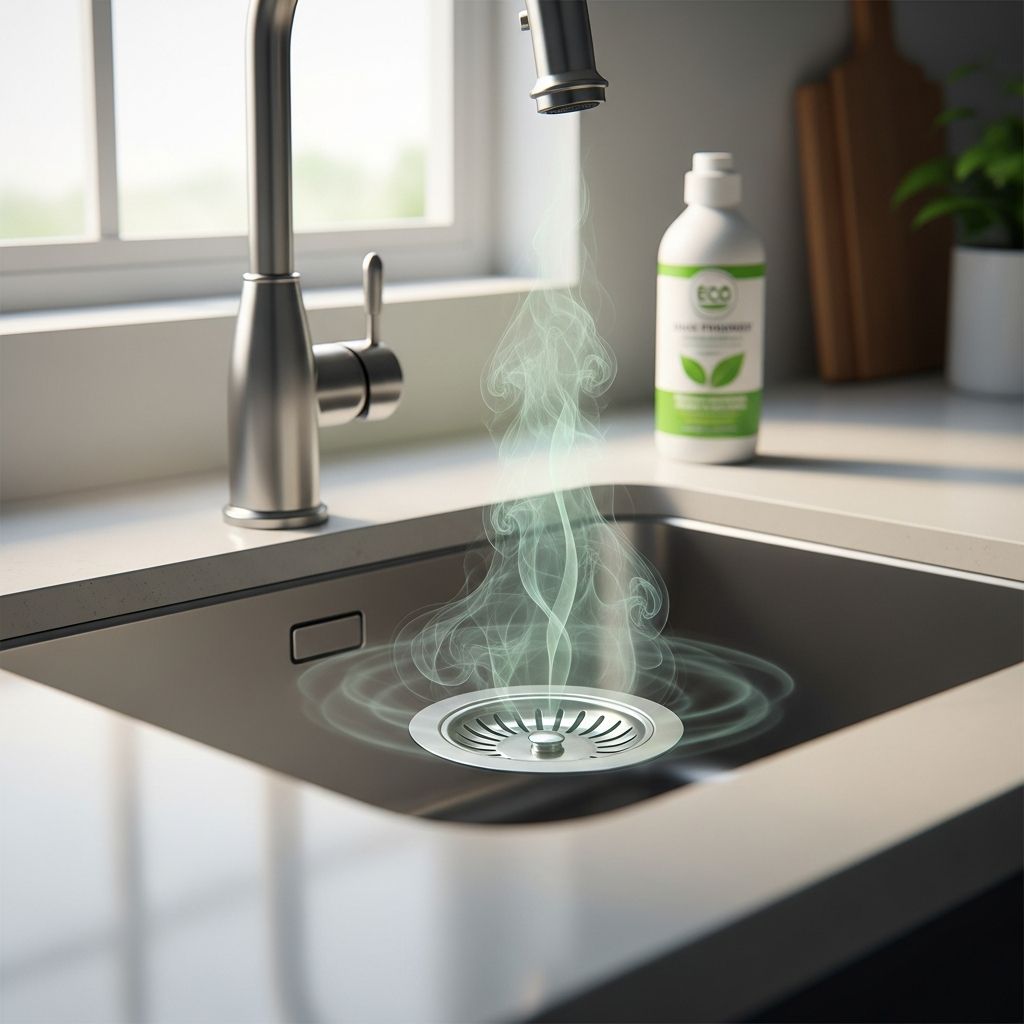
Your kitchen sink drain emitting foul odors signals buildup of food scraps, grease, and bacteria thriving in moist environments. Addressing this promptly prevents health risks and plumbing issues. This guide explores causes, DIY remedies, preventive measures, and expert advice to restore freshness.
Understanding the Root Causes of Sink Drain Smells
Odors arise primarily from organic matter decomposition. Grease from cooking fats solidifies in pipes, trapping particles that bacteria break down, producing hydrogen sulfide—a rotten egg smell. Hair, soap scum, and infrequent cleaning exacerbate the problem in kitchen settings where high-volume food waste flows daily.
Other contributors include dry traps allowing sewer gases to escape and biofilm layers coating pipes. Identifying the source guides effective treatment: surface-level smells suggest minor buildup, while persistent ones indicate deeper clogs.
Quick DIY Fixes for Immediate Odor Relief
Start with simple, natural solutions using pantry staples. These methods dissolve buildup without harsh chemicals, safe for most plumbing systems.
Boiling Water Flush
The simplest first step: Boil a large pot of water and pour it directly down the drain in stages. Heat melts grease and loosens debris, flushing it away. Repeat 2-3 times if needed. Caution: Avoid on plastic pipes to prevent warping.
Baking Soda and Vinegar Reaction
This classic combo creates a fizzing action that dislodges gunk. Steps:
- Pour 1/2 cup baking soda into the drain.
- Add 1 cup white vinegar; cover and wait 5-10 minutes for bubbling.
- Flush with boiling water.
Baking soda neutralizes odors, vinegar dissolves minerals and grease. Ideal for mild smells.
Salt and Hot Soapy Water Scrub
For food-based buildup, coarse salt acts as an abrasive. Pour 1/2 cup salt, followed by very hot soapy water. Let sit 15 minutes, then rinse. Salt scrubs pipes gently, soap emulsifies fats.
Advanced Natural Cleaning Techniques
If basic methods fail, escalate to these targeted approaches.
Enzyme-Based Cleaners
Enzymes from natural bacteria eat organic matter. Apply per product instructions, often overnight. Effective for recurring odors without damaging pipes.
Bleach Solution for Bacteria
Dilute 1 cup bleach in 1 gallon water; pour down drain, wait 1 hour, flush with hot water. Use weekly sparingly—harsh on septic systems and metals. Add baking soda for fizz boost.
| Method | Best For | Time Required | Precautions |
|---|---|---|---|
| Boiling Water | Grease clogs | 5 minutes | No plastic pipes |
| Baking Soda + Vinegar | Mild buildup | 15 minutes | Cover drain |
| Salt + Soap | Food debris | 20 minutes | Hot water only |
| Bleach | Bacteria | 1 hour | Ventilate, dilute |
Tools and Mechanical Methods for Stubborn Clogs
Sometimes chemical action needs mechanical help.
- Plunger: Create seal over drain, plunge vigorously 15-20 times. Follow with hot water.
- Drain Snake/Auger: Insert tool to hook and pull debris. Affordable for DIY use.
- Wet/Dry Shop Vac: Seal over drain, suck out water and solids. Powerful for deep clogs.
Wear gloves; test small areas first.
Long-Term Prevention Strategies
Consistency beats reactive fixes. Implement these habits:
- Run hot water after each use to prevent grease solidification.
- Weekly baking soda/vinegar treatment.
- Use drain screens to catch solids.
- Avoid pouring fats, oils, coffee grounds down drain.
- Monthly deep clean with enzyme products.
Dry sink after use to discourage bacterial growth. Regular maintenance extends pipe life, reduces plumber calls.
When to Call a Professional Plumber
DIY fails if odors persist after multiple tries, water backs up, or gurgling sounds indicate blockages. Pros use cameras for inspection, hydro-jetting for thorough cleaning, and address vent/pipe issues. Expect costs $150-400 depending on severity; better than pipe bursts.
Frequently Asked Questions (FAQs)
What causes the rotten egg smell in my kitchen sink drain?
Sulfur-producing bacteria thrive on organic buildup, releasing hydrogen sulfide gas.
Is baking soda and vinegar safe for all pipes?
Yes for metal/PVC; avoid boiling water follow-up on older plastic.
How often should I clean my drain preventively?
Weekly for high-use kitchens; monthly otherwise.
Can I use lemon juice instead of vinegar?
Yes, citric acid works similarly for deodorizing.
Does dish soap help unclog drains?
Yes, breaks down grease; combine with hot water or salt.
Health and Safety Considerations
Foul drains harbor pathogens; clean promptly to avoid contamination. Ventilate during chemical use; never mix bleach with ammonia (toxic gas). Eco-friendly options like enzymes benefit septic systems. Children/pets: Keep areas secured during treatments.
In summary, most odors resolve with natural remedies. Persistence signals deeper issues—act early for best results.
References
- 6 Ways to Deodorize Your Kitchen Sink Drain — High 5 Plumbing. 2023. https://high5plumbing.com/6-ways-to-deodorize-your-kitchen-sink-drain/
- How to Clean Drains with Baking Soda and Vinegar — Liquid-Plumr. 2024. https://www.liquidplumr.com/diy-plumbing-tips/how-baking-soda-and-vinegar-cleans-drains/
- Two EASY Hacks to Clear Backed Up Drains — Thrifty Decor Chick. 2021-07-01. https://www.thriftydecorchick.com/2021/07/two-easy-hacks-to-clear-backed-up-drains.html
- Quick Tips: Cleaning Kitchen Drains — One Pot Chef (YouTube). 2023. https://www.youtube.com/watch?v=r9uVFh0SzCM
- How to Unclog a Kitchen Sink — The Home Depot. 2024. https://www.homedepot.com/c/ah/how-to-unclog-a-kitchen-sink/9ba683603be9fa5395fab90b9840228
Similar Articles






Read full bio of Sneha Tete