Eliminate Mice From Your Home: 8 Practical Steps
Discover proven strategies to detect, prevent, and remove mice infestations safely and effectively from your living spaces.
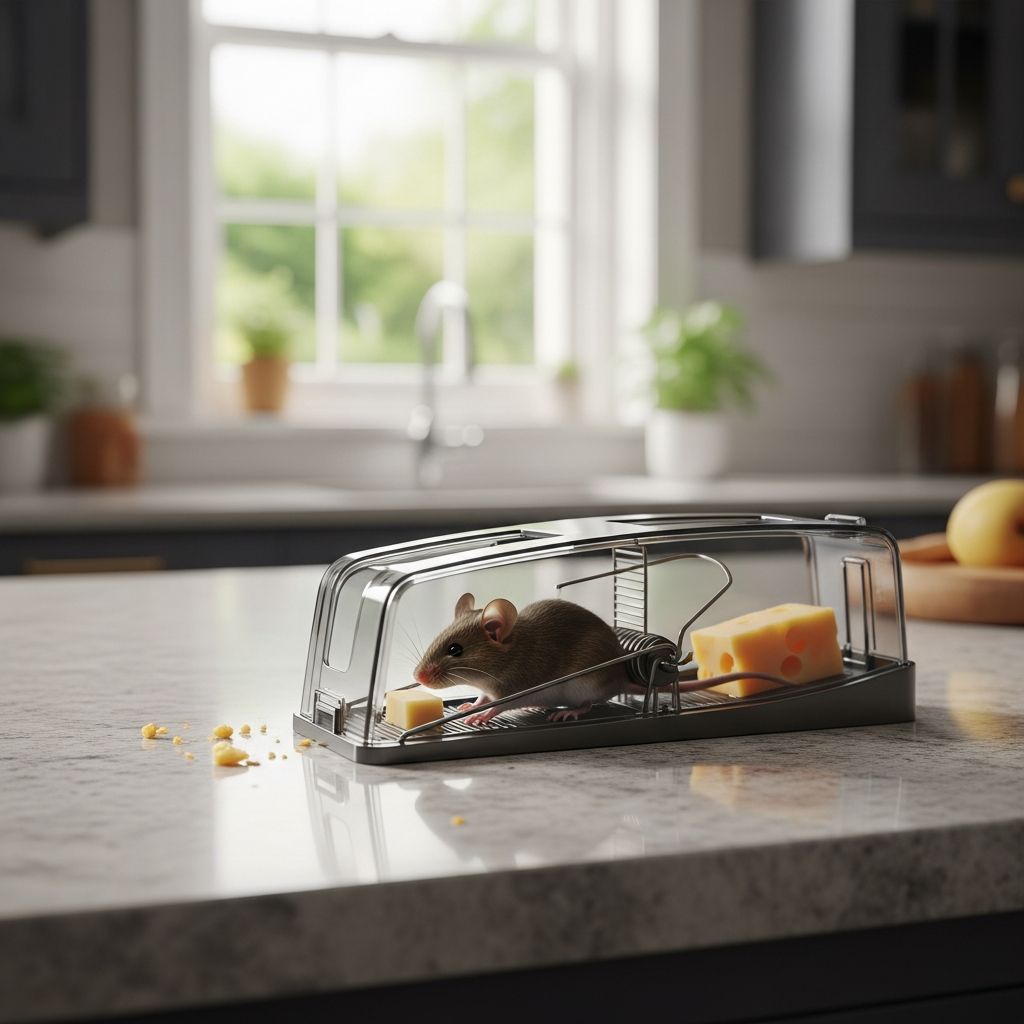
Eliminate Mice from Your Home
Mice invasions pose significant health risks and property damage in residential settings. Effective eradication combines preventive sanitation, structural barriers, and targeted population reduction techniques. This guide draws from university extension programs and pest management experts to outline practical, safe approaches.
Recognizing Mouse Presence Early
Detecting mice promptly prevents widespread infestations. Common indicators include small, dark droppings about 1/4 inch long, often found along walls or near food sources. Gnaw marks on food packaging, furniture, or wires signal activity, as mice must chew to wear down their constantly growing teeth. Musty odors from nests made of shredded paper, fabric, or insulation also alert homeowners.
Listen for scratching or scurrying noises in walls, attics, or cabinets, especially at night when mice are most active. Sightings of the rodents themselves, typically 3-4 inches long with long tails, confirm the problem. Inspect basements, garages, kitchens, and storage areas thoroughly, as these provide ideal shelter and food access.
Implementing Sanitation to Deter Mice
Remove food and water sources to make your home unappealing. Store pantry items in airtight metal or glass containers, elevating them off floors. Clean spills immediately, vacuum crumbs, and secure pet food in chew-proof bins. Empty trash daily into sealed outdoor cans, preferably metal with tight lids fastened by cords.
Address water leaks from pipes, faucets, or appliances, as mice need minimal moisture to survive. Declutter storage areas to eliminate nesting spots, discarding old boxes, papers, and fabrics. Regular deep cleaning disrupts mouse habitats and reduces attraction, forming the foundation of long-term control.
Sealing Entry Points for Permanent Exclusion
Mice squeeze through openings as small as 1/4 inch, entering via foundations, vents, pipes, doors, and windows. Conduct a perimeter inspection, sealing cracks with metal flashing, concrete, or steel wool packed tightly into gaps. Avoid ineffective materials like plastic, rubber, wood, or foam, which mice gnaw through easily.
Install door sweeps and weatherstripping on all exterior doors and windows. Screen vents and chimneys with fine mesh hardware cloth. Cap utility line entries and repair damaged siding or roofing. These “mouse-proofing” measures provide the most reliable, enduring prevention when combined with sanitation.
Effective Trapping Strategies
Trapping offers a safe, visible method for homes with few mice, avoiding poisons’ risks like secondary poisoning or odors from dying rodents. Place multiple snap traps—wooden or plastic models—along walls, behind appliances, in corners, and near droppings, spacing no more than 10 feet apart. Bait with peanut butter, bacon bits, chocolate, or dried fruit secured to the trigger; pre-bait unset traps for 2-3 days to overcome neophobia.
- Snap Traps: Quick-kill bar, clam, or hidden designs deliver humane, instant death.
- Electric Traps: Lure mice into chambers for high-voltage shocks, safe for pets if tamper-resistant.
- Live-Catch Traps: Multi-catch models like tin cat designs allow relocation; check frequently to prevent stress.
- Glue Boards: Position along travel paths but cover in dusty areas; avoid near children or pets due to stickiness.
Wear gloves when handling traps to preserve scents, and dispose of catches in sealed bags. Use 10-20 traps initially for decisive results, monitoring and resetting daily.
Understanding Rodenticide Options Carefully
Poisons like single-dose anticoagulants reduce large populations quickly but require caution indoors. Place baits in tamper-resistant stations with 1-inch entry holes, labeled clearly, along walls every 6-10 feet. Opt for stations accommodating multiple mice, positioned where activity is evident, such as near nests in walls or pallets.
Avoid open poisons to prevent pet or child access. Zinc phosphide types are unsuitable for homes due to toxicity risks. Monitor stations, refreshing baits until untouched, and expect die-off in hidden spots. Combine with traps for best outcomes.
DIY Natural Remedies with Caution
Some households experiment with baking soda mixed with peanut butter or flour (1:1 ratio) as bait. Mice ingest it, leading to gas buildup and death without poisons. Place in shallow dishes or crawl spaces away from pets. While anecdotal, these lack formal testing and serve as supplements, not primaries.
Repellents like peppermint oil or ultrasonic devices show mixed results; mice adapt quickly. Focus on proven sanitation and exclusion instead.
Cleaning Up After Removal
Post-elimination, disinfect droppings, nests, and contaminated areas with 1:10 bleach solution or general detergents to kill hantavirus and other pathogens. Wear masks, gloves, and ventilate spaces. Steam-clean fabrics and vacuum thoroughly, disposing of bags immediately. This prevents reinfestation and health issues.
Prevention Plan for a Rodent-Free Home
Maintain vigilance with monthly inspections, ongoing sanitation, and sealed structures. Trim vegetation from foundations, store firewood elevated and away, and secure bird feeders. In multi-unit buildings, coordinate with neighbors. Professional pest control suits severe cases.
| Method | Pros | Cons | Best For |
|---|---|---|---|
| Sanitation | Cost-free, preventive | Ongoing effort | All homes |
| Exclusion | Permanent solution | Labor-intensive | Prevention |
| Snap Traps | Humane, immediate results | Daily checks needed | Small infestations |
| Poisons | Handles large numbers | Health risks | Outdoors/large areas |
Frequently Asked Questions
Do mice carry diseases?
Yes, including hantavirus, salmonellosis, and leptospirosis, spread via urine, droppings, or bites.
How many mice indicate an infestation?
One sighting suggests more; droppings in multiples confirm breeding.
Are ultrasonic repellents effective?
Limited evidence; mice habituate quickly.
Can I use mothballs?
No, toxic to humans/pets and ineffective long-term.
When to call professionals?
If traps fail after two weeks or signs persist.
References
- Controlling House Mice — MU Extension. 2023. https://extension.missouri.edu/publications/g9442
- How to Get Rid of Mice, According to Pest Experts — Good Housekeeping. 2023-10-15. https://www.goodhousekeeping.com/home/cleaning/a35872/how-to-get-rid-of-mice/
- Kill Rodents Fast With A Common Kitchen Item | Rats & Mice Gone — YouTube (zengardenoasis1). 2023. https://www.youtube.com/watch?v=QS7-cafAb9s
- Getting rid of rodents (rats and mice) — HealthLink BC. 2024. https://www.healthlinkbc.ca/healthlinkbc-files/getting-rid-rodents-rats-and-mice
Similar Articles






Read full bio of medha deb