Eliminating Mold from Crawl Space Dirt: Complete Guide
Master crawl space mold removal and prevention with proven techniques.
Understanding Mold Development in Beneath-Floor Spaces
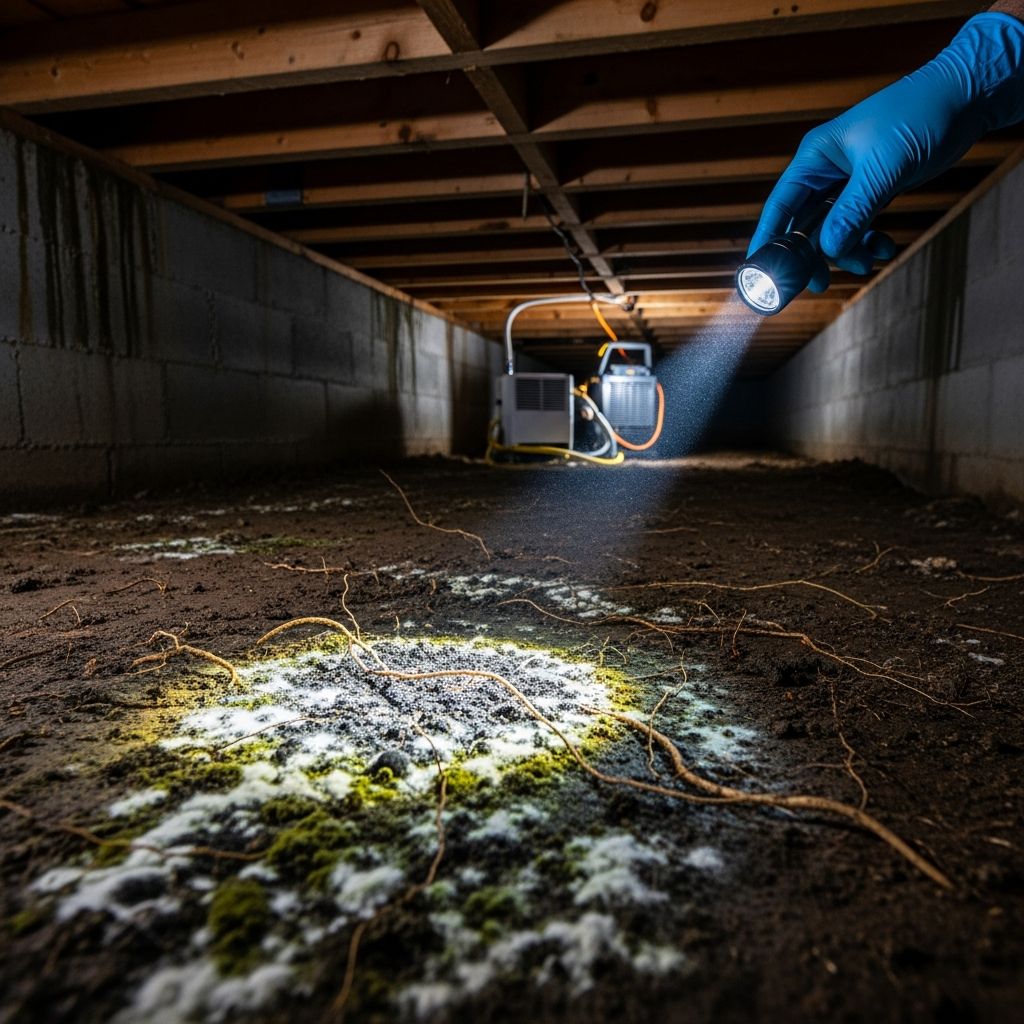
Crawl spaces present unique environmental challenges that make them particularly susceptible to mold colonization. Unlike basements or attics, beneath-floor areas sit directly above or adjacent to soil, creating a natural bridge for moisture infiltration. The combination of poor ventilation, ground moisture, and limited air circulation establishes an ideal breeding ground for fungal growth. Mold spores exist naturally in the environment and require only three conditions to thrive: darkness, moisture, and organic material. Crawl spaces supply all three in abundance.
The presence of mold in these spaces extends beyond aesthetic concerns. Mold growth can compromise structural wooden components, reduce indoor air quality, and trigger respiratory issues for household occupants. Understanding the factors that contribute to mold development is essential for implementing effective solutions.
Environmental Factors Promoting Fungal Growth
Moisture and Humidity Dynamics
Excess moisture represents the primary catalyst for mold proliferation in crawl spaces. Ground water naturally evaporates from soil and exposed earth, rising into the confined space above. This moisture-laden air condenses on cooler surfaces, creating an environment saturated with the water mold requires to reproduce. The enclosed nature of crawl spaces prevents this moisture from escaping, allowing humidity levels to escalate beyond safe thresholds.
Maintaining humidity below 50% significantly inhibits mold growth, while levels exceeding 60% create increasingly favorable conditions for fungal colonization. Many crawl spaces naturally exceed these critical thresholds without intervention, making moisture management a cornerstone of mold prevention strategies.
Structural and Surface Materials
Wood framing, subfloor components, and insulation materials common in crawl spaces provide abundant organic matter that mold consumes. When these materials remain damp or exposed to persistent humidity, they become prime targets for fungal invasion. Additionally, any accumulated debris—fallen leaves, wood scraps, or deteriorating materials—supplies additional nutrient sources that support mold expansion.
Identifying Mold Contamination in Beneath-Floor Areas
Early detection allows for simpler remediation and prevents extensive structural damage. Visual inspection of crawl space components provides the most straightforward identification method. Mold typically appears as dark discoloration on wood surfaces, insulation, or soil. The characteristic musty odor often accompanies visible growth, indicating active fungal colonies releasing volatile compounds.
Professional inspections may include air quality testing to detect invisible mold spores throughout the space. This comprehensive approach identifies both visible and hidden contamination that standard observation might miss. Testing becomes particularly valuable when respiratory symptoms coincide with suspected crawl space mold without obvious visual evidence.
Preparing for Mold Elimination Work
Safety Equipment and Personal Protection
Working in mold-contaminated areas requires proper protective equipment to prevent inhalation and skin contact with fungal spores and cleaning solutions. Essential protection includes:
- N-95 respiratory masks or higher-rated respirators to filter airborne spores
- Chemical-resistant gloves to shield hands from irritants and cleaning agents
- Eye protection or goggles to prevent spore and solution contact with sensitive eye tissue
- Disposable coveralls to minimize skin exposure
These precautions become non-negotiable when handling potent cleaning compounds or working in heavily contaminated spaces. Proper equipment use prevents short-term irritation and reduces long-term health risks from mold exposure.
Containment Strategy Implementation
Before disturbing mold colonies, establishing containment prevents spores from dispersing throughout the home. Professional remediation specialists use physical barriers and negative pressure systems to isolate affected areas. When mold spores become airborne during cleaning, containment directs them safely outside rather than into living spaces. For DIY approaches, sealing doorways with plastic sheeting and maintaining negative pressure with portable fans provides basic containment.
Chemical-Free and Natural Removal Methods
Vinegar Treatment Application
Household vinegar offers an accessible, non-toxic mold removal solution suitable for light to moderate contamination. The acetic acid in vinegar disrupts mold cell structures without releasing harsh chemical fumes. Mixing vinegar and water in equal proportions creates an effective spray solution. Apply generously to affected surfaces, allowing the mixture to penetrate for several minutes before scrubbing away loosened mold growth. A thorough water rinse removes remaining residue and dried mold particles. This method works particularly well on wood components and does not require rinsing with specialized solutions.
Baking Soda Treatment Protocol
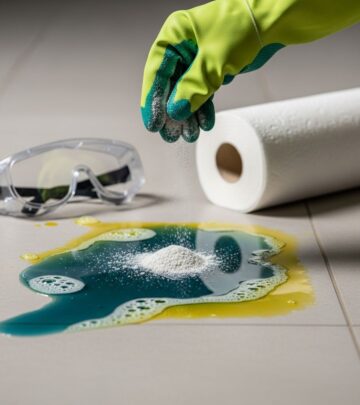
Sodium bicarbonate, commonly known as baking soda, neutralizes mold growth while eliminating associated odors. Unlike some treatments that mask unpleasant smells, baking soda addresses their source. Spreading baking soda directly on affected areas and allowing overnight dwell time allows the powder to absorb moisture and inhibit fungal activity. Morning cleanup with water removes both the baking soda and dead mold, leaving surfaces clean without chemical residue. This method proves especially effective for treating crawl space floors and can be reapplied as needed without environmental concerns.
Professional-Grade Mold Remediation Solutions
Borax and Borate-Based Treatments
Borax provides more aggressive mold elimination than household alternatives while remaining safer than industrial fungicides. This naturally occurring mineral disrupts mold reproduction and prevents future growth. Applied as a solution to affected wood and surfaces, borax does not require rinsing after treatment, making application simpler than vinegar-based approaches. However, borax toxicity requires careful handling—avoid inhalation, prevent skin contact, and exclude children and pets from treated areas until surfaces dry completely.
Borate salts, including boric acid and specialized products like sodium octaborate tetrahydrate, offer enhanced preventative properties. These compounds penetrate wood structure, providing long-term protection against mold reinfestation. Professional contractors often recommend borate treatments for structural wood as part of comprehensive remediation protocols.
Peroxide-Based Remediation Systems
Hydrogen peroxide-based formulations attack mold’s food sources while simultaneously disinfecting affected areas. These systems work through oxidation rather than chemical toxicity, making them effective against multiple biological threats including bacteria, viruses, and secondary pathogens. Professional-grade peroxide systems demonstrate superior efficacy compared to common household hydrogen peroxide, penetrating mold colonies more thoroughly and preventing recurrence.
Moisture Control and Prevention Framework
Vapor Barrier Installation and Maintenance
A vapor barrier represents perhaps the single most effective prevention measure for crawl spaces. This plastic or composite sheeting layer blocks ground moisture from rising into the space above, intercepting the moisture cycle that fuels mold growth. Modern building codes typically require vapor barriers of at least 6 millimeters thickness, though older homes may lack this protection entirely. Installing or upgrading vapor barriers should occur after mold remediation concludes, as new barriers can trap contaminated materials and prevent complete remediation.
Proper vapor barrier installation extends beyond simply laying plastic sheeting. The barrier must cover the entire crawl space floor, with seams overlapped and sealed to prevent moisture penetration at vulnerable joints. Securing edges and corners prevents separation that would compromise moisture-blocking effectiveness.
Ventilation and Dehumidification Strategies
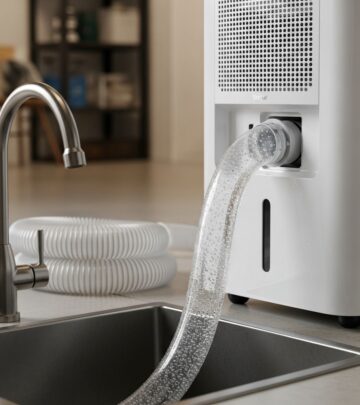
Active moisture removal through mechanical means complements passive barriers. Portable or installed dehumidifiers extract excess moisture from crawl space air, reducing humidity below critical thresholds. Fans improve air circulation, preventing stagnant moisture accumulation in corners and against surfaces. Strategic ventilation opening management—opening vents during dry seasons and closing them during humid periods—optimizes passive airflow while minimizing moisture intake.
Drainage and Water Intrusion Prevention
Addressing standing water and improving foundation drainage eliminates active moisture sources. Grading adjustments around the foundation perimeter direct surface water away from the structure rather than pooling at foundation edges. Sump pump installation collects seeping groundwater and directs it safely away from beneath-floor areas. Interior drainage systems route subsurface water flow toward collection points, preventing saturation. These mechanical solutions address root moisture causes rather than simply managing humidity symptoms.
Long-Term Protective Measures
Wood Treatment and Preservation
After mold removal, treating exposed wood with preventative compounds provides additional insurance against recurrence. Homemade mixtures combining washing soda, baking soda, and soap offer economical protection, while commercial borate-based products deliver enhanced durability. These treatments penetrate wood grain, establishing chemical barriers that inhibit mold germination and prevent colonization even if moisture temporarily increases. Preventative treatments supplement but never replace moisture control—they provide defense when primary prevention systems face temporary challenge.
Encapsulation Systems and Comprehensive Solutions
Advanced crawl space encapsulation goes beyond simple vapor barriers, creating sealed environments that simultaneously block moisture, prevent water intrusion, and isolate ground contaminants. Professional encapsulation systems combine heavy-duty vapor barriers with sealed seams, isolated piping, and integrated dehumidification. While representing greater initial investment than basic moisture control, encapsulation systems provide superior long-term protection and can increase property values by improving overall home performance.
Professional Versus DIY Remediation Considerations
Smaller mold colonies affecting limited areas may respond well to homeowner-directed treatment using natural or over-the-counter solutions. These situations typically involve moisture problems that have been recently identified and addressed, meaning the remaining mold represents past rather than ongoing contamination.
Extensive mold growth, structural wood involvement, or persistent moisture issues warrant professional assessment and remediation. Certified mold specialists possess specialized equipment for containment, air scrubbing, and comprehensive testing. Their work includes moisture source identification and remediation recommendations that address root causes rather than simply cleaning visible mold.
Common Questions About Crawl Space Mold Treatment
Q: What humidity level should I maintain in my crawl space?
A: Maintain humidity below 50% to prevent mold growth, though levels below 60% represent minimum acceptable thresholds. Consistent humidity monitoring with periodic dehumidifier operation achieves and maintains these safe levels.
Q: Can I paint over mold to cover the problem?
A: No. Painting encapsulates mold spores and organic matter, trapping moisture and actually accelerating underlying decay. Physical removal followed by preventative treatment is necessary before any sealing or finish application.
Q: How often should I inspect my crawl space?
A: Annual inspections before and after wet seasons identify developing problems early. More frequent checks following heavy rains or if you notice unusual odors can catch moisture intrusion before significant mold development occurs.
Q: Is mold in crawl spaces dangerous to my health?
A: Mold spores from crawl spaces enter living spaces through air return systems and structural gaps, potentially triggering respiratory issues, allergies, and asthma symptoms. Removing contamination improves indoor air quality and reduces health risks for all household occupants.
Q: What is the cost difference between prevention and remediation?
A: Prevention through vapor barriers and moisture control typically costs significantly less than removing extensive mold growth and treating structural damage. Investing in prevention avoids expensive remediation and structural repair.
References
- Mold in Crawl Space: How to Prevent and Remove It — PuroClean. 2024. https://www.puroclean.com/blog/how-to-prevent-crawl-space-mold/
- Effective Crawl Space Mold Remediation for Homes and Businesses — North Penn Now. January 15, 2026. https://northpennnow.com/news/2026/jan/15/effective-crawl-space-mold-remediation-for-homes-and-businesses/
- Mold in Crawl Space: What’s the Cause and What to Do — Crawl Space Ninja. 2024. https://crawlspaceninja.com/faq/mold-in-crawl-space/
- DIY Crawl Space Cleaning Guide — Indiana Mold Remediation. 2024. https://indianamold.com/diy-crawl-space-cleaning-guide/
Similar Articles


Read full bio of Sneha Tete