Eliminate Mold Naturally with Tea Tree Oil
Discover powerful ways to combat household mold using tea tree essential oil and other natural remedies for a healthier home.
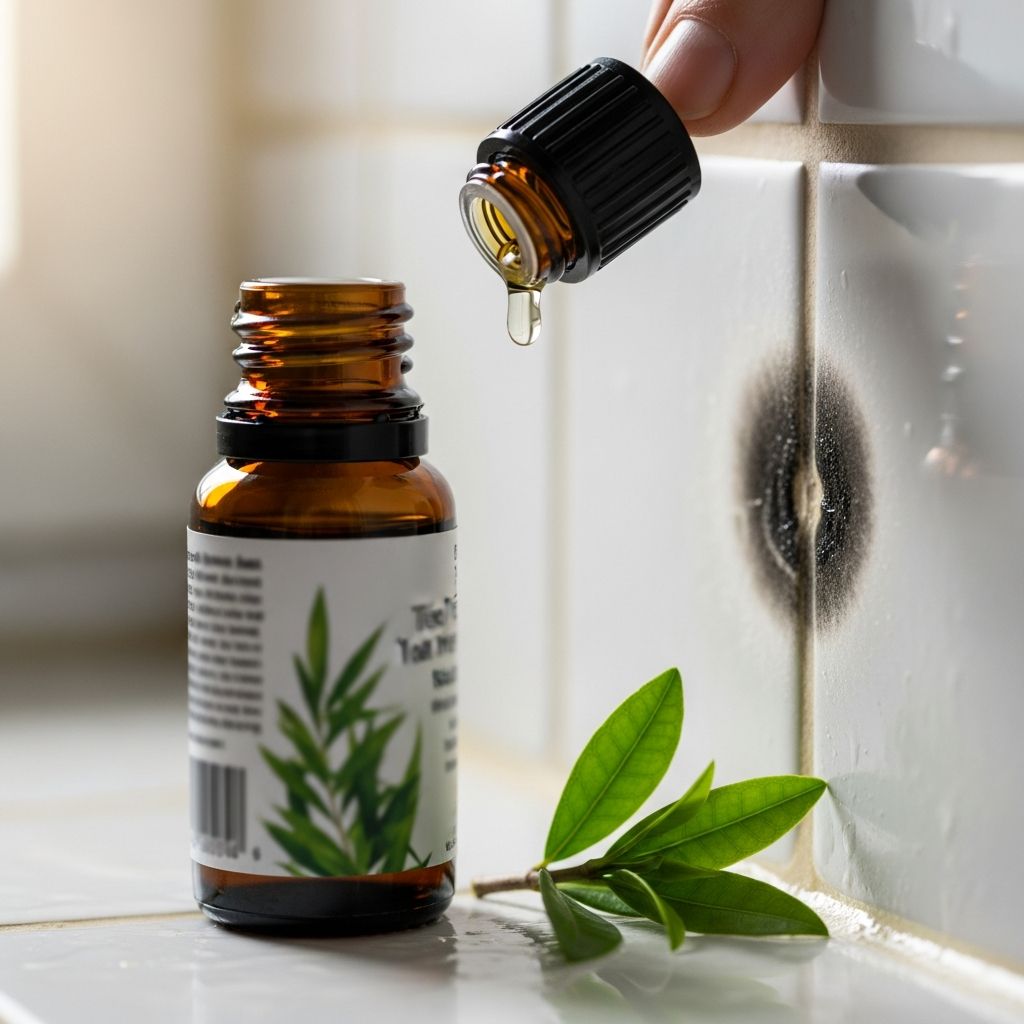
Tea tree essential oil, derived from the Melaleuca alternifolia plant, stands out as a potent natural agent against mold due to its strong antifungal compounds like terpinen-4-ol, which disrupt fungal cell walls. This article explores its applications, preparation methods, and integration with broader mold prevention tactics for a cleaner living space.
Why Tea Tree Oil Excels Against Mold
Mold thrives in damp, poorly ventilated areas, releasing spores that harm air quality and health. Unlike chemical cleaners, tea tree oil offers a plant-based alternative with proven lab efficacy. Studies confirm its superiority over vinegar in mold elimination, targeting species like Aspergillus and Penicillium by rupturing cells and halting spore production.
Key benefits include:
- Antimicrobial action: Inhibits growth of Candida albicans and other fungi.
- Air purification: Vapor diffusion reduces airborne spores temporarily.
- Versatility: Suitable for surfaces, fabrics, and diffusion.
While effective in controlled tests, real-world results depend on addressing moisture sources, as oils alone may not fully remediate heavy infestations.
Preparing Effective Tea Tree Oil Mixtures
Creating the right blend maximizes potency while minimizing risks. Always dilute pure tea tree oil, seeking products with at least 30% terpinen-4-ol and low cineole (10-15%) for optimal results.
| Mixture Type | Ingredients | Ratio | Best For |
|---|---|---|---|
| Surface Spray | Tea tree oil + Water | 1 tsp per 2 cups water | Hard surfaces like tiles |
| Enhanced Spray | Tea tree oil + Vinegar | 2 tsp per 2 cups vinegar | Porous materials, odor control |
| Diffusion Blend | Tea tree + Carrier oil | 5-10 drops per diffuser | Airborne mold prevention |
Shake sprays vigorously before use; vinegar mixtures enhance penetration on porous items.
Step-by-Step Application Guide
Follow these protocols for targeted mold removal:
- Identify and isolate: Wear gloves, mask, and ventilate the area. Test a small spot for discoloration.
- Apply generously: Saturate moldy areas with spray; avoid rinsing immediately.
- Dwell time: Let sit 1 hour or overnight for deeper penetration.
- Scrub and dry: Use a stiff brush, wipe with damp cloth, then dry thoroughly with fans.
- Repeat if needed: For stubborn growth, reapply daily for 3-5 days.
For airborne control, use waterless diffusers to preserve oil integrity, running 30-60 minutes daily in affected rooms.
Enhancing Results with Complementary Oils
Combine tea tree with other antifungals for broader spectrum coverage:
- Clove oil: Eugenol-rich, kills Aspergillus, Penicillium; dilute 1/4-1/2 tsp per liter water.
- Eucalyptus: Inhibits Ulocladium, Coprinellus spore production.
- Cinnamon bark: Fungitoxic against multiple molds.
- Lavender: Disrupts cell membranes mildly.
Blends amplify efficacy; e.g., equal parts tea tree and clove for heavy-duty sprays.
Safety Precautions and Best Practices
Tea tree oil is potent; misuse can irritate skin or respiratory systems.
- Dilution mandatory: Never apply undiluted to skin or large areas.
- Pet and child safety: Keep away during application; strong odors linger.
- Ventilation: Use in well-aired spaces to avoid inhalation overload.
- Allergies: Patch test; discontinue if rash occurs.
- Storage: Dark glass bottles away from heat/light.
Not a bleach substitute for severe cases—consult pros for structural mold.
Preventing Mold Recurrence Holistically
Killing mold is temporary without prevention:
- Control humidity below 50% with dehumidifiers.
- Improve airflow via exhaust fans, open windows.
- Fix leaks promptly; use exhaust in high-moisture zones.
- Diffuse oils routinely in prone areas like bathrooms.
Integrate with vinegar or hydrogen peroxide for maintenance cleaning.
Scientific Backing and Limitations
Lab evidence supports tea tree’s mold-killing prowess, outperforming some disinfectants in vitro. However, home efficacy varies; oils inhibit but may not neutralize mycotoxins or deeply embedded colonies. Pair with moisture fixes for comprehensive control.
Frequently Asked Questions
Is tea tree oil safe for all surfaces?
Yes on non-porous like glass, tile; test fabrics first as it may stain.
How long does the mold-killing effect last?
Immediate on contact, but reapplication needed; diffusion offers temporary air purification.
Can I use it around pets?
Use caution—cats are sensitive; ventilate and restrict access during treatment.
Does it work better than bleach?
Equally effective naturally, without toxic fumes, but less for porous deep cleans.
What’s the shelf life of mixtures?
Prepare fresh; store oil up to 2 years properly.
Real-World Success Tips
Homeowners report success in bathrooms and basements by combining sprays with diffusion. One strategy: nightly vinegar-tea tree soaks followed by UV lamps for spore kill. Track humidity to sustain results.
Embrace this natural powerhouse for proactive mold management, fostering a fresher, healthier home without harsh chemicals.
References
- Essential Oils for Mold Remediation — Miracle Botanicals. 2023. https://miraclebotanicals.com/a/blog/essential-oils-for-mold-remediation
- 5 Air Purifying Essential Oils That Kill Mold — Green Orchard Group. 2023. https://greenorchardgroup.com/5-air-purifying-essential-oils-that-kill-mold/
- The Essential Oil Debate: Are They Truly Effective Against Mold in Homes? — EnviroProz. 2024. https://enviroproz.com/blog/the-essential-oil-debate-are-they-truly-effective-against-mold-in-homes/
- 5 Natural Mold Killers and How They Work — Angi. 2023. https://www.angi.com/articles/how-to-learn-how-kill-mold-naturally.htm
- 6 Natural, Safe Mold Treatment Solutions Instead of Bleach — Beyond Toxics. 2022. https://www.beyondtoxics.org/wp-content/uploads/GreatNaturalMoldCleaners-Instead-of-Bleach.pdf
Similar Articles








Read full bio of medha deb