Eliminate Mosquito Larvae: 10 Proven Strategies
Discover safe, effective methods to destroy mosquito larvae in standing water and prevent breeding for a bite-free yard this season.
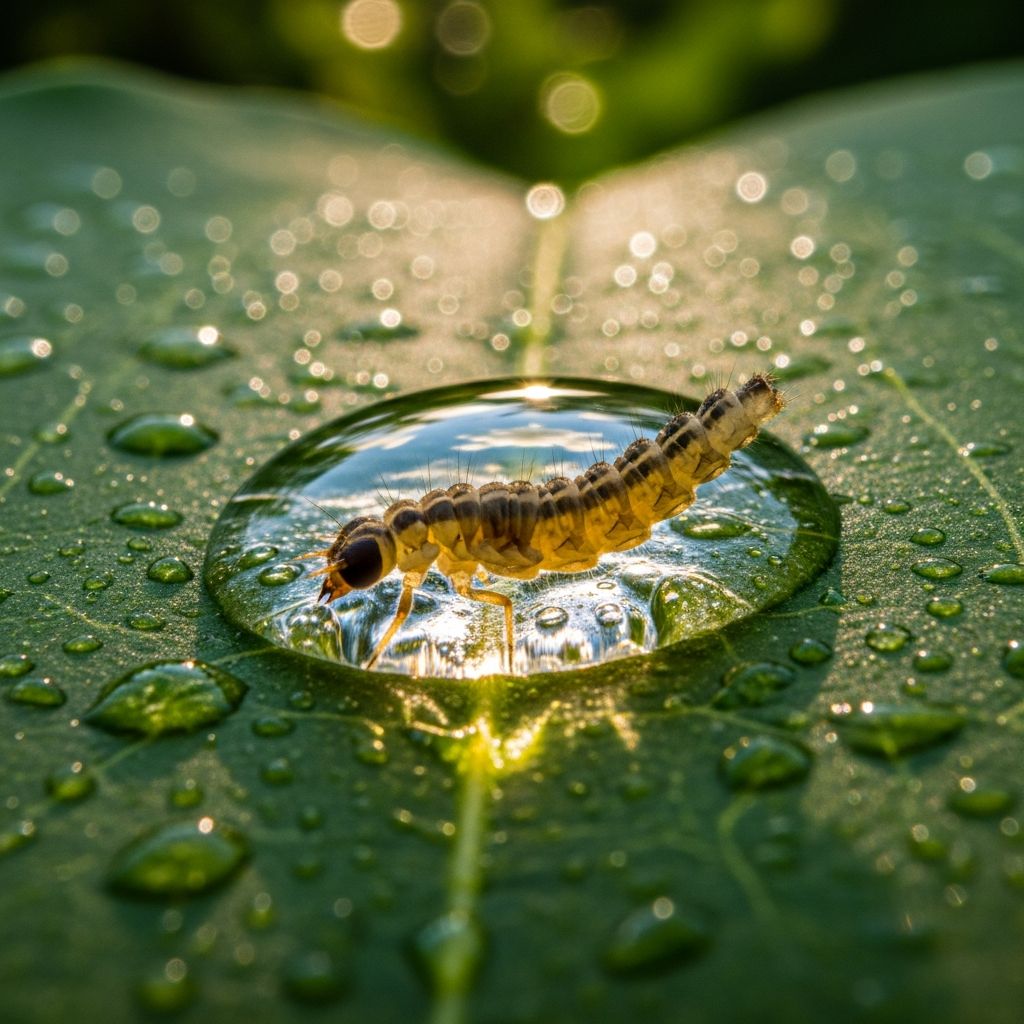
Mosquito larvae thrive in even the smallest amounts of stagnant water, turning your yard into a breeding ground for these disease-carrying pests. Targeting larvae early prevents adult mosquitoes from emerging, offering a proactive defense against bites and potential illnesses like West Nile virus or Zika. This guide explores 10 reliable methods to eradicate mosquito larvae, prioritizing safety for pets, wildlife, and the environment.
Understanding the Mosquito Life Cycle and Why Larvae Matter
Mosquitoes undergo four stages: egg, larva, pupa, and adult. Larvae, often called “wrigglers,” live in water for 4-14 days, feeding and developing before pupating into flying adults. Disrupting this aquatic phase stops the cycle at its source. According to the U.S. Environmental Protection Agency (EPA), larvicide treatments in breeding sites significantly reduce local adult populations.
Common breeding sites include overlooked spots like clogged gutters, plant saucers, old tires, and rain barrels. Just one inch of still water can support hundreds of larvae. Regular inspection and intervention are key to long-term control.
Prevention: The First Line of Defense
Eliminating breeding opportunities is the simplest, most sustainable approach.
- Remove Standing Water Weekly: Empty birdbaths, buckets, flowerpot saucers, and pet bowls at least once a week. Mosquito eggs hatch in 24-48 hours, so frequency matters.
- Clean Gutters and Drains: Clogged gutters hold water for days; flush them regularly to prevent buildup.
- Fix Leaks and Low Spots: Repair dripping faucets and fill yard depressions that puddle after rain.
- Cover or Store Items: Tarp unused wheelbarrows, grills, and trash cans to block rainwater collection.
These steps alone can reduce mosquito populations by up to 80% in residential areas, per pest management studies.
Biological Controls: Safe and Targeted Solutions
Biological agents like Bacillus thuringiensis israelensis (BTI) are naturally occurring bacteria that produce toxins fatal only to mosquito larvae, black flies, and fungus gnats. Safe for humans, pets, fish, and bees, BTI disrupts larval digestion upon ingestion.
- Mosquito Dunks and Bits: Donut-shaped dunks float in larger water bodies like rain barrels or ponds, releasing BTI for up to 30 days. Sprinkle bits into small areas like saucers or puddles for quick action. One dunk treats 100 square feet of water surface.
BTI is EPA-approved and widely recommended for organic gardens, as it spares pollinators. Place dunks in ornamental ponds or birdbaths without harming aquatic life.
Surface Treatments: Suffocate Larvae Without Chemicals
Larvae breathe at the water’s surface through siphons. Covering this interface starves them of oxygen.
| Method | Application Rate | Best For | Duration |
|---|---|---|---|
| Vegetable or Olive Oil | 1 tbsp per gallon | Buckets, barrels | 1-2 weeks |
| Dish Soap | 1-2 tsp per gallon | Small puddles | 24-48 hours |
| Apple Cider Vinegar | 15% solution | Temporary spots | 24 hours |
Oil forms a thin film that blocks air; soap creates bubbles that drown larvae. Avoid fish ponds, as these can harm aquatic species.
Essential Oils: Natural Repellents and Larvicides
Certain plant-derived oils interfere with larval development and respiration. The National Institutes of Health notes their potential in eco-friendly formulations.
- Cinnamon, Citronella, and Lemon Eucalyptus Oils: Add 3-5 drops per gallon; reapply weekly.
- Peppermint and Geraniol: Effective at low concentrations, these coat water surfaces.
- Garlic Extract: Dilute and spray for broad coverage.
These are ideal for yards with children or pets, offering dual benefits as adult repellents.
Circulating Water: A Non-Toxic Fix for Permanent Features
For unavoidable water like fountains or ponds, introduce movement. Larvae require stillness to feed and breathe.
- Install small pumps, aerators, or fountains to create ripples.
- Add fish like gambusia (mosquito fish), which devour larvae.
- Waterfalls or bubblers in decorative ponds provide constant agitation.
This method is chemical-free and enhances yard aesthetics.
Chemical Larvicides: When Natural Options Fall Short
For severe infestations, EPA-regulated options target larvae precisely.
- Insect Growth Regulators (IGRs) like Methoprene: Mimic hormones to prevent pupation; applied as granules or liquids.
- Organophosphates: Fast-acting but use sparingly due to toxicity; professional application recommended.
Always follow labels and prioritize least-toxic products.
DIY Traps: Attract and Destroy
Create a mosquito bucket trap: Fill a black bucket with water, add grass clippings or hay, and a BTI dunk. Females lay eggs here preferentially, and larvae die from BTI. Place in shady spots; refresh bi-weekly.
This targeted trap reduces yard populations without broad spraying.
Year-Round Maintenance Schedule
Mosquito season varies by climate, but vigilance is essential.
| Season | Actions |
|---|---|
| Spring | Clear debris, empty containers, apply first dunks. |
| Summer | Weekly checks, refresh treatments, monitor rain barrels. |
| Fall | Store gear, clean gutters before first frost. |
| Winter | Inspect indoors for houseplants with saucers. |
Common Mistakes to Avoid
- Overlooking tiny sources like bottle caps or toy puddles.
- Using bleach or harsh chemicals, which harm soil and wildlife.
- Neglecting reapplication; larvae rebound quickly.
- Ignoring shaded areas where water evaporates slower.
FAQs
Are BTI dunks safe for my pond fish?
Yes, BTI targets only mosquito larvae and spares fish, birds, and pets.
How often should I treat standing water?
Treat weekly or after rain; dunks last 30 days in stable conditions.
Can essential oils replace professional services?
For mild issues, yes; severe cases may need pros for comprehensive coverage.
Do mosquito larvae survive in moving water?
No, circulation prevents attachment and breathing.
What’s the fastest way to kill visible larvae?
Dish soap or oil films act in 24 hours for small volumes.
Implementing these strategies creates a mosquito-resistant yard. Combine prevention with targeted treatments for optimal results, enjoying outdoor time without the itch.
References
- 6 Natural Ways to Kill Mosquito Larvae — Mosquito Magician. Accessed 2026. https://mosquitomagician.com/blogs/news/6-natural-ways-to-kill-mosquito-larvae
- Tips for Killing Mosquito Larvae in Standing Water Year-Long — Simple Pest. Accessed 2026. https://www.simplepest.com/mosquitoes/tips-for-killing-mosquito-larvae-in-standing-water-year-long/
- Controlling Mosquitoes at the Larval Stage — US EPA. Accessed 2026. https://www.epa.gov/mosquitocontrol/controlling-mosquitoes-larval-stage
- How to Rid Your Yard of Mosquitoes without Harming Pollinators — joegardenerTV (YouTube). Accessed 2026. https://www.youtube.com/watch?v=FYZigrfYnuY
Similar Articles




Read full bio of medha deb