Banishing Stale Scents: Complete Guide to Freshening Older Homes
Discover proven methods to neutralize stubborn odors and restore freshness to older houses.
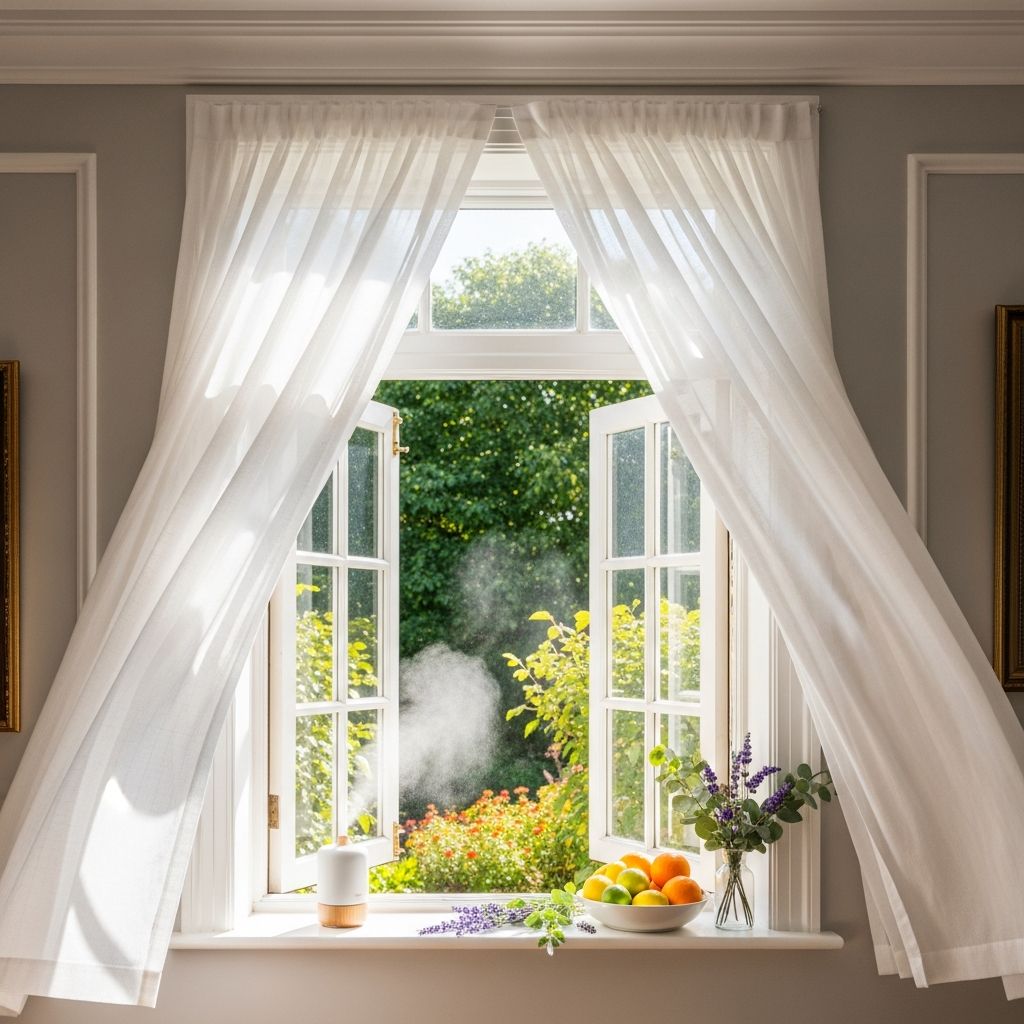
Banishing Stale Scents: A Comprehensive Approach to Freshening Your Aging Home
Older homes possess undeniable charm and character, yet they often carry an invisible burden: persistent, difficult-to-identify odors that seem to permeate every corner. Whether you’ve recently purchased a vintage property or have lived in your home for decades, stubborn smells can diminish your enjoyment and create an uninviting atmosphere for family and guests. These odors typically stem from years of accumulated moisture, biological growth, trapped cooking vapors, and materials that have absorbed scents over time. The good news is that with systematic investigation and targeted interventions, you can dramatically improve your home’s air quality and eliminate the characteristic “old house” smell that many property owners find frustrating.
Understanding the Sources of Persistent Household Odors
Before tackling odor elimination, it’s essential to identify what causes these smells in the first place. Older homes frequently develop odors due to several interconnected factors. Moisture accumulation creates an ideal environment for mold, mildew, and bacterial growth—organisms that emit volatile organic compounds (VOCs) and microbial volatile organic compounds (mVOCs) that produce the characteristic musty scent. Poor ventilation compounds this problem by trapping stale air indoors. Additionally, materials common in older construction—including aged wood, vintage upholstery, and original carpeting—absorb odor-causing molecules over decades, becoming difficult to fully refresh without professional intervention.
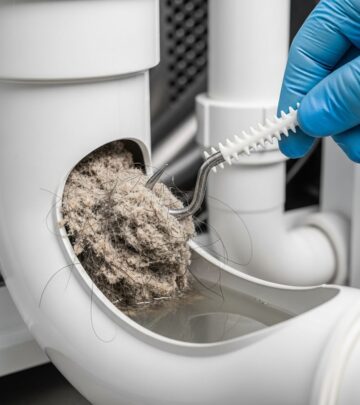
Drain systems in older homes deserve particular attention, as they frequently harbor bacterial colonies and mold growth that generate foul-smelling gases. Similarly, aging plumbing may develop cracks or disconnections that allow sewer odors to enter living spaces. Understanding these underlying causes helps you address root problems rather than merely masking symptoms with air fresheners.
Natural Ingredients That Effectively Combat Household Odors
Nature provides several powerful allies in your fight against stubborn odors. These ingredients work through different mechanisms—absorption, neutralization, or antimicrobial action—making them versatile solutions for various odor challenges.
Baking Soda: The Versatile Odor Absorber
Sodium bicarbonate, commonly known as baking soda, functions as an exceptionally effective odor neutralizer by trapping odor molecules rather than simply masking them. Its porous structure allows it to absorb and hold unwanted scents until removed. Practical applications include sprinkling it on carpets and furniture, placing open boxes in enclosed spaces like closets or refrigerators, or mixing it with water to create a cleaning paste for hard surfaces. For concentrated odor problems, allow baking soda to sit for 12 hours or overnight before vacuuming for maximum effectiveness.
White Vinegar: Nature’s Acidic Deodorizer
The acidity in white vinegar neutralizes odor-causing compounds while offering mild antimicrobial properties. Unlike baking soda’s absorption mechanism, vinegar chemically breaks down odor molecules. You can deploy it as a room spray (mixing equal parts vinegar and water), in bowl form left overnight in problematic areas, or incorporated into laundry for fresher fabrics. Its versatility makes it invaluable for everything from drain cleaning to wall washing, though some people find its pungent smell temporary off-putting.
Activated Charcoal: The Premium Absorbent
Activated charcoal undergoes special processing that creates millions of microscopic pores, dramatically increasing its surface area for odor absorption. Unlike regular charcoal, this activated form effectively traps odor-causing chemicals and impurities from air and surfaces. Commercial charcoal bags can remain effective for up to two years, making them a long-term investment in home freshness. These bags work particularly well in closets, near trash areas, and in any space where moisture tends to accumulate.
Essential Oils: Aromatic Support with Antimicrobial Benefits
Beyond their pleasant fragrances, many essential oils possess legitimate antimicrobial properties. Lavender, tea tree, and lemon oils can be mixed with water in spray bottles or combined with baking soda for enhanced carpet deodorizing. These natural compounds address odor at multiple levels—providing immediate aromatic improvement while offering supplementary antimicrobial action.
Strategic Drain Cleaning: Addressing a Primary Odor Source
Drainage systems frequently serve as incubators for bacteria and mold, making them a critical focus for odor elimination. To clean drains naturally, pour one cup of baking soda down the drain, immediately followed by one cup of vinegar. This combination creates a fizzing action that dislodges debris and biofilm buildup. After allowing this mixture to work for approximately 30 minutes, flush the drain with hot water. For stubborn or recurring drain odors, this process should be repeated weekly until the smell completely disappears.
However, persistent drain odors despite regular cleaning may indicate a more serious problem, such as a compromised sewer line or disconnected plumbing vent. These situations require professional inspection and repair to prevent health hazards and eliminate the source of the problem entirely.
Deep Cleaning Upholstered Furnishings and Fabrics
Older upholstered furniture frequently harbors mold growth and biological organisms that emit odorous gases, particularly in humid locations or storage areas. Addressing this requires a two-phase approach beginning with surface treatment. Generously sprinkle baking soda over upholstered pieces and allow it to sit for 15 minutes to 12 hours, depending on odor intensity. Thorough vacuuming removes the powder and trapped odors. Before treating valuable furniture, always test any cleaning products on inconspicuous areas to ensure they won’t damage delicate fabrics or finishes.
For deeper odor elimination, antimicrobial treatments specifically formulated to eliminate mold should follow the initial baking soda treatment. Alternatively, you can create a natural cleaner by dissolving half a cup of borax in 32 ounces of hot water, then adding two cups of distilled white vinegar and 16 ounces of hydrogen peroxide. This powerful combination addresses biological growth while neutralizing existing odors. Smaller items like drapes that absorb smoke or cooking odors should be professionally dry cleaned or laundered in cold water with two cups of vinegar added to the wash cycle.
Hard Surface Treatment: Protecting Wood and Sealed Materials
Wood presents particular challenges in older homes because its porous structure absorbs and retains water, creating an ideal environment for mold colonization. Baseboards, trim, and wooden furniture require targeted attention using products specifically formulated to eliminate mold spores and prevent regrowth. For those preferring natural solutions, the borax-vinegar-hydrogen peroxide mixture mentioned previously works effectively on hard surfaces.
Beyond mold treatment, regular cleaning with vinegar spray (unless the finish is delicate) helps prevent odor accumulation on wood surfaces. For painted walls and ceilings showing signs of odor problems, washing with the aforementioned borax mixture followed by repainting provides both functional and aesthetic improvement.
Advanced Air Quality Solutions: Beyond Surface Treatments
While addressing physical odor sources remains essential, ongoing air quality management requires additional tools. Air purifiers equipped with activated carbon filters provide continuous protection against mVOCs and odor-causing particles. These devices work by pulling odor-causing chemicals from circulating air and trapping them in their filtration systems. Placing such units in high-traffic areas and bedrooms offers maximum benefit throughout your home.
For those preferring passive solutions, hanging air-purifying bags filled with activated charcoal throughout your home offers another layer of protection. These bags typically remain effective for approximately two years before requiring replacement. Combining multiple approaches—professional-grade air purifiers, activated charcoal bags, and improved ventilation—creates a comprehensive system that continuously works toward eliminating persistent odors.
Room-Specific Strategies for Targeted Odor Elimination
Kitchen Odor Management
Kitchens present unique challenges due to lingering food odors and grease accumulation. Regular cleaning of garbage disposals using baking soda and vinegar prevents bacterial growth in this common odor source. Simmering water with lemon peels and cinnamon sticks creates a natural air freshener that masks cooking odors while actually improving air quality. Maintaining clean surfaces and promptly addressing spills prevents odor-causing substances from accumulating.
Basement and Below-Grade Space Solutions
Damp, musty basements result from moisture accumulation and poor air circulation. Dehumidifiers reduce the moisture that allows mold and mildew to thrive, while fans or open windows improve ventilation. Regular cleaning and disinfection with vinegar solution removes existing biological growth. For serious moisture problems, professional waterproofing or sump pump installation may become necessary.
Smoke and Tobacco Odor Elimination
Cigarette smoke presents one of the most challenging odor problems because smoke particles penetrate porous materials throughout the home. Aggressive ventilation using fans and open windows begins the removal process, but deeper treatment requires washing walls and fabrics with vinegar solution and placing activated charcoal bowls throughout affected areas. Professional dry cleaning of drapes and curtains removes absorbed odors from textiles. Paint application after thorough cleaning provides a fresh finish and seals smoke odors into the wall base.
Pet Odor: Specialized Approach for Animal-Related Smells
Pet-related odors require targeted strategies beyond standard cleaning. High-performance vacuums designed specifically for pet hair removal help eliminate dander and fur that trap odor molecules. For soiled areas, using enzymatic cleaners designed for pet urine breaks down the odor-causing compounds rather than simply masking them. Black light tools can help locate urine stains invisible to the naked eye, ensuring comprehensive treatment.
Hardwood floors present particular challenges for pet odor because urine seeps into wood grain, requiring specialized hardwood-safe enzymatic cleaners. Pet bedding and blankets should be washed in hot water using enzymatic cleaner formulas. For persistent odors, modern solutions like automatic litter boxes contain odors more effectively than traditional boxes, reducing overall household smell levels.
Creating Homemade Odor-Fighting Solutions
DIY odor fighters offer cost-effective, customizable alternatives to commercial products. Simmer water with citrus peels, cinnamon sticks, and cloves for a natural air freshener that actually improves air quality rather than just masking odors. Mix water with vodka and essential oils in spray bottles for linen fresheners. Creating gel air fresheners using gelatin, water, and essential oils provides longer-lasting scent delivery in enclosed spaces. When DIY solutions prove insufficient, increase essential oil concentration or add more dried herbs for greater potency.
Ventilation Fundamentals: Preventing Future Odor Accumulation
Proper air circulation represents the foundation of long-term odor prevention. Opening windows regularly allows fresh air to displace stale indoor air, while exhaust fans in kitchens and bathrooms directly remove moisture-laden air before it can support mold growth. Strategic placement of ceiling fans improves air circulation in larger spaces. For homes without adequate natural ventilation, whole-house ventilation systems or spot exhaust fans become essential investments in preventing future odor problems.
When to Seek Professional Intervention
While many odor problems respond to diligent homeowner efforts, some situations demand professional expertise. Extensive mold contamination, water damage, or structural issues causing persistent moisture require professional remediation using HEPA filtration and antimicrobial treatments. Persistent drain odors despite regular cleaning may signal plumbing problems requiring licensed plumber inspection. Sewer gas entry into the home represents a health hazard requiring professional diagnosis and correction.
Frequently Asked Questions
Q: How long does it typically take to eliminate an established old house smell?
A: Timeline depends on odor severity, source identification, and consistency of treatment application. Surface treatments may show improvement within days, while deep-seated problems from water damage or extensive mold growth may require weeks or months of professional remediation and ongoing maintenance.
Q: Are commercial air fresheners effective for treating actual odor problems?
A: Most conventional air fresheners merely mask odors temporarily without addressing root causes. Carbon filter air purifiers and odor-absorbing products like activated charcoal actually remove odor molecules, providing more lasting solutions than fragrance-based products.
Q: Can I use the same treatment methods on all surfaces in my home?
A: No. Always test cleaning solutions on inconspicuous areas before full application, particularly on delicate finishes, antique wood, or valuable fabrics. Some surfaces require specialized treatments—hardwood floors need enzyme-based pet cleaners, while painted walls tolerate stronger borax mixtures better than wood trim.
Q: What role does humidity control play in odor prevention?
A: Humidity directly enables mold and mildew growth that produces musty odors. Maintaining indoor humidity between 30-50% through dehumidifiers, proper ventilation, and moisture management prevents biological growth and significantly reduces odor formation.
Q: How often should I repeat natural odor treatments for lasting effectiveness?
A: Regular maintenance prevents odor recurrence. Drain cleaning should occur weekly initially, then monthly for prevention. Baking soda treatments for carpets and furniture work best every two weeks in problem areas. Activated charcoal bags require replacement every two years or when saturation is evident.
References
- How to Get Rid of Old House Smell: Tips & Tricks — HomeLight. 2025. https://www.homelight.com/blog/how-to-get-rid-of-old-house-smell/
- How To Get Rid of Bad Smells the Safe Way — This Old House. 2025. https://www.thisoldhouse.com/green-home/get-rid-of-bad-smells-the-safe-way
Similar Articles


Read full bio of Sneha Tete