Eliminate Odors from Drinking Water
Discover proven methods to detect, treat, and prevent unpleasant smells in your tap water for safe, refreshing hydration every day.
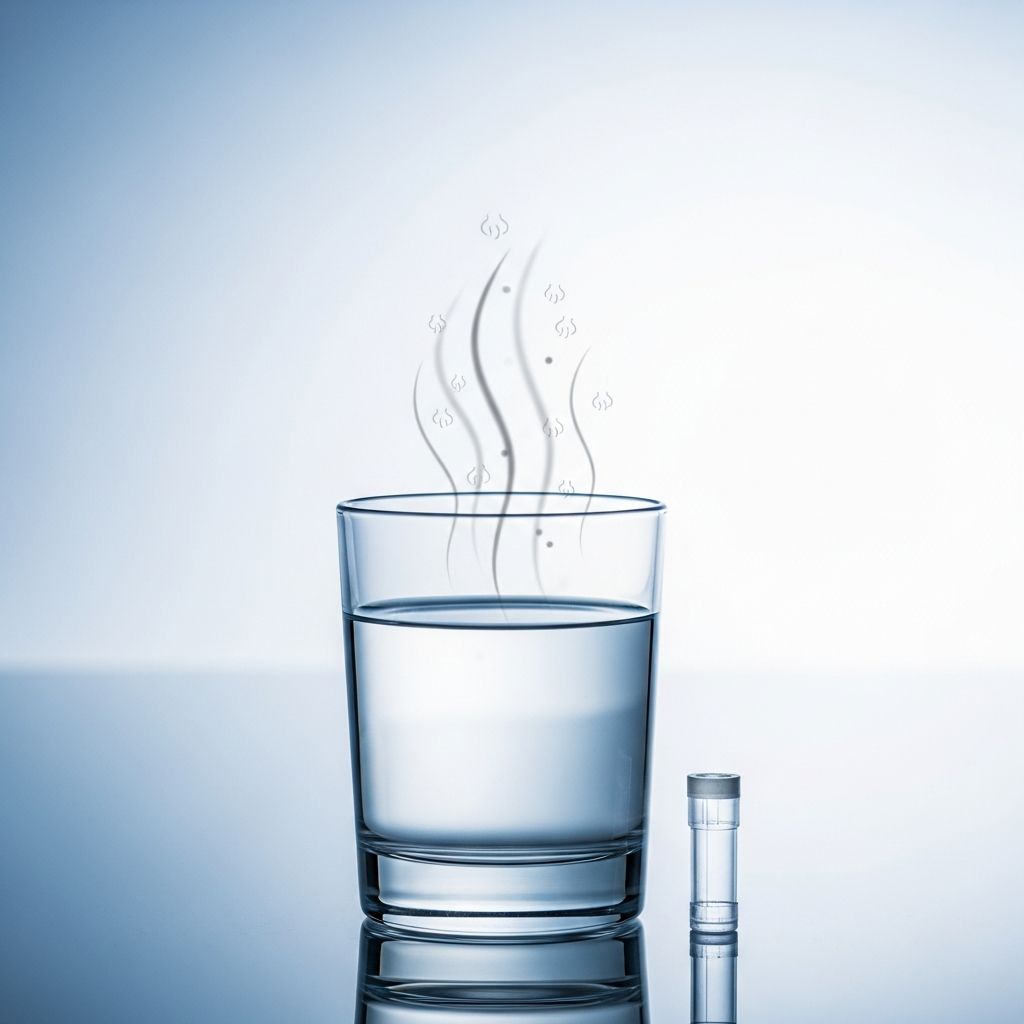
Unpleasant smells in drinking water can make hydration unappealing and raise health concerns. Addressing these issues involves pinpointing causes and applying targeted treatments like filtration and oxidation to restore fresh taste.
Understanding Why Your Water Smells Bad
Water odors often stem from natural contaminants, bacterial activity, or treatment chemicals. Hydrogen sulfide gas produces a
rotten egg smell
, common in well water due to sulfate-reducing bacteria. Chlorine used in municipal disinfection creates a pool-like odor, noticeable after water sits in pipes. Metallic tastes arise from iron or manganese, while organic compounds from algae or decaying matter cause musty scents.Well water frequently harbors iron bacteria, leading to slimy buildup and odors, especially a sulfurous stench when first drawn. City water might carry earthy smells from source water or pipe corrosion. Testing water at the source, like filling a bucket from the nearest tap, reveals if the issue originates from the well or distribution system.
Common Types of Water Odors and Their Origins
- Rotten Eggs (Hydrogen Sulfide): Sulfur compounds from anaerobic bacteria in groundwater or water heaters.
- Chlorine/Pool Smell: Disinfectant residue in treated municipal supplies.
- Metallic or Fishy: Iron, manganese, or copper leaching from pipes.
- Musty or Earthy: Algae byproducts like geosmin in surface water.
- Mildewy: Bacterial growth in storage tanks or heaters.
These odors not only affect taste but can signal potential health risks, such as bacterial contamination or heavy metals. Regular testing identifies specific culprits for precise remediation.
Diagnostic Steps to Pinpoint the Problem
Begin by checking water at multiple points: cold vs. hot taps, indoor vs. outdoor faucets. A rotten egg smell only in hot water points to the water heater’s anode rod reacting with sulfates. Sniff the water directly from the source before it enters pipes to isolate well issues.
Flush pipes by running taps for several minutes to clear stagnant water. Inspect fixtures for black stains (manganese) or slime (iron bacteria). For comprehensive analysis, professional testing detects bacteria, nitrates, metals, and sulfur levels. Home kits provide initial insights, but lab verification ensures accuracy.
Proven Filtration Methods for Odor Removal
Several technologies effectively target odor-causing contaminants.
Activated carbon filters
adsorb organic compounds, chlorine, and sulfur odors, improving clarity and taste.**Reverse osmosis (RO) systems** remove up to 99.8% of impurities, including dissolved solids, metals, and odor compounds, making them ideal for comprehensive purification. The Water Quality Association endorses RO for taste and smell issues.
| Method | Best For | Effectiveness | Maintenance |
|---|---|---|---|
| Activated Carbon | Chlorine, organics | High for smells | Replace every 6-12 months |
| Reverse Osmosis | Total dissolved solids, metals | 99.8% contaminant removal | Filter changes yearly |
| Air Injection Oxidation | Iron, sulfur, manganese | Oxidizes and filters | Backwash weekly |
| Greensand Filters | Hydrogen sulfide | Converts to solids | Regenerate with permanganate |
Oxidation methods, like air stripping or chemical injection, convert dissolved iron and sulfur into filterable particles. Pro-OX filters using manganese dioxide media excel at this, maintaining an air pocket for continuous oxidation.
Treating Sulfur and Rotten Egg Smells
Hydrogen sulfide requires oxidation or degasification. Aeration systems release the gas, while greensand filters coated in manganese oxide corrode it into solid sulfur. Ozone or chlorine dioxide oxidizers prove highly efficient.
For water heaters, replace the magnesium anode with aluminum to prevent sulfate reactions, then flush with chlorine bleach. Iron filters paired with ozone generators combat iron bacteria fueling sulfur production.
Handling Chlorine and Chemical Odors
Municipal chlorine dissipates naturally but lingers in pipes. Carbon filters neutralize it effectively. RO systems also eliminate residual disinfectants alongside other impurities.
Avoid over-chlorination; EPA guidelines for emergency disinfection specify unscented bleach at precise ratios, ensuring a faint chlorine scent post-treatment. For ongoing issues, post-carbon filtration polishes water after chlorination.
Well Water Specific Solutions
Well owners face unique challenges like iron, manganese, and bacteria. Chlorine injection followed by Pro-OX filtration disinfects and removes dissolved metals. Water softeners handle low-level manganese via ion exchange, though not ideal for high concentrations.
Sediment pre-filters prevent clogging in iron-heavy water. Backwashing systems keep media clean, with ozone options curbing bacterial regrowth.
Whole-Home vs. Point-of-Use Systems
Whole-house filters treat all water, ideal for pervasive odors from wells. Point-of-use units under sinks focus on drinking water, saving costs for city supplies. Combine approaches: RO at the kitchen tap, oxidation for the main line.
Maintenance Tips to Prevent Odor Recurrence
- Flush water heaters annually with bleach to remove sediment and bacteria.
- Run faucets weekly to prevent stagnation.
- Replace anode rods in heaters every 2-3 years.
- Schedule professional water testing biannually.
- Clean drains with vinegar to avoid cross-contamination.
These routines extend system life and maintain water quality. Monitor for changes post-installation, adjusting as needed.
Health Implications of Odorous Water
While most odors are aesthetic, high hydrogen sulfide can corrode pipes and cause nausea. Iron bacteria harbor pathogens, and metals like manganese stain fixtures while potentially affecting health in excess. Untreated water risks gastrointestinal issues from bacteria. Prompt treatment safeguards wellbeing.
Frequently Asked Questions
Why does my water smell like rotten eggs only from the hot tap?
This indicates sulfate-reducing bacteria in the water heater, exacerbated by the magnesium anode. Replace it with aluminum and flush the tank.
Can I fix sulfur smells without buying a new filter system?
Temporarily, aerate water or shock the system with chlorine. Long-term, install oxidation filters for reliable results.
Is chlorinated tap water safe to drink despite the smell?
Yes, in regulated amounts, but sensitive individuals may prefer carbon filtration to reduce irritation.
How often should I replace filters in my odor-removal system?
Carbon filters every 6-12 months; RO membranes yearly; oxidation media as per manufacturer, often 5-10 years with backwashing.
Will a water softener remove odors from well water?
It addresses manganese-related tastes but not sulfur or organics; pair with dedicated filters.
Choosing the Right System for Your Home
Assess water source, odor type, and usage. Budget systems start at point-of-use RO for $200-500, while whole-home oxidation runs $1,000+. Consult pros for custom setups. Clean water enhances daily life, from cooking to coffee brewing.
References
- Bad Taste & Smell — Water Quality Association. Accessed 2025. https://wqa.org/learn-about-water/perceptible-issues/bad-taste-smell/
- Does Your Water Smell? Here’s What It Means (And How to Fix It) — Pure Water VA. 2025-06. https://www.purewaterva.com/2025/06/does-your-water-smell-heres-what-it-means-and-how-to-fix-it/
- How to Remove Iron, Manganese, and Odor From Well Water — Clean Water Store. Accessed 2025. https://www.cleanwaterstore.com/blog/how-to-remove-iron-manganese-and-odor-from-well-water-step1/
- How to Remove Odor from Water — Pure Aqua, Inc. Accessed 2025. https://pureaqua.com/how-to-remove-odor-from-water/
- Improving the Taste and Odor of Your Drinking Water — Wonderful Water. Accessed 2025. https://wonderfulwater.com/improving-the-taste-and-odor-of-your-drinking-water/
- Water Smells Bad? Here’s How to Fix Smelly Tap Water — Big Power Water. 2025-09-11. https://www.bigpowerwater.com/insights/2025/9/11/water-smells-bad-heres-how-to-fix-smelly-tap-water
- Water Smells Like Rotten Eggs? Learn 7 Ways To Fix This — Pentair. Accessed 2025. https://www.pentair.com/en-us/commercial-filtration/resources-and-education/blog/water-smells-like-rotten-eggs.html
Similar Articles



Read full bio of Sneha Tete