Eliminate Sewer Odors from Sinks Effectively
Discover proven methods to banish foul sewer smells from your bathroom and kitchen sinks for a fresher home environment.
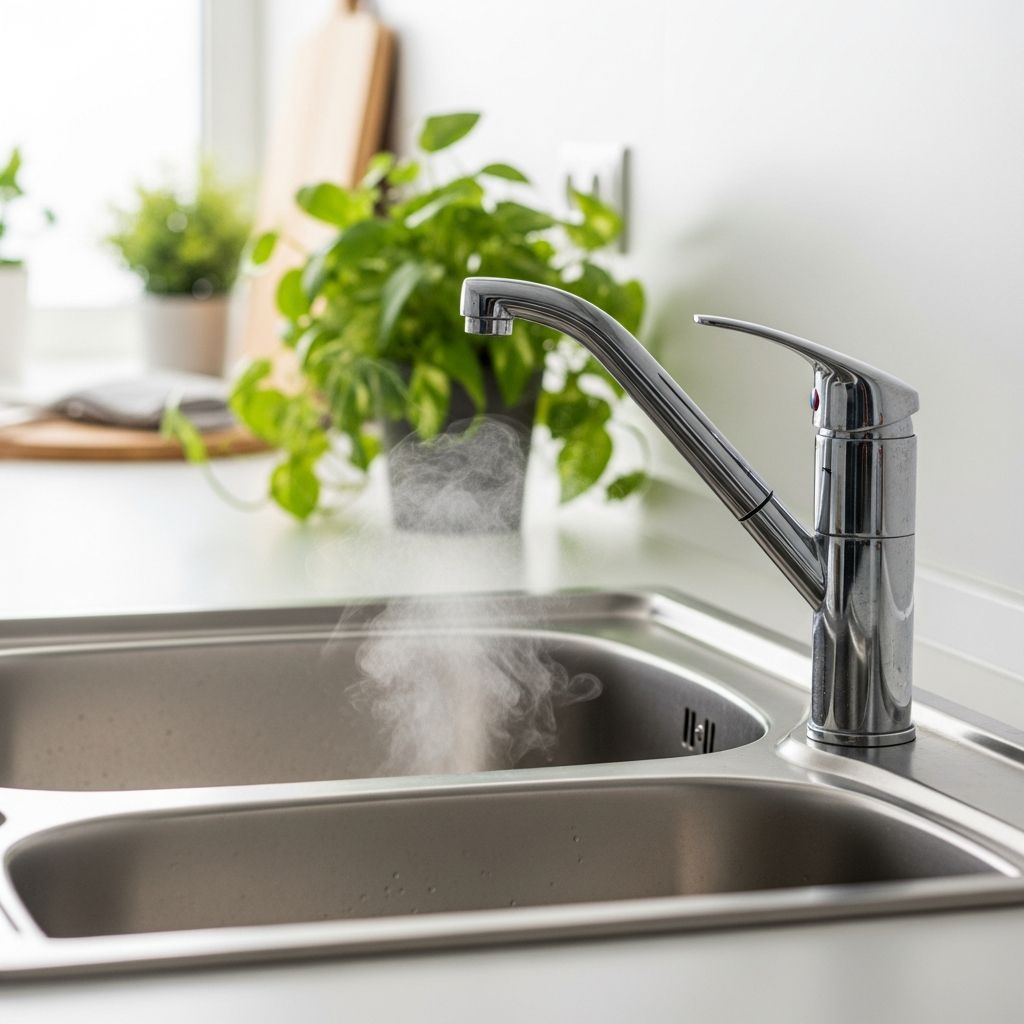
Foul sewer smells emanating from sinks can turn a simple daily routine into an unpleasant experience. These odors, often resembling rotten eggs or raw sewage, signal underlying plumbing issues that allow harmful gases to escape into your living space. Addressing them promptly not only improves comfort but also safeguards health, as prolonged exposure to sewer gases like hydrogen sulfide may cause headaches, nausea, or respiratory irritation.
Recognizing the Signs of Sewer Gas Intrusion
Sewer gas is a byproduct of decomposing organic matter in plumbing systems, primarily consisting of hydrogen sulfide, methane, and ammonia. In a properly functioning setup, the water in curved P-traps under sinks acts as a seal, preventing these gases from rising through drains. When smells appear intermittently or constantly, it indicates a breach in this barrier. Common indicators include odors strongest after periods of non-use, gurgling noises during water flow, slow drainage, or smells affecting multiple fixtures.
Bathroom sinks often suffer from infrequent use, leading to evaporation in the P-trap, while kitchen sinks accumulate grease and food debris that foster bacterial growth. Distinguishing between these helps in targeted fixes.
Primary Culprits Behind Sink Sewer Smells
Several factors contribute to these odors. Understanding them is the first step toward resolution.
- Dry or Faulty P-Trap: The U-shaped pipe holds water to block gases; dryness from disuse or leaks allows escape.
- Biofilm and Clogs: Sticky layers of bacteria, soap, hair, and grease create anaerobic environments producing foul gases.
- Vent Stack Blockages: Roof vents equalize pressure; obstructions like debris or animal nests cause backflow.
- Garbage Disposal Residue: In kitchens, rotting food under splash guards intensifies smells post-use.
- Sewer Main Line Problems: Cracks or blockages release gases system-wide, often with yard pooling or multi-fixture issues.
Quick Home Remedies for Mild Odors
Many cases resolve with DIY approaches using household items. Start here before escalating.
Boiling Water Flush
Heat a large pot or kettle of water to boiling. Slowly pour it down the drain to dissolve grease and kill surface bacteria. For slow drains, do this in stages to avoid overflow. Repeat weekly for prevention. Caution: Avoid on PVC pipes to prevent warping.
Baking Soda and Vinegar Reaction
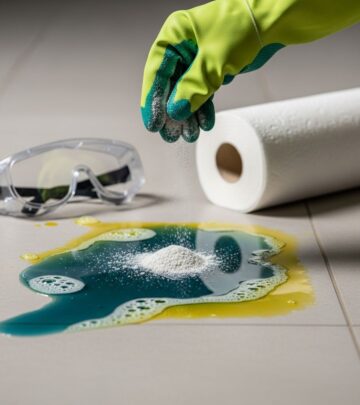
Sprinkle 1/2 cup baking soda into the drain, followed by 1 cup white vinegar. The fizzing action breaks down buildup. Let sit 15-30 minutes, then flush with hot water. This neutralizes odors naturally without harsh chemicals.
Plunging Technique
Remove any stopper, fill the sink with enough water to cover the plunger bell, and seal over the drain (cover overflow too). Plunge vigorously for 20 seconds. This dislodges shallow clogs.
| Method | Best For | Time Required | Effectiveness |
|---|---|---|---|
| Boiling Water | Grease buildup | 5 minutes | High for surface issues |
| Baking Soda + Vinegar | Bacterial odors | 30 minutes | Moderate, eco-friendly |
| Plunging | Partial clogs | 5 minutes | Good for shallow blockages |
Inspecting and Maintaining the P-Trap
The P-trap is central to odor control. Located under the sink, it’s a curved pipe trapping water as a gas barrier.
- Place a bucket below to catch water.
- Unscrew slip nuts with pliers or hands (wear gloves).
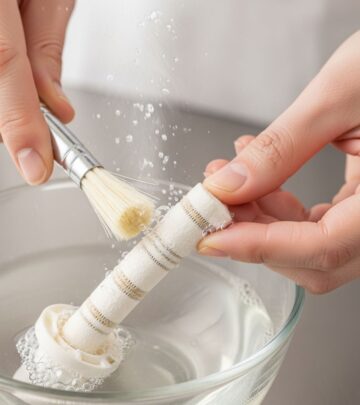
- Empty and clean the trap with a brush and hot soapy water.
- Check for cracks or leaks; replace if damaged.
- Reassemble tightly and run water to refill.
For rarely used sinks, run water weekly or add mineral oil to reduce evaporation. Low water levels mean refilling is essential.
Addressing Ventilation and Deeper Blockages
If basic fixes fail, vents may be implicated. Gurgling or multi-sink smells point here.
Test by running water in one fixture while flushing another nearby. Sink gurgling indicates vent suction issues. Clearing requires roof access: remove debris safely or hire pros. Avoid chemical cleaners on vents.
For persistent clogs, use a drain snake manually through the trap opening, turning clockwise to break buildup without chemicals.
Kitchen-Specific Solutions: Garbage Disposals
Kitchen smells often trace to disposals. Food particles decay under the rubber baffle.
- Lift and clean the splash guard with a toothbrush and soapy water.
- Grind ice cubes with lemon peels to sharpen blades and deodorize.
- Avoid putting fibrous or starchy foods to prevent jams.
When to Call a Professional Plumber
DIY limits exist. Seek experts for:
- Recurring smells post-fixes.
- Gurgling across fixtures.
- Slow drains or backups.
- Suspected main line issues (wet yard spots).
Pros use cameras for inspections, hydro-jetting for deep cleans, or trenchless repairs, preventing costly digs.
Preventive Strategies for Long-Term Freshness
Proactive habits minimize recurrence:
- Run water in all sinks weekly.
- Use drain screens for hair/debris.
- Monthly baking soda/vinegar treatments.
- Annual P-trap inspections.
- Schedule plumbing checks every 2 years.
These steps extend system life and maintain hygiene.
Frequently Asked Questions (FAQs)
Why does my unused bathroom sink smell like sewer?
The P-trap dries out without water, allowing gases to rise. Run water for 1-2 minutes to refill.
Can mold cause sink odors?
Yes, dark moist drains breed mold, producing musty smells alongside bacteria. Clean regularly with vinegar.
Is sewer gas dangerous?
Hydrogen sulfide irritates eyes/respiratory system; high exposure risks nausea. Ventilate and fix promptly.
Does hot water alone fix clogs?
It melts grease but not hair/soap; combine with other methods for best results.
How do I know if it’s a vent problem?
Gurgling drains or fluctuating toilet levels signal blockages.
Health and Safety Considerations
Sewer gases pose risks, especially in confined spaces. Work in ventilated areas, wear gloves/masks, and avoid mixing cleaners (e.g., bleach + ammonia creates toxic fumes). For anode rod issues in water heaters causing sulfur smells, replace with aluminum and disinfect professionally.
References
- How to Get Rid of Bathroom Sink Smells — Drano®. Accessed 2026. https://www.drano.com/en-us/explore-clog-basics/how-to-get-rid-of-bathroom-sink-smells
- Why Does My Sink Smell Like Sewer? Here’s the Fix — Majewski Plumbing. Accessed 2026. https://majewskiplumbing.com/why-does-my-sink-smell-like-sewer/
- Sinks That Stink and How To Fix It! — YouTube (Roger Wakefield). 2023-10-15. https://www.youtube.com/watch?v=oENf8UfJBas
- Bathroom Smell Like Sewage? Possible Causes and Fixes — HowStuffWorks. Accessed 2026. https://home.howstuffworks.com/home-improvement/household-hints-tips/cleaning-organizing/sewage-small-in-your-bathroom.htm
Similar Articles



Read full bio of medha deb