Eliminate Spider Mites Effectively
Discover proven strategies to detect, treat, and prevent spider mite infestations on your plants for a healthy garden.
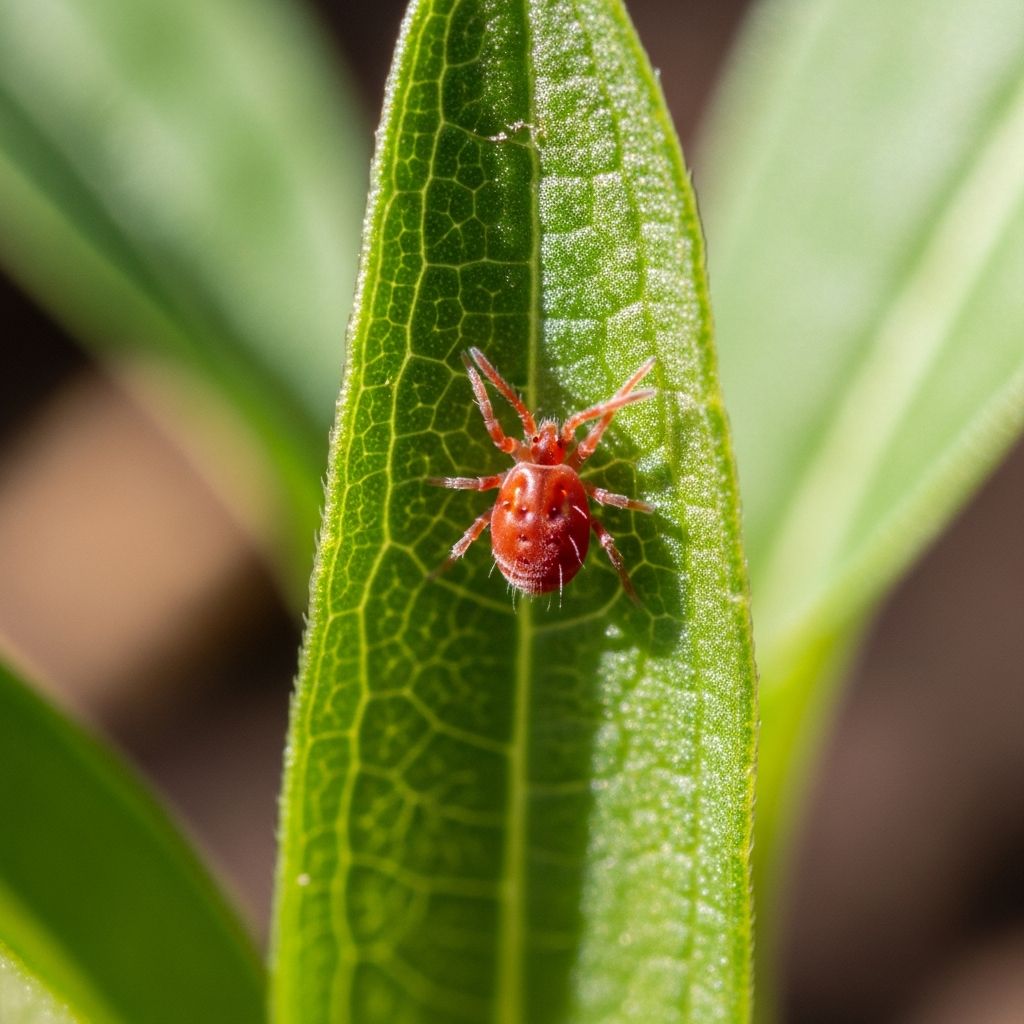
Spider mites are tiny arachnids that can devastate plants by sucking sap from leaves, causing discoloration, stippling, and eventual leaf drop. These pests thrive in warm, dry conditions and reproduce rapidly, making early detection crucial for effective control. Home gardeners and indoor plant enthusiasts often face infestations on crops like tomatoes, beans, and ornamentals. This guide provides a complete roadmap to identify, treat, and prevent spider mites using accessible methods backed by reliable practices.
Understanding the Threat of Spider Mites
Unlike insects, spider mites belong to the arachnid family, measuring less than 1mm in size, often appearing as moving dots under magnification. Common species include the two-spotted spider mite, which features distinctive dark spots on its body. They produce fine silk webbing on leaf undersides, a key identifier. Feeding punctures plant cells, leading to yellow or bronze speckling that spreads if unchecked. Severe cases result in leaf curling, premature drop, and stunted growth, potentially killing the plant.
Females lay up to 100 eggs over their short lifespan, hatching in 3-5 days under optimal heat. Hot, arid environments accelerate outbreaks, especially indoors with low humidity or outdoors during summer droughts. They target over 200 plant species, favoring evergreens, vegetables, and houseplants like ivy and citrus.
Spotting Signs of Infestation Early
Visual cues include stippled leaves with pale or silvery patches from chlorophyll loss. Fine webs between leaves or along stems signal heavy populations. Plants may show overall yellowing, bronzing, or scorching. Shake an affected leaf over white paper; tiny specks that move are mites. Use a 10x hand lens for confirmation—adults have eight legs, unlike six-legged mites.
- Early stage: Faint mottling on leaf undersides.
- Mid-stage: Visible webbing and leaf curl.
- Advanced: Defoliation and plant decline.
Inspect regularly, focusing on new growth and crowded canopies where mites hide.
Non-Chemical Control Strategies
Start with physical removal to reduce populations without residues. These methods are safe for beneficial insects and edible plants.
High-Pressure Water Sprays
A strong water jet dislodges mites, eggs, and webbing from foliage. Target undersides daily for a week, using a hose nozzle or sink sprayer for indoors. This drowns mites and cleans debris that harbors them. Repeat to prevent reinfestation, as survivors rebound quickly.
Pruning Infested Parts
Remove heavily webbed leaves or branches with clean shears, bagging and discarding in trash—not compost—to avoid spread. For outdoor plants, prune well beyond visible damage. In extreme cases, sacrifice individual plants to save others.
Diatomaceous Earth Application
Sprinkle food-grade diatomaceous earth (DE) on soil and leaves. The sharp particles pierce mite exoskeletons, causing dehydration. Reapply after watering or rain, wearing a mask to avoid inhalation.
| Method | Best For | Frequency | Pros | Cons |
|---|---|---|---|---|
| Water Spray | All plants | Daily | Free, immediate | Requires repetition |
| Pruning | Localized damage | As needed | Quick reduction | Plant loss |
| DE | Soil/Leaves | After moisture | Natural, long-lasting | Messy, abrasive |
Natural Remedies for Safe Treatment
Household items offer targeted, eco-friendly options that suffocate or repel mites without harsh chemicals.
Alcohol Solutions
Mix 1 cup rubbing (isopropyl) alcohol with 4 cups water in a spray bottle. Apply to all surfaces, or dip cotton swabs for precision on small plants. Alcohol dissolves mite lipids, killing on contact. Test on one leaf first to avoid phytotoxicity; rinse after hours if needed.
Soap and Oil Sprays
Insecticidal soaps or homemade versions (1-2 tsp mild dish soap like castile in 1 gallon water) coat mites, blocking breathing pores. Horticultural oils smother similarly. Spray thoroughly, especially undersides, weekly until clear. Avoid hot sun to prevent burn.
Neem Oil and Essential Oils
Neem disrupts mite reproduction; mix with water and emulsifier, apply every 3-5 days below 90°F. Essential oils like peppermint, rosemary, or coriander (few drops per cup water) repel effectively. Peppers (e.g., cayenne extract) add heat-based deterrence.
Recipe Table for DIY Sprays:
| Spray Type | Ingredients | Application Tips |
|---|---|---|
| Soap Spray | 1 tbsp dish soap + 1 gal water | Cover undersides; repeat weekly |
| Alcohol Mix | 1:4 alcohol:water | Spot test; rinse after |
| Neem Blend | 1 tsp neem + water + soap | Every 3 days, shaded |
Chemical Options for Severe Cases
When natural methods fail, targeted pesticides provide residual control. Choose miticides over broad insecticides, which can worsen outbreaks by killing predators.
- Horticultural Oils: Smother all stages; safe for summer use.
- Pyrethroids: Contact killers like bifenthrin; natural-derived but rotate to avoid resistance.
- Others: Abamectin or spiromesifen for tough infestations; follow labels strictly.
Apply evenings, rotate products, and integrate with non-chemical tactics. Professionals recommend monitoring for resurgence.
Boosting Beneficial Predators
Encourage natural enemies like ladybugs, lacewings, and predatory mites (e.g., Phytoseiulus persimilis). Release commercially available predators in greenhouses or gardens. Avoid broad-spectrum sprays to preserve them. High humidity favors these allies over pest mites.
Prevention: Keeping Mites at Bay
Proactive steps maintain plant vigor and deter invasions.
- Increase humidity via misting or pebble trays indoors (mites hate over 50% RH).
- Water consistently; stressed plants attract mites.
- Quarantine new plants for 2 weeks.
- Promote airflow by spacing plants and pruning dense growth.
- Apply dormant oils in early spring for overwintering eggs.
Indoor vs. Outdoor Management
Indoors, controlled environments amplify issues—use saucers without standing water and ventilate. Outdoors, monitor during heat waves; mulch to retain soil moisture. Both benefit from weekly inspections.
Frequently Asked Questions
What is the fastest way to kill spider mites?
A strong water blast combined with insecticidal soap offers quick knockdown. Repeat daily for best results.
Can spider mites infest humans?
No, they feed solely on plants and do not bite people.
How long does treatment take?
Visible control in 3-7 days with consistent application; full eradication may need 2 weeks.
Are dish soap sprays safe for vegetables?
Yes, mild soaps rinsed well are edible-plant safe.
Will mites return after treatment?
Yes, if eggs survive or conditions favor them—prevent with ongoing care.
References
- Proven Ways to Exterminate Spider Mites — Spider Farmer. 2023. https://spiderfarmer.eu/blog/get-rid-of-spider-mites/
- How to Get Rid of Spider Mites: Marketing Tips for Pest Control Experts — PestPac. 2023. https://www.pestpac.com/blog/get-rid-of-spider-mites
- Spider Mites – Outdoors — Missouri Botanical Garden. 2024-01-15. https://www.missouribotanicalgarden.org/gardens-gardening/your-garden/help-for-the-home-gardener/advice-tips-resources/insects-pests-and-problems/insects/mites/spider-mites-outdoors
- How to Get Rid of Spider Mites on Plants — Orkin. 2024. https://www.orkin.com/pests/mites/spiders-mites
- Easy Ways To Get Rid Of Spider Mites Fast — YouTube (Ripe Tomato Farms). 2022-06-10. https://www.youtube.com/watch?v=c6dnv6lqSE8
- Spider Mites / Home and Landscape — UC Statewide IPM Program (.edu). 2024. https://ipm.ucanr.edu/home-and-landscape/spider-mites/
- Effective Spider Mite Killing Techniques — Bioadvanced. 2023. https://bioadvanced.com/controlling-spider-mites
Similar Articles








Read full bio of Sneha Tete