Eliminate Spiders from Home
Discover proven strategies to prevent spiders from invading your living spaces and maintain a pest-free environment year-round.
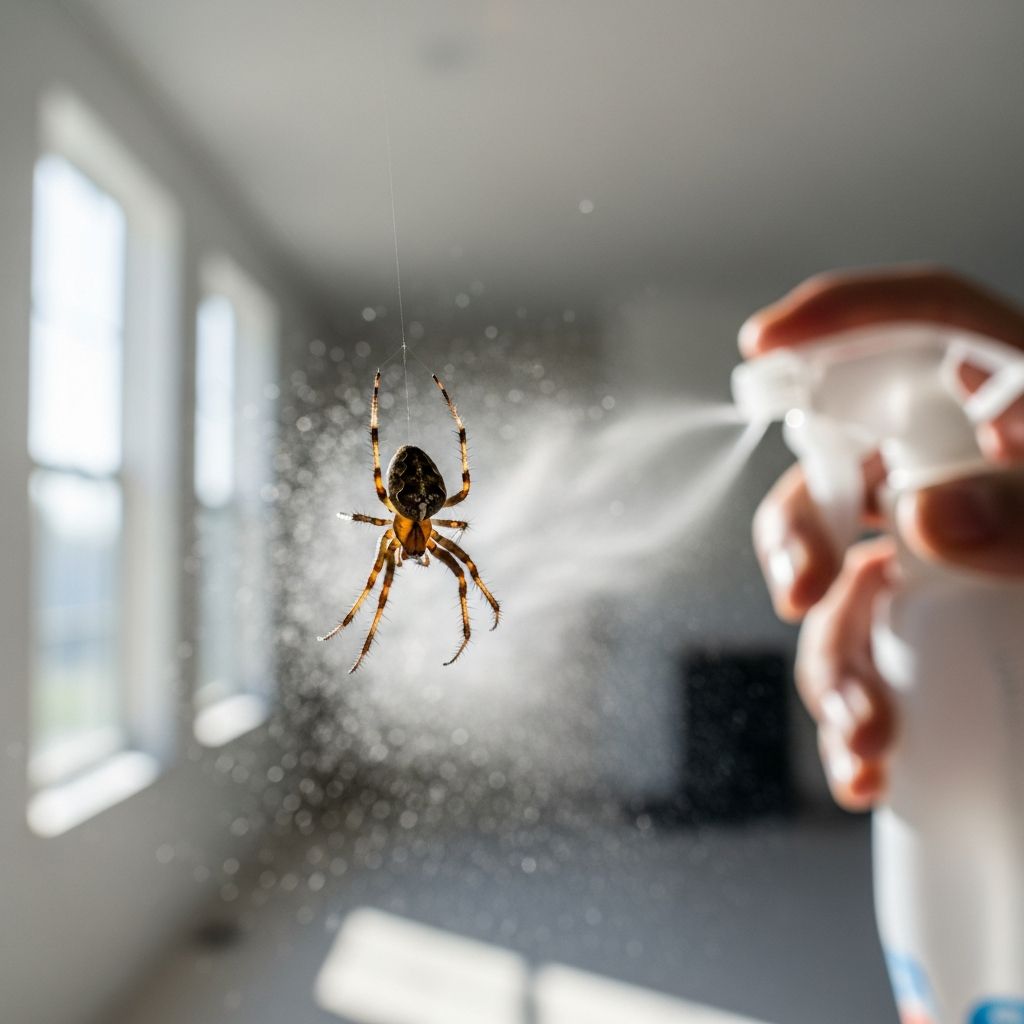
Spiders often enter homes seeking shelter and food, but proactive measures can significantly reduce their presence. This guide outlines practical steps for prevention, removal, and long-term control using safe, effective methods.
Understanding Spider Behavior in Residential Settings
Spiders thrive in dark, undisturbed areas where they can build webs and hunt insects. They enter homes through small gaps and are attracted by prey like flies and ants. Reducing insect populations indirectly discourages spiders, as they follow their food sources indoors. Common species include house spiders, which prefer corners and basements, and cellar spiders that favor ceilings and garages.
Recognizing signs of infestation—such as webs in corners, egg sacs, or frequent sightings—allows for early intervention. Spiders are beneficial outdoors for controlling pests, but indoors, they pose psychological discomfort and occasional bite risks from species like black widows or brown recluses.
Essential Cleaning Routines to Deter Spiders
Regular maintenance disrupts spider habitats by removing webs, eggs, and debris that attract insects. Focus on high-risk areas like basements, attics, garages, and under furniture.
- Vacuum ceilings, walls, and floors weekly to capture webs and eggs, which are fragile and easily destroyed.
- Dust baseboards, windowsills, and light fixtures to eliminate hiding spots and insect remnants.
- Declutter storage areas, elevating boxes off floors to minimize dark crevices.
Consistent cleaning not only targets spiders directly but also starves them by reducing indoor insects. Homes kept meticulously tidy see fewer arachnid visitors over time.
Securing Your Home Against Intruders
Prevent entry by blocking access points where spiders slip in alongside other pests.
| Entry Point | Sealing Method | Benefits |
|---|---|---|
| Windows and doors | Caulk gaps; install tight-fitting screens | Blocks spiders and insects; improves energy efficiency |
| Foundation cracks | Apply silicone caulk or expanding foam | Seals basements and crawl spaces from ground-level entry |
| Vents and pipes | Fine mesh screens; weatherstripping | Prevents migration from outdoors without airflow restriction |
| Door bottoms | Door sweeps or brushes | Stops ground-crawling spiders effectively |
Inspect annually, especially in fall when spiders seek warmth. These barriers reduce not just spiders but flies, ants, and more.
Natural Repellents for Safe Spider Management
Plant-based solutions offer non-toxic alternatives, repelling spiders through strong scents they avoid.
- Peppermint oil: Mix 20 drops with 32 oz water; spray corners, entryways, and baseboards. Soak cotton balls for crevices.
- Vinegar solution: Equal parts white vinegar and water; direct spray kills on contact and deters others.
- Essential oils: Lavender, tea tree, or eucalyptus diluted similarly; reapply every few days.
- Diatomaceous earth (DE): Food-grade powder dehydrates spiders; apply thin layers in cracks and perimeters.
These methods are pet- and child-safe, requiring frequent application for best results. Combine with cleaning for amplified effects.
Strategic Use of Traps and Monitoring Tools
Sticky traps provide insight into spider activity without chemicals.
- Place along walls, corners, and behind appliances; check weekly to assess problem severity.
- Use for monitoring rather than mass elimination; effective for small infestations.
- Glue boards are non-toxic and disposable, ideal for garages and basements.
Traps reveal hotspots, guiding further cleaning or sealing. Avoid over-reliance; pair with prevention.
Outdoor Measures to Protect Indoor Spaces
Manage your yard to cut spider migration.
- Trim vegetation 8 feet from foundations; remove leaf litter and woodpiles.
- Switch to yellow bug lights or motion sensors; turn off at night to reduce insect attraction.
- Clear gutters and eaves; apply perimeter DE or sprays.
Outdoor control starves spiders of nearby food, making homes less appealing.
Commercial Products for Tough Infestations
When natural methods fall short, targeted products offer quick relief.
- Spider sprays: Pyrethroid-based; apply to cracks and hiding spots, avoiding foggers which are ineffective.
- Dusts and powders: Long-lasting in voids; use around perimeters.
- Traps: Enhanced sticky versions for larger areas.
Follow labels precisely; ventilate during application. These complement DIY efforts for comprehensive control.
Seasonal Strategies and Long-Term Habits
Adapt tactics by season: intensify sealing in fall, cleaning in spring. Store seasonal items in sealed bins. Educate household members on vigilance.
Integrated pest management (IPM) combines these for sustainable results, minimizing chemical use.
Frequently Asked Questions
Are spiders dangerous in homes?
Most are harmless, but venomous types like black widows require caution. Focus on prevention over fear.
How often should I clean for spider control?
Weekly vacuuming and monthly deep cleans suffice for most homes.
Do essential oils really work?
They repel effectively short-term; reapply and combine with other methods.
Can I use vinegar on all surfaces?
Avoid natural stone; test in inconspicuous areas first.
When to call professionals?
For large infestations or venomous spiders, experts ensure safe removal.
References
- 10 Effective Tips for Spider Control in Your Home — ClearDefense Pest Control. 2023. https://cleardefensepest.com/spider-control-tips/
- Spider Control Products – DIY Pest Control — DIY Pest Control. 2024. https://diypestcontrol.com/crawling-insects/spider-control-products
- How to Get Rid of Spiders — The Home Depot. 2025-03-15. https://www.homedepot.com/c/ab/how-to-get-rid-of-spiders/9ba683603be9fa5395fab90ab04bca3
Similar Articles






Read full bio of Sneha Tete