Eliminate Stipple Ceilings: Complete DIY Guide
Transform dated popcorn ceilings into smooth, modern surfaces with our expert DIY techniques, safety tips, and finishing advice for flawless results.
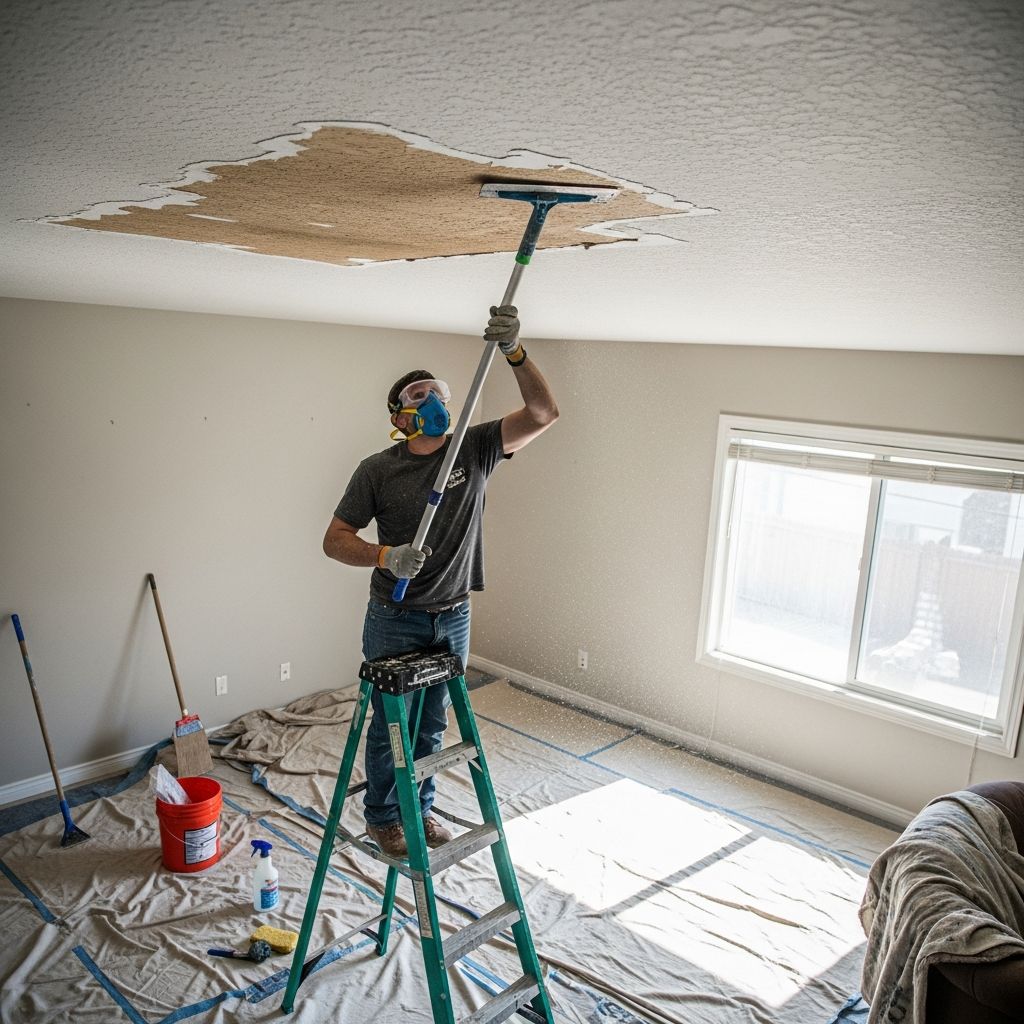
Stipple ceilings, often called popcorn or cottage cheese textures, were popular in mid-20th-century homes for their ability to hide imperfections and dampen sound. However, today’s homeowners prefer sleek, flat surfaces that enhance lighting and visual appeal. Removing this texture yourself can save thousands compared to hiring pros, but it demands careful planning, safety measures, and the right tools. This guide outlines multiple approaches, from wetting and scraping to sanding, ensuring you achieve professional-quality results regardless of whether your ceiling is painted or unpainted.
Understanding Stipple Ceilings and Why Remove Them
Stipple texture consists of sprayed-on drywall compound mixed with Styrofoam beads or vermiculite, creating a bumpy, acoustic surface. While effective for masking flaws in older drywall, it collects dust, traps moisture, and dates interiors. Modern aesthetics favor smooth ceilings that reflect light better, making rooms feel larger and brighter. Removal exposes the underlying drywall, allowing for fresh paint or new textures like knockdown or orange peel.
Key benefits of removal include improved home value, easier cleaning, and better insulation visibility for repairs. Expect the project to take 1-3 days per room, depending on size and method. Budget $100-300 for supplies, far less than $1-2 per square foot professionally.
Critical Safety Precautions Before Starting
Safety is paramount, as stipple from homes built before 1980 may contain asbestos, a carcinogen linked to lung disease. Always test first: scrape a small sample into a sealed bag and send to a certified lab (costs $30-50). If positive, hire licensed abatement pros—DIY is illegal in many areas.
- Asbestos Testing: Use EPA-approved kits or local services. Negative results allow proceeding; positive requires pros.
- Personal Protective Equipment (PPE): Wear N95 respirator or half-face mask with P100 filters, safety goggles, gloves, and coveralls. Dust is fine and pervasive.
- Ventilation: Seal room with plastic sheeting over doors/windows. Use box fans exhausting outdoors; disable HVAC to avoid circulation.
- Cleanup: Wet dust to prevent airborne particles; dispose in sealed bags.
Preparation: Protecting Your Space
Transform your workspace into a contained zone to minimize mess—stipple removal generates significant debris.
- Floor and Furniture Coverings: Lay heavy-duty plastic (6-mil) or drop cloths, taped securely. Double-layer floors; consider walls if freshly painted.
- Lighting Setup: Hang shop lights under plastic for visibility; shadows hide progress.
- Tool Staging: Use a sturdy extension ladder or scaffolding. Have trash bags, shop vac, and buckets ready.
- Seal Fixtures: Tape plastic over lights, vents, and fans.
This setup contains 90% of dust, making cleanup manageable.
Method 1: Wet Scraping for Unpainted Ceilings
The simplest, least dusty approach for virgin stipple: soften with water, then scrape. Ideal for large areas; works 80% effectively on absorbable textures.
Tools Needed
| Tool | Purpose | Cost Estimate |
|---|---|---|
| 12-inch drywall scraper/knife | Bulk removal | $15 |
| Garden sprayer or pump sprayer | Even wetting | $20-40 |
| Extension pole | Reach without ladder fatigue | $10 |
| Shop vac with HEPA filter | Dust control | $50+ |
Step-by-Step Process
- Wet the Surface: Fill sprayer with warm water (add dish soap for penetration). Soak 4×4 ft sections for 15-20 minutes until soft but not dripping.
- Score if Needed: Lightly drag a putty knife to break surface tension on stubborn spots.
- Scrape: Hold knife at 30-45° angle with medium pressure. Work in downward strokes; chunks should fall easily. Avoid gouging drywall.
- Repeat: Overlap sections; re-wet as needed. Progress: 100 sq ft/hour.
- Vacuum: Remove loose debris immediately.
Pro Tip: Test moisture absorption first—some painted stipples resist wetting, requiring Method 2.
Method 2: Sanding Down Painted or Tough Textures
For sealed/painted stipple, sanding with power tools efficiently levels without chemicals. Produces dust but yields smoother results.
Tools and Materials
- Random orbital sander (5-inch) with dust shroud
- Sanding poles for finish work
- Grits: 80-120 coarse, 220 fine
- HEPA shop vac connected to sander
Detailed Steps
- Initial Knockdown: Use 80-100 grit at low speed. Move constantly to avoid burns; aim for 70-80% removal.
- Mid-Sanding: Switch to 120 grit; increase speed. Connect vac to capture 50%+ dust.
- Final Leveling: Pole sand with 220 grit for flatness. Check with light at angles.
- Monitor Depth: Stop at brown drywall paper; sanding through requires patching.
Time: 12×20 ft room in 2-4 hours. Empty vac filters frequently.
Alternative Techniques for Special Cases
Not every ceiling suits standard methods. Consider these for variations:
- Steam Removal: Rent a wallpaper steamer; steam softens in 5-10 min, scrape follows. Effective on paint but watch for water damage.
- Chemical Softeners: Vinegar-water spray (1:1) or texture removers break bonds. Soak 20 min, scrape. Eco-friendly but slower.
- Sandblasting (Advanced): Wet abrasive with air compressor for heavy buildup. Pros only due to equipment needs.
Repairing and Finishing the Drywall
Post-removal, address imperfections for a pro finish.
- Clean Thoroughly: Wipe with damp microfiber; Swiffer for crevices.
- Fill Gouges: Apply lightweight joint compound with 12-inch trowel. Feather edges; 2-3 thin layers, sand between.
- Tape Joints: Reinforce seams with mesh tape and compound if exposed.
- Prime: Use stain-blocking primer (e.g., oil-based) in 2 coats via extension roller. Prevents ‘shiny spots’.
- Paint: Flat or eggshell ceiling paint; 2 coats. Warm whites hide flaws best.
Total dry time: 24-48 hours. Use fans for faster curing.
Common Mistakes and Pro Tips
Avoid pitfalls for efficiency:
- Mistake: Skipping Asbestos Test. Risk health and fines.
- Mistake: Poor Ventilation. Dust lingers weeks; use negative pressure.
- Tip: Work in Sections. Prevents drying out.
- Tip: Light Grit Progression. Coarse first, fine last for scratch-free surface.
- Tip: Rental Sanders. Pole sanders with vac ports speed jobs.
Cost Breakdown and Time Estimates
| Room Size | Method | Time | Cost |
|---|---|---|---|
| 12×12 ft (144 sq ft) | Wet Scrape | 4-6 hrs | $50-100 |
| 12×12 ft | Sanding | 6-8 hrs | $100-150 |
| Whole Room | Finishing | 1 day | $50 |
FAQs
Can I remove stipple if painted?
Yes, sanding works best; wetting may fail. Score first if trying water.
Is asbestos common in stipple?
Pre-1980 homes: test mandatory. Chrysotile fibers were added for fire resistance.
How messy is it?
Very—expect dust clouds. Proper plastic/fans contain it.
Can I paint over stipple instead?
Possible with thick paint, but removal yields better results long-term.
What if I damage drywall?
Patch with compound; sand smooth before priming.
References
- How to Remove a Stipple Ceiling by Sanding — One Project Closer. 2015 (updated method remains standard). https://www.oneprojectcloser.com/how-to-remove-stipple-ceiling/
- Tips and Tricks for DIY Popcorn Ceiling Removal — Hana’s Happy Home. 2020. https://hanashappyhome.com/diy/beginner-projects/tips-and-tricks-for-diy-popcorn-ceiling-removal/
- Stippled ceiling removal — Fine Homebuilding Forum. 2008 (technique validated in recent discussions). https://www.finehomebuilding.com/forum/stippled-ceiling-removal
- How To Remove Popcorn / Stipple Ceiling — HouseImprovements (YouTube). 2012-04-30. https://www.youtube.com/watch?v=09Q4JQ3p8yg
- How To Remove Popcorn Ceiling — How To Anything (YouTube). N/A. https://www.youtube.com/watch?v=6-5TM07MI50
Similar Articles


Read full bio of medha deb