Eliminate Sulfur Odors From Sink Drains: 5 Effective Fixes
Discover effective strategies to banish rotten egg smells from your sink drains and restore freshness to your home plumbing.
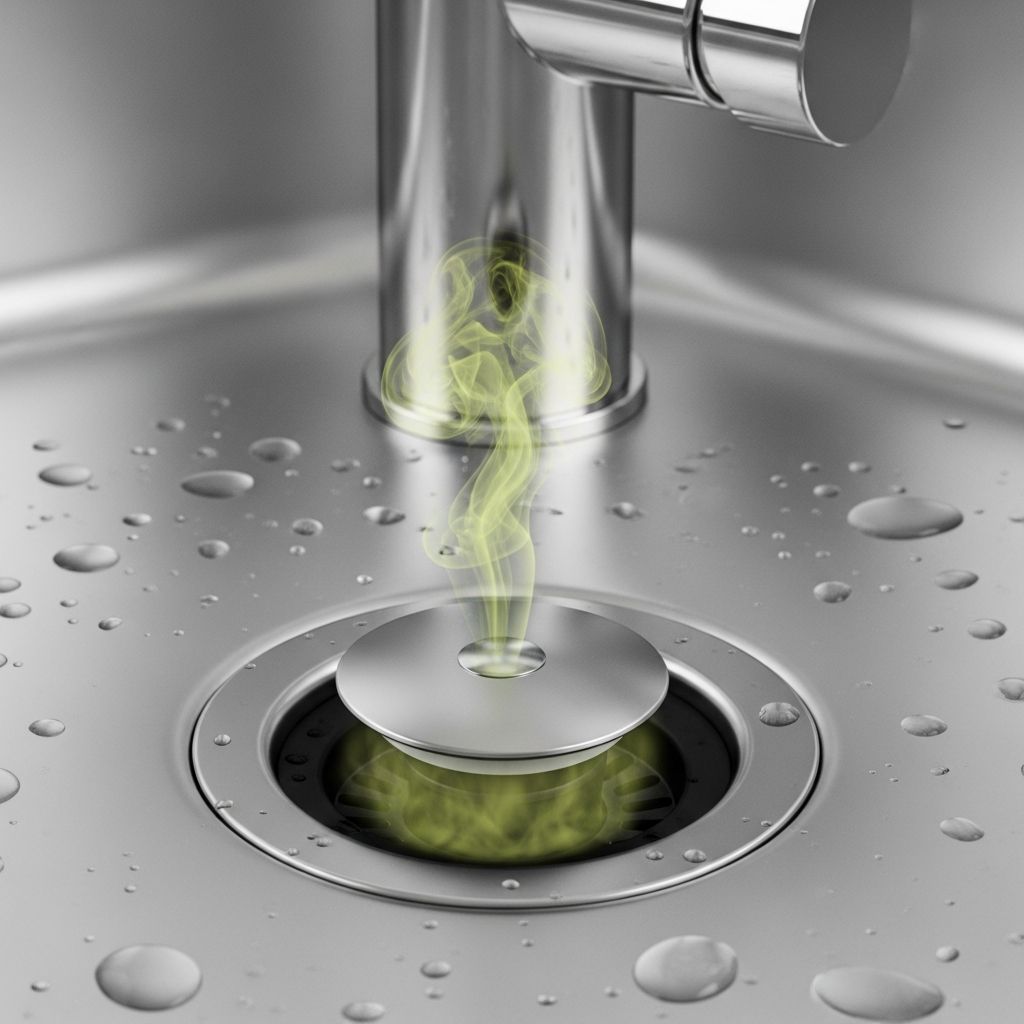
Eliminate Sulfur Odors from Sink Drains
Sulfur odors, often described as rotten eggs, emanating from sink drains signal underlying plumbing problems that demand prompt attention. These smells arise primarily from hydrogen sulfide gas produced by bacteria thriving in moist, debris-filled environments within pipes. Addressing the issue not only improves air quality but also prevents potential health risks and pipe damage. This guide explores causes, diagnostic steps, and comprehensive remedies to restore freshness.
Understanding the Source of Rotten Egg Smells
The hallmark rotten egg scent in drains stems from hydrogen sulfide (H2S), a gas generated when anaerobic bacteria metabolize organic matter like food scraps, grease, hair, and soap residue. In plumbing systems, this occurs in areas with poor airflow or stagnant water, allowing bacterial colonies to flourish. Unlike surface odors, these penetrate deeply into biofilms—slimy layers coating pipe interiors—that harbor persistent microbes.
Distinguishing drain-specific smells from water supply issues is crucial. If the odor persists across multiple fixtures or in standing water, it may indicate well water contamination or water heater problems, such as reactions involving anode rods. However, isolated sink smells typically point to localized drain conditions.
Common Culprits Behind Drain Sulfur Smells
- Dried-Out P-Traps: The U-shaped P-trap under sinks holds water to block sewer gases. Infrequent use evaporates this barrier, permitting H2S to escape.
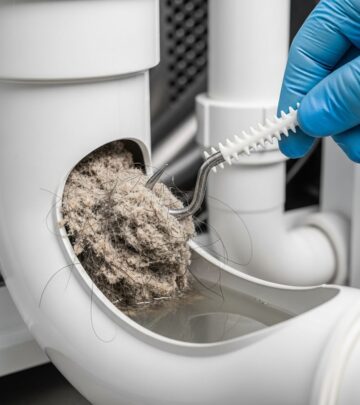
- Organic Buildup and Clogs: Food particles, grease, and debris accumulate, fostering bacterial growth and gas production. Slow drainage exacerbates this by prolonging stagnation.
- Biofilm Accumulation: Slime-like bacterial mats, often pink or orange, form from soap, skin oils, and dirt, intensifying odors over time.
- Garbage Disposal Residue: In kitchens, uneaten food trapped in disposals decays, breeding odor-causing bacteria.
- Hidden Leaks or Vent Blockages: Leaking pipes release gases into walls, while clogged vents disrupt airflow, backing up sewer smells.
Step-by-Step Diagnosis: Pinpointing the Problem
Begin by isolating the source. Fill a glass from the affected sink and sniff outdoors; if only that water smells, focus on the drain. Test other sinks to rule out systemic water issues.
- Inspect Usage Patterns: Rarely used sinks often have dry traps—run water for 2-3 minutes to refill.
- Check Drainage Speed: Slow flow indicates clogs; listen for gurgling when flushing nearby toilets, signaling vent problems.
- Examine Under the Sink: Look for leaks, low P-trap water levels, or visible slime. Place a bucket beneath before disassembling.
- Garbage Disposal Test: Run it empty; persistent smells suggest internal buildup.
| Symptom | Possible Cause | Quick Test |
|---|---|---|
| Slow drain | Clog or buildup | Time water drainage |
| Smell after disuse | Dry P-trap | Run water 2 mins |
| Gurgling sounds | Vent blockage | Flush toilet nearby |
| Slime visible | Biofilm | Shine flashlight in drain |
DIY Cleaning Methods for Immediate Relief
Start with non-invasive techniques using household items. These target bacteria and debris without harsh chemicals.
Baking Soda and Vinegar Reaction
Pour 1 cup baking soda down the drain, followed by 1 cup white vinegar. The fizzing reaction dislodges buildup and neutralizes odors. Let sit 15-30 minutes, then flush with boiling water. Repeat for stubborn cases.
Boiling Water Flushes
Boil a kettle and pour steadily down the drain to melt grease and kill surface bacteria. Ideal for kitchen sinks; avoid on delicate porcelain.
Enzyme-Based Cleaners
These introduce beneficial bacteria that consume organic matter safely, outperforming chemical cleaners on biofilms. Apply per instructions, ideally overnight.
Garbage Disposal Refresh
Grind ice cubes, lemon peels, and salt to scrub blades and deodorize. Follow with baking soda and hot water.
Advanced Fixes for Persistent Odors
If basic methods fail, escalate to mechanical removal.
Plunger Technique
Fill sink halfway, seal plunger over drain (cover overflow), and plunge vigorously for 20 seconds. This dislodges shallow clogs.
P-Trap Disassembly
Place a bucket under the sink, unscrew the P-trap, clean out debris, and reassemble. Refill with water to restore the seal. Wear gloves; disinfect afterward.
Drain Snake or Auger
For deeper blockages, use a manual snake to break up clogs. Insert gently to avoid pipe damage.
Preventive Strategies for Long-Term Freshness
Proactive habits minimize recurrence.
- Run water weekly in unused sinks to maintain P-traps.
- Flush drains monthly with baking soda, vinegar, and hot water.
- Use drain screens to catch hair and debris.
- Avoid pouring grease, oil, or coffee grounds down sinks.
- Clean disposals bi-weekly with citrus and ice.
- Install enzyme cleaners quarterly for biofilm control.
When to Call a Plumbing Professional
Seek experts if odors persist post-DIY, water backs up, or gurgling indicates vent/sewer issues. Professionals use cameras for inspections and handle water heater anode replacements or main line problems. Early intervention prevents costly repairs.
Frequently Asked Questions (FAQs)
Why does my bathroom sink smell like sulfur but not the kitchen?
This isolates to drain-specific issues like biofilm or dry traps in that fixture, not whole-house water problems.
Can sulfur smells harm my health?
Low-level H2S irritates eyes and respiratory system; prolonged exposure warrants ventilation and fixes.
Is it safe to use bleach on smelly drains?
Bleach kills bacteria but damages pipes over time; prefer natural alternatives.
How often should I deep-clean drains?
Monthly for kitchens, quarterly for bathrooms to prevent buildup.
What if the smell returns after cleaning?
Check for leaks, vents, or call a pro for hidden clogs.
Table: Cleaning Method Comparison
| Method | Best For | Time | Effectiveness | Cost |
|---|---|---|---|---|
| Baking Soda + Vinegar | Bacteria, light clogs | 30 min | High for odors | Low |
| Boiling Water | Grease | 5 min | Medium | Low |
| Enzyme Cleaner | Biofilm | Overnight | Very High | Medium |
| Plunger | Shallow clogs | 5 min | High | Low |
| Professional | Deep issues | Varies | Maximum | High |
Implementing these strategies ensures odor-free drains. Regular maintenance transforms plumbing woes into minor tasks, enhancing home hygiene.
References
- Why a Drain Smells Like Rotten Eggs or Sulfur — Mr. Rooter Plumbing. 2023-05-15. https://www.mrrooter.com/about/blog/why-theres-a-sulfur-smell-coming-from-your-drain/
- Why Does My Drain Smell Like Rotten Eggs? — Rite Way Tucson. 2024-02-20. https://ritewayac.com/blog/why-does-my-drain-smell-like-rotten-eggs/
- What to Do When Your Drains Smell Like Rotten Eggs — Black-Haak Plumbing. 2023-08-10. https://black-haak.com/what-to-do-when-your-drains-smell-like-rotten-eggs/
- How to Get Rid of Bathroom Sink Smells — Drano Expert Advice. 2024-11-05. https://www.drano.com/en-us/explore-clog-basics/how-to-get-rid-of-bathroom-sink-smells
- How to Clean a Smelly Drain — Liquid-Plumr. 2023-12-18. https://www.liquidplumr.com/diy-plumbing-tips/how-to-clean-a-smelly-drain/
Similar Articles


Read full bio of Sneha Tete