Eliminate Swamp Cooler Odors Effectively
Discover proven methods to banish foul smells from your evaporative cooler and ensure fresh, cool air all season long.
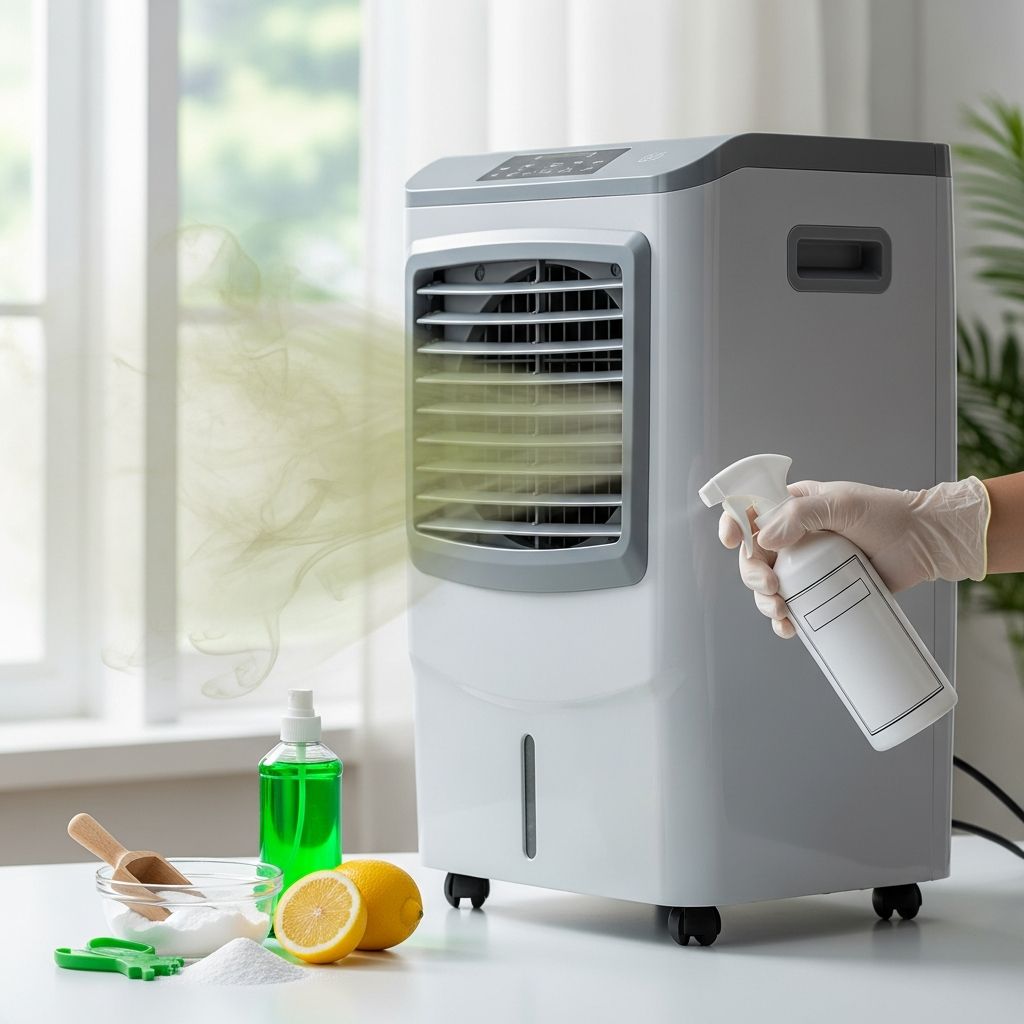
Swamp coolers, also known as evaporative coolers, provide efficient cooling in arid environments by drawing in hot air and passing it through water-soaked pads. However, stagnant water, mineral deposits, and organic buildup can lead to unpleasant odors like mustiness or rot. Regular maintenance targeting these issues restores fresh air output and extends unit lifespan.
Understanding the Root Causes of Swamp Cooler Smells
Foul odors in evaporative coolers stem primarily from microbial growth and scale accumulation. Mold and mildew thrive in damp pads and reservoirs, especially if water sits unused. Hard water minerals form scale on distributors and pumps, restricting flow and creating anaerobic conditions for bacteria. Dust, debris, and pollen trapped in pads exacerbate the problem, fostering a breeding ground for odor-producing organisms.
Neglecting off-season care allows animal droppings or leaves to decompose inside, amplifying smells when reactivation occurs. Poor airflow from clogged components compounds the issue, leading to uneven wetting and dry spots where bacteria proliferate unchecked.
Essential Tools and Supplies for Odor Removal
Gather these items before starting: white vinegar or descaler for natural dissolution of scale; mild dish soap for general cleaning; a soft brush or sponge; garden hose with spray nozzle; screwdriver or wrench for access panels; replacement pads if existing ones are brittle; lubricant for motor bearings; and gloves for safety.
- Vinegar solution: 50/50 mix with water for pads and reservoirs.
- Descaling agent: CLR or similar for heavy buildup.
- Cleaning tools: Auger snake for distributors, rags for drying.
Pre-Season Deep Clean: Starting Fresh
Before the cooling season, perform a thorough overhaul to preempt odors. Unplug and drain the unit completely. Remove access panels to expose pads, reservoir, and internals.
- Extract pads and inspect for tears, scaling, or discoloration. Soak in vinegar solution for 2 minutes, rinse, dry fully, and reinstall if salvageable; replace if over 5 years old.
- Flush reservoir with soapy water, then vinegar. Scrub walls to dislodge slime.
- Run an auger through distributors to clear blockages, ensuring even water flow.
- Examine pump, float valve, and belts for wear; lubricate bearings as needed.
Test by filling with water, powering on, and observing distribution. Listen for unusual noises indicating misalignment.
Weekly and Monthly Maintenance Routines
Consistent care prevents odor recurrence. Weekly: Drain reservoir, rinse pads with hose, and refill with fresh water. Wipe interior to remove residue. Monthly: Vacuum exterior vents, inspect for insects or dust, and perform a full test run.
| Frequency | Tasks | Purpose |
|---|---|---|
| Weekly | Drain/refill, pad rinse, soap wipe | Prevent mildew growth |
| Monthly | Exterior clean, vent check, test run | Ensure efficiency, spot issues |
| Deep Clean | Full disassembly, vinegar soak | Remove scale and deep odors |
For hard water areas, add water treatment to inhibit scale.
Advanced Techniques for Stubborn Odors
If smells persist, escalate to targeted treatments. Pour descaler into reservoir and run pump on low fan setting to dissolve lime scale. For severe mold, use a diluted bleach solution (1:10 with water) on non-pad surfaces, followed by thorough rinsing to avoid chemical odors.
Improve airflow by tightening fan belts and aligning pulleys. Check for leaks around valves that could foster external mold. In high-pollen regions, install pre-filters to reduce debris intake.
Off-Season Storage to Prevent Future Issues
End-of-season prep is crucial. Drain all water, remove pads, and dry components completely. Clean and store pads separately. Disconnect power, cover the unit to shield from elements, and elevate if possible to deter pests.
Inspect electrical cords and casters for damage. A fully dry interior halts microbial activity over winter.
Boosting Efficiency Beyond Odor Control
Clean maintenance yields colder air and lower energy use. Properly maintained coolers drop temperatures by 20-30°F in dry climates. Monitor water levels via floats, and position near open windows for cross-ventilation.
- Optimal pad wetness: No dry spots or drips.
- Energy savings: Up to 75% less than central AC.
- Longevity: 15-20 years with diligent care.
Frequently Asked Questions (FAQs)
Why does my swamp cooler smell like mildew?
Mildew grows from stagnant water and organic matter in pads or reservoirs. Weekly draining and cleaning resolve this.
How often should I replace evaporative pads?
Replace annually or when brittle/scaled; cleanable pads last longer with vinegar soaks.
Can I use bleach in my cooler?
Use sparingly on hard surfaces only, followed by rinsing to prevent residue smells.
What if my cooler leaks water?
Inspect pads, distributors, and float valve for damage; replace faulty parts.
Is professional service necessary?
DIY suits most tasks, but call experts for electrical or motor issues.
Safety Guidelines for All Maintenance
Always unplug before internal work. Work in well-ventilated areas away from ignition sources. Avoid running dry pumps to prevent damage. Wear gloves when handling cleaners.
References
- Evaporative Cooler Seasonal Maintenance Guide — Portacool. 2023. https://www.portacool.com/resources/portacool-blog/evaporative-cooler-seasonal-maintenance-tips/
- Swamp Cooler Maintenance for Longer Life and Colder Air — Rocketman Plumbing. 2023. https://rocketmanplumbing.com/swamp-cooler-maintenance-for-longer-life-and-colder-air/
- Swamp Cooler Startup & Maintenance — YouTube (SeeHowToDoIt). 2017-04-09. https://www.youtube.com/watch?v=5MbCaF-wJ6Q
- Easy 15-min Evaporative Swamp Cooler Maintenance DIY Service — YouTube (NotSealed DIY). 2022-07-29. https://www.youtube.com/watch?v=cKVd4v7r2B4
- How to Use and Maintain an Evaporative Cooler — The Home Depot. 2023. https://www.homedepot.com/c/ai/how-to-use-and-maintain-an-evaporative-cooler/9ba683603be9fa5395fab901501c1c33
- How to Clean, Disinfect, and Deodorize Your Evaporative Air Cooler — Honeywell Air Comfort. 2023. https://honeywellaircomfort.com/es-es/blogs/news/how-to-clean-disinfect-and-deodorize-your-evaporative-air-cooler
Similar Articles


Read full bio of medha deb