Eliminate Tree Roots from Sewer Lines with Salt
Discover effective salt-based methods and professional strategies to clear tree roots from sewer pipes and prevent future clogs for lasting plumbing health.
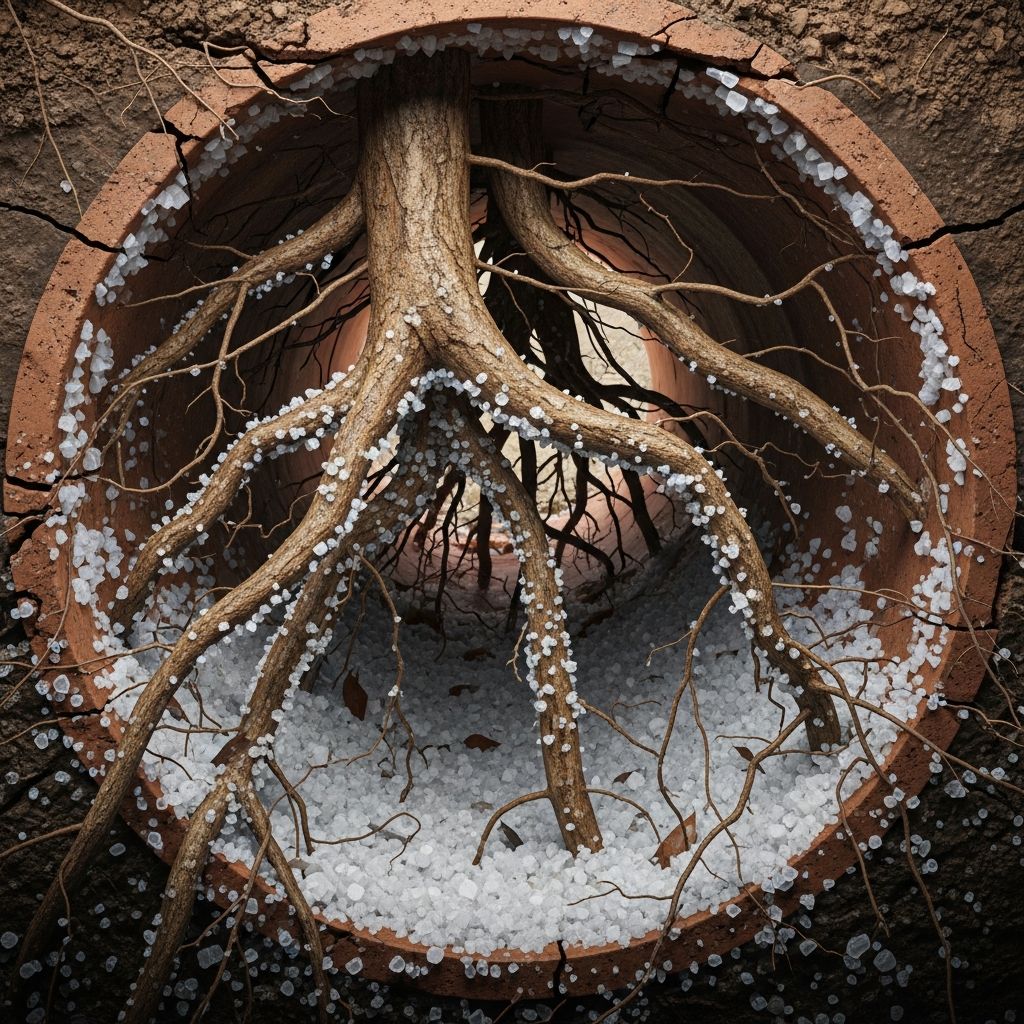
Tree roots infiltrating sewer lines represent a common yet destructive issue for homeowners, often leading to backups, slow drains, and costly repairs. These aggressive roots seek moisture and nutrients, penetrating cracks in pipes and forming dense blockages. While professional intervention offers reliable solutions, many start with accessible DIY approaches like rock salt, which dehydrates roots by drawing out their moisture. This method provides an economical first line of defense, though it works best on minor intrusions when applied correctly.
Understanding the Root Invasion Problem
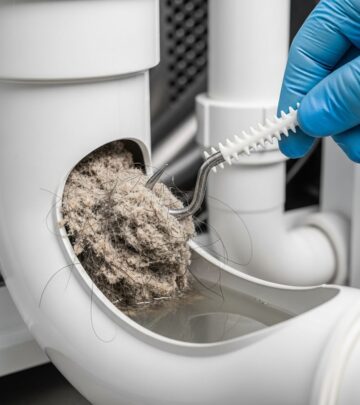
Sewer lines buried underground become prime targets for tree and shrub roots due to consistent water seepage from joints or fissures in aging pipes. Common culprits include willow, poplar, and maple trees with expansive root systems. Once inside, roots expand, thickening over time and restricting flow until complete obstruction occurs. Early detection through symptoms like gurgling toilets, sewage odors, or pooling water in drains is crucial to avoid escalation.
Pipes made from clay, cast iron, or older PVC are particularly vulnerable, as modern seamless plastic resists intrusion better but isn’t immune. Environmental factors like drought conditions exacerbate root seeking behavior, pushing them deeper into plumbing systems. Regular inspections using sewer cameras reveal the extent of damage, guiding appropriate response strategies.
DIY Salt Dehydration Technique Explained
Rock salt, or sodium chloride in crystalline form, serves as a natural desiccant for root control. Its high salinity disrupts root cells’ ability to retain water, causing wilting and death over several applications. This non-toxic, inexpensive option suits homeowners avoiding harsh chemicals.
Step-by-Step Application Process:
- Gather Supplies: Acquire 2 pounds of rock salt (available at hardware stores) and hot water for dissolution.
- Prepare Solution: Dissolve salt in one gallon of hot water to create a concentrated brine that flows easily through pipes.
- Locate Access Point: Use the nearest toilet or sewer cleanout for introduction, ensuring no standing water blocks entry.
- Pour Gradually: Introduce the mixture slowly over 10-15 minutes, allowing it to coat pipe interiors where roots reside.
- Allow Dwell Time: Let sit 8-12 hours or overnight; avoid flushing during this period for maximum effect.
- Flush Thoroughly: Run copious hot water to dislodge dead roots and clear residue.
Repeat weekly for 3-4 weeks to eradicate regrowth. Monitor drain performance post-treatment; persistent issues signal deeper problems requiring advanced methods.
Alternative Chemical Root Assassins
Beyond salt, foaming agents and copper sulfate offer potent alternatives. Foaming root killers expand on contact with moisture, coating pipe walls comprehensively and delivering herbicide directly to roots. Products like RootX activate rapidly, often clearing lines within hours.
Copper sulfate crystals provide a robust, long-lasting barrier. Applied at 1/2 cup doses, they inhibit root regrowth for months while killing existing intrusions. Safety gear is essential due to corrosiveness; multiple treatments enhance efficacy.
| Method | Application Time | Effectiveness | Cost Estimate |
|---|---|---|---|
| Rock Salt | 8-12 hours | Minor roots | $5-10 |
| Foaming Killer | Hours | Moderate | $20-40 |
| Copper Sulfate | 6-12 hours | Heavy roots | $15-25 |
These options complement mechanical clearing; chemicals alone rarely suffice for dense mats without prior root shearing.
Professional Mechanical and High-Tech Solutions
For stubborn blockages, pros deploy specialized tools. Mechanical root cutters, or sewer augers, feature rotating blades that shred roots flush to pipe walls. Expandable heads adapt to pipe diameters, ensuring thorough removal.
Hydro jetting stands out as superior, blasting pipes with 3,000-4,000 PSI water streams via flexible nozzles. This scours roots, grease, and scale without chemicals, promoting pipe longevity. Sessions last 1-2 hours, with preventive benefits.
Advanced repairs like pipe lining insert epoxy-impregnated liners that harden into seamless barriers, sealing cracks against future invasions. Pipe bursting replaces damaged sections trenchlessly by fracturing old pipes and pulling in new HDPE equivalents.
Cost Analysis: DIY vs. Expert Interventions
Budget-conscious owners favor DIY salt at under $10 per treatment. Foaming products add $20-50 initially. Professional snaking averages $300, hydro jetting $250-$1,000 based on line length and access. Full relining runs $80-$250 per foot, ideal for chronic issues.
Factor in downtime and potential damage; pros mitigate risks to older infrastructure. Insurance may cover severe backups, offsetting expenses.
Preventive Strategies for Root-Free Plumbing
Proactive measures extend pipe life. Plant trees 20-30 feet from sewer paths, favoring deep-root varieties like oaks over shallow seekers. Install root barriers—physical sheets or chemical foams—during landscaping.
Quarterly flushing with salt or enzymes maintains clear lines. Sewer scopes every 1-2 years detect early intrusions. Drip irrigation reduces soil moisture gradients attracting roots. Avoid harsh chemical cleaners that degrade pipes, hastening cracks.
Environmental and Safety Considerations
Salt poses minimal ecosystem risk in moderation, biodegrading harmlessly. Copper sulfate demands cautious use to prevent groundwater contamination; follow EPA guidelines. Hydro jetting excels as eco-friendly, using only water.
Always ventilate areas during chemical applications, wear PPE, and keep pets/children away. Overuse risks pipe corrosion, especially galvanized types.
Frequently Asked Questions
Can rock salt damage my sewer pipes?
Rock salt is generally safe for modern PVC/ABS pipes in recommended doses but may corrode metal over time. Limit to maintenance use.
How long until I see results from salt treatment?
Visible improvement follows 1-2 applications, full clearance in 3-4 weeks with consistency.
Is hydro jetting worth the investment?
Yes, for lasting results without chemicals, cleaning beyond roots for comprehensive maintenance.
What if roots return after treatment?
Combine mechanical removal with barriers; inspect pipes for cracks needing lining.
Are there trees safe to plant near sewers?
Opt for dwarf varieties or those with non-invasive roots like cherries, avoiding willows/poplar.
Addressing root issues promptly preserves property value and avoids health hazards from backups. Consult licensed plumbers for diagnostics; DIY suits mild cases only.
References
- How to Get Rid Tree Roots in Your Sewer Line: DIY And Experts Tips — Bens Plumbing. 2023. https://bens.plumbing/blog/how-to-get-rid-tree-roots-in-your-sewer-line/
- Five Ways to Remove and Prevent Tree Roots in Sewer Line — Oatey. 2022-10-15. https://www.oatey.com/faqs-blog-videos-case-studies/blog/five-ways-remove-and-prevent-tree-roots-sewer-line
- How to Get Rid of Roots in Sewer Line — Accurate Leak. 2024. https://www.accurateleak.com/blog/roots-in-sewer-line/
- How To Effectively Remove Tree Roots In Sewer Lines — HK Solutions Group / CME Sewer Repair. 2023-05-12. https://www.hksolutionsgroup.com/cmesewerrepair/about/resources/how-to-get-rid-of-tree-roots-in-sewer-lines
- How to Remove Tree Roots from Sewer Pipe – How to Unclog Main Drain Line – Sewer Snake – Rootx — YouTube (Plumbing Channel). 2022-06-10. https://www.youtube.com/watch?v=HOfPeH-B2so
Similar Articles


Read full bio of medha deb