Eliminate Voles from Your Home Effectively
Discover proven strategies to identify, prevent, and remove voles invading your living spaces and gardens safely.
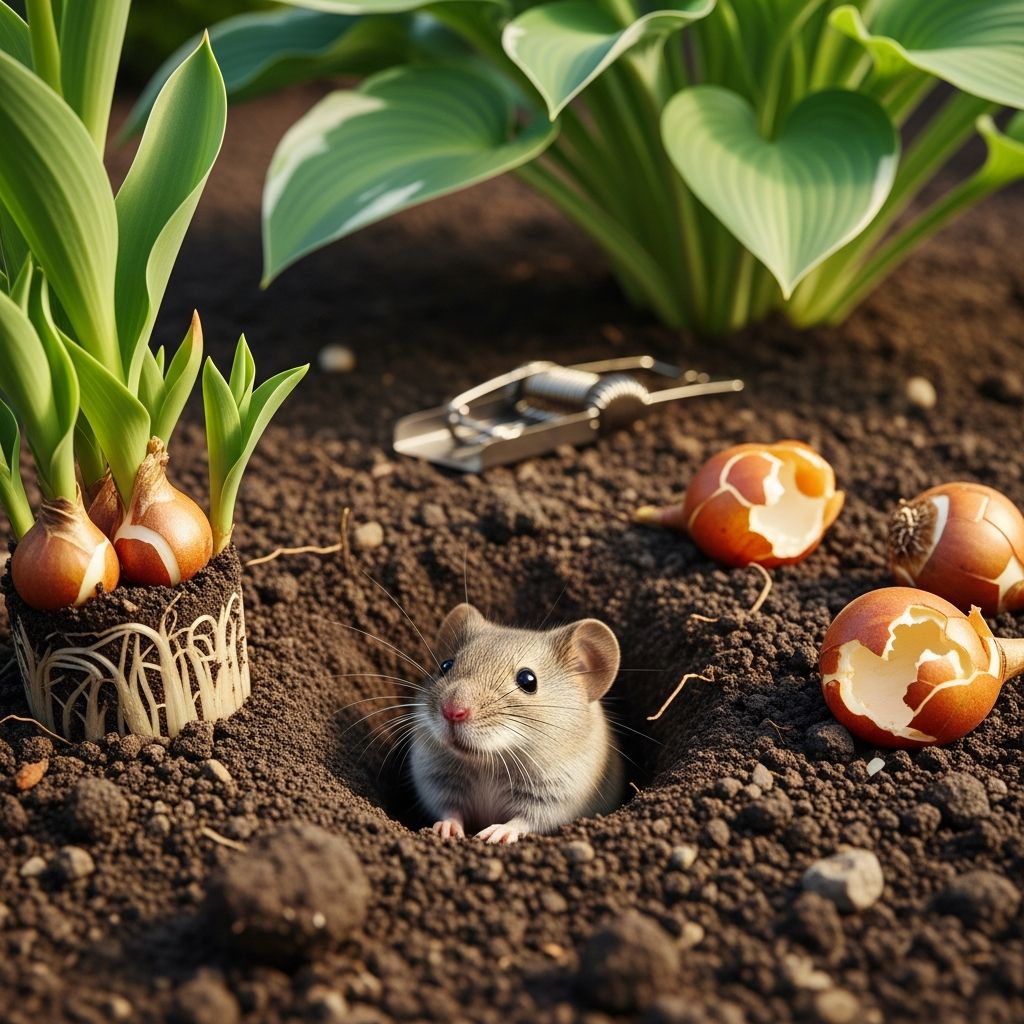
Voles, small rodent pests often mistaken for mice, can infiltrate homes and cause significant damage by chewing through roots, bark, and structural elements. These creatures thrive in moist, vegetated areas and seek indoor shelter during harsh weather, leading to costly repairs if not addressed promptly. This guide provides a complete roadmap to detect, deter, and eradicate voles using reliable, humane approaches grounded in expert recommendations.
Recognizing Vole Presence in Your Residence
Early detection is crucial for effective vole management. Unlike mice, voles create shallow surface runways—narrow paths about 2 inches wide visible in grass or soil—often marked by clipped grass blades. Indoors, look for tiny droppings resembling rice grains, gnaw marks on baseboards or wiring, and burrow holes near foundations. Damage to garden bulbs, tree roots, or lawn patches signals nearby activity that could extend inside. Distinguishing voles from other rodents prevents misapplication of control measures.
Why Voles Invade Homes and How to Stop Them
Voles enter structures through cracks, gaps around doors, or utility lines seeking warmth, food, and nesting sites. Overly moist yards, dense mulch, and abundant vegetation draw them close, increasing intrusion risks. Addressing these attractants forms the foundation of prevention, reducing the need for reactive measures.
Essential Prevention Strategies for Vole-Free Properties
Proactive yard maintenance makes your home unappealing to voles. Focus on eliminating cover and food sources to disrupt their lifecycle.
- Clear Vegetation Regularly: Mow lawns short, trim weeds, and remove brush piles to expose runways and deter nesting. Create bare soil buffers at least 3 feet wide around trees and foundations.
- Minimize Mulch Usage: Apply mulch sparingly and avoid piling it against structures or plants, as it provides ideal hiding spots.
- Seal Entry Points: Inspect and caulk cracks in foundations, install door sweeps, and screen vents to block access.
- Manage Debris: Eliminate woodpiles, leaf litter, and fallen fruits that attract foraging voles.
These steps, when implemented consistently, can reduce vole populations by over 50% in vulnerable areas.
Physical Barriers: Your First Line of Defense
Exclusion methods offer long-term protection without chemicals. Hardware cloth—galvanized wire mesh with 1/4-inch openings—proves highly effective for gardens and trees.
| Barrier Type | Application | Installation Tips | Effectiveness |
|---|---|---|---|
| Tree Guards | Young trees and shrubs | Bury 6 inches underground, extend 24 inches above soil, pinch top closed | High; prevents bark girdling |
| Garden Fencing | Vegetable beds | Bury 6-10 inches deep, 12+ inches high | Very high against burrowing |
| Raised Beds | Flower/veggie plots | Line bottoms with mesh, elevate 12-18 inches | Excellent for root crops |
| Gravel Moats | Bulb plantings | Layer 2-3 inches around beds or in holes | Moderate; voles dislike digging through |
These barriers withstand vole tunneling habits, safeguarding investments for years.
Natural Plant Deterrents to Discourage Voles
Incorporate vole-resistant flora to naturally repel invasions. Plants in the allium family (onions, garlic, chives) and toxic varieties like daffodils emit odors voles avoid. Other options include iris, hellebores, salvia, crown imperial, grape hyacinth, and snowdrops. Plant these intermingled with vulnerable species for layered defense. While not foolproof, they complement other tactics effectively.
Trapping Techniques for Immediate Vole Reduction
For active infestations, trapping delivers quick results with minimal risk. Mouse-sized snap traps baited with peanut butter, oats, or apple slices excel in runways.
- Locate active paths by flattening grass strips overnight; check for repairs by morning.
- Position traps perpendicular to tunnels, covered by boards or buckets to exclude pets and weather.
- Check and rebait daily, wearing gloves to avoid human scent.
- Use multiple traps (10-20 per area) for larger populations.
Live traps suit humane relocation where legal, but snap traps achieve higher success rates. Dispose of carcasses properly to prevent disease spread.
Repellent Solutions: Safe and Natural Options
Repellents disrupt vole behavior without killing. Natural formulas with castor oil, garlic, peppermint, or predator urine (fox, owl) create unpleasant scents and tastes.
- Granular Repellents: Spread around perimeters; reapply after rain.
- Liquid Sprays: Homemade mixes of cayenne, onion, and dish soap; apply to runways.
- Predator Enhancers: Owl boxes or urine-soaked cotton balls mimic threats.
Rotate types to prevent habituation. Efficacy varies, but combining with barriers boosts results.
Advanced Control: When to Consider Professionals
Severe infestations may require rodenticides or integrated pest management. Anticoagulant baits in tamper-resistant stations target voles specifically, but pose risks to non-target wildlife—use only as directed and prefer pros for placement. Professionals assess populations, deploy multi-method plans, and ensure compliance with local regulations.
Protecting Specific Areas: Gardens, Trees, and Bulbs
Garden Safeguards
Line beds with mesh bottoms and surround with gravel. Companion planting with alliums protects roots organically.
Tree and Shrub Defense
Custom-fit cylinders prevent girdling, a common winter issue under snow cover.
Bulb Preservation
Plant in wire baskets or gravel-filled holes; pair tulips with daffodils for natural deterrence.
Long-Term Monitoring and Maintenance
Success demands vigilance. Weekly inspections of runways, traps, and barriers keep populations in check. Adjust strategies seasonally—focus on snow-line heights in winter. Encourage predators like hawks, owls, and snakes via habitat features such as perches or rock piles.
Frequently Asked Questions (FAQs)
What do voles look like, and how are they different from mice?
Voles have stocky bodies, short tails, and blunt noses, unlike slender mice with long tails. They rarely climb, focusing on ground-level damage.
Are voles dangerous to humans or pets?
Voles carry diseases like hantavirus rarely but can damage wiring, posing fire risks. They indirectly harm pets via contaminated areas.
How long does it take to get rid of voles?
Small infestations clear in 1-2 weeks with trapping; larger ones may take a month with integrated methods.
Can I use poison safely around children?
Only in secured stations; professionals recommend avoidance due to secondary poisoning risks to pets and wildlife.
Do ultrasonic devices repel voles?
Evidence is limited; they offer inconsistent results compared to physical methods.
Seasonal Vole Management Calendar
| Season | Key Actions |
|---|---|
| Spring | Clear debris, install barriers, plant deterrents |
| Summer | Mow frequently, monitor runways, trap actively |
| Fall | Reduce mulch, seal home entries, check traps |
| Winter | Extend tree guards to snow level, use repellents |
Following this calendar minimizes year-round threats.
References
- Understanding Vole Control: Identify, Prevent, and Control Methods — Green Pest Management. 2023. https://www.greenpestmgmt.com/vole_control_vole_exterminators/
- Understanding Vole Control: Identify, Prevent, and Control Methods — North Point Pest Solutions. 2024. https://northpointpestsolutions.com/understanding-vole-control-identify-prevent-and-control-methods/
- Voles: 8 Effective Methods to Get Rid of Them — Gardenia.net. 2023. https://www.gardenia.net/pest/voles
- Vexing Voles — Cornell Cooperative Extension Putnam County. 2022-10-15. https://cceputnamcounty.org/resources/vexing-voles
- How to Get Rid of Voles — Garden Design. 2024. https://www.gardendesign.com/how-to/voles.html
Similar Articles








Read full bio of Sneha Tete