Embracing a Minimalist Lifestyle: Transform Your Life
Discover how to declutter your space and simplify your life with practical minimalist strategies.
Embracing a Minimalist Lifestyle: Transform Your Life Through Intentional Living
In today’s consumer-driven world, many people find themselves overwhelmed by possessions, commitments, and constant distractions. The minimalist lifestyle offers a refreshing alternative—a philosophy centered on owning less, valuing more, and focusing on what truly matters. Minimalism isn’t about deprivation; it’s about intentionality. By thoughtfully curating your possessions and spaces, you can reduce stress, save money, and create an environment that supports your well-being and personal goals.
Understanding Minimalism: More Than Just Decluttering
Minimalism is a lifestyle philosophy that encourages people to question their consumption habits and possessions. Rather than accumulating items out of habit or social pressure, minimalists make deliberate choices about what they bring into their lives. This approach extends beyond physical possessions to include time management, relationships, and mental well-being.
The core principle of minimalism is simple: eliminate excess to make room for what’s essential. When you remove clutter from your environment, you also remove mental burden. Studies show that living in an organized, uncluttered space can reduce anxiety, improve focus, and enhance overall quality of life. The minimalist movement has gained significant traction in recent years as people recognize the psychological and practical benefits of living with less.
The Benefits of Minimalist Living
Mental and Emotional Well-being
A cluttered home often leads to a cluttered mind. When you’re surrounded by unnecessary items, your brain is constantly processing visual stimuli, which can increase stress and anxiety. By embracing minimalism, you create a calm, peaceful environment that promotes mental clarity and emotional stability. Many people report feeling more relaxed and focused after transitioning to a minimalist lifestyle.
Financial Advantages
Minimalism naturally leads to reduced spending. When you stop buying things impulsively and start purchasing only what you genuinely need, your finances improve significantly. You’ll save money on storage solutions, unnecessary purchases, and the burden of maintaining excess possessions. Additionally, minimalists often discover they can sell unused items, creating an additional income stream.
Environmental Impact
Consuming less means reducing your environmental footprint. By being mindful about purchases and avoiding unnecessary waste, you contribute to sustainability efforts and help protect the planet. Minimalism aligns naturally with eco-conscious values.
Time and Energy
Fewer possessions mean less time spent cleaning, organizing, and maintaining items. This freed-up time can be redirected toward activities that bring genuine joy and fulfillment, whether that’s spending time with loved ones, pursuing hobbies, or focusing on personal growth.
Getting Started: Steps to Embrace Minimalism
Step 1: Assess Your Current Situation
Before making changes, take time to evaluate your current possessions and spaces. Walk through your home and identify areas with the most clutter. Consider how these spaces make you feel and what items you actually use regularly. This assessment provides a baseline for your minimalist journey.
Step 2: Define Your Why
Understanding your motivation for embracing minimalism is crucial. Are you seeking financial freedom? Mental clarity? More time for relationships? A sustainable lifestyle? Your “why” will keep you motivated when the process becomes challenging. Write down your reasons and refer to them throughout your decluttering journey.
Step 3: Start Small
Don’t attempt to declutter your entire home at once. Begin with a single drawer, shelf, or small room. This approach makes the process manageable and allows you to build momentum. Small wins provide motivation to tackle larger areas.
Step 4: Use the Decluttering Method That Works for You
Popular decluttering approaches include the KonMari Method (keeping items that spark joy), the Four-Box Method (keep, donate, sell, discard), and the Minimalist Game (removing one item on day one, two on day two, and so on). Experiment to find the approach that resonates with your personality and lifestyle.
Room-by-Room Minimalist Design Tips
Minimalist Living Rooms
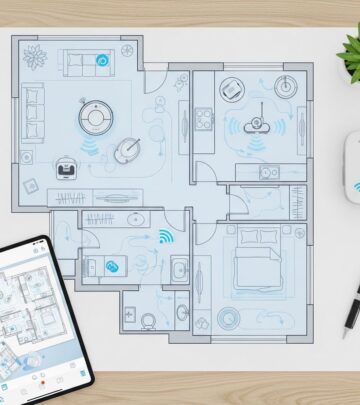
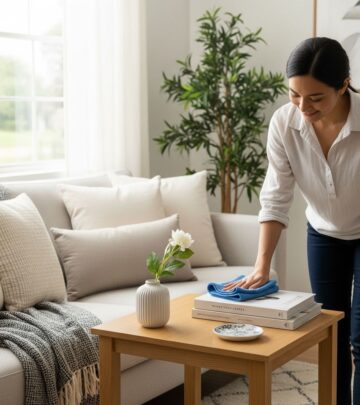
Create a living room that combines style with serenity by focusing on essential furniture and clean lines. Choose a neutral color palette with strategic accent colors. Display only meaningful artwork and décor items. Invest in multifunctional furniture that serves multiple purposes while maintaining a clutter-free appearance. Keep surfaces clear and organized, using hidden storage solutions for items you need but prefer to conceal.
Minimalist Bedrooms
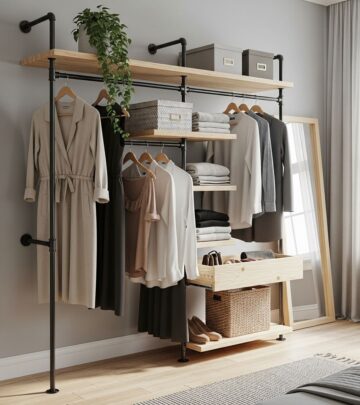
Your bedroom should be a sanctuary for rest and relaxation. Implement minimalist principles by selecting a quality bed frame, minimal bedding in calming colors, and removing unnecessary furniture. Keep nightstands clear except for essentials like a lamp and phone charger. Use under-bed storage for seasonal items or linens, keeping the room visually uncluttered.
Minimalist Kitchens
Organize kitchen cabinets and drawers to contain only regularly used items. Invest in quality cookware and utensils rather than accumulating numerous single-use gadgets. Keep countertops clear, storing appliances and ingredients in designated spaces. Use attractive containers for dry goods to maintain visual consistency and organization.
Minimalist Bathrooms
Streamline bathroom products by keeping only items you actively use. Store toiletries in organized containers and cabinets, maintaining clear countertops. Choose simple, functional fixtures and avoid decorative items that collect dust. A minimalist bathroom feels spa-like and promotes a sense of calm during your morning and evening routines.
Design Principles for Minimalist Spaces
Color Palettes
Minimalist design typically features neutral colors like white, gray, beige, and black as the foundation. These colors create a sense of calm and allow statement pieces or natural elements to stand out. You can add depth through different textures and tones within the neutral palette, or introduce strategic pops of color through artwork or plants.
Furniture Selection
Choose furniture with clean lines and simple silhouettes. Prioritize quality over quantity—invest in well-made pieces that will last rather than accumulating numerous mediocre items. Select multifunctional furniture such as ottomans with storage, beds with drawers, or coffee tables that offer hidden compartments.
Lighting
Natural light is ideal in minimalist spaces. Use window treatments that allow light to flood in while maintaining privacy. For artificial lighting, choose simple, elegant fixtures that complement your design aesthetic. Avoid excessive lighting fixtures; instead, opt for versatile options that can adjust to different moods and activities.
Storage Solutions
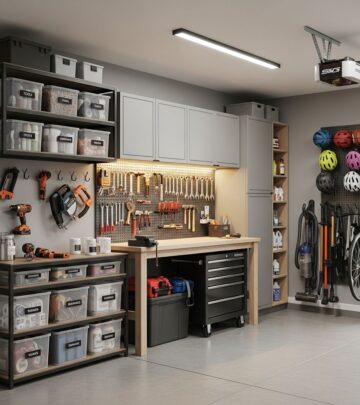
Effective storage is essential to maintaining a minimalist space. Use closed storage options like cabinets, closets, and drawers to keep items organized and out of sight. Floating shelves can display a carefully curated selection of items without overwhelming the space. Label containers and organize items by category for easy access and maintenance.
Common Challenges and How to Overcome Them
Sentimental Attachments
Many people struggle with letting go of items with emotional significance. Rather than discarding these items, consider photographing them for memories while keeping only the most meaningful pieces. Alternatively, create a memory box containing select sentimental items that truly bring joy.
Fear of Needing Items Later
The “just in case” mentality often prevents people from decluttering. Remember that most items you fear needing can be easily replaced or borrowed if necessary. By holding onto “just in case” items, you’re letting hypothetical future scenarios dictate your current living situation.
Family Resistance
If family members resist minimalist changes, involve them in the process. Explain the benefits and let them contribute ideas for organizing shared spaces. Lead by example, demonstrating how minimalism improves your own well-being and efficiency.
Impulse Purchasing
Breaking the habit of impulse buying is crucial for maintaining minimalism. Before purchasing items, implement a waiting period of at least 24-48 hours. Ask yourself whether the item aligns with your values and whether you truly need it. Unsubscribe from marketing emails and limit exposure to advertising triggers.
Maintaining Your Minimalist Lifestyle
Embracing minimalism isn’t a one-time project; it’s an ongoing practice. Establish habits that support your minimalist goals. Before bringing new items into your home, remove something else. Regularly evaluate your possessions and remove items that no longer serve a purpose. Practice mindful consumption by being intentional about every purchase. Create organizational systems that make it easy to maintain order and ensure that everything has a designated place.
Schedule quarterly or seasonal reviews to assess whether your spaces and possessions still align with your minimalist vision. This practice prevents clutter from gradually accumulating and helps you stay committed to your goals.
Frequently Asked Questions
Q: Can I be a minimalist without getting rid of all my possessions?
A: Absolutely. Minimalism is about intentionality, not absolute deprivation. You should keep items that add value to your life or bring genuine joy. The goal is to own things purposefully, not to reach a specific number of possessions.
Q: How do I start a minimalist lifestyle if I live with family members who aren’t interested?
A: Start with your personal spaces like your bedroom or bathroom. Lead by example and demonstrate the benefits you’re experiencing. Gradually introduce minimalist principles to shared spaces with family input and agreement.
Q: Is minimalism expensive to implement?
A: Minimalism can actually save money. While some quality furniture investments may be necessary, you’ll save significantly by not buying unnecessary items and reducing storage needs. The initial cost is often offset by long-term financial benefits.
Q: How long does it take to become minimalist?
A: The timeline varies depending on how much clutter you have and how much time you dedicate to the process. Some people complete major decluttering in weeks, while others take months or years. It’s a personal journey without a strict deadline.
Q: Can minimalism work for families with children?
A: Yes. Minimalist families often involve children in the process, teaching them intentionality and mindfulness about possessions. Age-appropriate toys and belongings, organized storage, and clear organization systems make minimalism work well for families.
Q: What should I do with items I’m discarding?
A: Consider donating to charity, selling online or at secondhand shops, giving to friends or family, or recycling. Choose disposal methods that align with your environmental values and give items a second life whenever possible.
References
- American Psychological Association: The Effects of Clutter on Mental Health — American Psychological Association. 2023. https://www.apa.org/science/about/psa/clutter
- Journal of Environmental Psychology: Minimalism and Well-being — Published research on environmental design and psychological outcomes. 2023. https://www.sciencedirect.com/journal/journal-of-environmental-psychology
- United Nations Environment Programme: Sustainable Consumption — UNEP. 2024. https://www.unep.org/explore-topics/resource-efficiency/what-we-do/sustainable-consumption
- The Minimalists: Essays on Living Well with Less — Joshua Fields Millburn & Ryan Nicodemus. 2019. Official resource on minimalist philosophy and practice.
- HGTV Design Guidelines: Minimalist Home Design — HGTV. 2024. https://www.hgtv.com/lifestyle/clean-and-organize
Similar Articles



Read full bio of medha deb