Creating Epoxy Resin Tabletops: A Complete DIY Guide
Master the art of crafting stunning epoxy resin tables with expert techniques and materials

Crafting a custom epoxy resin tabletop combines artistry with practical craftsmanship, resulting in a unique piece of furniture that serves both aesthetic and functional purposes. This transformative process allows homeowners and makers to create seamless, durable work surfaces that rival professional installations while maintaining complete creative control over design elements, colors, and finishes. Whether you’re looking to refresh an existing table or build one from scratch, understanding the fundamentals of resin application ensures successful results.
Understanding Epoxy Resin for Tabletop Applications
Epoxy resin represents a two-part system combining a resin component with a hardener that chemically bonds when mixed together. This combination creates a plastic material known for its exceptional durability, resistance to wear, and ability to maintain clarity and appearance over extended periods. The resulting surface becomes incredibly hard once cured, making it ideal for work surfaces that endure daily use and potential impact.
The appeal of epoxy resin extends beyond mere durability. The material’s versatility allows for countless customization options, from embedding decorative elements like wood, stones, or photographs to creating organic patterns through marbling techniques. Its self-leveling properties mean that even applications achieve uniform thickness across the surface, and its low viscosity allows it to flow into crevices and imperfections in the base material.
Quality matters significantly when selecting your epoxy system. Professional-grade resins typically offer better clarity, lower yellowing over time, and more predictable curing processes compared to budget alternatives. For tabletops subjected to regular use, investing in quality materials pays dividends in longevity and appearance.
Gathering Essential Materials and Tools
Successful resin table creation requires assembling the right combination of materials before beginning your project. Having everything prepared and within reach proves critical since the resin process operates on a strict timeline once mixing begins.
Core Materials You’ll Need
- Two-part epoxy resin system with hardener component
- Color additives or pigments for desired aesthetic effects
- Melamine or plywood base sheets for containment
- Silicone caulk for sealing seams and preventing leakage
- Release agent to facilitate mold separation
- Protective equipment including nitrile gloves and eye protection
- Sandpaper in various grits for finishing work
- Wood stain or primer for base surface preparation
Essential Tools for Application
- Precise measuring containers for accurate resin-to-hardener ratios
- Mixing sticks for thorough blending of components
- Heat gun or propane torch for bubble elimination
- Brushes for spreading and evening out application
- Microfiber cloths for surface cleaning and dust removal
- Router with round-over bit for edge finishing
- Orbital sander for smoothing the final surface
- Level to ensure proper resin distribution
- Timer for monitoring curing periods
Preparing Your Work Surface and Base Structure
Thorough preparation determines much of your project’s ultimate success. The foundation requires careful attention to ensure the resin distributes evenly and cures without defects or weak points.
Structural Preparation
Begin by constructing or preparing a sturdy base that will support the weight of the cured resin. For new projects, assemble table frames using quality lumber and reinforce joints where additional support proves necessary. Position support frames both above and below the intended tabletop location to maintain stability throughout the pouring and curing process.
The containment system prevents resin from flowing off your work surface during application. Melamine sheets provide an excellent containment base because epoxy doesn’t naturally bond to this material, facilitating easier release after curing. Position these sheets securely on your base structure and seal all joints with silicone caulk to prevent leakage. This step proves absolutely critical—any gap allows valuable resin to escape, compromising both your project and floor surfaces.
Surface Cleaning and Preparation
Even microscopic dust particles and lint become permanently embedded in your resin surface once cured. Use microfiber cloths to thoroughly wipe down every surface that will contact the resin. This meticulous cleaning prevents contamination and ensures a pristine final appearance.
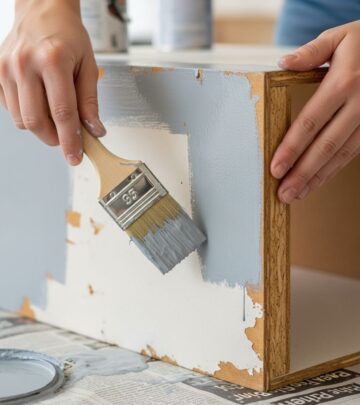
If you’re applying resin over an existing painted surface or wood base, ensure the substrate is properly sealed and prepared. Apply primer and base coat paint before the resin application, selecting colors that complement your overall design vision. The resin layer will then sit atop this prepared base, creating depth and visual interest through color layering.
Leveling Verification
An unlevel surface causes resin to pool in low spots, leaving uneven coverage and creating weak points. Use a quality level to check both lengthwise and widthwise orientation of your work surface. Make adjustments using shims or base modifications until you achieve proper level positioning. This attention to detail prevents disappointment when you discover uneven thickness or bare spots after curing.
Measuring and Mixing Epoxy Resin
The chemical reaction between resin and hardener depends on precise proportions. Most quality epoxy systems use a 1-to-1 ratio by volume, though some products specify different ratios—always consult your specific product’s instructions.
Calculating Coverage Requirements
Determine the surface area of your tabletop in square feet, then reference the coverage charts provided by your resin manufacturer. These charts account for typical application thickness, usually around 3/8 inch per pour. For example, a 24-inch tabletop typically requires approximately 24 ounces of mixed epoxy. Never estimate this calculation—precise amounts ensure adequate coverage without wasteful excess.
The Mixing Process
Accuracy matters tremendously when combining components. Pour the hardener into a measuring container first, followed by the specified amount of resin. Mix these components together thoroughly for approximately 5 minutes using a mixing stick, ensuring you scrape the container’s sides and bottom to incorporate all material.
After achieving uniform consistency in the primary mixture, transfer this combined batch into a fresh container. This transfer process accomplishes two critical objectives: it helps release trapped air bubbles and ensures complete mixing of any portions that may have remained partially combined. Add your chosen pigments or color additives at this point, stirring for an additional 4-5 minutes until the color distributes evenly throughout the mixture.
Timing matters once mixing begins. Most epoxy systems offer a specific working window—typically 20-30 minutes—before the mixture begins thickening as the chemical reaction accelerates. Work efficiently within this window to apply your resin before viscosity increases too dramatically.
Applying and Pouring Resin Layers
The application process typically involves multiple pours that build up the desired thickness while creating opportunities for artistic design elements.
The Base Layer Application
Pour your first batch of mixed resin evenly across the prepared surface. Use a brush to spread the material uniformly, working methodically from one end toward the other. The resin’s self-leveling properties assist in creating even coverage, but initial distribution with a brush accelerates this process.
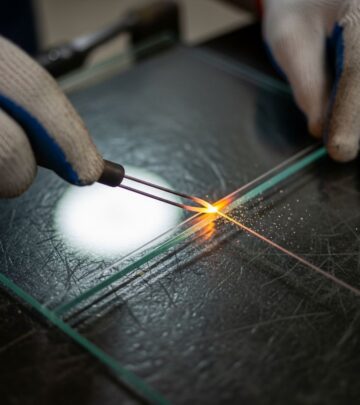
Once spread, remove surface bubbles using a heat gun or propane torch. Move the flame or heat source smoothly across the surface, keeping it in constant motion to avoid overheating any single spot. The bubbles will pop and disappear, leaving a glass-like appearance. Allow this layer to cure fully—typically 24 hours at room temperature—before proceeding to subsequent applications.
Building Depth with Additional Layers
For tabletops requiring thicker surfaces or enhanced visual effects, prepare a second batch of resin. This layer creates the opportunity to introduce additional colors, create swirling patterns, or embed decorative elements. Pour this second batch atop the cured first layer and repeat the spreading and bubble-removal process. Some makers use PVC tubing or specialized tools to draw patterns through the uncured resin, creating unique design effects before curing.
The number of layers depends on your thickness goals and design complexity. Each layer requires full curing time before adding subsequent applications, so plan your project timeline accordingly. A typical single-tabletop pour might involve 2-3 layers applied over several days.
Managing Air Bubbles Effectively
Air bubbles represent the primary aesthetic challenge in resin work. Surface bubbles can be eliminated with heat, but deep bubbles trapped within the resin require preventive measures during mixing. Mixing in a secondary container after initial combination helps release trapped air. Pouring slowly and deliberately prevents introducing new bubbles during application. Some professionals allow mixed resin to sit briefly before pouring, permitting additional bubble release through natural settling.
Finishing and Surface Treatment
Once fully cured, your resin surface requires finishing work to achieve the desired appearance and functional smoothness.
Edge Refinement
The edges where resin meets the containment walls often feature sharp corners or rough texture. Use a router fitted with a 1/4-inch round-over bit to create smooth, beveled edges. This process eliminates sharp points, improves safety, and enhances the professional appearance of your finished piece. Work carefully and steadily, taking multiple passes if necessary rather than attempting to remove excessive material in a single pass.
Surface Sanding and Polishing
Sand the upper surface using progressively finer grits of sandpaper to achieve the desired finish. Begin with coarser grits (80-120) to level and smooth the surface, then progress through medium grits (150-220) and finally fine grits (320-400) for a smooth finish. Each grit removes scratches from the previous stage, resulting in increasingly refined surfaces.
After sanding, remove all dust with a damp microfiber cloth and allow the surface to dry completely. This final cleaning reveals your completed surface and removes grit particles that would otherwise interfere with any protective coating or sealant application.
Design Possibilities and Customization Options
Epoxy resin’s versatility enables countless design approaches suited to different aesthetics and preferences.
Color and Pigment Techniques
- Solid colors achieved through uniform pigment distribution
- Marbled effects created by swirling multiple colors together
- Layered color separation through multiple pours with distinct colors
- Ombré transitions using graduated color mixing between layers
- Embedded photographs or printed images sealed beneath clear resin
Artistic Embellishments
Beyond color, resin accepts numerous decorative elements. Dried flowers, leaves, wood chips, or mineral specimens can be positioned in the uncured resin where they become permanently suspended in the clear or colored matrix. Some artisans create 3D effects by sculpting elements from specialized paste, painting details, then pouring clear resin over the creation to add depth and protection.
Common Challenges and Solutions
| Challenge | Cause | Solution |
|---|---|---|
| Uneven surface finish | Unlevel work surface or improper spreading | Verify level positioning before pouring; spread resin evenly with brush |
| Surface bubbles | Trapped air in mixture or during pouring | Use heat gun or torch; allow mixing time for bubble release |
| Resin leakage | Unsealed seams in containment system | Apply silicone caulk thoroughly; verify seal integrity before pouring |
| Yellowing over time | Low-quality resin or UV exposure | Select UV-resistant resin; apply protective topcoat |
| Uneven color distribution | Insufficient mixing time | Extend mixing period; transfer to secondary container for blending |
| Tackiness after curing | Incorrect resin-to-hardener ratio | Verify measurements; remix if necessary before application |
Maintenance and Long-Term Care
Your finished resin tabletop requires minimal maintenance but benefits from attentive care. Clean with mild soap and water using soft cloths to avoid scratching. Avoid placing extremely hot items directly on the surface, as excessive heat can compromise the resin’s integrity. Use coasters for beverages and placemats for dining to prevent staining and protect the finish.
If your tabletop experiences minor scratches or wear over time, these can sometimes be remedied through targeted sanding and resealing with thin protective coats. For more significant damage, consulting a professional resin artist may prove worthwhile to determine whether repair or complete refinishing makes economic sense.
Frequently Asked Questions
How long does epoxy resin require to cure completely?
Most epoxy systems require 24 hours at room temperature for functional curing, though full hardness develops over 7 days. Avoid placing items on the surface or exposing it to stress during the initial 24-hour period. Temperature influences curing speed—warmer environments accelerate curing while cooler conditions slow the process.
Can I apply epoxy resin to an existing table?
Yes, existing tables can receive epoxy resin surfaces provided the base is properly prepared. Clean thoroughly, apply primer and base coat paint if desired, then follow standard application procedures. Ensure the existing surface is structurally sound and level before beginning.
What thickness should my resin layer be?
Typical applications pour 3/8 inch per layer. Multiple layers build thickness while reducing the risk of incomplete curing or excessive internal stress. For most tabletops, 3/4 to 1 inch total thickness provides adequate durability.
Is epoxy resin food-safe?
Standard epoxy resin is not food-safe for direct contact with food or beverages. Always use placemats and coasters, and select food-grade resin specifically if your tabletop will serve dining purposes requiring food contact surfaces.
Can I sand and refinish a resin tabletop?
Yes, epoxy surfaces can be sanded to remove scratches or adjust the finish. Sand progressively through finer grits to achieve desired smoothness. This allows minor restoration without complete replacement.
References
- Epoxy Resin: Definition and Industrial Applications — Smooth-On Inc. 2024. https://www.smooth-on.com/support/faq/epoxy-resin/
- How to Make an Epoxy Resin Tabletop — Instructables. 2024. https://www.instructables.com/HOW-TO-MAKE-a-EPOXY-RESIN-TABLE-TOP/
- DIY Resin Table Top – All the Dos and Don’ts — Homebody Hall. 2024. https://homebodyhall.com/epoxy-resin-tabletop/
Similar Articles



Read full bio of Sneha Tete