Erasing Textured Walls: Complete Guide
Transform bumpy walls into sleek surfaces with proven techniques that save time, reduce mess, and deliver professional results for any DIY enthusiast.
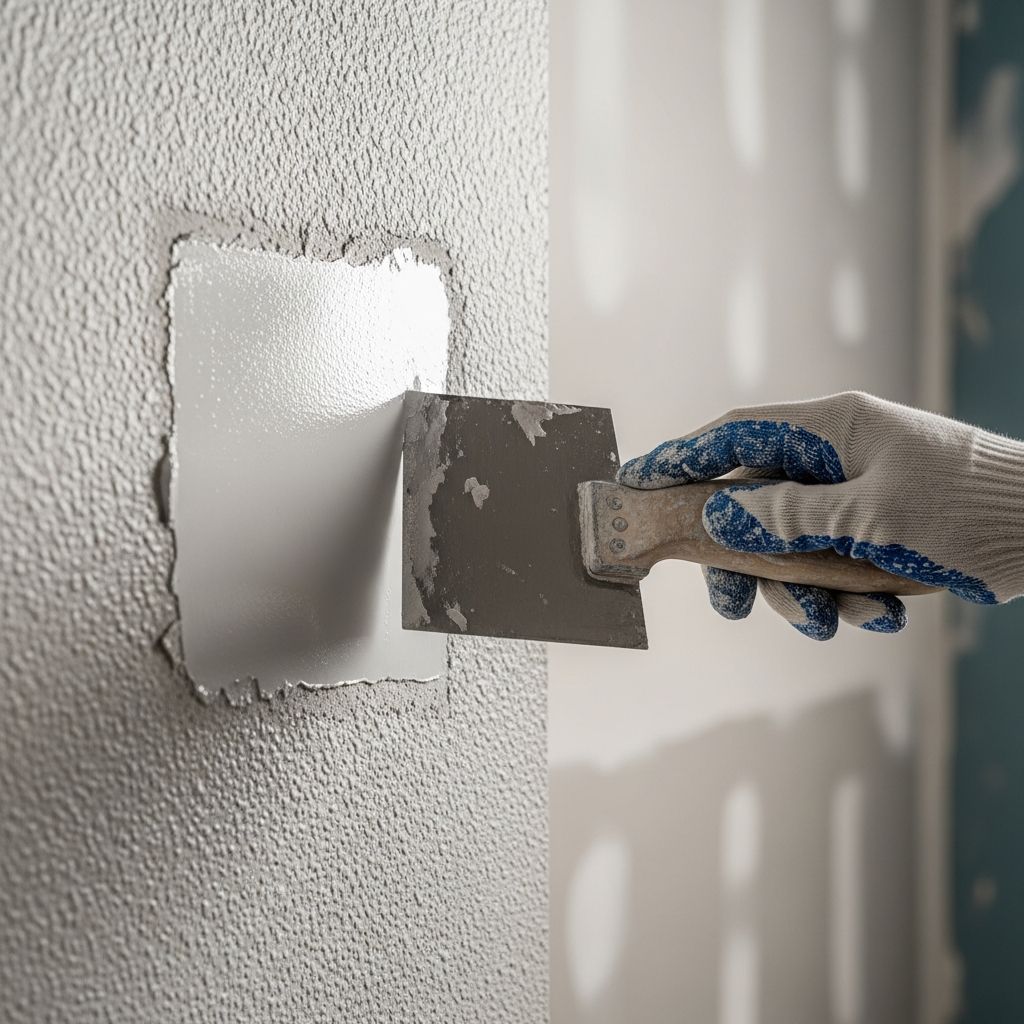
Textured paint on walls can add character but often becomes outdated or problematic over time. Homeowners frequently seek ways to achieve a sleek, modern look by smoothing these surfaces. This guide explores reliable methods to eliminate texture, focusing on efficiency, safety, and minimal mess. Whether covering with joint compound or physically removing the material, these approaches suit various skill levels and wall conditions.
Understanding Wall Textures and When to Remove Them
Wall textures like popcorn, knockdown, or orange peel originated as budget-friendly ways to hide imperfections in older drywall. However, they trap dust, complicate cleaning, and clash with contemporary designs favoring flat finishes. Removal becomes essential during renovations, especially before applying new paint or wallpaper.
Assess your walls first: light textures may need only covering, while heavy ones require scraping. Test a small area to gauge effort. Factors like wall material—drywall versus plaster—affect the best method. Drywall demands caution to avoid paper tears, per expert remodelers.
Preparation Essentials for a Successful Project
Proper setup prevents damage and simplifies cleanup. Begin by clearing the room: move furniture to the center, cover with plastic sheets, and lay heavy-duty drop cloths on floors. Tape baseboards, trim, and outlets with painter’s tape.
Protect yourself with safety gear: N95 respirator mask, safety goggles, gloves, and long sleeves combat dust and chemicals. Ventilate via open windows and fans; consider a shop vac with HEPA filter for dust control.
Gather tools based on method:
- Joint compound (pre-mixed or powder)
- Thick-nap roller (3/4-inch or more)
- Wide drywall knives (10-14 inches)
- Pole sander with dust collection
- Spray bottle, buckets, mixing paddle
- Sanding sponges (various grits: 120-220)
- Primer and paint for finishing
Method 1: Skim Coating for a Flawless Cover-Up
The least messy option, skim coating applies thin layers of joint compound over texture, filling valleys for a smooth base. Professionals favor it for speed and low disruption compared to full removal.
Step-by-Step Skim Coating Process
- Clean and Prime: Wipe walls with TSP substitute to remove grease. Lightly sand glossy areas for adhesion. Apply high-bond primer like Kilz; let dry 24 hours.
- Mix Compound: Thin all-purpose joint compound with water to pancake batter consistency using a drill paddle. Work in small batches to avoid drying.
- Apply First Coat: Roll generously onto 4×4-foot sections with thick-nap roller. Avoid overworking to prevent drips.
- Smooth with Trowel: Wet a magic trowel or 12-inch knife; pull evenly over compound in roller direction. Overlap edges with water spray for seamless joints.
- Dry and Repeat: Allow 4-6 hours drying per coat (faster in low humidity). Apply 2-3 coats, alternating directions (vertical then horizontal). Lightly sand ridges between coats.
- Final Sand and Prime: Sand entire surface with 220-grit pole sander. Wipe dust, then prime for paint.
Expect 1-2 days for a medium room. Heavy textures need extra coats but yield buttery-smooth results.
Method 2: Wet Scraping for Direct Texture Removal
For those avoiding added thickness, wet scraping softens and lifts texture. It creates mess but preserves original drywall.
Detailed Wet Removal Steps
- Score Edges: Use utility knife to cut texture along ceilings, floors, and corners, preventing tears.
- Saturate Sections: Spray 3×3-foot areas with water from pump sprayer or garden hose (low pressure). Wait 15-20 minutes; re-wet if needed. Add fabric softener (1:10 ratio) to loosen paint bonds.
- Scrape Gently: Hold 10-inch drywall knife at 20-degree angle; pull downward in firm strokes. Texture peels in sheets. Avoid gouging paper layer.
- Work Methodically: Progress top-to-bottom, left-to-right. Rinse knife frequently.
- Address Stubborn Spots: Use steam wallpaper stripper for resistance. Never force; re-soak instead.
- Dry Thoroughly: Fans and dehumidifier speed 24-48 hour drying. Check for soft spots indicating moisture.
Follow with patching, sanding, and priming. This method suits thin textures best.
Method 3: Dry Sanding and Hybrid Approaches
Dry sanding suits painted, light textures. Use pole sander with vacuum attachment to minimize dust clouds. Work in ventilated spaces; change filters often.
Hybrid: Combine scraping with sanding for mixed textures. For popcorn ceilings extending to walls, address simultaneously.
| Method | Pros | Cons | Best For |
|---|---|---|---|
| Skim Coating | Low mess, smooth finish, quick | Adds slight thickness | All textures |
| Wet Scraping | No added material, thorough | Messy, labor-intensive | Thin textures |
| Dry Sanding | Precise control | Heavy dust | Light, painted |
Safety Measures and Common Pitfalls to Avoid
Dust poses respiratory risks; asbestos testing is crucial for pre-1980s homes (hire pros if positive). Water methods risk mold—ensure full drying. Gouges from aggressive scraping demand spackle repairs.
Pitfalls: Skipping primer leads to peeling; thick compound cracks. Test adhesion on inconspicuous spots. Humidity delays drying—use dehumidifiers.
Finishing Touches: Priming, Painting, and Maintenance
Post-smoothing, apply two primer coats for paint adhesion. Sand lightly between. Choose eggshell or satin paint for durability. Maintain with microfiber dusters; avoid abrasives.
Cost breakdown for 12×12 room:
- Tools: $50-150 (reusable)
- Materials: $40-80
- Time: 1-3 days
Frequently Asked Questions (FAQs)
Can I remove texture without chemicals?
Yes, mechanical methods like scraping and sanding work well. Water aids softening without harsh strippers.
How long does skim coat take to dry?
4-24 hours per coat, depending on humidity and thickness. Multiple thin layers dry faster.
Is professional help necessary for heavy textures?
DIY is feasible with patience, but pros speed heavy jobs and handle hazards like asbestos.
Will smoothing walls increase home value?
Modern flat walls appeal to buyers, potentially boosting appeal in listings.
What if my walls are plaster, not drywall?
Plaster tolerates aggressive removal better but check for cracks first.
Advanced Tips from Pros
Alternate trowel directions per coat for evenness. Magic trowels excel for beginners—rubber edges prevent gouges. For speed, use hot mud (sets in 20-90 minutes) between coats.
References
- How to get rid of textured walls – 2 simple methods that minimize mess — Homes & Gardens. 2023. https://www.homesandgardens.com/solved/how-to-get-rid-of-textured-walls
- How To Skim Coat To Remove Wall Texture — Sawdust Girl. 2022-10-15. https://sawdustgirl.com/how-to-skim-coat-get-rid-wall-texture/
- How to Remove Textured Faux Finishes from Walls — Jennifer Allwood. 2021. https://jenniferallwood.com/textured-wall-removal/
Similar Articles



Read full bio of Sneha Tete