Essential Woodworking Skills for Beginners
Master fundamental woodworking techniques and build confidence in your DIY projects.
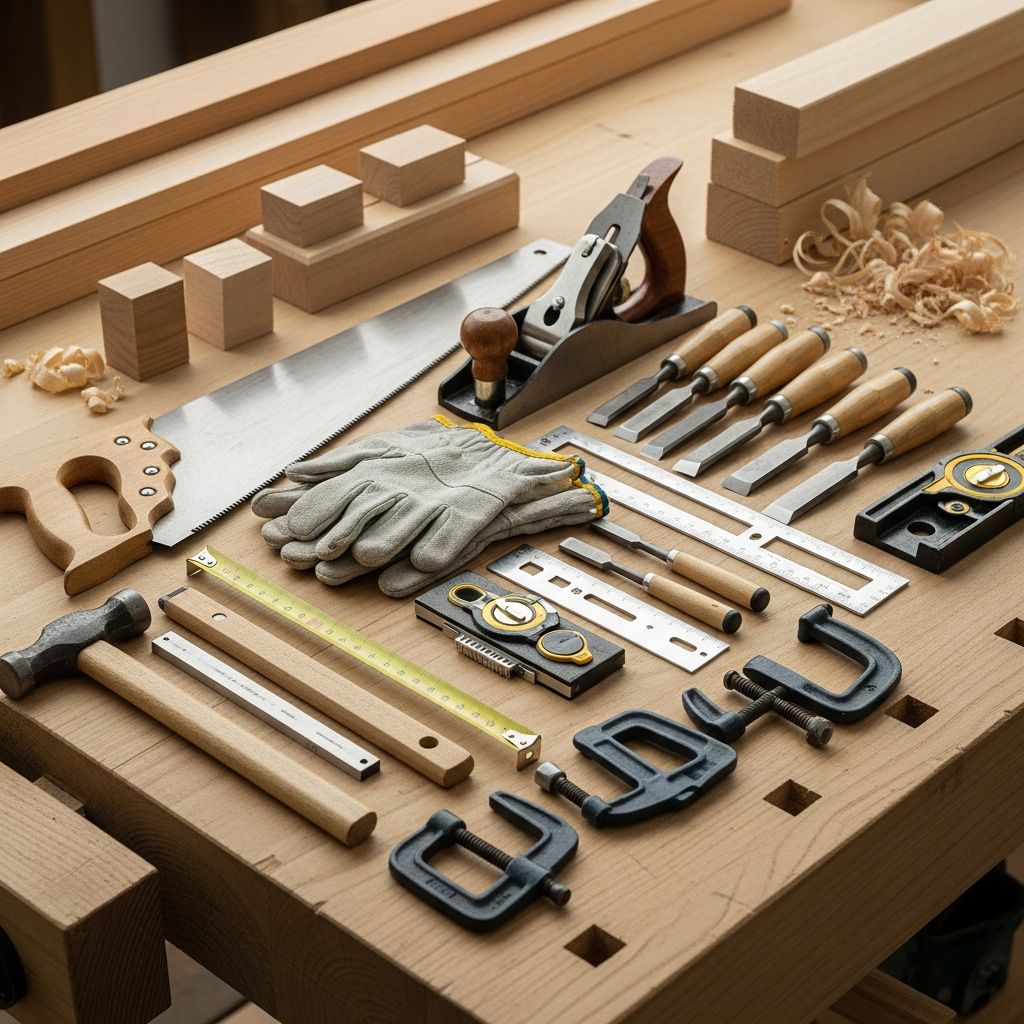
Woodworking is a rewarding craft that combines creativity, precision, and practical skill-building. Whether you’re looking to build furniture, create decorative pieces, or tackle home improvement projects, developing fundamental woodworking abilities is essential for success. This comprehensive guide covers the core skills every aspiring woodworker should master to produce quality results while maintaining safety in the workshop.
Understanding Your Workshop Setup
Before diving into specific techniques, establishing a proper workshop environment sets the foundation for all your woodworking endeavors. A well-organized workspace not only improves efficiency but also enhances safety and allows you to focus on your craft without unnecessary distractions.
- Choose an area with adequate lighting and ventilation for dust management
- Invest in workbenches that provide stable, flat surfaces for accurate work
- Organize tools within easy reach to maximize workflow efficiency
- Install dust collection systems to maintain air quality and tool longevity
- Ensure sufficient floor space for handling large materials and projects
Mastering Hand Tools and Power Tools
A solid understanding of both hand tools and power tools forms the backbone of woodworking proficiency. Each tool serves specific purposes, and knowing when and how to use them correctly determines the quality of your work and your safety in the workshop.
Essential Hand Tools
Hand tools are invaluable for precision work, detailed finishing, and situations where power tools might be impractical. They also allow for greater control and a deeper connection to your material.
- Handsaws: Essential for crosscutting and ripping lumber manually
- Chisels: Critical for joint work, mortises, and detailed shaping
- Planes: Used for smoothing surfaces, chamfering edges, and flattening boards
- Measuring Tools: Tape measures, squares, and gauges ensure accuracy
- Clamps: Hold workpieces securely during gluing and assembly
- Hammers and Mallets: Necessary for driving fasteners and chiseling work
Power Tools for Efficiency
Power tools dramatically increase productivity and capability, but they require respect, proper training, and consistent safety practices.
- Table Saws: Primary tool for ripping and crosscutting lumber with precision
- Miter Saws: Specialized for accurate crosscuts and angled cuts
- Drill Presses: Provide perfectly perpendicular holes with precision
- Jointers and Planers: Essential for preparing stock to consistent dimensions
- Belt Sanders: Quickly remove material and level surfaces efficiently
- Routers: Enable decorative edges, joints, and detailed shaping
Lumber Selection and Material Preparation
Understanding wood characteristics and properly preparing your materials significantly impacts the success of your projects. Quality workmanship begins with selecting appropriate lumber and ensuring it’s properly prepared before construction begins.
Choosing the Right Wood
Different wood species offer varying properties affecting durability, appearance, and workability. Hardwoods like oak, cherry, and walnut are prized for furniture, while softwoods like pine are economical for structural projects.
- Consider wood grain patterns for aesthetic appeal
- Evaluate hardness for appropriate tool selection
- Account for wood movement and expansion properties
- Select moisture-appropriate lumber for your climate
- Check for defects, knots, and warping before purchasing
Stock Preparation Process
Properly prepared lumber ensures dimensional accuracy, better-fitting joints, and superior final appearance. The milling process transforms rough lumber into usable stock.
- Surfacing: Use jointers and planers to create flat, parallel surfaces
- Ripping: Cut boards to desired width on table saws
- Crosscutting: Trim boards to appropriate lengths
- Edge Profiling: Shape edges with routers or hand planes for refined appearance
Joinery Techniques: The Foundation of Quality Woodworking
Strong, reliable joints define quality woodworking. Mastering various joining methods allows you to construct projects that withstand time and use while maintaining structural integrity.
Basic Joinery Types
| Joint Type | Best Use | Difficulty Level | Strength Rating |
|---|---|---|---|
| Butt Joint | Simple projects, frames | Beginner | Low to Medium |
| Lap Joint | Frames, light furniture | Intermediate | Medium |
| Mortise and Tenon | Fine furniture, doors | Advanced | High |
| Dovetail Joint | Drawer boxes, decorative work | Advanced | High |
| Pocket Hole | Cabinets, modern furniture | Beginner | Medium |
Achieving Strong Joints
Regardless of joint type, certain principles ensure reliability and longevity in your constructions.
- Maintain precise measurements throughout layout and cutting
- Use sharp tools to produce clean, accurate cuts
- Test fit components before final assembly
- Apply appropriate adhesives for wood type and application
- Clamp joints adequately during glue curing
Measuring and Marking Accuracy
“Measure twice, cut once” remains woodworking wisdom because precision dramatically affects finished quality. Developing accurate measuring and marking habits prevents costly mistakes and material waste.
Essential Measuring Tools
- Tape Measures: For quick measurements on larger projects
- Folding Rules: For precise measurements and transfer
- Squares: Combination squares, speed squares for layouts
- Gauges: Marking gauges for consistent line widths
- Calipers: For checking curved measurements
Marking Techniques
Clear, visible markings guide accurate cuts and prevent confusion during assembly. Developing consistent marking practices reduces errors and improves efficiency.
- Use sharp pencils or marking knives for precision marks
- Include reference faces for consistent measurements
- Mark cut lines clearly without ambiguity
- Use centerlines for symmetrical layouts
- Cross-check measurements before cutting
Cutting Skills and Techniques
Clean, accurate cuts form the foundation of quality joinery. Mastering various cutting methods for different materials and applications develops expertise that shows in final results.
Table Saw Techniques
- Maintain proper blade height for efficiency and safety
- Use appropriate fence position for consistent width
- Feed material smoothly against rotation direction
- Never reach over or behind blade while operating
- Use push sticks for narrow rips for hand protection
Crosscutting Excellence
- Secure stock firmly to miter gauge or stop block
- Make single, smooth cutting strokes without forcing
- Support workpiece throughout the entire cut
- Maintain consistent angle for miter cuts
- Sand cross-grain cut edges smooth after cutting
Sanding and Surface Preparation
Superior finishing begins with meticulous surface preparation. Proper sanding removes saw marks, tool marks, and inconsistencies, creating smooth surfaces ready for stains and finishes.
Sanding Progression
Moving through progressively finer grits creates increasingly smooth surfaces, with each grit removing scratches from the previous one.
- Start with 80 to 120-grit for initial surface leveling
- Progress to 150 to 180-grit for continued smoothing
- Finish with 220-grit or finer for refined feel
- Sand with grain direction to avoid visible scratches
- Remove dust thoroughly between grit changes
Specialty Sanding Applications
- Edge Sanding: Round sharp edges slightly for comfort and appearance
- Detail Sanding: Use specialty tools in crevices and curved areas
- Final Sanding: Tack cloth removes all dust before finishing
Finishing and Protection
Finishing protects wood from moisture, UV damage, and wear while enhancing natural beauty. Selecting appropriate finishes and applying them correctly determines durability and aesthetic appeal of finished projects.
Common Finish Types
- Stains: Enhance wood color while maintaining grain visibility
- Oils: Penetrate wood, providing natural appearance and moderate protection
- Varnishes: Build protective layers on surface for durability
- Lacquers: Fast-drying finishes popular in production work
- Water-Based Finishes: Low-VOC, environmentally friendly options
Application Best Practices
- Test finishes on scrap wood before committing to project
- Apply thin, even coats rather than single thick application
- Follow grain direction with brush strokes
- Sand between coats for improved adhesion and smoothness
- Maintain proper ventilation and temperature during curing
- Allow adequate drying time between coats
Safety Practices in Woodworking
Safe practices protect against serious injuries and create enjoyable workshop experiences. Prioritizing safety ensures you can pursue woodworking for years without preventable accidents.
Essential Safety Equipment
- Safety Glasses: Protect eyes from flying debris and particles
- Hearing Protection: Prevent hearing damage from power tools
- Dust Masks: Filter harmful wood dust and finishing particles
- Work Gloves: Protect hands during rough material handling
- Steel-Toed Shoes: Prevent injuries from dropped heavy materials
- First Aid Kit: Available for minor injuries and accidents
Power Tool Safety Rules
- Never operate tools while fatigued or under influence
- Keep hands away from rotating blades and bits
- Always use guards and safety features designed into tools
- Maintain sharp blades for smoother, safer cutting
- Unplug tools before changing bits or blades
- Store tools safely when not in use
- Ensure adequate lighting in your work area
Frequently Asked Questions (FAQs)
Q: What tools do I need to start woodworking?
A: Begin with essential hand tools like a handsaw, chisels, hammer, tape measure, and square. Add basic power tools like a circular saw, drill, and orbital sander as your skills and budget allow. A quality workbench provides an essential workspace foundation.
Q: How long does it take to become proficient at woodworking?
A: Basic competency develops within 3-6 months of regular practice. Advanced skills and specialized techniques require years of dedicated practice. Progress depends on project complexity and time invested in skill development.
Q: What wood species are best for beginners?
A: Pine, poplar, and plywood offer affordable, forgiving characteristics ideal for learning. These woods are softer, easier to machine, and less expensive than hardwoods, allowing experimentation without significant material costs.
Q: How important is wood grain direction in sanding?
A: Extremely important. Sanding against grain creates visible scratches and tear-out. Always sand in the direction of grain growth to achieve smooth, professional results and prevent surface damage.
Q: What safety precautions are most critical for power tools?
A: Always wear safety glasses and hearing protection. Keep guards in place, never reach near spinning blades, and maintain sharp tools. Follow manufacturer instructions carefully and use appropriate technique for each tool type.
Q: Can I learn woodworking without expensive tools?
A: Absolutely. Start with hand tools and basic power tools, then gradually invest in specialized equipment as your skills advance and projects require them. Quality matters more than quantity when building your tool collection.
References
- Woodworking Fundamentals Guide — American Woodworking Federation. 2024. https://www.awoodfed.org/resources/fundamentals
- OSHA Woodworking Safety Guidelines — Occupational Safety and Health Administration (OSHA). 2024. https://www.osha.gov/dsg/naics-599/woodworking-safety
- Wood Species Selection and Properties — Forest Products Laboratory, U.S. Forest Service. 2023. https://www.fpl.fs.fed.us/products/publications/
- Finishing and Wood Protection Handbook — National Wood Flooring Association. 2023. https://www.nwfa.org/resources
- Joinery and Joint Construction Standards — Architectural Woodwork Institute. 2024. https://www.awinet.org/standards
Similar Articles








Read full bio of Sneha Tete