Everyday Items That Help Control Household Pests
Discover safe and effective household items to repel pests naturally without harsh chemicals or traps.
Household pests can be a nuisance, especially as temperatures drop and rodents seek warmth and shelter indoors. Rather than immediately turning to harsh chemicals or expensive pest control services, many effective solutions already exist in your home or can be easily obtained. Understanding which everyday items can help control household pests allows homeowners to take a proactive approach to pest prevention while keeping their families and pets safe.
Understanding Seasonal Pest Pressure
The arrival of fall and winter months brings a significant increase in pest activity around homes. As outdoor temperatures decline, rodents, insects, and other pests become more aggressive in seeking shelter, warmth, and food sources indoors. This seasonal shift makes fall an ideal time to implement preventative measures before infestations become problematic. Understanding why pests migrate indoors during cooler months helps homeowners appreciate the importance of early intervention and consistent pest management strategies.
Temperature changes trigger instinctive behaviors in pests that drive them toward human habitats. Rodents, in particular, can sense temperature fluctuations and actively search for warmer environments. Combined with their need for accessible food sources, these factors create perfect conditions for household infestations if preventative measures are not in place.
Essential Preventative Measures
Before exploring everyday items that control pests, establishing foundational preventative practices is crucial. These measures form the first line of defense against pest intrusions and reduce the likelihood of needing more intensive pest control interventions.
Sealing Entry Points
One of the most effective preventative strategies involves thoroughly inspecting your home’s perimeter for potential entry points. Rodents and other pests can squeeze through surprisingly small openings, making a comprehensive inspection essential. Walk around the exterior of your property systematically, checking for:
– Gaps around pipes and utility lines- Cracks in the foundation or exterior walls- Holes in screens or vents- Spaces around doorways and windows- Openings where cables or wires enter the home
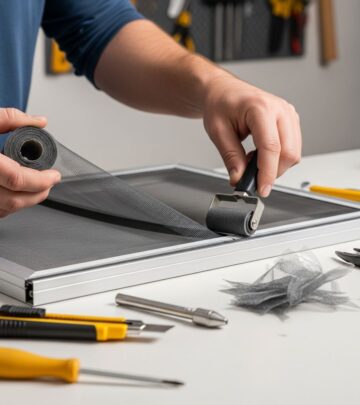
Once identified, seal these entry points using appropriate materials such as caulk, weatherstripping, or steel mesh. This physical barrier prevents pests from easily accessing your home’s interior, significantly reducing infestation risk.
Eliminating Food Sources
Pests are attracted to homes primarily because they offer reliable access to food. Removing or properly storing potential food sources makes your home a less desirable destination for unwanted visitors. Food storage should include:
– Transferring pantry items into airtight, sealed containers- Storing pet food in airtight containers rather than leaving it exposed- Cleaning up spills and crumbs immediately- Securing garbage in sealed containers- Removing fallen fruit and seeds from indoor plants- Properly storing flour, sugar, cereal, and other dry goods
By making food inaccessible, you eliminate one of the primary reasons pests seek shelter in homes. This approach is particularly effective because it addresses a fundamental motivator for pest intrusion.
Addressing Moisture Issues
Many pests require moisture to survive and thrive. Checking your home for moisture sources can significantly reduce its appeal to unwanted visitors. Common moisture sources include:
– Leaky faucets and pipes- Dripping fixtures under sinks- Condensation around windows and doors- Damp basements or crawlspaces- Inadequate drainage around the foundation
Repairing leaks promptly and improving ventilation in damp areas reduces pest attraction. This preventative measure requires minimal effort but yields substantial results in pest prevention.
Natural Household Items for Pest Control
Peppermint Oil: Nature’s Powerful Pest Deterrent
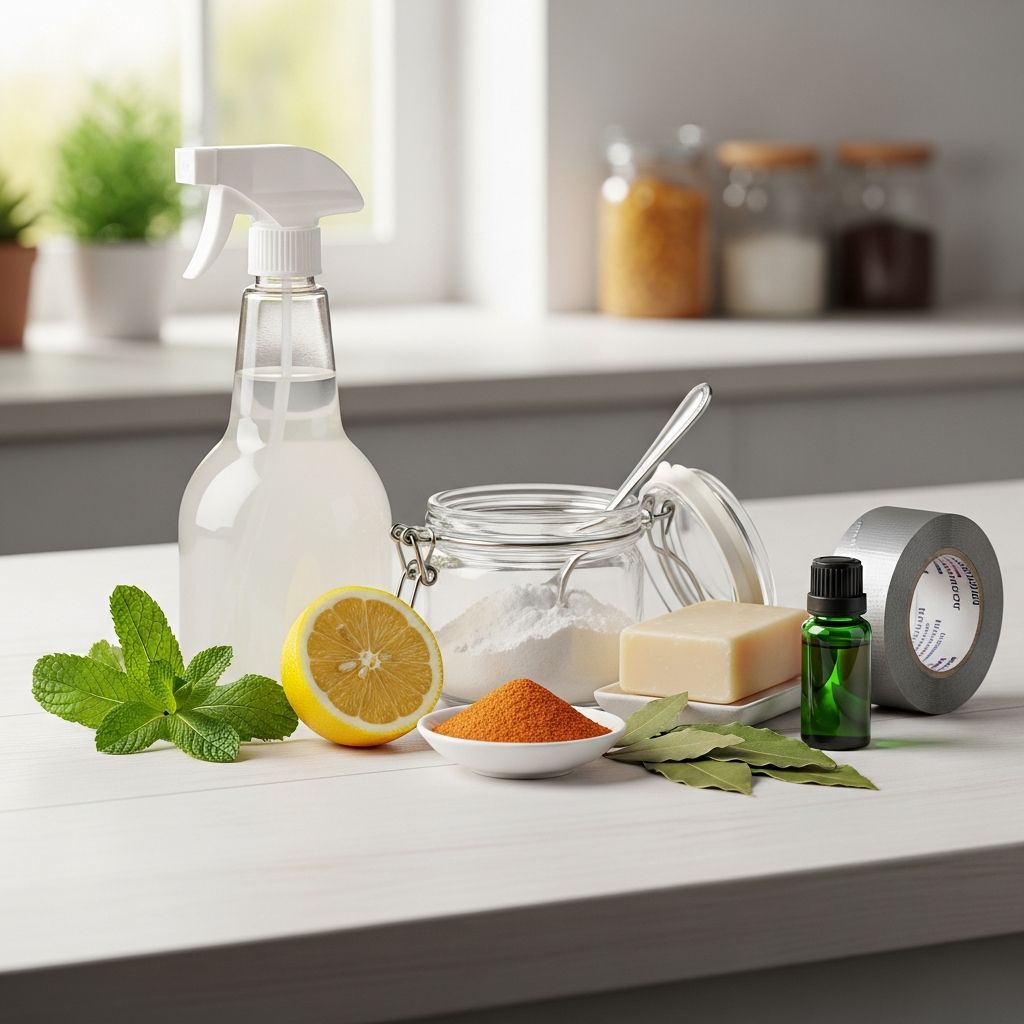
Peppermint oil stands out as one of the most effective everyday items for pest control. This natural essential oil has been used for generations as a safe and reliable pest deterrent. Unlike harsh chemical pesticides, peppermint oil provides a solution that is safe for families and pets while remaining highly effective against various household pests.
Peppermint oil acts as a natural deterrent for ants, spiders, rodents, and numerous other common household pests. The intense aroma and compounds in peppermint oil overwhelm the sensitive olfactory systems of pests, making treated areas inhospitable. One significant advantage of peppermint oil is that pests are less likely to build up a resistance to it compared to traditional chemical pesticides. Rodents and insects attack peppermint oil through multiple neural pathways simultaneously, making adaptation and resistance development significantly more difficult.
The safety profile of peppermint oil makes it particularly attractive to pet owners and families with young children. Traditional pest control methods, including chemical sprays and rodent poison, pose risks to curious pets and children who might come into contact with these substances. Peppermint oil products offer effective pest control without these safety concerns, providing peace of mind alongside pest prevention.
Application Methods for Peppermint Oil Products
Modern peppermint oil-based pest control products come in several convenient forms, each suited to different applications around the home:
– Hand Spray Bottles: These compact sprayers work well for treating baseboards, doorway entries, and interior perimeter areas where pests commonly travel- Convenient Pouches: Pre-filled pouches offer an easy solution for placing in pantries, closets, garages, and other storage areas where pests seek food- Large Spray Bottles: Larger format sprayers effectively cover outdoor spaces including the home’s perimeter, patios, porches, and planting beds
This variety of application methods allows homeowners to create comprehensive pest protection both indoors and outdoors. Strategic placement of peppermint oil products targets common pest pathways and entry points while maintaining consistent deterrent levels throughout the home.
Safe Alternatives to Traditional Pest Control
Why Natural Options Outperform Harsh Chemicals
Traditional pest control methods using harsh chemicals present numerous drawbacks that natural alternatives effectively overcome. Chemical pesticides pose health risks to household members, particularly young children and pets who may inadvertently contact treated surfaces. Harsh chemicals can cause respiratory irritation, skin reactions, and other health concerns when used indoors near living spaces and food preparation areas.
Additionally, pests exposed to chemical treatments for extended periods can develop resistance over time. This adaptation process reduces the effectiveness of traditional pesticides, often requiring stronger formulations or more frequent applications. Natural deterrents like peppermint oil work differently, attacking pests through multiple sensory and neural pathways simultaneously. This multi-directional approach makes resistance development significantly more difficult, ensuring long-term effectiveness.
Comprehensive Home Protection Strategy
An effective pest control strategy combines multiple approaches for maximum protection. Using natural deterrents alongside preventative measures creates layers of defense that address pest problems from multiple angles. This comprehensive approach proves more effective than relying on any single method alone.
Indoor applications of peppermint oil products protect food storage areas and living spaces where family members and pets spend the most time. Simultaneously, outdoor applications create a protective barrier around the home’s perimeter, preventing pests from approaching entry points in the first place. Combined with sealed entry points and eliminated food sources, this multi-layered strategy creates an environment where household pests cannot easily establish themselves.
Implementation Tips for Best Results
Successfully implementing a household pest control strategy requires consistency and attention to detail. Several key practices enhance effectiveness:
– Regular Inspections: Periodically check for new entry points or pest activity to address problems early- Consistent Application: Maintain regular applications of peppermint oil products according to product recommendations- Targeted Placement: Position deterrent products along known pest pathways and entry points- Seasonal Vigilance: Increase prevention efforts as temperatures drop and pest pressure increases- Maintenance: Continue preventative measures year-round rather than waiting for pest problems to develop
Frequently Asked Questions
Q: Is peppermint oil safe for use around pets and children?
A: Yes, peppermint oil-based pest deterrents are specifically formulated to be safe for families and pets. Unlike chemical pesticides and rodent poison, these natural products do not pose health risks when used as directed. They provide effective pest control without the safety concerns associated with traditional methods.
Q: How long does it take to see results from natural pest deterrents?
A: Results vary depending on pest pressure and infestation severity. However, many people notice reduced pest activity within days to weeks of implementing peppermint oil treatments combined with preventative measures. Consistent application and maintenance yield the best long-term results.
Q: Can natural deterrents completely eliminate an existing infestation?
A: Natural deterrents work best as preventative measures and for managing minor pest problems. For severe existing infestations, professional pest control services may be necessary alongside natural deterrents to fully resolve the issue.
Q: Why do pests have difficulty developing resistance to peppermint oil?
A: Peppermint oil affects pests through multiple neural pathways and sensory mechanisms simultaneously. This multi-directional approach makes adaptation significantly more difficult compared to traditional chemical pesticides that pests can more easily develop resistance against.
Q: Are there other natural household items that help control pests?
A: While peppermint oil is particularly effective, other natural approaches include maintaining cleanliness, eliminating moisture sources, storing food properly, and using essential oil-based products. However, peppermint oil has demonstrated superior results in preventing pest resistance development.
Q: When is the best time to implement pest prevention strategies?
A: Fall and early winter represent critical times as pests actively seek indoor shelter. However, year-round implementation of preventative measures provides the best long-term protection, with increased attention during cooler months.
Conclusion
Controlling household pests does not require resorting to harsh chemicals or expensive pest control services. Everyday items, particularly peppermint oil-based products, combined with fundamental preventative measures, create an effective and safe approach to pest management. By sealing entry points, eliminating food sources, addressing moisture issues, and strategically using natural deterrents, homeowners can protect their living spaces from pest intrusions while maintaining a safe environment for their families and pets. Implementing these strategies during fall and winter months, when pest pressure peaks, sets the foundation for pest-free homes throughout the year.
References
- HGTV Star Gives Safe and Effective Tips for Dealing with Pests — Eyewitness News WTVO WQRF. September 25, 2025. https://www.youtube.com/watch?v=BbQYAW6Zi3M
- Dealing with Pests Around the Home this Fall — News 19 North Alabama. September 25, 2025. https://www.youtube.com/watch?v=GcsFpMVLsgA
- Mina Starsiak Hawk Shares Fall Pest Control Advice — WISH TV Indianapolis. 2025. https://www.wishtv.com/lifestyle/all-indiana/peppermint-oil-pest-deterrent/
- Fall Pest Prevention Tips with HGTV Star Mina Starsiak Hawk — WMAR-2 News Baltimore. 2025. https://www.wmar2news.com/middaymaryland/fall-pest-prevention-tips-with-hgtv-star-mina-starsiak-hawk
Similar Articles







Read full bio of Sneha Tete