Do a Few Bed Bugs Mean You Have an Infestation?
Learn how to identify, inspect, and treat bed bugs before a minor problem becomes a full infestation.
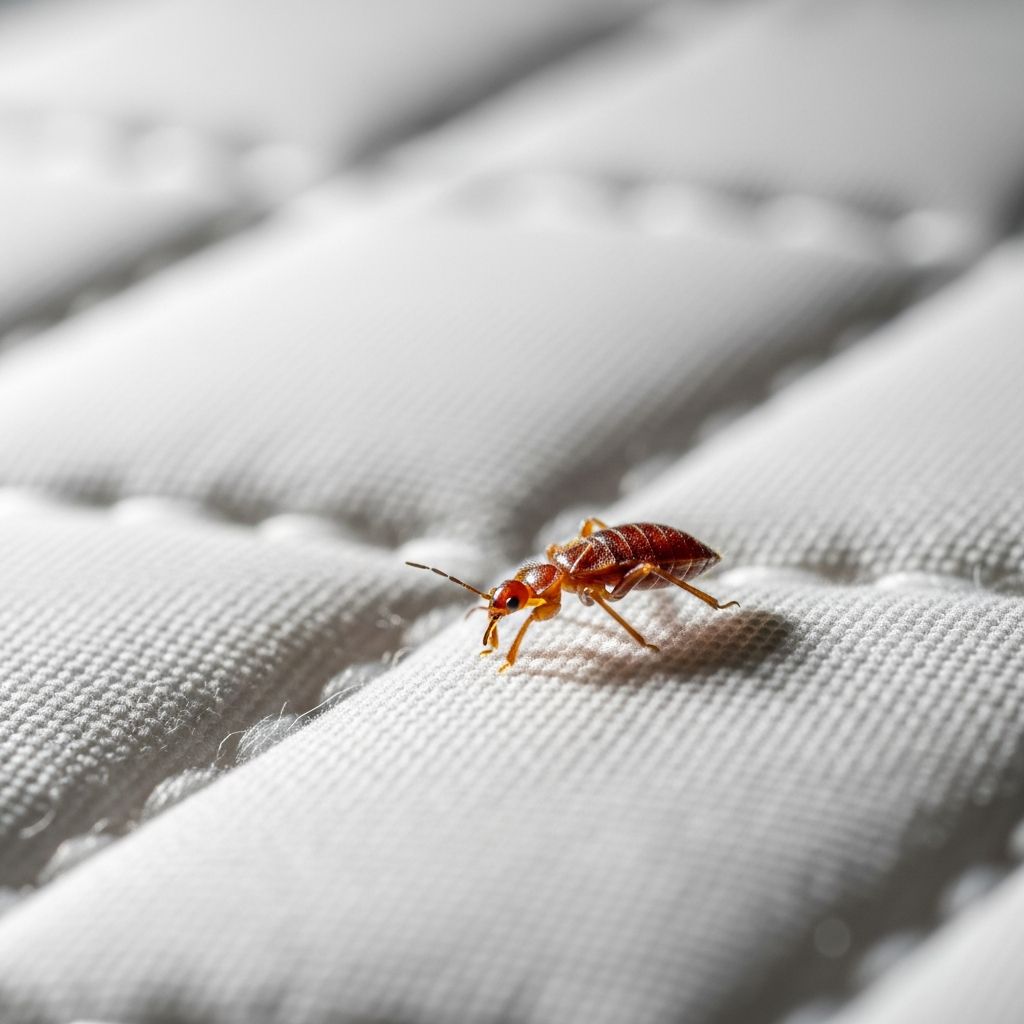
Finding even a single bed bug in your home can trigger immediate concern and questions about whether you’re facing a full-blown infestation. Understanding the difference between a minor bed bug problem and a serious infestation is crucial for taking the right action at the right time. Bed bugs are elusive pests that reproduce quickly, so identifying the severity of your situation early can help you address the problem before it escalates.
When you discover a few bed bugs, it’s important to act swiftly. A small number of bed bugs can rapidly multiply if left untreated, potentially developing into a major infestation within weeks. However, finding one or two bed bugs doesn’t necessarily mean your entire home is infested—it may indicate an early-stage problem that you can manage with prompt intervention.
What Constitutes a Bed Bug Infestation?
A bed bug infestation occurs when bed bugs have established breeding colonies in your home. Unlike finding a lone bed bug that may have hitchhiked in your luggage, an infestation involves multiple bugs at various life stages—eggs, nymphs, and adults—living and reproducing in different areas of your home. Infestations can range from mild to severe, with severity determined by the number of bugs present and how widely they’ve spread throughout your living spaces.
Early detection of bed bugs is your best defense against developing a full infestation. The sooner you identify bed bugs and take action, the easier and less expensive the treatment process will be. A few bed bugs caught early may require only targeted treatment in a single room, whereas an established infestation might necessitate professional intervention and whole-home treatment options like fumigation.
Step 1: Start With Your Bed
Your bed is the most common location for bed bugs to hide and feed, which is why thorough inspection of this area is essential. Begin by moving your bed away from the walls to eliminate hiding spots and improve your ability to inspect all surfaces. Strip all bedding completely, and turn pillowcases and duvet covers inside out to examine all areas where bed bugs might be concealed.
Carefully comb through every crease, fold, and seam of your mattress and box spring. Pay special attention to the piping around the edges of your mattress, as bed bugs frequently hide in these narrow spaces. Flip your mattress over and inspect both the top and bottom surfaces thoroughly using a flashlight to illuminate dark crevices where bugs might be hiding.
When inspecting your bed, look for the following signs of bed bug activity:
– Small dark spots or stains on the mattress (bed bug feces)- Tiny white eggs or eggshells in seams and crevices- Shed bed bug skins (exoskeletons)- Live bugs, which are typically reddish-brown and about the size of an apple seed
Inspecting Your Bed Frame and Headboard
The bed frame and headboard require special attention during inspection. These wooden or metal structures provide numerous hiding spots for bed bugs. Using a flashlight, carefully examine all cracks, joints, and points where the headboard attaches to the wall. Check for dark spots, live bugs, or eggs in these areas.
Pay close attention to hollow spaces within bed frame slats and any areas where wood or metal components join together. Bed bugs can flatten their bodies to fit into incredibly narrow gaps, so even small cracks and crevices warrant thorough examination. If your headboard is upholstered, inspect the fabric carefully, including underneath where it may be stapled to the wood frame.
Checking Other Key Areas
While your bed is the primary location for bed bugs, these pests can hide in many other places throughout your home. Check baseboards, particularly in cracks and crevices where they meet the wall or floor. Examine the edges and seams of carpets, especially near your bed and other areas where you spend considerable time.
Inspect loose wallpaper sections, picture frames, electrical outlets, and light switches. Bed bugs can hide behind these items and in the gaps surrounding them. Don’t forget to check furniture near your bed, including nightstands, dressers, and chairs where you may have sat or lain down.
Prevention and Early Detection Strategies
Preventing bed bugs from entering your home is far easier than eliminating an established infestation. When traveling, inspect hotel rooms carefully before unpacking, and keep your luggage on racks or in the bathroom rather than on the floor or bed. Upon returning home, wash your clothes in hot water and dry them on high heat to kill any bed bugs that may have hitchhiked in your luggage.
Be cautious when buying second-hand furniture. Thoroughly inspect and clean used items before bringing them inside your home. Reduce clutter in your living spaces to eliminate hiding spots where bed bugs could nest and breed. Vacuum regularly, especially around your bed and other sleeping areas, as regular cleaning can help you catch bed bugs early.
Consider using bed bug-proof mattress and box spring encasements. These protective covers won’t prevent an infestation, but they make it significantly easier to detect bed bugs by trapping them on the surface where they’re visible. Additionally, use bed bug monitors and traps designed for bed posts to help monitor and capture any possible bed bugs that may enter your home.
DIY Treatment Methods for Minor Infestations
If you’ve detected only a few bed bugs and believe you have a minor infestation, several do-it-yourself treatment methods can be effective. These approaches are less expensive than professional treatment and may eliminate the problem before it escalates.
Heat Treatment
Heat is one of the most effective ways to kill bed bugs at all life stages, including eggs. You can use a clothes dryer on high heat to treat infested clothing and bedding. Items should be dried for at least 30-40 minutes at the highest heat setting. For larger items or furniture, place them in black plastic bags and leave them in a closed car in direct sunlight on a hot day—this natural heat method can kill bed bugs after several hours of exposure.
Portable steam machines can treat mattresses, furniture, bed frames, and cracks in baseboards. Ensure steam temperature reaches at least 130 degrees Fahrenheit to effectively kill bed bugs on contact. Steam is particularly useful for items with many nooks and crannies where bed bugs hide.
Diatomaceous Earth
Food-grade diatomaceous earth is a natural powder that dehydrates and kills bed bugs and other insects. Apply this powder in cracks, crevices, and other areas where you’ve found bed bugs. The powder works by damaging the protective outer layer of the insect’s exoskeleton, causing dehydration and death. Allow several days for the treatment to take effect, and reapply as needed.
Vacuuming and Cleaning
Vacuum infested areas several times per day, especially if bed bugs are already present in your home. Focus on mattresses, box springs, bed frames, and surrounding areas. After vacuuming, immediately seal and dispose of the vacuum bag to prevent bed bugs from escaping. Wash all bedding, pillows, and clothing in hot water and dry on high heat.
Sealing Entry Points
Caulk or seal cracks and gaps around baseboards, windows, and electrical outlets to prevent bed bugs from traveling between rooms or apartments. This step helps contain the infestation and prevents bed bugs from spreading to other areas of your home.
Professional Treatment Options
When a minor infestation becomes more widespread or DIY methods prove ineffective, professional pest control services become necessary. Exterminators offer several treatment approaches, each with distinct advantages and costs.
Heat Treatment
Heat treatment is generally considered the gold standard for bed bug elimination. Exterminators use specialized heating systems to raise room temperatures to approximately 130-135 degrees Fahrenheit, killing bed bugs at all life stages throughout the entire space. This method is chemical-free and eco-friendly, making it safe for homes with children and pets. The process typically takes 3-4 hours and can eliminate bed bugs with minimal preparation required.
Chemical Treatment
Chemical treatments involve applying insecticides to affected areas, including mattresses, headboards, flooring, and other common bed bug hiding spots. Professional exterminators use products specifically formulated for bed bug control, such as Alpine and Bedlam Plus. Chemical treatments may require multiple applications over several weeks to ensure all bugs and eggs are eliminated.
Steam Treatment
Like heat treatments, steam kills bed bugs on contact. Professionals recommend steam treatment for rooms with many nooks and crannies, and they often combine it with insecticides to enhance effectiveness. The steam draws bugs out of hiding, making them more susceptible to the insecticide application.
Freeze Treatment
Though bed bugs have a high cold tolerance, they will die from multiple days of exposure to below-freezing temperatures. Professionals use specialized freezing equipment to create tiny crystals that kill bed bugs. This method is less common than heat or chemical treatments but may be considered for specific situations.
Fumigation
Fumigation is typically reserved as a last resort for severe infestations that haven’t responded to other treatment methods. During fumigation, your home is tented and a deadly gas fumigant is released throughout the structure, completely penetrating all areas and killing bed bugs at all developmental stages. This method requires you to vacate your home for up to 72 hours, making it disruptive but highly effective for comprehensive elimination.
Cost Considerations for Professional Treatment
On average, bed bug exterminator services cost between $1,500 and $5,000 for treating an entire home. However, treating a single room with a small infestation may cost as little as $150. The final cost depends on several factors, including the size of your home, the severity of the infestation, the treatment method chosen, and your geographic location.
You might also consider professional treatment if you’re selling your home, or if you’re a landlord dealing with tenant-related bed bug issues, as professional certification of treatment can be important for real estate transactions.
When Should You Call a Professional?
Contact a professional pest control company if you notice the following:
– Multiple bed bugs in different rooms or areas of your home- Signs of breeding activity (eggs, nymphs, and adult bugs at various life stages)- DIY treatment methods have failed to eliminate the infestation after two weeks- You’re unsure whether you have a minor problem or a full infestation- You’re selling your home or need professional certification of treatment- You have immunocompromised family members or severe allergic reactions to bed bug bites
Preparing Your Home for Professional Treatment
If you’re hiring a professional pest control company, proper preparation can enhance treatment effectiveness. Thoroughly vacuum infested areas before treatment. Remove light switch and outlet covers to allow the exterminator access to these hiding spots. Pull carpet away from baseboards and carefully fold bedding, washing it in hot water if appropriate for your items.
One important thing you shouldn’t do is pitch your entire bed unless it’s structurally compromised. Professional treatment kills both adult bed bugs and eggs inside mattresses and box springs, so replacement is usually unnecessary.
Frequently Asked Questions
Q: How quickly do bed bugs reproduce?
A: Bed bugs reproduce rapidly. A single female can lay hundreds of eggs in her lifetime, and nymphs mature to adulthood in approximately 5-8 days under favorable conditions. This is why swift action upon discovering even a few bed bugs is crucial.
Q: Can bed bugs survive in cold temperatures?
A: While bed bugs have a high cold tolerance, they will die from prolonged exposure to below-freezing temperatures over several days. However, this method is less practical for whole-home treatment compared to heat methods.
Q: Will throwing out my mattress eliminate bed bugs?
A: Throwing out your mattress is usually unnecessary. Professional treatment kills bed bugs at all life stages, including eggs inside the mattress. Only discard your mattress if it’s structurally compromised or if you prefer replacement after treatment.
Q: How long does it take to eliminate a bed bug infestation?
A: Treatment time varies by method. Heat treatment can kill bed bugs in 3-4 hours, while fumigation works in one treatment. Other methods like chemical or steam treatment may require 3-4 rounds over several weeks to ensure complete elimination.
Q: Can I prevent bed bugs from traveling to other rooms?
A: Yes. Sealing cracks and gaps around baseboards, windows, and electrical outlets helps prevent bed bugs from traveling between rooms. Encasing your mattress in bed bug-proof covers also helps contain the problem and makes detection easier.
Q: What instantly kills bed bugs?
A: Several substances instantly kill bed bugs, including diluted rubbing alcohol, high heat exceeding 120 degrees Fahrenheit, and vinegar. However, these methods work only on bugs you directly contact and won’t eliminate hidden eggs or bugs in hard-to-reach areas.
Moving Forward With Confidence
Discovering a few bed bugs doesn’t necessarily mean your home is overrun with an infestation, but it does require prompt action. By understanding how to properly inspect your home, recognizing the signs of bed bug activity, and knowing your treatment options, you can address the problem before it escalates. Whether you choose DIY methods for a minor problem or professional treatment for a more serious situation, acting quickly is your best strategy for reclaiming your home from these persistent pests.
References
- Bed Bug Control: How to Get Rid of Bed Bugs — Heritage PPG. Retrieved December 3, 2025. https://heritageppg.com/blogs/pest-control-blog/bed-bug-control-how-to-get-rid-of-bed-bugs
- How Much Does a Bed Bug Exterminator Cost? (2025 Pricing) — This Old House. Retrieved December 3, 2025. https://www.thisoldhouse.com/pest-control/bed-bug-exterminator-cost
- All About Bedbugs: Understanding and Eliminating These Pests — This Old House. Retrieved December 3, 2025. https://www.thisoldhouse.com/pest-control/21018240/bedbugs
- Do a Few Bed Bugs Mean You Have an Infestation? — This Old House. Retrieved December 3, 2025. https://www.thisoldhouse.com/pest-control/few-bed-bugs-or-infestation
- Using Heat to Kill Bed Bugs — Virginia Department of Agriculture and Consumer Services. Retrieved December 3, 2025. https://www.vdacs.virginia.gov/pdf/bb-heat1.pdf
- How To Check for Bed Bugs — This Old House. Retrieved December 3, 2025. https://www.thisoldhouse.com/pest-control/how-to-check-for-bed-bugs
Similar Articles





Read full bio of Sneha Tete