Fiberglass vs. Vinyl Windows: Pros, Cons & How To Choose
Compare fiberglass and vinyl windows: durability, energy efficiency, cost, and installation to find the best choice for your home.
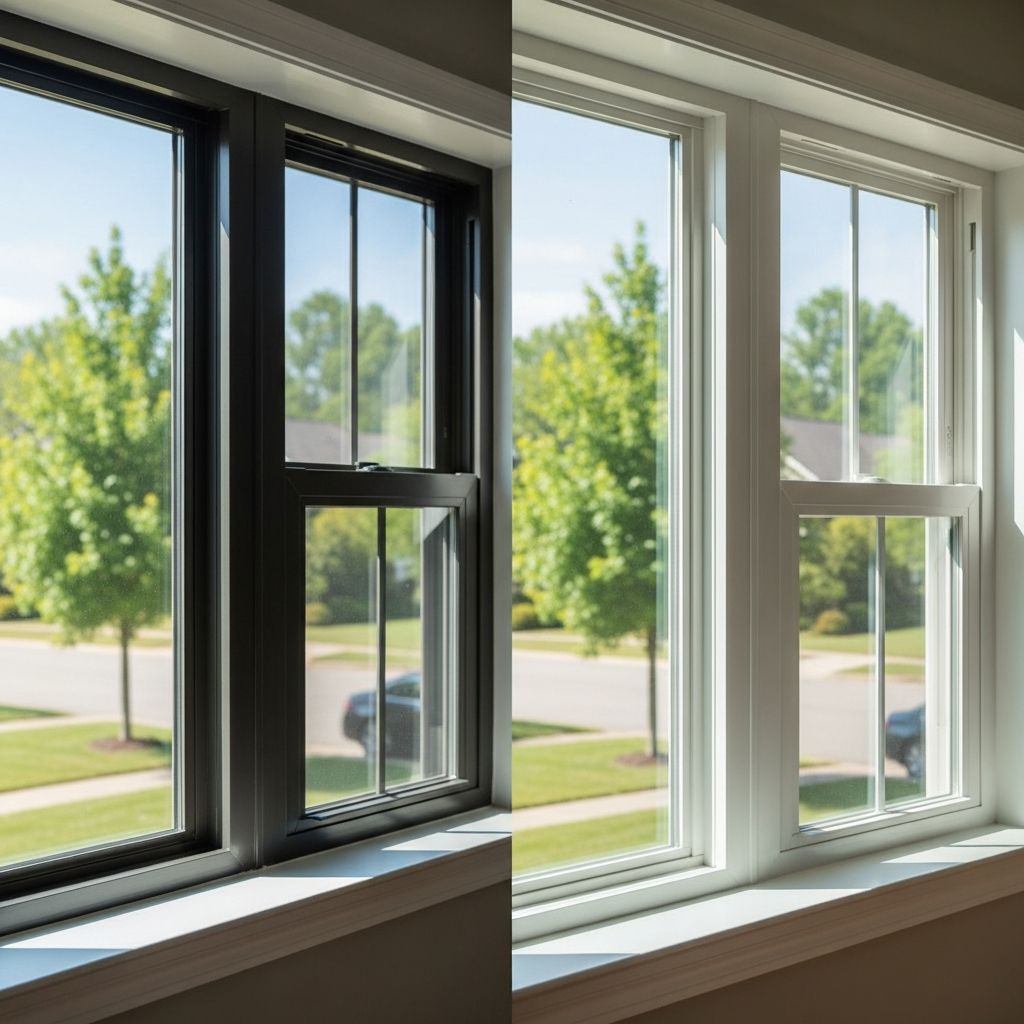
When it comes to replacing or upgrading your home’s windows, choosing between fiberglass and vinyl is one of the most important decisions you’ll make. Both materials have become popular alternatives to traditional wood windows, offering improved durability, lower maintenance, and better energy performance. However, each option comes with distinct advantages and disadvantages that can significantly impact your home’s comfort, energy bills, and long-term value.
Understanding the differences between these two materials will help you make an informed decision that aligns with your budget, climate, and long-term home improvement goals. This comprehensive guide breaks down the key characteristics, benefits, and drawbacks of both fiberglass and vinyl windows to help you choose the right option for your home.
Key Differences at a Glance
While fiberglass and vinyl windows may appear similar from a distance, they are fundamentally different materials with distinct properties that affect their performance and longevity. Fiberglass windows are manufactured from composite materials made primarily of glass fibers and resin, creating a rigid and highly stable structure. Vinyl windows, on the other hand, are constructed from polyvinyl chloride (PVC), a synthetic plastic polymer that offers flexibility and affordability but with some trade-offs in durability.
The most significant differences between these two materials lie in their durability, energy efficiency, cost, and installation requirements. Understanding these distinctions will help you evaluate which option best suits your specific needs and circumstances.
Fiberglass Windows: Premium Performance and Longevity
Pros of Fiberglass Windows
Fiberglass windows offer several compelling advantages that make them an attractive choice for homeowners willing to invest in long-term quality.
- More attractive and easy to customize: Fiberglass frames can be textured to resemble real wood grain, providing an aesthetic appeal that vinyl cannot match. Additionally, fiberglass is paintable, allowing you to customize the color of your windows to perfectly complement your home’s exterior. The frames tend to be slightly thinner than vinyl frames, which means more glass surface area and greater exposure to natural light.
- Better energy performance: Fiberglass windows feature an average U-factor rating of 0.20, compared to vinyl’s 0.30. The U-factor rating measures heat transfer through the window; lower ratings indicate superior thermal insulation. This means fiberglass windows are approximately 15 percent more energy efficient than their vinyl counterparts, resulting in lower heating and cooling costs throughout the year.
- More durable and long-lasting: Fiberglass is known for its exceptional structural strength and weather resistance. These windows can last 50 years or longer with proper maintenance, compared to vinyl’s 20–30 year lifespan. Fiberglass exhibits minimal expansion and contraction with temperature fluctuations, ensuring that window seals remain tight and effective even in extreme weather conditions.
Cons of Fiberglass Windows
- Most expensive material option: Fiberglass windows typically cost 10 to 30 percent more than vinyl windows. While this higher initial investment may challenge your budget, the extended lifespan and reduced maintenance costs often provide better long-term value for homeowners planning to stay in their homes for many years.
- Must be installed by a professional: Due to their rigid structure and precise manufacturing requirements, fiberglass windows generally require professional installation, which adds an additional $100–$200 per window to your overall project cost. This contrasts with vinyl windows, which many experienced DIYers can install independently.
Vinyl Windows: Affordable and Accessible
Pros of Vinyl Windows
- One of the most budget-friendly materials: Vinyl windows are significantly less expensive than fiberglass alternatives, making them an ideal choice for homeowners with budget constraints or those looking to replace multiple windows throughout their homes.
- Easy to install on your own if you’re DIY savvy: The flexibility of vinyl material and its tolerance for slightly imperfect measurements make vinyl windows more forgiving during installation. Experienced DIYers can successfully install vinyl windows without hiring professional installers, potentially saving $100–$200 per window in labor costs.
- Low-maintenance: Vinyl windows require minimal maintenance beyond routine cleaning. The material is resistant to rot, decay, and insect damage, and doesn’t require painting or special protective treatments to maintain its appearance and functionality.
Cons of Vinyl Windows
- Not as durable or long-lasting: Vinyl windows typically last 20–30 years, significantly shorter than fiberglass’s 50+ year lifespan. The material is more susceptible to warping, cracking, and seal failure, particularly in extreme climates.
- Less energy-efficient: While vinyl provides decent thermal performance, its U-factor around 0.30 means it transfers more heat than fiberglass. Vinyl’s tendency to expand and contract with temperature changes can compromise the seal between the frame and glass, reducing insulating effectiveness over time and increasing heating and cooling costs.
Energy Efficiency Comparison
Energy efficiency stands as one of the most critical factors when comparing window materials, as it directly impacts your monthly utility bills and long-term home operating costs. Fiberglass windows achieve superior energy performance through their rigid structure and inherent insulating properties. The material’s stability ensures that window seals remain consistently tight, preventing air leakage that undermines thermal performance.
Vinyl windows, while offering adequate insulation for most moderate climates, experience performance degradation over time. The material’s expansion and contraction with temperature swings can create microscopic gaps between the frame and glass, allowing conditioned air to escape. This thermal movement is particularly problematic in regions with dramatic seasonal temperature variations or extreme weather conditions.
Beyond thermal insulation, fiberglass provides excellent sound dampening due to its glass-based composition. If you live near a highway, airport, or other noise source, fiberglass windows can significantly reduce exterior noise infiltration, creating a quieter, more peaceful indoor environment.
Durability and Lifespan
Durability represents perhaps the most significant long-term difference between fiberglass and vinyl windows. Fiberglass windows are engineered to withstand extreme weather conditions, maintaining structural integrity for 50 years or longer. The material’s rigidity prevents warping and cracking, and the seal between the frame and glass pane remains secure even after decades of temperature fluctuations and weather exposure.
Vinyl windows, conversely, are more vulnerable to environmental stressors. The material softens in high heat and becomes brittle in extreme cold. This thermal sensitivity causes the frame to expand in summer heat and contract in winter cold, eventually compromising the seal and reducing the window’s insulating ability. Most vinyl windows begin showing signs of performance decline after 20–30 years, necessitating replacement sooner than fiberglass alternatives.
Both materials substantially outlast traditional wood windows, which are prone to rot, decay, and insect damage. However, when comparing durability metrics, fiberglass’s superior longevity translates to fewer replacements over your home’s lifetime, offsetting its higher initial purchase price.
Cost Analysis: Installation and Long-Term Value
| Feature | Fiberglass | Vinyl |
|---|---|---|
| Average Cost Per Window | $558 | $651 |
| Average Lifespan | 30–50 years | 20–30 years |
| Energy Efficiency (U-factor) | As low as 0.20 | Around 0.30 |
| Professional Installation Cost | Required ($100–$200/window) | Optional |
| DIY Installation Difficulty | High | Low to Moderate |
While fiberglass windows carry a higher upfront cost, evaluating the total cost of ownership over decades reveals compelling long-term value. Fiberglass windows’ superior energy efficiency reduces annual heating and cooling expenses, and their extended lifespan means you won’t need replacement as soon as vinyl. For homeowners planning to remain in their homes long-term, investing in fiberglass often represents better financial value despite the higher initial price.
Vinyl windows offer immediate affordability, making them attractive for budget-conscious homeowners, rental properties, or homes where occupancy duration may be limited. However, the shorter lifespan and declining energy performance over time may result in higher total costs when amortized over 50+ years.
Installation: Professional vs. DIY
Fiberglass: Professional Installation Required
Fiberglass windows require professional installation due to their rigid structure and precise manufacturing specifications. Improper installation can compromise the window’s structural integrity and void warranty coverage. Professional installers possess specialized knowledge and tools to ensure proper sealing and flashing, maximizing the window’s performance and longevity. While professional installation adds $100–$200 per window to your project cost, it guarantees proper installation and maintains manufacturer warranty coverage.
Vinyl: More DIY-Friendly (With Limits)
Vinyl’s flexibility and forgiving tolerances make it more accessible for experienced DIYers. The material accommodates slightly imperfect measurements better than rigid fiberglass, and experienced homeowners with basic carpentry skills can often successfully install vinyl windows. This DIY capability allows homeowners to save significant labor costs, though they must invest in proper tools and materials.
However, successful DIY installation requires research, proper technique, and appropriate tools. Inadequate sealing or flashing can compromise the window’s water resistance and energy performance. Homeowners must honestly assess their skills and capabilities before deciding whether DIY installation or professional installation is appropriate for their project.
Aesthetic Considerations and Customization
Fiberglass windows offer superior aesthetic flexibility compared to vinyl. The material can be textured to replicate authentic wood grain appearance, providing the visual warmth of traditional wood windows with modern performance benefits. Fiberglass is also fully paintable, allowing homeowners to customize window color to match their home’s exterior trim, siding, or architectural style.
Vinyl windows, while available in numerous standard colors, cannot be painted and offer limited customization options. The material’s smooth finish and limited wood-grain options may appear less authentic than fiberglass alternatives. Additionally, vinyl frames must be slightly thicker to provide adequate structural support, resulting in less visible glass area and reduced natural light penetration compared to fiberglass’s thinner, more elegant frames.
Environmental Impact
From an environmental perspective, fiberglass presents several advantages over vinyl. Most fiberglass is manufactured from recycled glass, reducing landfill waste and decreasing demand for new glass production. Fiberglass manufacturing doesn’t release harmful chemicals into the environment, and the material won’t off-gas or release dangerous byproducts in case of fire.
Vinyl production involves PVC plastic, which releases harmful chemicals during manufacturing. Additionally, vinyl is difficult to recycle and will off-gas harmful fumes if exposed to extreme heat or fire. Fiberglass’s superior energy efficiency also reduces household energy consumption, lowering your carbon footprint over decades of use. For environmentally conscious homeowners, fiberglass windows represent a more sustainable choice throughout their lifecycle.
Warranty Coverage
Most window manufacturers provide warranties covering frame materials for 20 years or longer. Some premium manufacturers offer lifetime warranties covering the material for as long as you own the home. These comprehensive warranties reflect manufacturer confidence in product durability and longevity. Fiberglass windows’ longer expected lifespan often corresponds with more generous warranty terms, though specific coverage varies by manufacturer and product line. When evaluating windows, compare warranty terms carefully, as comprehensive coverage provides valuable protection against manufacturing defects and material failures.
Choosing the Right Window for Your Home
Selecting between fiberglass and vinyl windows depends on multiple factors specific to your home and circumstances. If you’re planning to remain in your home long-term and prioritize energy efficiency and durability, fiberglass windows represent an excellent investment despite higher initial costs. Their 50+ year lifespan, superior thermal performance, and minimal maintenance requirements justify the premium price for many homeowners.
Conversely, if budget represents your primary constraint, or if you’re replacing windows in a rental property or home you may not occupy long-term, vinyl windows offer practical affordability and adequate performance for most climates. Their lower cost and easier installation make them accessible to budget-conscious homeowners without compromising basic functionality.
Consider your climate as well. In regions with extreme temperature variations, harsh weather, or intense sun exposure, fiberglass’s superior stability and durability provide significant advantages. In moderate climates with less extreme conditions, vinyl’s performance may prove entirely adequate.
Frequently Asked Questions
Q: How much more energy-efficient are fiberglass windows compared to vinyl?
A: Fiberglass windows are approximately 15 percent more energy-efficient than vinyl, with U-factor ratings as low as 0.20 compared to vinyl’s typical 0.30. This superior efficiency translates to lower heating and cooling costs throughout your home’s lifetime.
Q: Can vinyl windows be painted like fiberglass?
A: No, vinyl windows cannot be painted. Unlike fiberglass’s paintable surface, vinyl must be replaced if you want to change its color. Fiberglass’s paintability offers greater customization flexibility and the ability to refresh your windows’ appearance without replacement.
Q: Are fiberglass windows worth the extra cost?
A: For homeowners planning long-term occupancy, fiberglass windows typically represent better long-term value despite higher initial costs. Their superior durability, energy efficiency, and minimal maintenance requirements reduce total ownership costs over decades, often offsetting the premium price within 15–20 years.
Q: How long do vinyl windows typically last?
A: Most vinyl windows last 20–30 years before experiencing performance decline or requiring replacement. Fiberglass windows, by comparison, typically remain functional for 50+ years, providing significantly extended service life.
Q: Can I install vinyl windows myself?
A: Experienced DIYers can often successfully install vinyl windows due to the material’s flexibility and tolerance for minor measurement variations. However, proper technique, appropriate tools, and careful sealing and flashing are essential to ensure water resistance and energy performance. If you lack carpentry experience, professional installation is recommended.
Q: Which window material is more environmentally friendly?
A: Fiberglass is generally more environmentally friendly than vinyl. Most fiberglass is manufactured from recycled glass, fiberglass manufacturing doesn’t release harmful chemicals, the material lasts significantly longer than vinyl, and its superior energy efficiency reduces household energy consumption over decades of use.
References
- Fiberglass vs. Vinyl Windows: Pros, Cons & How To Choose — This Old House. Accessed 2025. https://www.thisoldhouse.com/windows/fiberglass-vs-vinyl-windows
- What’s the Difference? Fiberglass vs. Vinyl Windows — Bob Vila. Accessed 2025. https://www.bobvila.com/articles/fiberglass-vs-vinyl-windows/
- Vinyl vs Fiberglass Windows: Cost, Durability, & More — Southwest Exteriors. May 2024. https://www.southwestexteriors.com/blog/2024/may/vinyl-vs-fiberglass-windows-cost-durability-more/
- Comparing Vinyl vs. Fiberglass Windows For Your Home — Minnesota Exteriors. Accessed 2025. https://minnesotaexteriors.com/blog/vinyl-vs-fiberglass-windows/
- Vinyl vs Fiberglass Windows | Infinity by Marvin — Infinity Windows. Accessed 2025. https://www.infinitywindows.com/blog/vinyl-vs-fiberglass-windows
- Fiberglass vs. Vinyl Windows and Doors | Marvin — Marvin. Accessed 2025. https://www.marvin.com/blog/vinyl-fiberglass-differences
- The Pros and Cons of Fiberglass Windows — Pella. Accessed 2025. https://www.pella.com/ideas/windows/fiberglass/pros-cons-fiberglass-windows/
Similar Articles



Read full bio of medha deb