Filling Yard Holes Dug by Pets: Complete Guide
Stop pet damage and restore your lawn with expert tips for filling holes dug by dogs and cats.
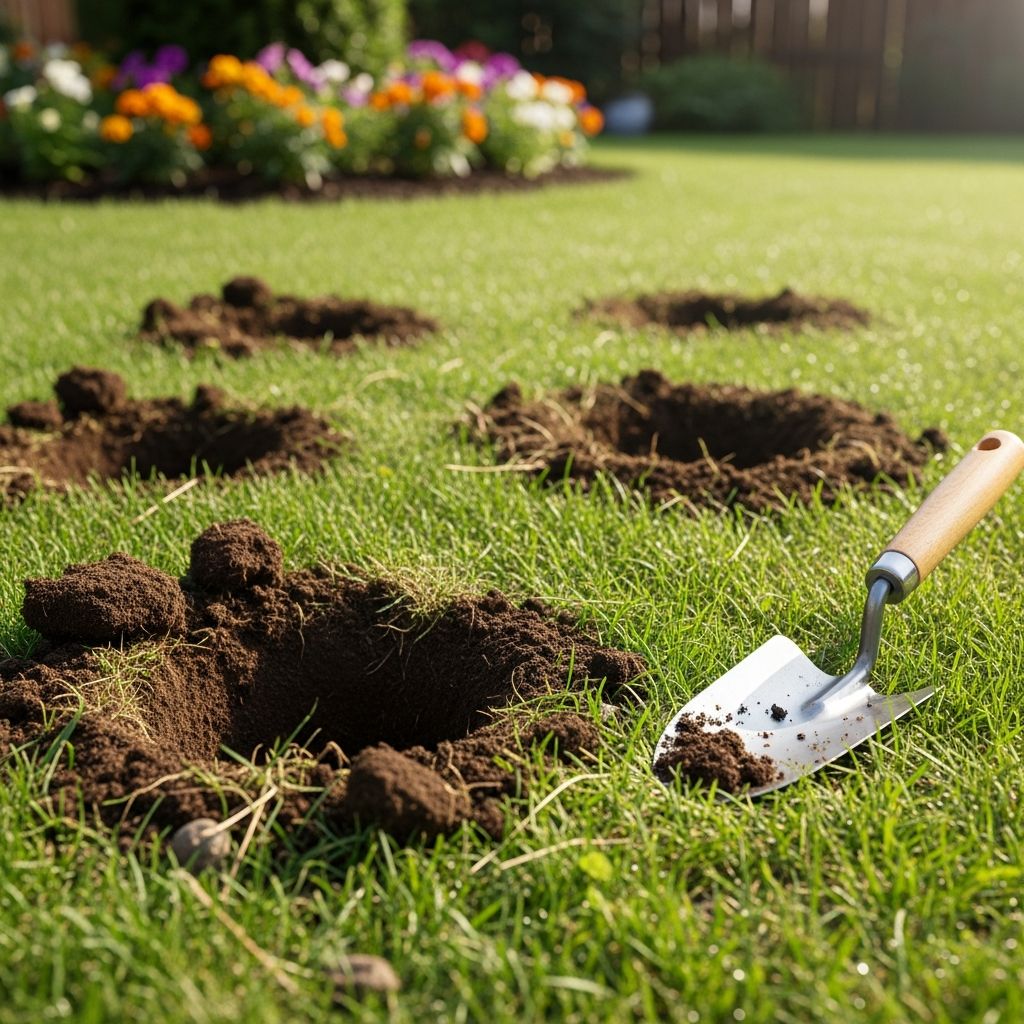
Filling Yard Holes Dug by Pets: A Complete Homeowner’s Guide
Pet owners often face a common and frustrating landscaping challenge: holes dug throughout the yard by dogs, cats, and other animals. Whether your furry friend is searching for cool spots during hot weather, burying treasures, or simply entertaining themselves, these excavations can quickly turn a beautiful lawn into an eyesore. The good news is that repairing these holes is a manageable DIY project that requires minimal tools and effort. This comprehensive guide will walk you through the process of effectively filling yard holes and preventing future damage.
Understanding Why Pets Dig Holes
Before tackling the repair process, it’s helpful to understand the motivations behind pet digging behavior. Dogs and cats dig for various reasons, including creating comfortable resting spots in cool soil during summer months, burying food or toys, escaping from enclosures, or simply engaging in natural instinctive behaviors. Cats often dig to use as litter boxes, while dogs may dig out of boredom, anxiety, or to satisfy their natural denning instincts.
Recognizing these behaviors can help you not only repair existing damage but also implement effective prevention strategies. Understanding the “why” behind the digging allows you to address the root cause rather than simply treating the symptom.
Tools and Materials You’ll Need
Successfully filling pet-dug holes requires specific materials and tools. Having everything prepared before you begin makes the project more efficient and ensures better results. Here’s what you should gather:
- Soil: The foundation material for filling holes. Choose topsoil appropriate for your region and garden needs.
- Compost or organic matter: Enriches the soil and promotes healthy grass growth over the filled area.
- Grass seed or sod: Essential for restoring the lawn surface to its original appearance.
- Shovel: A round-point shovel works best for filling and smoothing soil.
- Rake: Helps level and distribute soil evenly across the hole.
- Wheelbarrow: Makes transporting soil and compost easier and more efficient.
- Tamper or hand compactor: Compacts the soil to prevent settling and future subsidence.
- Water source: A garden hose or watering can for settling soil and hydrating new grass.
- Work gloves: Protects your hands during the filling process.
Assessing the Damage
Before you begin filling, take time to properly assess the extent of the damage. Different hole sizes and types may require slightly different approaches. Small, shallow holes created by casual digging may only need minimal soil and reseeding. Larger, deeper holes or multiple interconnected holes may require more substantial repair work.
Examine the hole’s depth, diameter, and the condition of the surrounding soil and grass. Check for any debris, rocks, or compacted soil that needs removal. If the hole has exposed roots from nearby plants or trees, be careful to work around them. This assessment helps you determine exactly how much material you’ll need and what repair method will be most effective.
Step-by-Step Process for Filling Holes
Step 1: Clean Up the Area
Start by removing any loose debris, rocks, or dead grass from the hole. Use a shovel or your hands to clear out these materials, creating a clean foundation for filling. Remove any compacted soil that may prevent proper drainage or future grass growth. This cleaning phase ensures that your repair work will be effective and long-lasting.
Step 2: Add Soil Base
Begin filling the hole with quality topsoil, adding it in layers. For holes deeper than six inches, fill in stages rather than attempting to fill completely at once. This layered approach prevents settling and creates a more stable foundation. Use your rake to spread the soil evenly and remove air pockets as you go.
Step 3: Mix in Compost
Add a layer of compost or organic matter to enrich the soil. This combination creates an ideal growing medium for grass and improves soil structure. The compost helps retain moisture, provides nutrients, and encourages healthy root development. Mix the compost thoroughly with the existing soil using your shovel and rake.
Step 4: Compact the Soil
Use a hand tamper or compactor to gently compress the soil mixture. Proper compaction prevents the soil from settling excessively after watering and rain. However, avoid over-compacting, as this can create a hard, impermeable surface that makes it difficult for grass roots to establish. A firm but not rock-hard surface is the goal.
Step 5: Level the Surface
Using your rake, level the filled hole so it’s flush with the surrounding ground. Ensure that the surface is slightly mounded rather than perfectly flat, as soil typically settles a bit. Create a smooth transition between the filled area and the existing lawn to avoid creating a tripping hazard.
Step 6: Water Thoroughly
Water the filled area generously to settle the soil and eliminate air pockets. This also helps the soil-compost mixture bond together. Watering is crucial before seeding or sodding, as it prepares the area for new grass growth and helps the foundation become stable.
Step 7: Seed or Sod the Area
Once the soil is settled, you have two options for restoring the grass: seeding or sodding. Grass seed is more economical but requires several weeks to establish. Sod provides immediate results but costs more. Choose based on your budget and timeline. Apply seed according to package directions for your grass type, or lay sod in the prepared area, ensuring good contact with the soil below.
Step 8: Maintain Moisture
Keep the seeded or sodded area consistently moist for the first few weeks while grass establishes. Water lightly and frequently rather than heavily and infrequently. Once the grass is established and growing actively, reduce watering frequency but increase the depth of each watering session.
Materials Comparison Table
| Material | Cost | Durability | Best For |
|---|---|---|---|
| Topsoil | Budget-friendly | Good | Foundation filling, general use |
| Topsoil + Compost Mix | Moderate | Excellent | Optimal grass growth |
| Grass Seed | Inexpensive | Good (time to establish) | Cost-conscious repairs |
| Sod | More expensive | Excellent (immediate) | Quick lawn restoration |
Preventing Future Holes: Practical Strategies
Once you’ve repaired the damage, implement prevention strategies to minimize future digging. Creating a designated digging area for your pets gives them an appropriate outlet for their natural instincts. Fill a sandbox or designated garden bed with loose soil and sand, encouraging your pet to dig there instead of throughout the yard.
Increase exercise and mental stimulation to reduce boredom-related digging. Regular walks, playtime, and interactive toys can significantly decrease destructive digging behavior. Provide shade structures and fresh water during hot weather to reduce cooling-related hole digging. Consider installing motion-activated sprinklers or other deterrents in problem areas.
For cats, ensure clean litter boxes are provided and regularly maintained, reducing the motivation to dig in your yard. Address any anxiety issues through behavioral training or consultation with a veterinarian or animal behaviorist.
When to Call a Professional
While most pet-dug holes are manageable DIY projects, certain situations warrant professional assistance. If the damage is extensive or covers a large area, a landscaping company may be more efficient. If you discover drainage problems, underground utilities, or structural issues beneath the holes, consult professionals before filling. If the digging behavior persists despite prevention efforts, consulting an animal behaviorist may identify underlying issues requiring specialized treatment.
Special Considerations for Different Soil Types
Your yard’s existing soil type affects your repair approach. Clay-heavy soil may need significant compost amendment to improve drainage and aeration. Sandy soil may need added organic matter to improve water retention. Loamy soil, the ideal mix, typically requires minimal amendment but still benefits from compost addition. Test your soil or consult with a local extension office to understand your specific soil composition and receive tailored recommendations for amendments.
Timeline for Lawn Recovery
Understanding the recovery timeline helps set realistic expectations. Filled holes settle within the first few weeks, sometimes requiring minor touch-ups. Grass seed typically germinates within 7-14 days and becomes established in 3-4 weeks. Sod becomes rooted in 2-3 weeks. Full, dense lawn recovery may take 6-8 weeks depending on growing conditions, grass type, and seasonal factors. Cool-season grasses recover faster in spring and fall, while warm-season grasses prefer summer establishment.
Frequently Asked Questions
Q: How often should I water newly seeded or sodded areas?
A: Water lightly daily for the first 2-3 weeks to keep the soil consistently moist but not waterlogged. Once grass germinates or sod roots establish, gradually reduce frequency while increasing water depth.
Q: Can I use the hole-filling time to improve my lawn’s overall health?
A: Absolutely. Adding compost and quality soil during repairs improves soil structure and drainage, benefiting the entire repaired area and surrounding lawn.
Q: What’s the best time of year to repair pet-dug holes?
A: Spring and fall are ideal for seeding repairs, as temperatures are moderate and moisture levels support germination. Summer repairs can work but require more frequent watering.
Q: Should I compact the soil differently for clay versus sandy soil?
A: Yes. Clay soil needs firmer compaction to prevent settling, while sandy soil requires lighter compaction to maintain drainage and prevent compacting into an impermeable layer.
Q: How can I determine if a hole requires professional intervention?
A: Consider professional help if holes contain underground utilities, show persistent water issues, involve tree or utility line damage, or if the digging behavior is severe and uncontrollable.
Q: Can I use mulch instead of soil to fill holes?
A: Mulch alone is not ideal for filling holes that will be replanted with grass. Use soil-based materials for structure, then apply mulch if needed for non-grass areas.
References
- Soil Quality and Lawn Establishment — University of Nebraska-Lincoln Extension. 2023. https://extensionpublications.unl.edu/
- Pet Behavior and Environmental Enrichment — American Veterinary Society of Animal Behavior. 2024. https://avsab.org/
- Grass Seed Selection and Establishment Guidelines — The Lawn Institute. 2023. https://www.thelawninstitute.org/
- Topsoil and Compost for Landscape Restoration — U.S. Environmental Protection Agency. 2023. https://www.epa.gov/
- Animal Behavior: Understanding Pet Digging — International Society of Feline Medicine. 2024. https://www.isfm.net/
Similar Articles








Read full bio of medha deb