Firm Up Your Mattress: Proven Techniques
Discover practical, budget-friendly methods to increase mattress firmness and enhance sleep quality without buying a new bed.
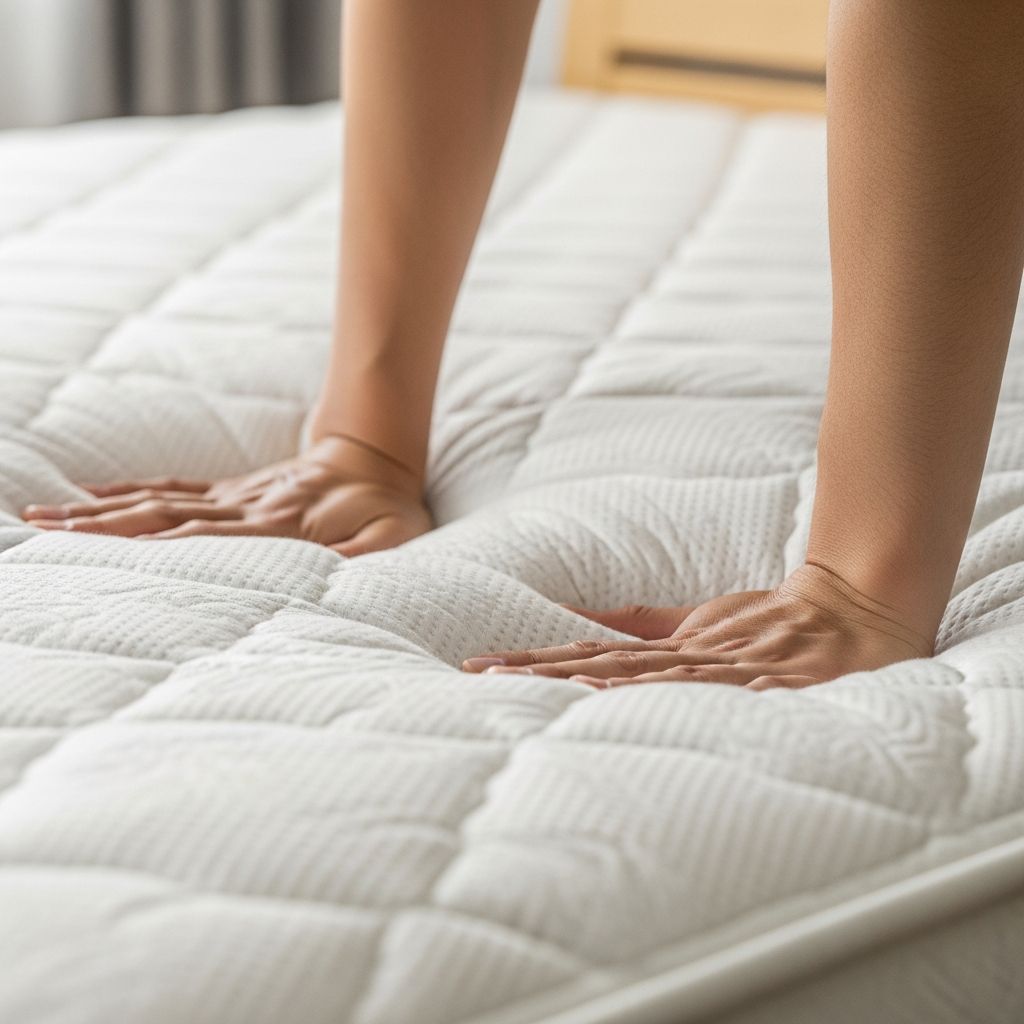
A supportive sleep surface is essential for spinal alignment, pain prevention, and restorative rest. When your mattress feels too plush or begins to sag, simple adjustments can restore its firmness without the expense of replacement. This guide explores twelve reliable strategies, drawing from practical DIY approaches and material science principles to help you achieve optimal bed support.
Understanding Mattress Firmness and Its Impact
Mattress firmness refers to the level of resistance a sleep surface provides against body weight, typically measured on a scale from 1 (softest) to 10 (firmest). Firmer mattresses, rated 7-9, suit back and stomach sleepers by maintaining neutral spine position, while softer ones cradle side sleepers. Over time, foam compression, spring fatigue, or inadequate foundation support leads to sagging, disrupting sleep cycles and causing discomfort.
Restoring firmness improves pressure relief distribution, reduces motion transfer in shared beds, and extends mattress lifespan. Before modifications, assess your needs: body weight over 200 lbs often requires firmer setups, per sleep research guidelines.
Top Solutions for Immediate Firmness Boost
1. Layer On a High-Density Mattress Topper
The most accessible upgrade involves placing a 2-4 inch thick topper directly atop your existing mattress. Opt for natural latex or high-density polyfoam models rated firm (ILD 30+ for latex), which resist compression better than memory foam. Latex offers bounce and breathability, ideal for hot sleepers, while polyfoam provides affordable, durable support.
Installation is straightforward: unroll, let expand for 24-48 hours if compressed, position evenly, and secure under fitted sheets. Users report 1-2 firmness point increases instantly, with longevity up to 10 years for quality pieces costing $100-300.
2. Install a Solid Plywood Base Layer
For sagging innerspring or foam beds, slide a 3/4-inch thick plywood sheet between the mattress and frame. Trim to 1-2 inches undersized for handling, sand edges smooth, and center it precisely. This creates a rigid platform, eliminating gaps that allow sinking.
Plywood excels on slatted or worn box springs, costing under $50 for queen sizes. It distributes weight evenly, mimicking a solid platform bed, though ventilation holes (drilled every 6 inches) prevent mold in humid climates.
3. Deploy a Purpose-Built Bunkie Board
Similar to plywood but engineered for beds, bunkie boards (1-3 inches thick) feature vented wood or metal frames for airflow. They bridge wide slats or replace failing box springs, providing uniform support without height buildup.
Available in all sizes ($50-150), these slip under any mattress type, firming hybrids and foams effectively. Pair with latex toppers for hybrid firmness.
Foundation and Frame Optimizations
4. Upgrade to Closely Spaced Slats
Slat spacing exceeding 3 inches permits mattress droop; replace with hardwood slats spaced 2-3 inches apart. Add center supports for king/cal-king frames to prevent middle sag.
This $20-60 fix revitalizes platform beds, ensuring coils or foam layers remain elevated. Hardwoods like oak outlast pine, maintaining rigidity over years.
5. Ditch the Frame: Floor Placement
Remove bed frames entirely and position your mattress directly on a clean, flat floor. This unyielding surface prevents edge roll-off and central dipping, akin to Japanese floor bedding traditions.
Ideal for apartments or minimalists, it adds no height but demands under-bed storage solutions and regular vacuuming to deter dust mites. Test for 30 days; many find it transformative for lumbar support.
6. Reinforce or Replace Box Springs
Aged box springs compress unevenly; inspect for broken slats or wood rot. Tighten connectors or swap for low-profile foundations designed for modern mattresses.
Steel-reinforced units under $200 offer firmer bounce than traditional springs, compatible with foam and hybrid models.
Maintenance Rituals for Sustained Firmness
7. Regular Rotation and Flipping
Bi-annual rotation (head-to-foot) and flipping (for dual-sided models) redistribute wear. Consult tags: avoid flipping pillow-tops or all-foam.
This evens compression, restoring up to 20% firmness per cycle. Mark calendars for March/September maintenance.
8. Temperature Control for Foam Beds
Memory foam softens above 70°F; cool rooms to 60-67°F via AC, fans, or breathable linens. Firmer in cold, it regains structure overnight.
Program thermostats for sleep schedules; combine with gel-infused toppers for persistent cooling.
9. Tension Your Bedding Drum-Tight
Taut sheets create downward pressure, enhancing perceived firmness via a ‘drum skin’ effect. Use deep-pocket fitted sheets matching total height (mattress + topper), hospital corners, and suspenders for grip.
This no-cost tweak amplifies other methods, smoothing minor lumps.
Advanced Adjustments and Long-Term Strategies
10. Redistribute Fillings in Adjustable Models
For zippered hybrids, unzip and fluff shifted fibers or reposition pocketed coils. Vacuum debris, then reseal firmly.
Such DIY redistribution revives sagging centers, though limited to accessible designs.
11. Aerate and Decompress
Prop mattress vertically against a wall for 4-6 hours weekly, allowing foams to rebound from body impressions.
In dry, airy spaces, this reverses temporary softening from heat/humidity.
12. Evaluate Warranty and Upgrade Options
Check for sagging guarantees (often 1-inch allowances); document with photos for claims. If over 7-10 years old, invest in firm eco-mattresses like organic latex.
Sleep trials (100+ nights) mitigate risk.
Comparing Firmness Solutions
| Method | Cost | Firmness Gain | Best For | Durability |
|---|---|---|---|---|
| Mattress Topper | $100-300 | High | All types | 5-10 yrs |
| Plywood/Bunkie | $30-150 | Very High | Innerspring/Foam | 10+ yrs |
| Floor Placement | $0 | Medium-High | Any low-profile | Indefinite |
| Slat Upgrades | $20-60 | Medium | Slatted frames | 5-15 yrs |
| Rotation/Flip | $0 | Low-Medium | Dual-sided | Ongoing |
Frequently Asked Questions
Can I make any mattress firmer?
Yes, most respond to toppers or bases; one-sided foams limit flipping.
How long do firmness fixes last?
Toppers endure 5-10 years; foundations indefinitely with care.
Will a firmer mattress help back pain?
Often yes, by promoting alignment; consult physicians for chronic issues.
What’s the best topper material?
Latex for bounce/durability; polyfoam for budget support.
Do bunkie boards work on all frames?
Best on slats/box springs; verify weight capacity.
Quick Start Checklist
- Assess current firmness and sleep position.
- Try free fixes: rotate, aerate, tighten sheets.
- Add topper or board for instant results.
- Upgrade foundation if sagging persists.
- Monitor for 2 weeks; adjust as needed.
Implement these steps progressively for customized firmness. Consistent application yields deeper sleep and fewer aches.
References
- 16 Easy Ways to Make a Soft Mattress Firmer — TheRoundup.org. 2023. https://theroundup.org/make-a-soft-mattress-firmer/
- How To Make a Mattress Firmer [13 Tips + Tricks] — Purple.com. 2023. https://purple.com/blog/mattress-firmer
- You will save 3 times IF YOU MAKE THE MATTRESS WITH YOUR … — YouTube (Sleep DIY Channel). 2022-10-15. https://www.youtube.com/watch?v=m6Z6lPTIz6k
- How To Make Your Mattress Firmer – Our Top 5 Tips! — YouTube (Sleepopolis). 2023. https://www.youtube.com/watch?v=sZgBaoKqsK8
Similar Articles






Read full bio of medha deb