Fiskars Pruners: A Practical Guide for Everyday Gardeners
How to choose, use, and care for Fiskars pruners for healthier plants and easier yardwork.
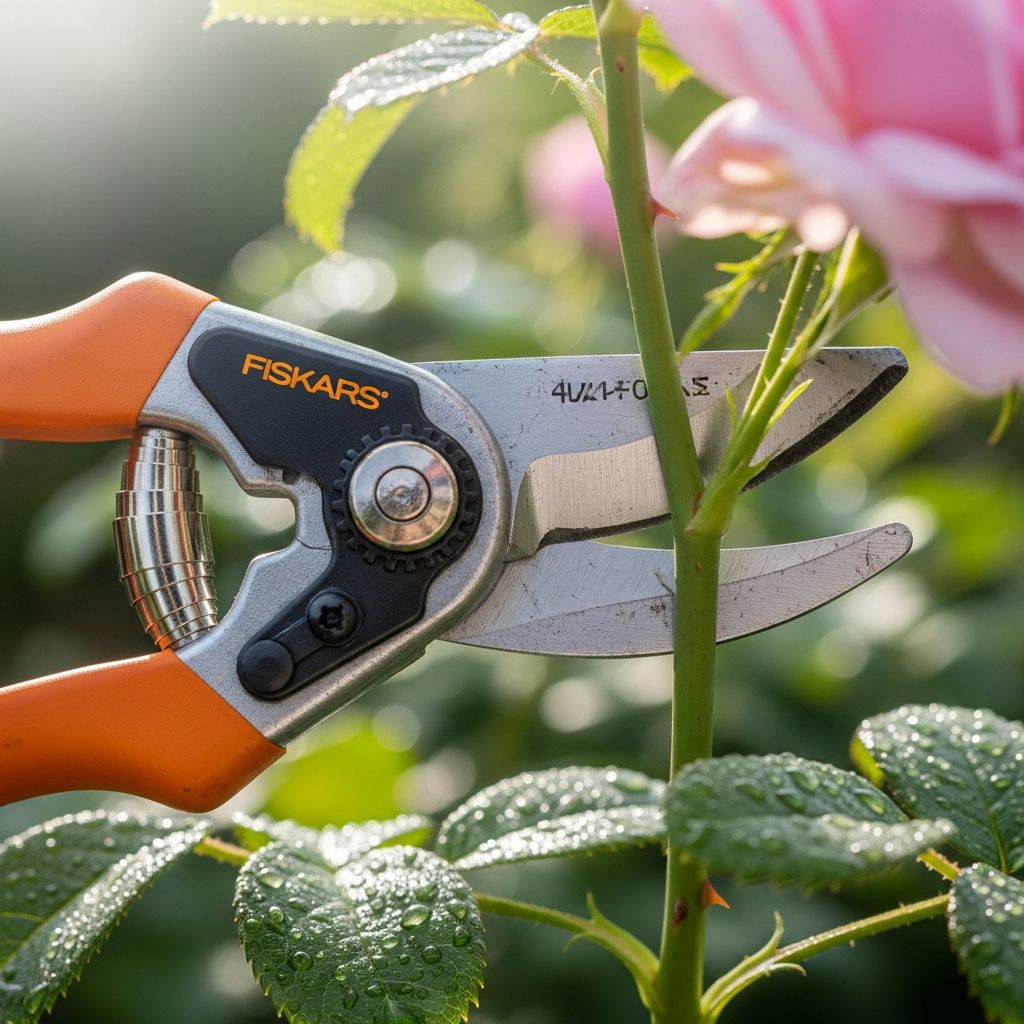
Fiskars has become a familiar name in backyard tool sheds, especially when it comes to pruning shears that promise sharp cuts and user-friendly design at a reasonable price. This guide walks through what these pruners do well, where they have limits, and how to get the most value from them in a home garden.
Why Pruners Matter More Than You Think
Good hand pruners are among the most important tools in any garden because every clean cut directly affects how well plants recover and grow. A sharp, well-designed pruner reduces crushing, tearing, and disease entry points, while also protecting your hands from strain over long pruning sessions.
Because many home landscapes mix flowers, shrubs, and small trees, a versatile pair of pruners can handle most everyday trimming tasks without constantly swapping tools. For this reason, models like Fiskars bypass pruners that aim to cover a wide range of cutting jobs tend to be especially attractive to casual gardeners.
Key Design Features of Fiskars Pruners
Although Fiskars produces several different models, many share a set of core design choices intended to balance cutting performance, durability, and comfort. Understanding these features makes it easier to decide which model fits your style of gardening and the types of plants you maintain most often.
- Bypass cutting action: Two blades slide past each other like scissors, allowing cleaner cuts on live, green wood and minimizing tissue damage.
- Hardened steel blades: Factory-hardened steel is typically used to help the edge resist dulling when cutting small branches, stems, and woody growth.
- Low-friction coatings: Smooth, non-stick coatings on the blades are designed to reduce resistance and help sap shed from the cutting surface instead of gumming up the tool.
- Ergonomic handles: Contoured grips, sometimes with soft overlays or rotating segments, are intended to reduce pressure points during repetitive cutting.
- Simple locking mechanisms: Thumb-operated locks allow the pruners to be closed securely for storage and safety, while still being quick to unlock with one hand.
These elements aim to make pruning accessible to a wide range of gardeners, from beginners trimming their first rose shrub to experienced yard-care enthusiasts tackling seasonal clean-ups.
Strengths of Fiskars Pruners for Home Use
Fiskars pruners are designed primarily for general residential use rather than for heavy commercial landscaping, and that focus shows in several practical strengths. The tools emphasize ease of use and affordability, which can be more important than maximum cutting capacity for many homeowners.
- Budget-friendly price point: Many Fiskars pruners cost significantly less than premium professional brands, making it easier for new gardeners to upgrade from low-quality no-name tools.
- Lightweight feel: Lower overall weight reduces fatigue in the wrist and forearm, which is especially helpful during long deadheading or shrub-trimming sessions.
- Versatile everyday cutting: Typical models handle light pruning tasks such as cutting spent flowers, removing thin branches, and tidying perennials.
- Clean cuts on smaller branches: When used within their intended diameter range, the blades can produce crisp cuts that help plants heal efficiently.
For many small yards and ornamental beds, these advantages often matter more than the ability to slice through very thick limbs that would be better handled by loppers or a pruning saw anyway.
Where Fiskars Pruners Reach Their Limits
Like any mid-priced garden tool, Fiskars pruners have boundaries that become obvious when they are pushed beyond their intended workload. Recognizing these limits helps prevent frustration and extends the life of the tool.
- Maximum branch diameter: Most standard bypass models are comfortable up to roughly the thickness of a standard garden hose, and cutting much thicker hardwood branches can require excessive force.
- Durability vs. premium tools: While the construction is generally solid for the price, long-term, heavy-duty professional use may expose more wear and play in the pivot than top-tier specialist brands.
- Comfort for very large or very small hands: Gardeners with particularly small or large hands may find that some models open either too wide or not wide enough, depending on the specific handle geometry.
- Complexity of geared and rolling-handle designs: Pruners that use special gearing or rotating handles to multiply power can feel unfamiliar at first and may not suit every user’s grip style.
Understanding that these pruners are made mainly for light to moderate pruning helps gardeners pair them with the right companion tools instead of forcing them into tasks they were never meant to handle.
Types of Fiskars Pruners and Ideal Uses
Within the Fiskars lineup, there are several pruner configurations that target slightly different roles in the garden. Choosing the right style means matching the tool to the type of wood you cut most often and the condition of your hands and wrists.
| Pruner Type | Typical Features | Best For | Things to Watch |
|---|---|---|---|
| Standard bypass pruners | Simple blade pair, straight handles | Flowers, perennials, shrubs, thin woody branches | Not suitable for very thick or dead hardwood |
| Geared or power-assist bypass pruners | Gear or cam near the pivot, sometimes rolling handle | Gardeners seeking extra leverage on medium-thickness stems | Mechanism can feel stiff or awkward until technique improves |
| Compact or small-hand pruners | Shorter handles, reduced opening span | Users with smaller hands, balcony or container gardens | Limited cutting diameter compared to full-sized models |
| Ratchet or specialty models | Step-by-step cutting action, unique locking or handle shapes | Those who need to cut slowly with minimal grip strength | Slower work pace; more moving parts to keep clean |
Most home gardeners will be well served by a standard bypass model for everyday trimming, adding a geared or ratcheting option only if they frequently deal with slightly thicker branches or have limited hand strength.
How to Match a Fiskars Pruner to Your Garden
The best pruner for one gardener can be an awkward choice for another, so it helps to think about your typical tasks rather than shopping purely by brand or appearance. A quick checklist can narrow options down to a model that feels natural and useful right away.
- Evaluate the plants you prune most: If you mainly deadhead flowers and trim herbs, a smaller, lighter pruner is ideal; mixed shrubs and small tree branches call for a full-size bypass model.
- Consider hand size and grip strength: Try to gauge whether a wide-opening pruner will be comfortable; gardeners with smaller hands usually appreciate models with adjustable handle spans or compact versions.
- Decide on simplicity versus technology: Some users prefer the straightforward feel of classic pruners, while others appreciate geared or rolling-handle designs that promise mechanical advantage.
- Think about maintenance habits: If you tend to be rough on tools or forget maintenance, look for sturdy, basic designs with minimal moving parts to keep clean.
Answering these questions before buying helps ensure that the pruner you select becomes a tool you reach for regularly, instead of another gadget that stays in a drawer.
Everyday Tasks Fiskars Pruners Handle Well
Within their comfort zone, Fiskars pruners can make everyday yardwork faster and neater, improving both plant health and the overall look of beds and borders. The key is choosing tasks that fall within the tool’s intended cutting range.
- Deadheading spent blooms: Snipping spent flowers from roses, annuals, and perennials encourages new blooms and keeps beds looking fresh.
- Trimming herbs and soft stems: Basil, mint, and similar plants benefit from clean cuts that minimize crushing and reduce risk of rotting at the cut surface.
- Shaping shrubs and small hedges: Light thinning of outer branches and small water sprouts is easy and quick with sharp bypass blades.
- Removing crossing or damaged branches: Thin problem shoots within young trees or shrubs can be selectively removed to improve structure without heavy equipment.
- Harvesting vegetables and fruit: Cutting peppers, tomatoes, and small fruiting stems helps avoid tugging or tearing that can stress the plant.
When used in this way, a single pair of pruners can handle a surprising portion of routine garden care, reducing the need to haul multiple tools around the yard.
When to Reach for a Different Tool
One of the most common mistakes gardeners make is forcing hand pruners through branches that are simply too thick or too hard. Doing so risks dulling the blades, loosening the pivot, and straining wrists and fingers unnecessarily.
- Use loppers for thick limbs: Once branches approach the upper limit of the pruner’s rated capacity, long-handled loppers with greater leverage are much safer and more comfortable.
- Grab a pruning saw for hard, dead wood: Old, dry branches are more resistant and can chip blade edges; a small folding saw is better suited for those cuts.
- Switch tools for ground-level cuts: Roots and low stems near soil often harbor grit that can damage pruner blades, so a digging tool or saw may be wiser.
- Use hedge shears for mass shaping: For evenly clipping long hedges or boxwood outlines, hedge shears are faster and create more uniform results than single cuts with pruners.
Knowing when to stop and pick up a more appropriate tool not only protects your pruners; it also protects your hands and ensures cleaner, safer cuts for the plants.
Basic Care to Keep Fiskars Pruners Working Longer
Even mid-priced pruners can last for many gardening seasons if they receive a bit of regular attention. Simple maintenance tasks prevent rust, maintain smooth cutting action, and protect plants from disease transfer.
- Clean after each use: Wipe sap, soil, and plant debris from the blades with a cloth; for stubborn residue, a bit of soapy water or a mild solvent can help, followed by thorough drying.
- Disinfect between diseased plants: When pruning plants with visible disease or rot, briefly swab blades with a disinfecting solution to reduce the chance of spreading problems to healthy specimens.
- Lubricate the pivot: A drop of light oil at the joint keeps opening and closing smooth and helps resist rust in humid or wet conditions.
- Sharpen periodically: Use a small sharpening stone or purpose-made sharpener to refresh the beveled cutting edge, always maintaining the existing angle.
- Store dry and closed: Keeping pruners locked shut and stored in a dry place or holster reduces accidents and slows corrosion.
These tasks take only a few minutes but can dramatically improve how the tool feels in the hand and how cleanly it slices through stems year after year.
Comfort and Ergonomics: What to Expect
Comfort is one of the main reasons home gardeners switch from cheap, generic shears to a more thoughtfully designed pair of pruners. While not perfect for every hand, most Fiskars models attempt to provide enough cushioning and grip shape to keep fatigue manageable.
- Handle shape: Contours along the handle aim to balance the tool in the palm, but individual preferences vary, so some users may still feel pressure points after long sessions.
- Handle span: The distance between handles at full opening is important; gardeners with smaller hands may appreciate adjustable or compact options to avoid overstretching.
- Spring tension: The spring that reopens the blades after each cut should feel firm but not stiff; if fatigue builds quickly, the tension might be higher than ideal for your grip strength.
- Weight distribution: Lightweight construction helps, but if most of the weight sits near the blade end, some users may feel more strain in the wrist when cutting repeatedly overhead.
If possible, testing a pruner in person or carefully reviewing the dimensions and handle style before buying online can help avoid discomfort later.
Frequently Asked Questions About Fiskars Pruners
Are Fiskars pruners suitable for beginners?
Yes, most Fiskars pruners are designed with casual gardeners in mind and are forgiving tools for those still learning proper pruning techniques. Their combination of reasonable price, straightforward mechanisms, and decent performance on small to medium branches makes them a low-risk first upgrade from basic hardware-store shears.
Can one pair of pruners handle my entire yard?
A single pair of bypass pruners can handle a surprisingly wide range of tasks, including deadheading, light shrub trimming, and many small branch cuts. However, for thicker limbs, high branches, or extensive hedge work, it is still wise to supplement them with loppers, saws, or hedge shears so you do not overwork your pruners or your hands.
How often should I sharpen the blades?
The ideal sharpening interval depends on how heavily and on what materials you use the pruners. Many home gardeners find that touching up the edge a few times per season, or whenever cuts start to feel harder and more ragged, is enough to keep performance smooth and clean.
Why do the blades sometimes stick together?
Sticky blades usually come from plant sap, resin, or microscopic debris building up on the cutting surfaces and around the pivot. Regular cleaning and a bit of lubricant help prevent this, and low-friction coatings on many Fiskars blades are specifically meant to reduce sap adhesion, though they still require occasional maintenance.
What is the safest way to carry pruners around the garden?
The safest approach is to engage the locking mechanism so the blades stay closed and then place the tool in a belt holster or dedicated pocket in a garden bag. Carrying pruners loosely in a regular pocket, or with the blades open, risks cuts to both the user and anything else sharing the same space.
Final Thoughts: Making the Most of Fiskars Pruners
Fiskars pruners occupy a practical middle ground between flimsy bargain tools and heavy professional gear, which makes them a strong fit for many home gardeners. When paired with the right tasks, treated with basic care, and backed up by appropriate companion tools for thick or demanding cuts, they can provide years of reliable service and noticeably cleaner, healthier pruning results in the garden.
Similar Articles





Read full bio of medha deb