Fix Bathtub Drain Stuck Closed: Complete Guide
Discover proven DIY methods to repair a bathtub drain that refuses to stay open, from simple tweaks to advanced fixes for lasting results.
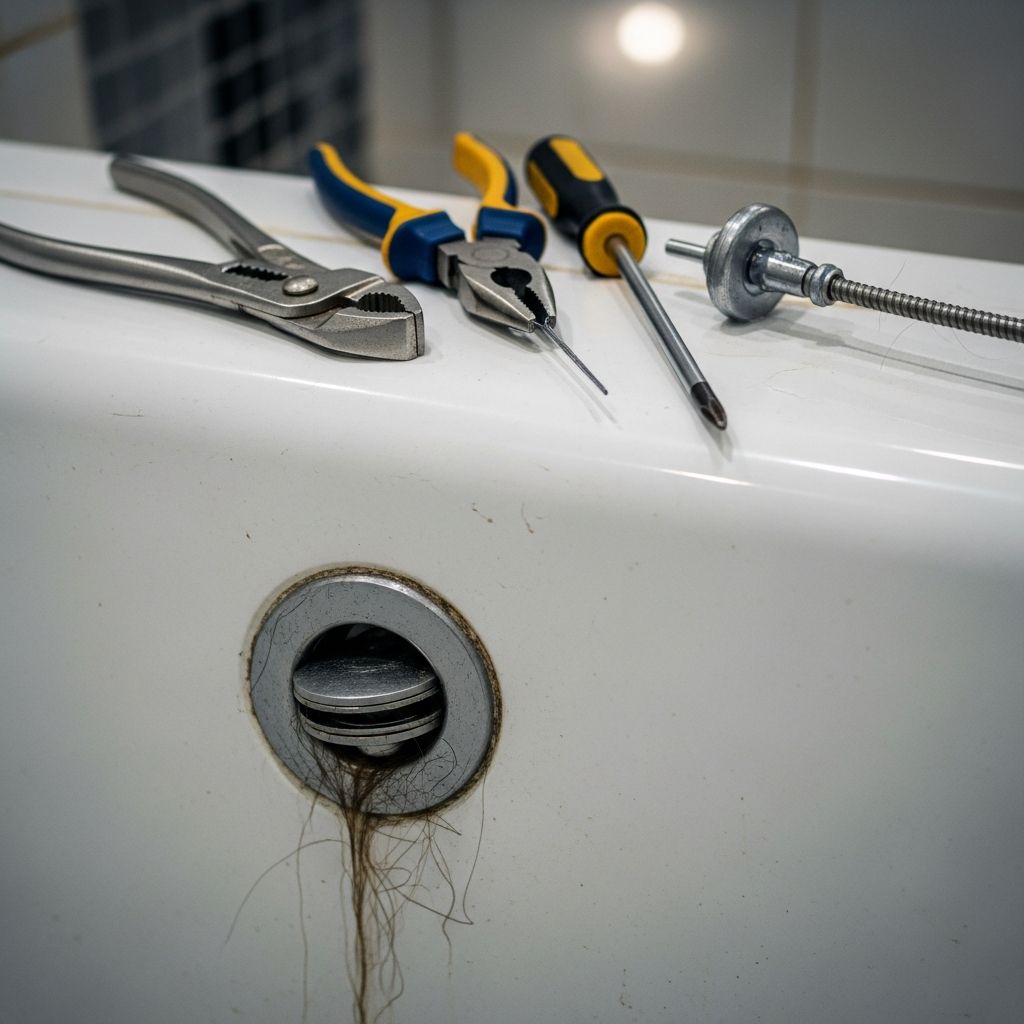
A bathtub drain that refuses to remain open disrupts your daily routine, leaving standing water and frustration in its wake. This issue often stems from a faulty stopper mechanism, accumulated debris, or mechanical wear. With the right approach, most homeowners can diagnose and resolve it without professional intervention. This guide provides detailed, safe DIY strategies to identify the problem, apply targeted fixes, and implement long-term prevention.
Understanding Why Your Bathtub Drain Stays Closed
Bathtub drains typically feature a stopper—either a pop-up assembly linked to a lever or a lift-and-turn design—that controls water flow. When it fails to stay elevated, water pools instead of draining efficiently. Common culprits include hair, soap residue, and mineral buildup jamming the mechanism; corroded or broken linkages preventing proper lift; or sediment clogging the pivot rod or clevis. Identifying the stopper type is crucial: inspect the overflow plate near the tub rim for a lever (indicating pop-up) or check if the stopper twists to lift (lift-and-turn).
Slow drainage often signals partial blockages deeper in the pipe, exacerbating the issue. Regular use exposes drains to organic matter like skin cells and body oils, which solidify over time. Environmental factors, such as hard water, contribute mineral deposits that bind debris. Early detection through signs like gurgling or residual moisture post-bath prevents escalation to full overflows.
Essential Tools and Safety Precautions Before Starting
Gather these items for effective repairs: adjustable pliers, screwdrivers (flathead and Phillips), bucket for water catch, gloves, flashlight, wire hanger or zip-it tool, drain snake or auger, baking soda, white vinegar, and petroleum jelly for lubrication. For deeper clogs, a manual drain auger reaches up to 25 feet.
Prioritize safety: wear rubber gloves and eye protection to shield against bacteria and splashes. Ensure good ventilation, especially with natural cleaners. Lay towels around the tub to contain messes, and test hot water temperatures to avoid burns. If dealing with chemical alternatives (last resort), follow labels strictly and never mix products.
- Tool Checklist:
- Adjustable pliers and screwdrivers for disassembly
- Bucket and towels for water management
- Protective gear: gloves, goggles
- Cleaning agents: baking soda (1 cup), vinegar (1 cup)
- Mechanical tools: zip-it snake, manual auger
Step-by-Step Fixes for Pop-Up Drain Stoppers
Pop-up stoppers, operated by an overflow lever, are the most common in modern tubs. Begin with basic troubleshooting.
Initial Adjustment and Cleaning
- Clear standing water: Bail out excess with a cup into your bucket.
- Lift the stopper: Pull it up fully and inspect for visible debris. Twist or rock gently to dislodge surface gunk.
- Access the linkage: Remove the overflow plate screws (usually two) with a screwdriver. Pull out the horizontal pivot rod and vertical lift rod assembly.
- Clean components: Rinse rods under hot water, scrubbing with an old toothbrush dipped in vinegar to dissolve corrosion.
Reinsert the assembly, ensuring the pivot ball slips into the drain’s side hole. Adjust the nut on the pivot rod for tension—tighten for firmer lift, loosen if too stiff. Test by toggling the lever; the stopper should rise freely and seal when down.
Addressing Bent or Broken Linkages
If rods are bent, straighten with pliers or replace with universal kits available at hardware stores (under $10). For clevis bar misalignment, loosen the retaining clip and reposition for vertical alignment. Lubricate o-rings and moving parts with plumber’s grease to reduce friction.
Solutions for Lift-and-Turn or Twist Stoppers
These lack external levers, relying on internal threading. To fix:
- Lift and unscrew: Turn counterclockwise while lifting; it may resist due to buildup.
- Soak in vinegar: Submerge in a vinegar solution for 30 minutes to loosen minerals.
- Clean the tailpiece: Use a zip-it tool to pull hair from the crossbar inside.
- Reinstall with lubrication: Apply silicone grease to threads for smooth operation.
If threads are stripped, replacement stoppers match standard 1.5-inch tub drains. Installation takes under 15 minutes.
Clearing Clogs That Prevent Proper Operation
Often, debris impedes mechanical function. Start non-invasively.
Natural Cleaning Methods
Baking Soda and Vinegar: Pour 1/2 cup baking soda, followed by 1/2 cup vinegar. Cover with a wet rag; fizzing breaks down organics. Wait 30 minutes, then flush with boiling water (metal pipes only).
Plunging Technique: Fill tub with 2-3 inches water. Seal overflow with a damp cloth. Plunge 15-20 times vigorously, breaking seal on last upstroke. Repeat until flow improves.
Mechanical Removal
Zip-It Tool or Wire Hanger: Fashion a hook from a hanger, insert, and pull out hair clumps. Ideal for surface-level blockages.
Drain Auger Use: Insert cable into drain, crank clockwise upon resistance. Work back and forth, then retract while flushing hot water.
| Method | Best For | Time Required | Effectiveness |
|---|---|---|---|
| Baking Soda/Vinegar | Soap scum, light clogs | 30-45 min | High for organics |
| Plunger | Shallow blockages | 5-10 min | Medium |
| Zip-It/Wire | Hair/debris | 10 min | Very High |
| Auger/Snake | Deep clogs | 20-30 min | Excellent |
Advanced Troubleshooting and When to Call a Pro
If DIY fails, issues may involve P-trap clogs or vent problems. Unscrew the P-trap under the tub (have a bucket ready), clean, and reassemble. Persistent failures suggest pipe corrosion or main line issues requiring video inspection.
Seek professionals for: recurring clogs post-cleaning, foul odors indicating sewer gas, or visible pipe damage. Costs range $150-400, but prevent water damage.
Proven Prevention Strategies for Hassle-Free Drains
- Install hair catchers: Mesh screens trap 90% of hair; empty weekly.
- Monthly maintenance: Baking soda/vinegar flush keeps pipes clear.
- Avoid disposables: No grease, wipes, or oils down the drain.
- Water softener use: Reduces mineral buildup in hard water areas.
Schedule quarterly deep cleans with an auger for high-use households.
Frequently Asked Questions (FAQs)
Why does my bathtub drain stopper not stay up?
Typically due to debris jamming the linkage, worn o-rings, or improper tension on the pivot rod. Cleaning and adjustment resolve 80% of cases.
Can I use Drano on a stuck bathtub drain?
Avoid harsh chemicals initially; they damage pipes and rarely fix mechanical issues. Opt for natural methods first.
How often should I clean my tub drain?
Monthly for prevention, immediately upon slow drainage. Regular hair catcher use extends intervals.
Is boiling water safe for all pipes?
No—safe for metal (cast iron/copper), but PVC warps above 140°F. Use hot tap water instead.
What if the drain works intermittently?
Indicates partial clog or loose linkage. Plunge and lubricate; monitor for full failure.
References
- Bathtub Drain Cleaning: Ultimate Guide 2025 — Cloud Comfort HVAC. 2025. https://cloudcomforthvac.com/blog/bathtub-drain-cleaning
- How to Clean Your Bathtub Drain — Mr. Rooter Plumbing. 2023-08-01. https://www.mrrooter.com/wilmington-nc/about-us/blog/2023/august/how-to-clean-bathtub-drains/
- How to Fix a Slow Draining Bathtub — Oatey. N/A. https://www.oatey.com/faqs-blog-videos-case-studies/blog/how-fix-slow-draining-bathtub
- How to Clear a Clogged Bathtub Drain — This Old House (YouTube). N/A. https://www.youtube.com/watch?v=JWZklniOo_4
- Bathtub Drain System Guide (2026) — HOROW. 2026. https://horow.com/blogs/guide/bathtub-drain-system-guide-tips-to-make-water-flow-fast-and-easy
- How to Snake a Bathtub Drain — Aquatic USA. N/A. https://www.aquaticausa.com/blog/how-to-snake-a-bathtub-drain
- Do-It-Yourself Monthly Drain Maintenance — Nick’s Plumbing. N/A. https://www.nicksplumbing.com/do-it-yourself-drain-maintenance/
Similar Articles







Read full bio of Sneha Tete