Fix Leaky Handheld Showerhead: Complete Guide
Master DIY fixes for handheld showerhead leaks, clogs, and low pressure with proven steps and pro tips for lasting results.
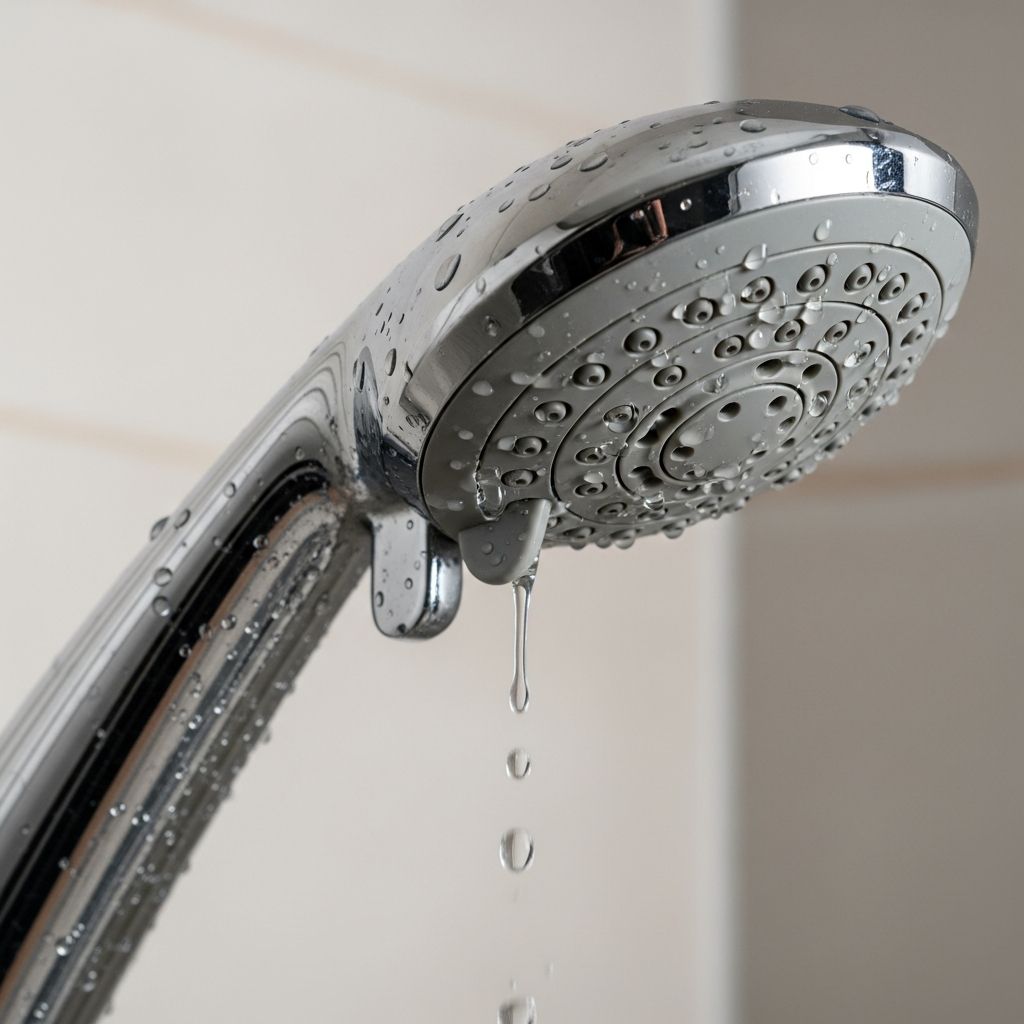
Handheld showerheads offer flexibility and convenience in daily routines, but leaks, low pressure, and stuck mechanisms can quickly turn them into frustrating fixtures. Common culprits include mineral buildup from hard water, worn rubber seals, loose connections, and clogged nozzles. Addressing these issues promptly prevents water waste, preserves water pressure, and extends the lifespan of your shower hardware. This guide provides detailed, step-by-step solutions drawn from proven plumbing practices, empowering you to restore functionality without professional help.
Understanding Common Handheld Showerhead Problems
Before diving into repairs, identify the root cause of your showerhead issue. Leaks often stem from deteriorated O-rings or insufficient thread sealing, while diminished flow results from calcium deposits blocking spray holes. Adjustment difficulties arise when debris jams pivoting joints. Regular maintenance, such as monthly vinegar soaks, can mitigate these problems.
Signs Your Handheld Showerhead Needs Attention
- Dripping water from the connection to the hose or arm.
- Weak spray despite full water pressure elsewhere.
- Spray pattern that’s uneven or sprays sideways.
- Difficulty swiveling the head or selecting modes.
- Visible corrosion or mineral crust on nozzles.
Essential Tools and Supplies for Repairs
Gathering the right items upfront ensures a smooth process. Most are inexpensive and available at hardware stores.
| Item | Purpose | Notes |
|---|---|---|
| Adjustable wrench | Loosening/tightening fittings | Pad with cloth to avoid scratches |
| Plumber’s tape (Teflon) | Sealing threads | White PTFE variety for water lines |
| White vinegar | Dissolving mineral deposits | Or commercial descaler |
| Replacement O-rings/washers | Restoring seals | Match size to your model |
| Screwdriver set | Accessing internals | Flathead and Phillips |
| Clean cloths or microfiber towels | Drying and cleaning | Avoid paper towels for threads |
| Silicone lubricant | Smoothing mechanisms | Plumber-approved, non-toxic |
| Bucket or plastic bag | Soaking solution | For mess-free descaling |
Safety Precautions Before Starting
Always turn off the water supply valve, typically behind an access panel or under the sink. Test by running the faucet to confirm no flow. Wear gloves to protect against sharp edges or chemicals. Work in a well-ventilated area if using descalers. Avoid over-tightening fittings, which can strip threads or crack plastic components.
Step-by-Step Fix for Leaking Connections
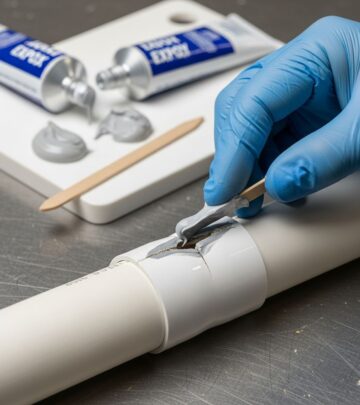
Most handheld showerhead leaks occur at the hose junction due to loose threads or degraded seals. This repair takes under 15 minutes.
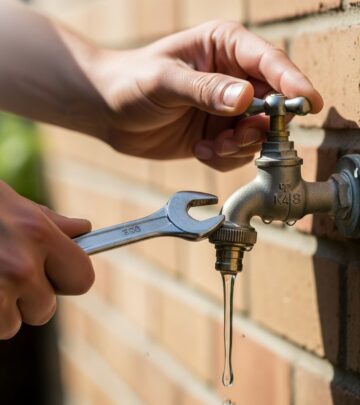
- Shut off water and detach: Close the supply valve. Unscrew the showerhead counterclockwise with a wrench wrapped in cloth for grip and protection.
- Inspect components: Examine the O-ring or rubber washer inside the showerhead inlet. Look for cracks, flattening, or debris. Clean threads with a cloth.
- Replace seal if needed: Pull out the old O-ring with a screwdriver tip. Install a new one, lightly lubricating with silicone spray.
- Apply plumber’s tape: Wrap threads clockwise 3-5 times, pressing smooth. Avoid overlapping ends.
- Reassemble: Screw on hand-tight, then quarter-turn with wrench. Restore water and test for drips.
If leaks persist, check the hose-to-wall arm connection similarly. Persistent issues may indicate a faulty diverter valve upstream.
Restoring Water Pressure and Spray Performance
Hard water minerals clog nozzles, reducing flow to a trickle. This fix revitalizes pressure effectively.
- Detach the showerhead as above.
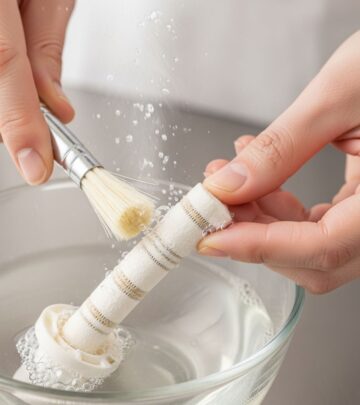
- Fill a bucket with equal parts white vinegar and warm water. Submerge the head for 1-2 hours (overnight for heavy buildup).
- Scrub nozzles with an old toothbrush. Poke stubborn holes with a pin or needle.
- Rinse thoroughly under running water. Flex rubber nozzles if present to clear debris.
- Reattach with fresh tape. Optional: Remove flow restrictor (small plastic disc inside inlet) for higher pressure, but note potential water waste.
Post-cleaning, expect 20-50% improved flow. Repeat quarterly in hard water areas.
Repairing Stuck or Stiff Spray Adjustment
Pivoting ball joints seize from soap scum and minerals, limiting mode selection.
- Remove showerhead and soak in vinegar solution to loosen gunk.
- Disassemble if possible: Unscrew retaining nut on ball joint with wrench.
- Clean pivot area with brush, removing residue. Rinse well.
- Apply silicone lubricant sparingly to joint surfaces.
- Reassemble loosely for adjustment, then snug nut. Test swivel and modes.
For non-disassemblable units, vinegar soak plus lubricant often suffices without full teardown.
Addressing Hose and Mount Issues
Kinked hoses or loose wall mounts exacerbate leaks and instability.
- Straighten or replace kinked hoses (universal 5-6 ft lengths fit most).
- For loose mounts: Unscrew from arm, clean threads, apply tape and washer, reinstall firmly.
- Upgrade to brass mounts for durability over plastic.
Advanced Troubleshooting: When DIY Isn’t Enough
If repairs fail, inspect for:
- Corroded shower arm: Replace by unscrewing from wall elbow (may need plumber for soldered pipes).
- Faulty diverter: Requires valve access; call professional.
- Low home pressure: Test other fixtures; may need pressure regulator adjustment.
Consult manufacturer manuals for model-specific quirks. Annual full inspections prevent escalation.
Preventive Maintenance for Longevity
Prolong your showerhead’s life with these habits:
- Monthly vinegar soaks.
- Wipe dry after use to deter minerals.
- Install water softener if hard water prevalent.
- Hand-tighten only; use wrench sparingly.
- Replace O-rings every 1-2 years.
These steps conserve water, reduce bills, and maintain efficiency.
Comparing Repair vs. Replacement
| Option | Cost | Time | Best For |
|---|---|---|---|
| DIY Repair | $5-20 | 15-60 min | Minor leaks/clogs |
| New Showerhead | $20-80 | 10 min | Heavy damage |
| Pro Service | $100+ | 1-2 hrs | Valve/arm issues |
Repair 80% of issues affordably; replace if over 5 years old for modern low-flow benefits.
Frequently Asked Questions (FAQs)
Why is my handheld showerhead leaking from the handle?
Leaks at the handle usually indicate a worn O-ring or loose threads. Disassemble, replace the seal, and re-tape connections.
Can I remove the flow restrictor permanently?
Yes, but it increases water usage. Check local codes; many areas mandate restrictors for conservation.
How often should I clean my showerhead?
Every 1-3 months, depending on water hardness. Vinegar soaks prevent 90% of clogs proactively.
What if tightening doesn’t stop the leak?
Proceed to O-ring replacement and thread cleaning. Upstream valve issues require plumber evaluation.
Is plumber’s tape necessary with rubber washers?
Often not, as washers provide the seal, but tape adds insurance against drips.
References
- How Can I Fix My Handheld Shower Head? — rbrohant. 2023-05-15. https://www.rbrohant.com/blogs/news/how-can-i-fix-my-hand-held-shower-head
- Handheld Shower Head Replacement — iFixit. 2023-11-20. https://www.ifixit.com/Guide/Handheld+Shower+Head+Replacement/170817
- How to Replace a Shower Head — Mr. Rooter Plumbing. 2024-02-10. https://www.mrrooter.com/about/blog/how-to-replace-a-shower-head/
- How to Fix a Leaky Shower Head: Simple Steps That Actually Work — High Sierra Showerheads. 2023-08-05. https://www.highsierrashowerheads.com/blog/how-to-fix-a-leaky-shower-head/
- How To Replace A Hand Held Shower Head Holder — The Shower Head Store. 2024-01-12. https://www.theshowerheadstore.com/blogs/news/replace-hand-held-shower-head-holder
- How to Fix Common Shower Head Problems — Lowe’s. 2024-06-18. https://www.lowes.com/n/how-to/fix-shower-head-problems
Similar Articles


Read full bio of medha deb