Fix Your Loose Faucet Handle: Complete DIY Guide
Master the art of tightening loose faucet handles with this comprehensive DIY approach
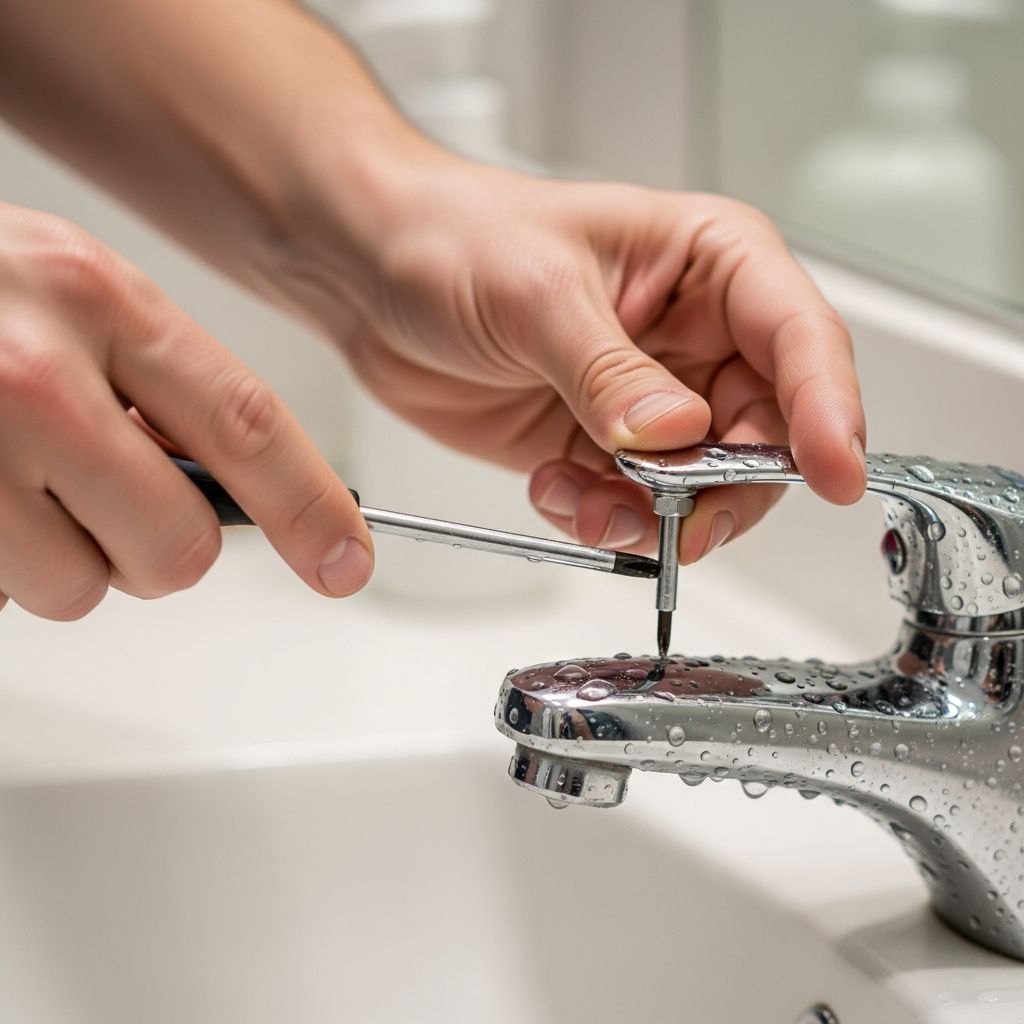
A faucet handle that wiggles or turns freely without controlling water flow can be frustrating and wasteful. What starts as a minor annoyance often escalates into a more serious problem if left unaddressed. The good news is that this common household issue can typically be resolved without hiring a professional plumber, saving you both time and money. Understanding the underlying causes and knowing the proper repair techniques will empower you to tackle this problem confidently.
Understanding Why Faucet Handles Become Loose
Faucet handles loosen gradually due to normal wear and tear from daily use. Every time you turn the handle on and off, you apply torque and pressure to the fastening mechanism. Over time, the set screw that secures the handle to the valve stem can work itself loose. Mineral deposits, corrosion, and temperature fluctuations can also contribute to this problem. Additionally, over-tightening a handle during previous repairs or aggressive use can damage the internal components, making the handle prone to loosening.
The internal mechanism of a faucet is more complex than many homeowners realize. The handle connects to a valve stem or cartridge that controls water flow. When this connection becomes compromised, the handle may spin freely, refuse to turn off properly, or develop excessive play. Addressing this issue promptly prevents further damage to the internal components and helps avoid water leaks that can lead to higher utility bills and potential water damage to your cabinet or walls.
Essential Tools and Materials for the Repair
Before beginning your repair, gather the following items to ensure you have everything you need:
- Allen wrench or hex key set: Most faucets use a hex key to tighten the set screw. Single-handle kitchen faucets typically require a 1/8-inch wrench, while two-handle faucets usually need a 3/32-inch wrench. Having a set ensures you have the correct size.
- Flathead screwdriver: Used to pry off decorative caps or covers that hide the set screw.
- Phillips head screwdriver: Some faucet models use Phillips head screws for components.
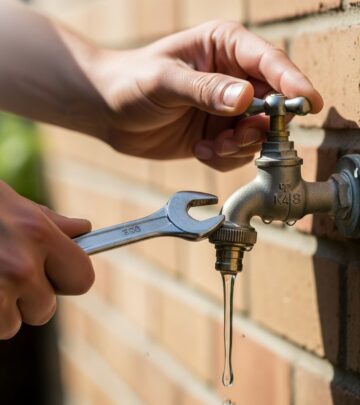
- Adjustable wrench: Helpful for tightening the faucet base if it’s also loose.
- Soft-bristled brush or old toothbrush: Useful for cleaning corroded components and removing mineral deposits.
- Flashlight: Provides better visibility when working under the sink or inside tight spaces.
- Clean cloth or rag: For wiping down components and drying surfaces.
- White vinegar (optional): Effective for dissolving mineral deposits on corroded parts.
- Silicone-based lubricant (optional): Helps restore smooth operation after cleaning.
Having the correct tool size is crucial. Using an incorrect size wrench can strip the set screw, making the problem worse and potentially requiring component replacement. If your faucet came with documentation or original hex keys, this is an ideal time to locate them.
Initial Preparation and Safety Steps
Never begin a faucet repair without properly preparing your work area. Start by turning off the water supply to your faucet. Locate the shut-off valves beneath your sink—typically two separate valves controlling hot and cold water. Turn these valves clockwise until they stop, being careful not to over-torque them as this can damage the valve seats.
Once the water supply is off, open the faucet handle to release any remaining pressure in the lines. This step prevents unexpected water spillage when you remove components. Place a bucket or towel under the sink to catch any residual water that may drip from the faucet or pipes during your repair. Proper preparation prevents water damage to your cabinets and flooring while ensuring your safety and comfort while working.
Step-by-Step Repair Process
Locating and Accessing the Set Screw
The set screw is typically hidden beneath a decorative cap or cover to maintain the faucet’s aesthetic appearance. To access it, use your flathead screwdriver to gently pry off this cap. Work carefully from different angles to avoid damaging the cap—you’ll need to reattach it later. Some caps simply pop off with hand pressure once you’ve created a small gap with your screwdriver.
After removing the cap, you’ll likely see a small screw or hex hole. Some faucet models conceal the set screw behind the handle itself, while others feature it prominently on the side. If you cannot locate a visible set screw, examine the handle from multiple angles and consult your faucet’s documentation if available. For faucets with tension-fit or clip-based designs rather than set screws, you may need to remove the entire handle to access the internal locking mechanism.
Tightening the Set Screw
Insert your hex wrench or appropriate screwdriver into the set screw opening. Turn clockwise in small, controlled increments rather than attempting to tighten it all at once. This methodical approach allows you to feel the resistance and prevents over-tightening, which can strip the screw threads or crack the handle itself. After each quarter-turn, test the handle to see if the looseness has diminished.
The goal is to achieve a snug fit where the handle doesn’t wiggle but still operates smoothly. Over-tightening is a common mistake that can damage the handle stem, strip threads, or make future adjustments difficult. Once the handle feels secure, perform a function test before reassembling any decorative covers. The handle should operate smoothly through its full range of motion without binding or resistance.
Reassembly and Testing
Carefully reinstall the decorative cap or cover over the set screw, ensuring it seats flush with the handle. The cap should snap or press back into place without requiring excessive force. Once reassembled, turn the water supply back on by rotating the shut-off valves counterclockwise. Open the faucet slowly to restore normal water pressure and check for any leaks around the base or handle area.
Test the handle through its complete range of motion, turning it on and off several times to verify that it operates smoothly and feels secure. Pay attention to any unusual sounds, resistance, or lingering looseness. If the handle still wiggles after tightening, you may need to investigate deeper issues such as internal valve damage or a worn cartridge.
Addressing Corroded or Stripped Components
If your handle continues to loosen despite tightening, or if you notice white crusty deposits, rust, or visible damage when you remove the decorative cap, your faucet may have internal corrosion or stripped threads. Hard water deposits and mineral buildup are common culprits in areas with high mineral content in the water supply. To address corrosion, remove the affected components and soak them in white vinegar for 30 minutes to dissolve mineral deposits.
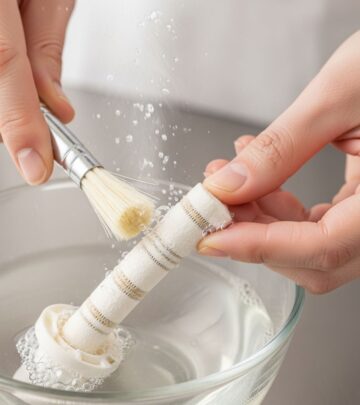
Use your soft-bristled brush to gently scrub away loosened deposits, then rinse thoroughly with clean water and dry completely before reassembly. If the set screw itself is corroded or damaged, it may need replacement. If the threads in the mounting hole are stripped, you may need to replace the cartridge or valve stem assembly. In these cases, it’s advisable to consult your faucet’s parts diagram or contact the manufacturer for specific replacement parts compatible with your model.
When Internal Valve Components Need Attention
Sometimes a loose handle indicates a deeper problem within the faucet’s internal mechanism. The cartridge or valve stem regulates water flow and connects directly to the handle. If these components are worn, cracked, or misaligned, tightening the set screw alone won’t solve the problem. Signs of internal valve issues include the handle slipping out of position, water continuing to flow after the handle is turned off, or unusual grinding sounds when operating the handle.
Inspecting the internal components requires removing the handle completely and examining the valve stem or cartridge assembly. If you notice visible wear, cracks, or stripped threads on the internal components, replacement parts are available from most faucet manufacturers. These cartridges and valve stems are modular components designed for easy replacement without removing the entire faucet. Keep your faucet model number and documentation handy when ordering replacement parts to ensure compatibility.
Long-Term Maintenance to Prevent Future Problems
Regular Inspection Schedule
Establish a routine inspection schedule to catch minor issues before they become major problems. Every three to four months, check your faucet handles for any signs of looseness or unusual movement. A small wobble detected early is far simpler to address than allowing the problem to progress until the handle spins freely or becomes stuck. Regular inspections take only a few minutes but can save you from costly repairs and water damage.
Proper Handling Techniques
The way you operate your faucet daily significantly impacts its longevity. Avoid applying excessive force when turning the handle on or off—use a gentle, controlled grip instead. Never use the faucet handle to support your weight or pull yourself up, and discourage children from playing with or hanging on the faucet. These habits put unnecessary stress on the handle mechanism and the connection points. By treating your faucet with care, you extend its functional lifespan considerably.
Choosing Quality Fixtures
When the time comes to replace a faucet, invest in quality fixtures from reputable manufacturers. Higher-end faucets typically feature more durable materials, better-designed handle mechanisms, and more readily available replacement parts. Quality faucets often come with extended warranties and comprehensive documentation that facilitates repairs. While quality fixtures cost more upfront, they require fewer repairs over their lifespan and provide better value in the long run.
Troubleshooting Common Scenarios
Handle That Continues Loosening Frequently
If you find yourself tightening the same handle repeatedly over a short period, an underlying issue likely exists beyond simple set screw loosening. The handle stem may be wearing prematurely, or the threads may be partially stripped. Try tightening the set screw with slightly more force than your initial attempt, but stop immediately if you feel the wrench begin to slip or bind. If the problem persists after a reasonable tightening effort, the internal components probably need replacement.
Handle That Won’t Tighten or Wobbles After Tightening
When tightening produces no improvement, the set screw hole may be stripped or enlarged. You might try using a slightly larger hex wrench if you can find one that fits, but this is often a temporary solution. Stripped holes may require replacing the cartridge assembly or valve stem. In some cases, a small shim or washer between the handle and the mounting surface can take up excessive play, but this is a workaround rather than a proper repair.
Water Leaking From the Handle Base
Leaks at the base of the handle may indicate a loose connection that tightening the handle set screw won’t address. You may need to tighten the larger collar nut that secures the spout or handle base itself. Use your adjustable wrench to gently tighten this component. Never over-torque this nut, as it can crack the faucet body or crack the sink. If leaks persist after tightening both the handle and base components, internal valve damage or seal failure is likely, requiring professional assistance or cartridge replacement.
When to Call a Professional Plumber
Most loose faucet handle problems are perfectly manageable DIY repairs, but certain situations warrant professional attention. If you cannot locate or access the set screw despite thorough examination, if tightening attempts damage components, or if you discover corrosion or mineral buildup that cannot be cleaned, professional help ensures proper repair. Additionally, if your faucet is still under warranty, professional service may be covered at no cost. Water leaks that persist after tightening or unusual sounds and resistance during operation also indicate internal damage best handled by professionals.
Frequently Asked Questions
What size hex wrench do I need for my faucet?
Most single-handle kitchen faucets use a 1/8-inch hex wrench, while two-handle kitchen faucets typically require a 3/32-inch wrench. Check your faucet’s documentation or contact the manufacturer with your specific model number for confirmation. Universal hex wrench sets from hardware stores contain multiple sizes and work well for this purpose.
Can I use pliers or a regular wrench instead of a hex wrench?
While pliers or a regular wrench might seem like an alternative, they can damage the set screw by rounding its edges or stripping the hex hole. Use the correct hex wrench size to avoid causing additional damage that would require professional repair or component replacement.
How tight should the handle screw be?
Tighten the set screw until the handle feels snug and doesn’t wiggle, but it should still operate smoothly without binding or resistance. If you need to force the handle to turn after tightening, you’ve gone too far and should back off slightly.
Is it normal for faucet handles to loosen over time?
Yes, some degree of loosening is normal as the set screw vibrates and the metal components shift from daily temperature changes. Regular inspections and preventive maintenance help manage this natural occurrence.
How do I know if I need to replace the entire faucet?
If internal components are severely corroded, threads are stripped, the cartridge is damaged beyond repair, or the faucet is very old and repairs become frequent, replacement may be more economical than continuous repairs.
References
- How to Fix a Loose Faucet Handle in 3 Easy Steps (DIY Guide) — Dinomite Services. 2024. https://dinomiteservices.com/how-to-fix-a-loose-faucet-handle/
- Tighten Loose Faucet Handle – A Step-by-step Guide — Rookie Handyman. January 28, 2023. https://www.youtube.com/watch?v=jEGQ6YiDYT8
- The handle on my kitchen faucet keeps coming loose. What can I do? — Delta Faucet. 2024. https://www.deltafaucet.com/node/284
- Tighten Loose Faucet Handle and base – Moen Faucet — YouTube. 2019. https://www.youtube.com/watch?v=7OybfEfIBmU
- How to Fix a Leaky Faucet — The Home Depot. 2024. https://www.homedepot.com/c/ah/how-to-fix-a-leaky-faucet/9ba683603be9fa5395fab90ee6659fb
Similar Articles


Read full bio of medha deb